










Pashinyan’s peace rhetoric and the logic trap Rejecting illusions and causal errors
Armenian Prime Minister Nikol Pashinyan’s statement that there remains a “broad range of unresolved issues” between Yerevan and Baku, which should be addressed within the framework of the peace process, may seem perfectly logical at first glance. However, upon closer examination, it becomes clear that the Armenian leader is once again attempting to construct a causal chain in a sequence that contradicts historical facts.
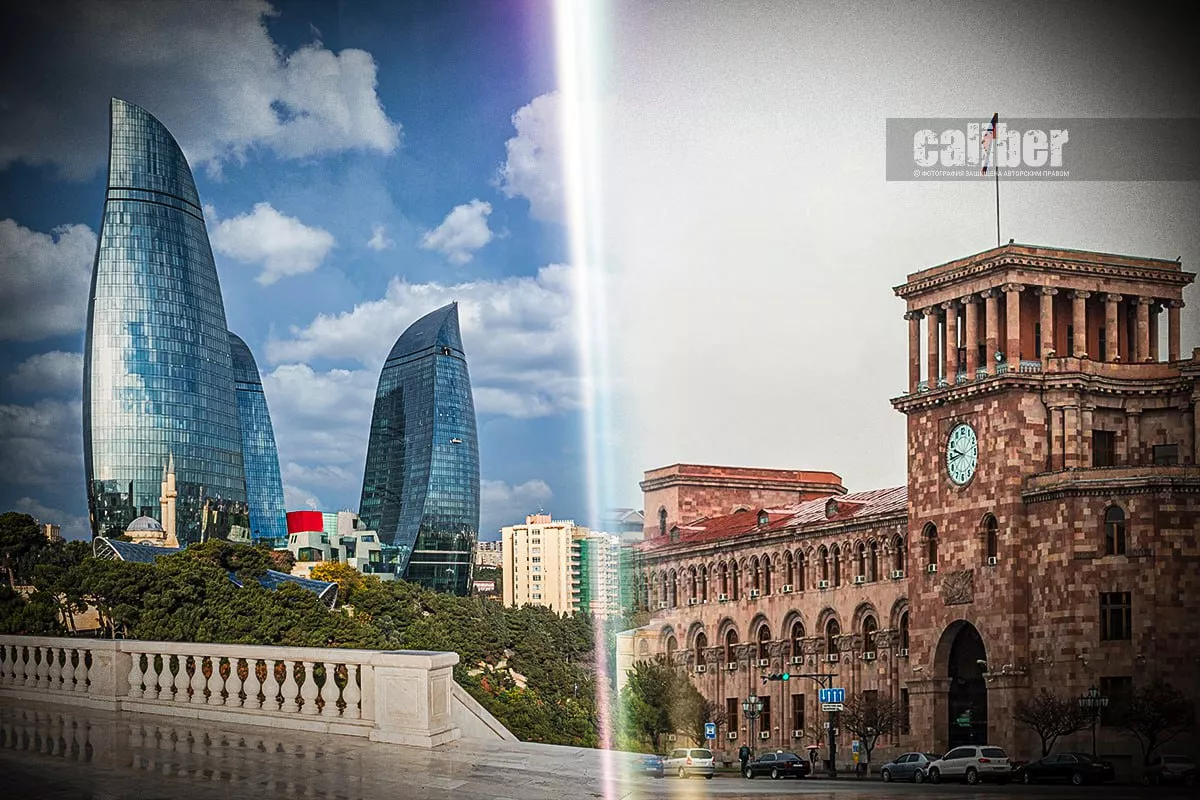
Indeed, there are still many unresolved issues between Baku and Yerevan. But this is a natural state between countries that have yet to establish diplomatic relations—an absence that was a direct consequence of Armenia’s occupation of internationally recognised Azerbaijani territories for more than a quarter of a century. Ignoring this fundamental fact amounts to deliberately replacing reality with a convenient interpretation that does not correspond to the truth.
It is also necessary to recall Pashinyan’s personal responsibility for the escalation that made the 44-day war of autumn 2020 virtually inevitable. He himself publicly uttered the openly provocative phrase: “Karabakh is Armenia, period,” effectively nullifying the very possibility of the previous format of negotiations.
One should also not forget the Armenian provocation along the state border towards Tovuz in July 2020, which finally convinced Baku that Yerevan was relying not on negotiations but on the use of force. Under these circumstances, war became Azerbaijan’s only means to restore its territorial integrity and justice.
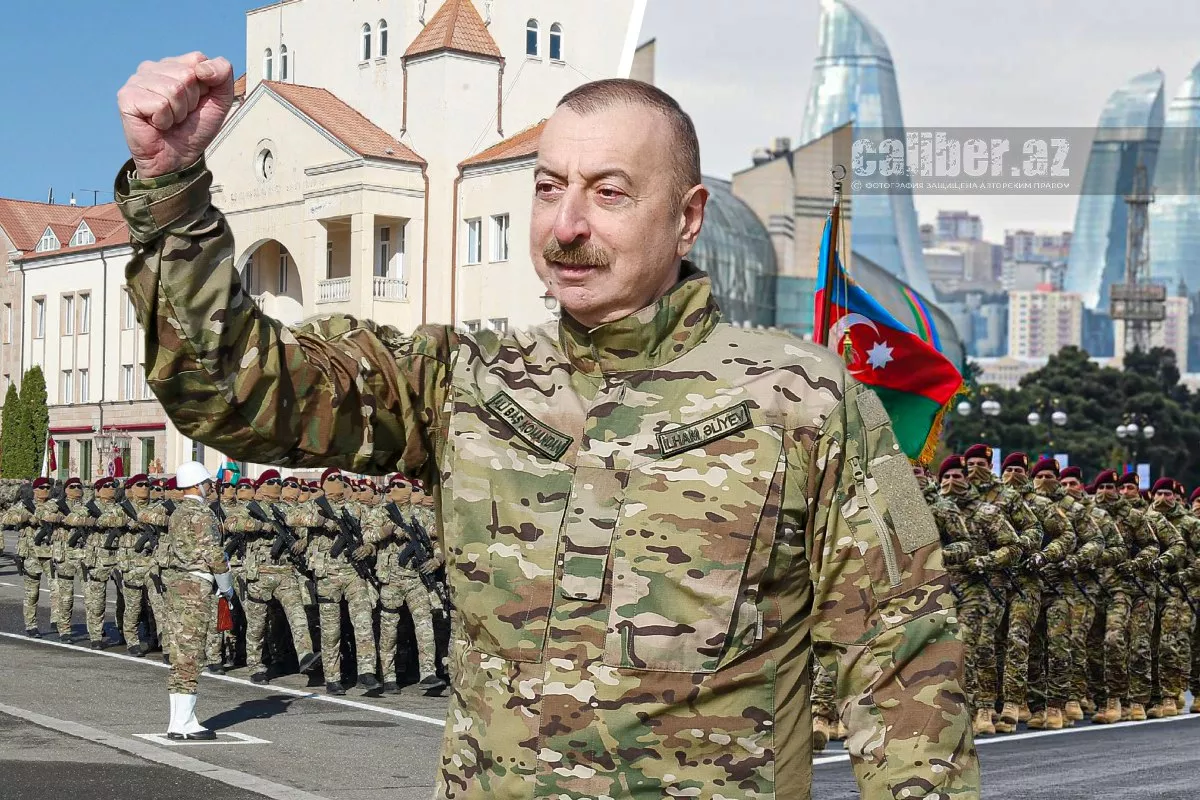
The position of Azerbaijani President Ilham Aliyev, expressed in interviews with local television channels, is also highly telling. The head of state emphasised that Armenia’s recognition of Karabakh as Azerbaijani territory was not an act of goodwill. “It happened precisely because, since 2020, we have been working to achieve it politically,” the Azerbaijani leader stressed, reminding that despite Yerevan’s formal statements, the rotation of military personnel, financing of Armenian armed formations, and arms supplies continued.
“Of course, we were never going to tolerate this. I repeatedly told my Armenian counterpart at meetings in Brussels that there was no need to test our patience; we could completely seize control of the so-called Lachin Corridor at any moment regardless of who was there or what anyone else told us. Unfortunately, my arguments didn't have the desired effect; we had to demonstrate this in September 2023,” Ilham Aliyev stated.
All of this is well known to Nikol Pashinyan, which is why his current remarks about a “broad range of unresolved issues” appear as an attempt to deflect responsibility and buy time. Meanwhile, Yerevan now has a historic opportunity to fully recognise the inevitability of establishing a stable and mutually beneficial peace with Azerbaijan—a country that has already taken its share of steps in this direction.
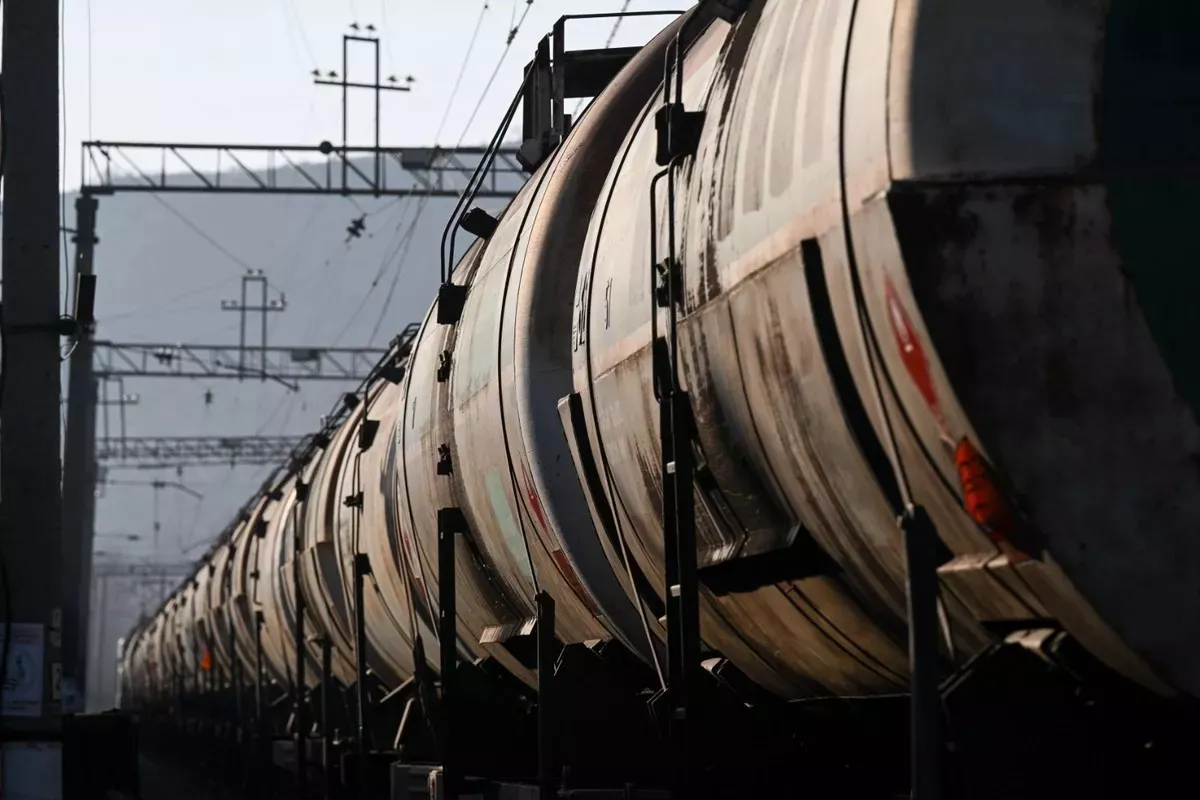
A symbolic and practical confirmation of this was the supply of Azerbaijani petrol to Armenia, which, incidentally, sold out in just a few days, as officially reported by Armenia’s Minister of Economy, Gevorg Papoyan. Unlike political manoeuvring, the economy quickly highlights priorities and clearly shows where the benefits lie.
Furthermore, it should not be overlooked that for normal, neighbourly, and pragmatic relations to be established between the two countries, Yerevan must remove a key systemic barrier—amending its constitution, which still contains territorial claims against Azerbaijan.

In Baku, the risks and complexities associated with potential constitutional changes in Armenia are certainly well understood. Speculation on this issue by representatives of the Karabakh clan, the Dashnaks, and other nationalist circles is extremely aggressive, but there is no alternative. As long as the constitution of the neighbouring republic continues to contain territorial claims on Azerbaijani lands, any talk of a “broad range of unresolved issues” is merely a simulation of the process.
Real peace does not begin with vague formulations and priorities set out in an inconsistent order; it begins with a clear rejection of revanchism and the recognition of new realities. And here, as they say, the ball is in Armenia’s court.







 editor@caliber.az
 +994 55 444-88-98
 Азербайджан, Баку, ул. Низами, 203, Af Business House, 5-й этаж