










Hayakve’s gasoline hysteria Armenian revanchists fighting reality again
The so‑called civic initiative “Hayakve” (also spelled Hayaqve) has once again made headlines with an absurd stunt, urging Armenian citizens to boycott gas stations selling fuel imported from Azerbaijan and warning them not to “participate in processes capable of harming the country’s security.” The wording is dramatic—almost apocalyptic—but, as is often the case, behind this pompous façade lies complete emptiness.
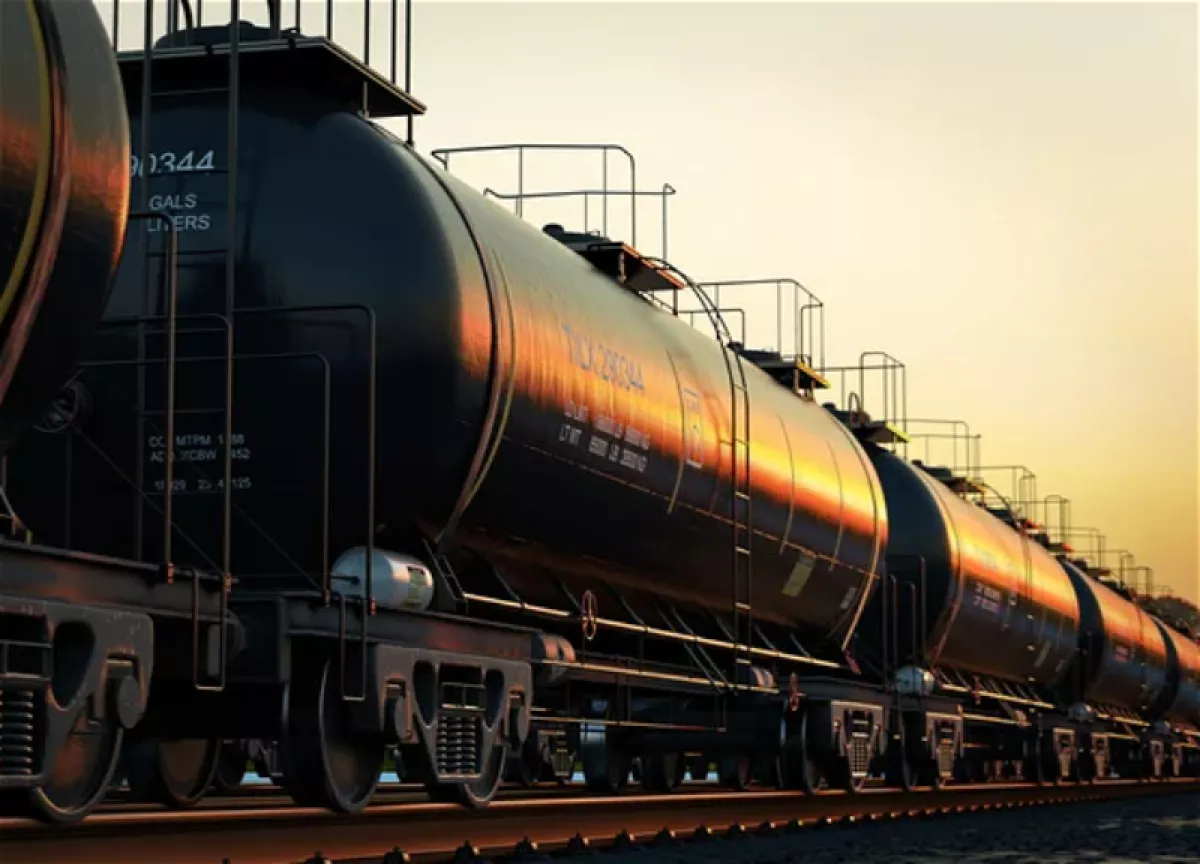
What these “processes” might be—how filling an Armenian car with Azerbaijani fuel could threaten the nation’s security—the initiative’s representatives do not explain. Presumably, they suggest that simply using fuel of Azerbaijani origin somehow poses an existential threat to Armenia.
Instead of arguments, all they offer are empty pronouncements, such as accusing the Armenian authorities of presenting the import of Azerbaijani gasoline as an achievement for the peace agenda, while the reality supposedly looks different. How exactly it looks different—again, unclear, as there is silence in response, followed only by a call for drivers to “exercise civic responsibility” and avoid RAN Oil stations where Azerbaijani fuel is sold.

Frankly, all of this recalls a Soviet‑era slogan: “Whoever wears Adidas will sell out the Motherland tomorrow.” Ironically, everyone in the USSR dreamed of owning Adidas products, including those who publicly condemned anyone who had them. So, if we strip away the political rhetoric, the current situation looks very simple. Armenian citizens are effectively being asked to voluntarily give up higher-quality fuel in favour of a more expensive and often lower-quality alternative.
A natural question arises: “Does Hayaqve view its citizens as conscientious people, or as individuals willing to harm themselves by following any absurd call?” This case once again demonstrates that sometimes it is harder to find common sense in such political initiatives than it is to find a black cat in a dark room.
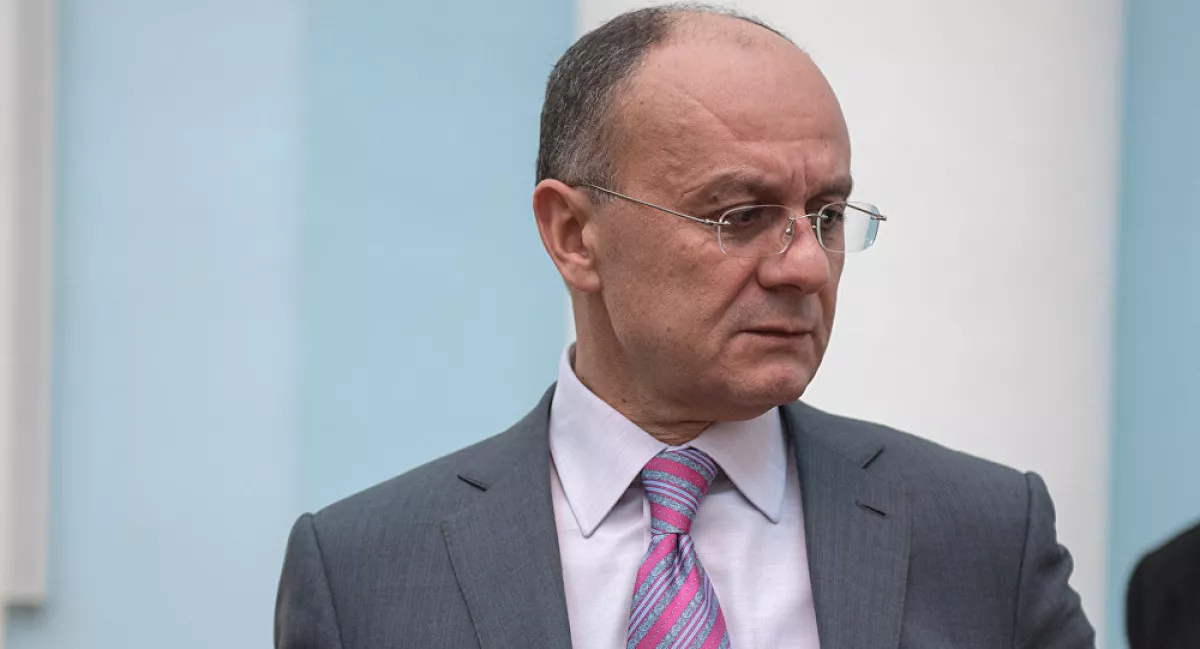
However, expecting anything different from Hayakve would be the height of naivety. This initiative emerged on the Armenian political scene in the summer of 2023, at a time when part of the country’s establishment was still clinging to illusions of revanchism and denial of reality. It is no coincidence that one of its early supporters was former Armenian Defence Minister Seyran Ohanyan—the same man who once named the defensive line on the temporarily occupied Azerbaijani territories after himself, a line the Azerbaijani army breached within the first days of the 2020 Patriotic War.
Within Armenia, Ohanyan is widely regarded as corrupt and as one of the main figures responsible for the defeat in the Second Karabakh War. Yet it is precisely such figures who become the symbolic “godfathers” of initiatives mired in the past, exuding an unmistakable smell of mothballs.
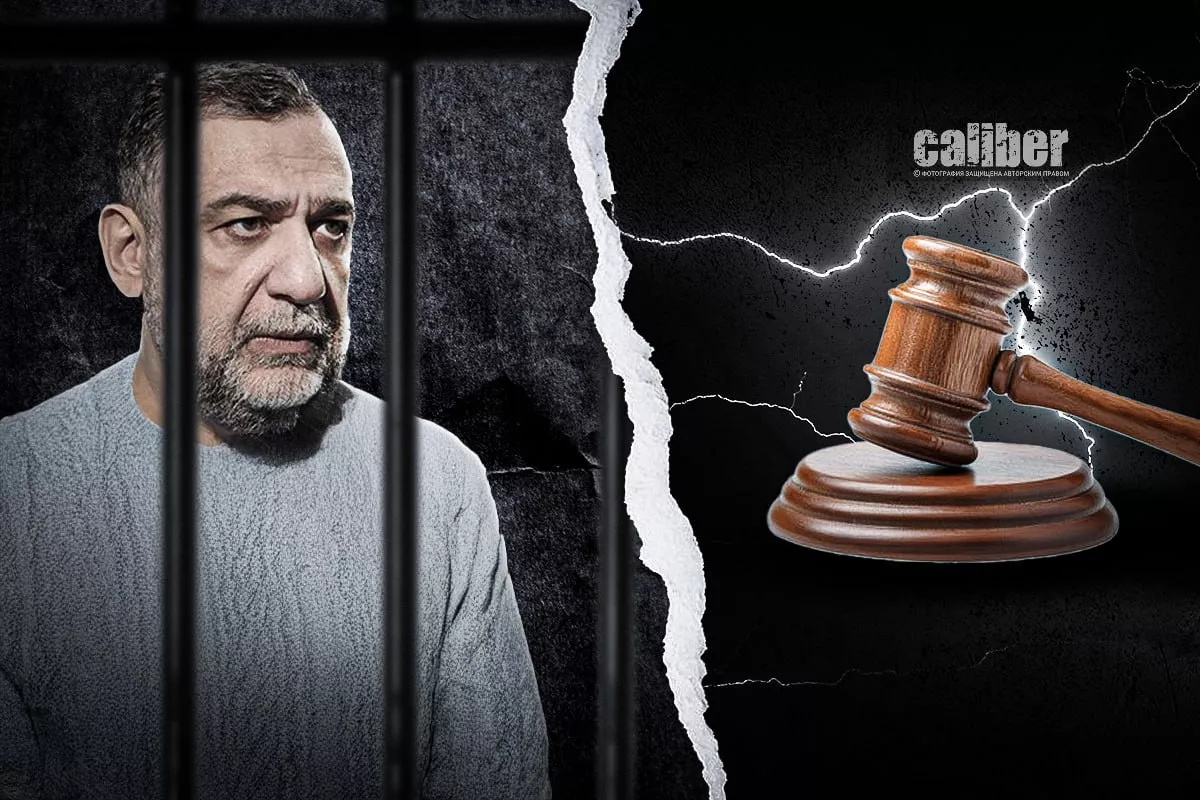
Even more telling at the time was Hayakve’s support from Ruben Vardanyan—an oligarch and separatist, currently awaiting sentencing in a Baku court. In 2023, he actively portrayed himself as one of the leaders of the Karabakh junta, periodically making loud statements about the “eternity” of the project called “Artsakh.” Today, it is clear that Ruben Karlenovich has far more pressing concerns than Hayakve—he has faced the harsh reality: all attempts to pressure official Baku for his release proved futile, and his political fantasies were short-lived.
This immediately brings to mind another telling episode: one of the first proposals put forward by Hayakve was a demand to pass a law in Armenia “providing criminal liability for recognising the Karabakh region as part of Azerbaijan.” This statement was made in the summer of 2023, and by September, a one-day counter-terrorist operation had taken place in Karabakh, fully restoring the territorial integrity of Azerbaijan. The leaders of the Karabakh junta, including Vardanyan, were detained and brought to Baku. History settled the matter decisively, without unnecessary debates or ultimatums.
And now, Hayakve is once again trying to make a statement—this time through gasoline pumps and calls for a boycott.
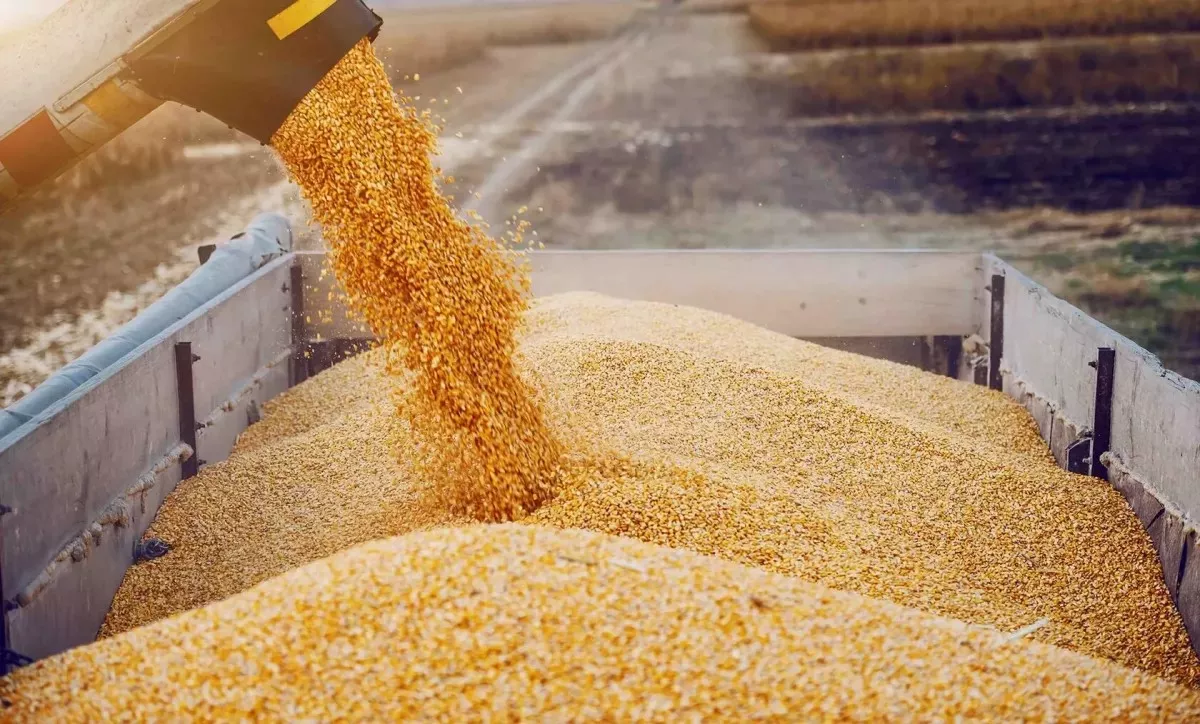
Here, it is worth noting a few facts. Recently, eight railcars of grain were sent from the Gmelinskaya station in Russia’s Volgograd region to Armenia, passing through Azerbaijani territory. By the end of this year, around thirty railcars—equivalent to more than two thousand tons of grain—are planned to be delivered. Previously, grain from Kazakhstan had also been transported to the neighbouring country through Azerbaijani territory.
These are not merely transit‑logistics details. This represents a historic precedent: transit of goods to Armenia through Azerbaijan has become possible for the first time since the early 1990s, thanks to the decision of the head of the Azerbaijani state.
All of this clearly demonstrates the new reality of the South Caucasus, where the Republic of Azerbaijan is establishing itself as a key transport and logistics hub in Eurasia. So what’s next—will Hayakve call for a boycott of Russian and Kazakh grain delivered to Armenia via Azerbaijani territory?! In principle, such an absurd step is theoretically possible—after all, the folly of revanchist circles, as experience shows, knows no bounds.
However, one would like to believe that there are still more sensible people in Armenia, who will respond to Hayakve’s latest calls exactly as they deserve: with irony, scepticism, and as an attempt to fight against an inevitable reality.







 editor@caliber.az
 +994 55 444-88-98
 Азербайджан, Баку, ул. Низами, 203, Af Business House, 5-й этаж