










Barking without teeth Can the EU really stand up to Trump?
“Europe has finally woken up.” This is, in essence, how leading European media have characterised the recent attempts by European Union leaders to cautiously “push back” against U.S. President Donald Trump’s policies toward the continent.
There is no denying that the second half of January 2026 marked a symbolic Rubicon in EU–Washington relations. While anti-American rhetoric from European leaders is nothing new, recent events suggest a more deliberate effort to assert Europe’s position—albeit carefully—amid growing tensions with the Trump administration.
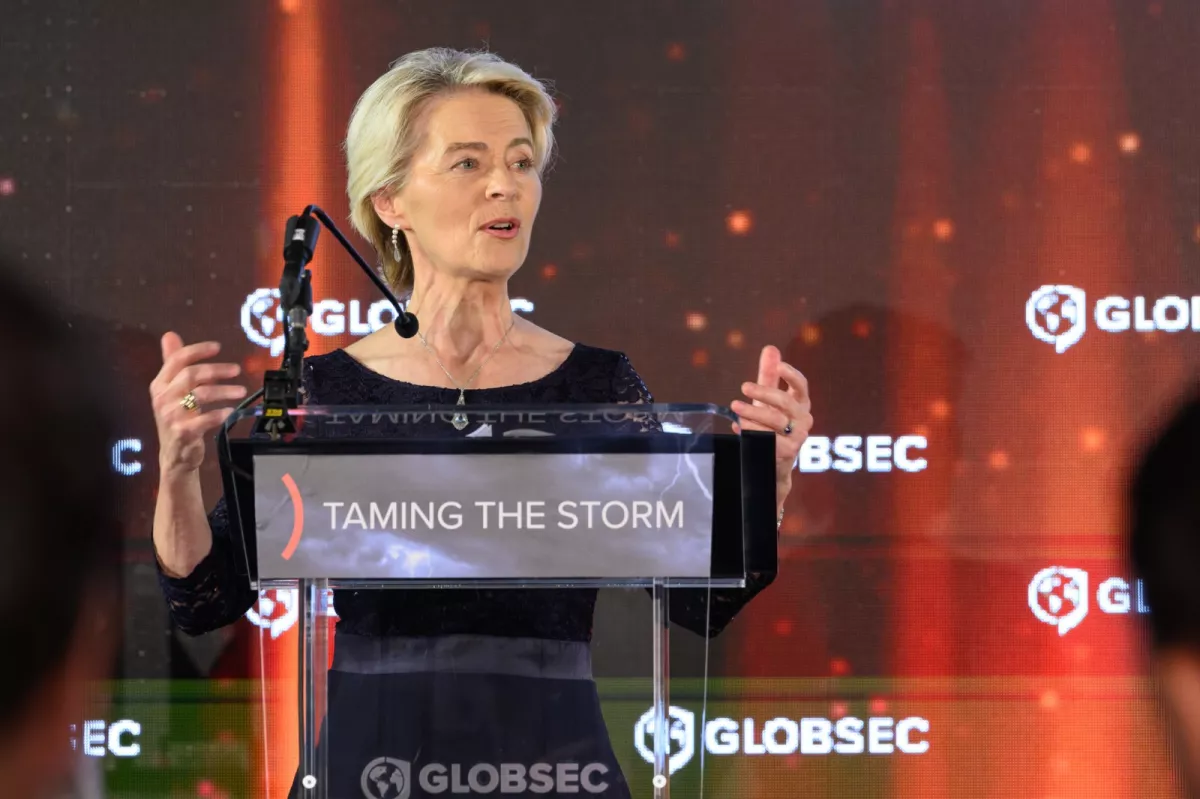
At the end of last summer, European Commission President Ursula von der Leyen stated at the GLOBSEC conference in Prague that, while NATO remains the cornerstone of collective security, European countries must strengthen their own defence capabilities, because the defence of Europe is first and foremost Europe’s own responsibility.
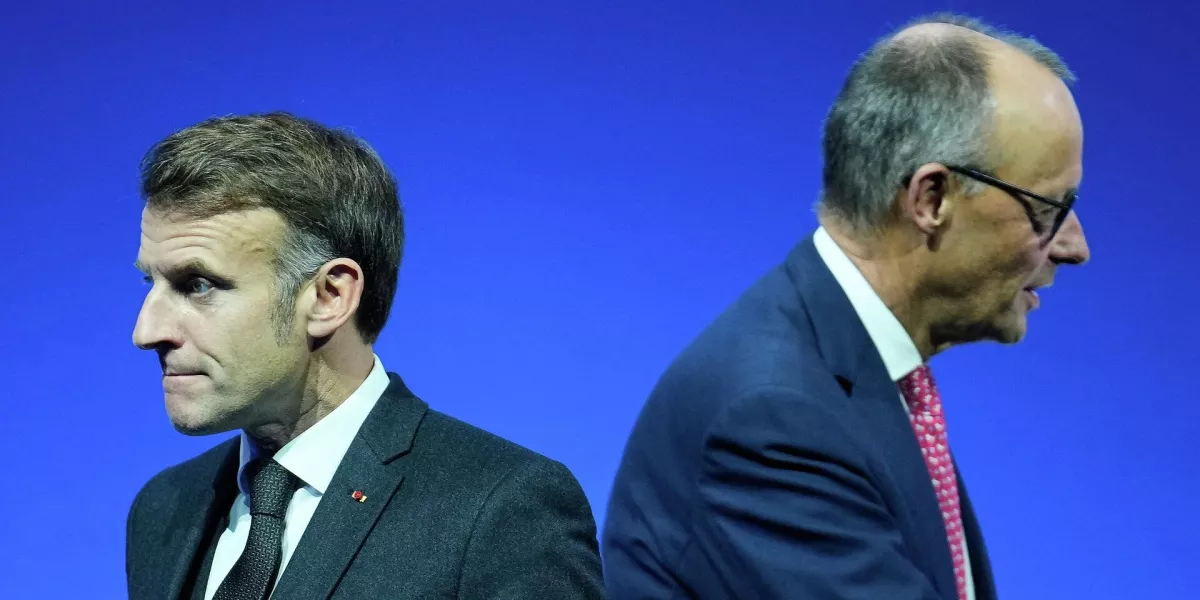
Similar points have been made by German Chancellor Friedrich Merz and French President Emmanuel Macron, who for several years has promoted—with limited success—the idea of Europe moving toward “strategic autonomy.”
However, it was only in the past week that the EU’s top leaders adopted a more clearly “confrontational”—albeit cautious and incremental—stance toward U.S. policy in the European sphere. This shift was likely prompted by a recent geopolitical move by President Trump, who ignored Brussels’ proposal to hold a meeting on a broad range of issues during the Davos Forum.
Some analysts argue that this episode strengthened cohesion among European leaders on the so-called “Greenland issue,” which appeared to force Trump to “back down,” limiting himself to threats of additional tariffs rather than military action. Media outlets highlighted European Council President António Costa’s statement that the EU intends to protect itself from any form of blackmail.
In the wake of the Davos Forum, von der Leyen announced plans for an investment package for Greenland. Simultaneously, Brussels signed a trade agreement with India, which provides for the removal or significant reduction of tariffs on nearly all goods.
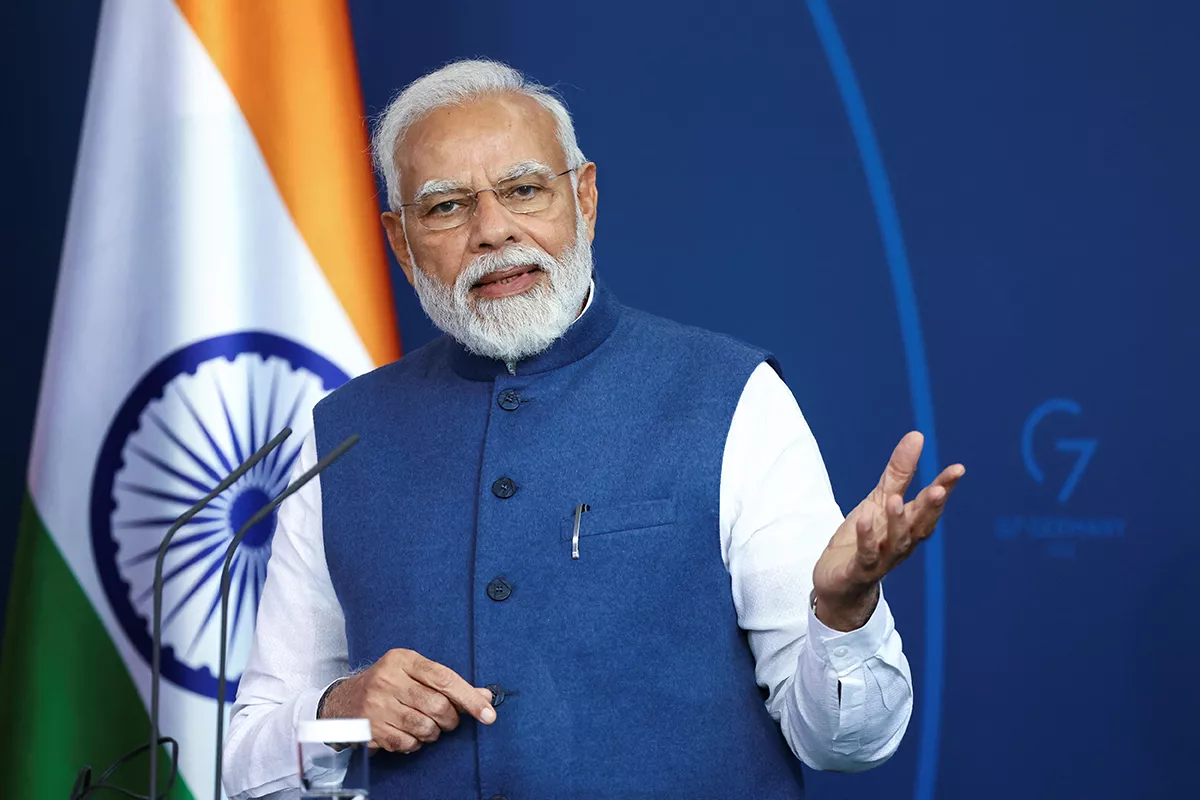
Indian Prime Minister Narendra Modi described the agreement as “the mother of all deals”—not without a subtle jab at President Trump. In addition, a defence pact between the EU and India was announced.
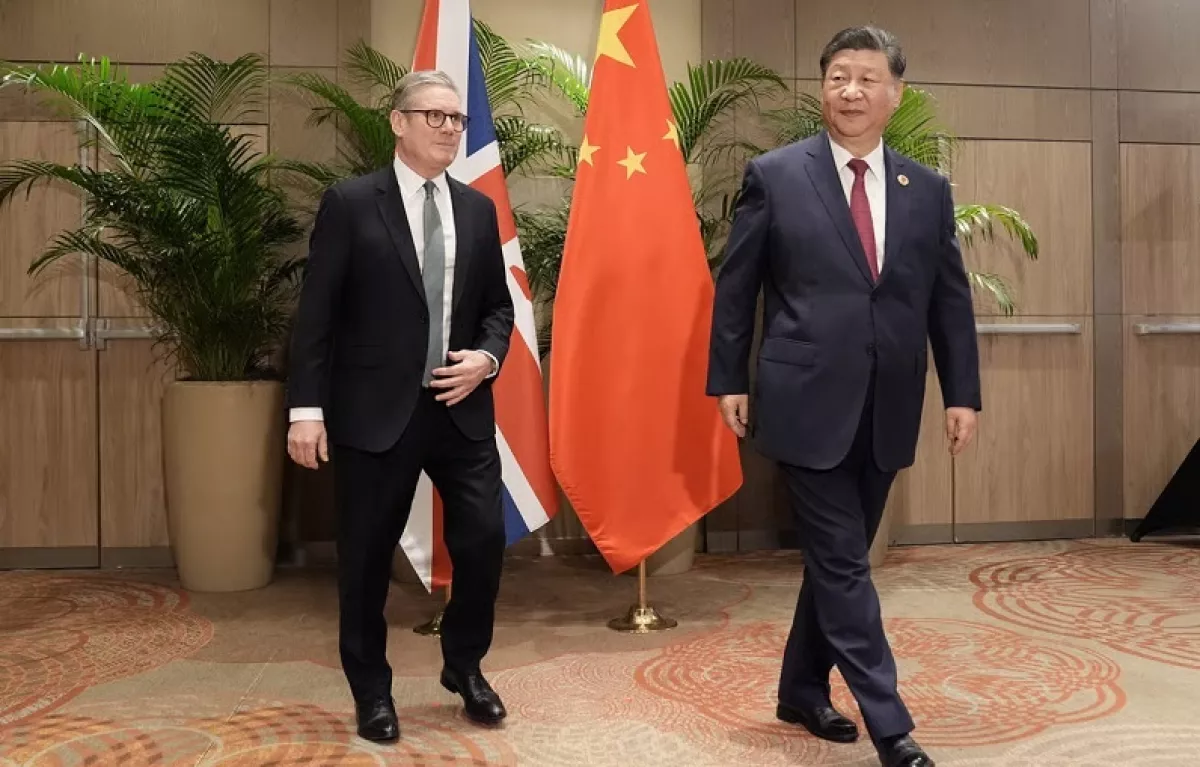
Meanwhile, UK Prime Minister Keir Starmer visited China, highlighting the need for a long-term, consistent, and comprehensive strategic partnership with Beijing. He was accompanied by a business delegation of more than 50 senior executives from major companies.
A visit to China by German Chancellor Friedrich Merz is also expected soon. Recently, he reiterated the necessity for the EU to speak on the global stage “in the language of power” to defend its interests in the emerging world order. At the same time, Merz called for a significant reduction in dependence on the United States and the expansion of global partnerships.
In more poetic terms, he warned that Europe faces a “harsh wind is blowing in this world, and we will be feeling it for the foreseeable future,” while also noting new opportunities for the EU to serve as a de facto “alternative to imperialism and autocracy.” According to Merz, the driving forces behind this strategy should be securing Europe’s own defence, reducing reliance on U.S. technology, boosting the EU’s economic competitiveness relative to China and the U.S., and strengthening European unity.
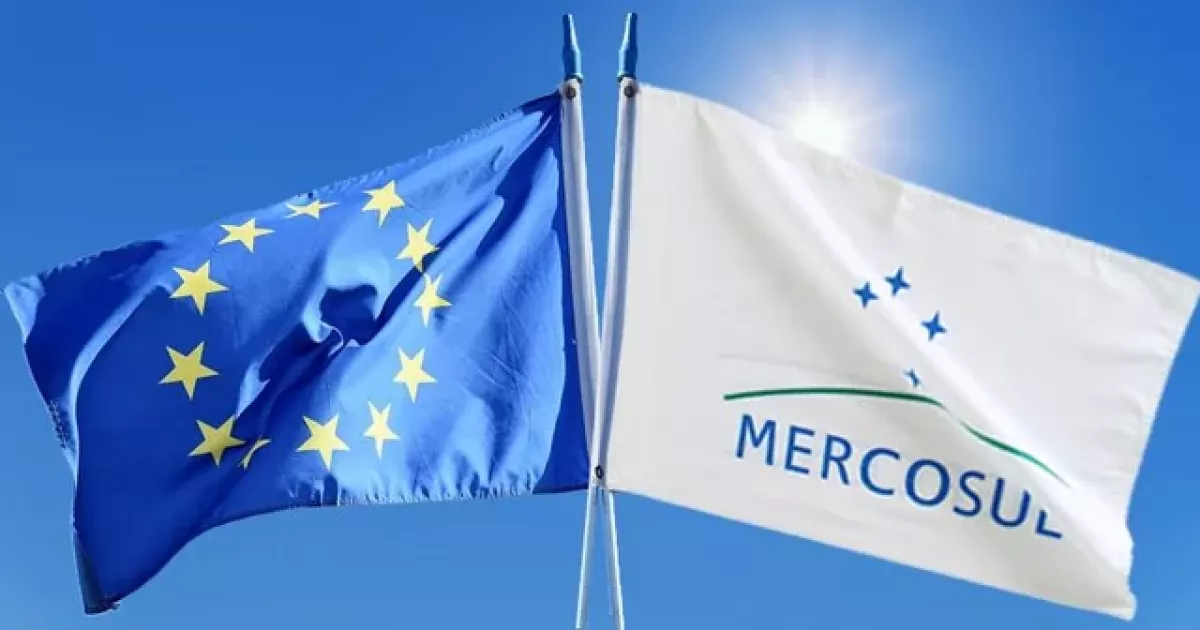
However, as experts were quick to note, Friedrich Merz provided no concrete details on these plans. And how much detail is even possible, given that—even under the banner of the actively promoted “European unity”—a group of MEPs effectively blocked the entry into force of the recently signed EU-MERCOSUR free trade agreement? Not to mention the independent positions of Hungary and Slovakia, whose selective approach to supporting Brussels’ decisions has long been well known.
Against this backdrop, reports began circulating about a supposedly planned EU-owned social media platform called W, allegedly intended to replace Musk-owned X. Claims suggested that the network would be taxpayer-funded and serve as a “digital censor.”
However, according to Euronews, Brussels “is not launching or funding any social media platform, and that there is currently no EU-backed project called ‘W’.” In reality, the project is a private social media startup registered in Sweden and financed by private investors, mainly from Scandinavia—not by any European executive body.
However, today it’s Stockholm, and tomorrow, perhaps, Brussels—potentially with elements of protectionism as well. But the deeper question remains: is Europe truly prepared to achieve its own “technological sovereignty” on a global scale?
Euronews notes that, despite a resolution adopted this month by the European Parliament calling for strengthened semiconductor production and the development of European artificial intelligence, as well as an initiative by over 50 MEPs urging the European Commission to explore support for European alternatives to American digital platforms, no concrete steps have yet been taken to launch new projects.
This raises a critical question: to what extent is Europe actually capable of competing with the United States in high-tech arenas such as AI, microelectronics, or space programmes?
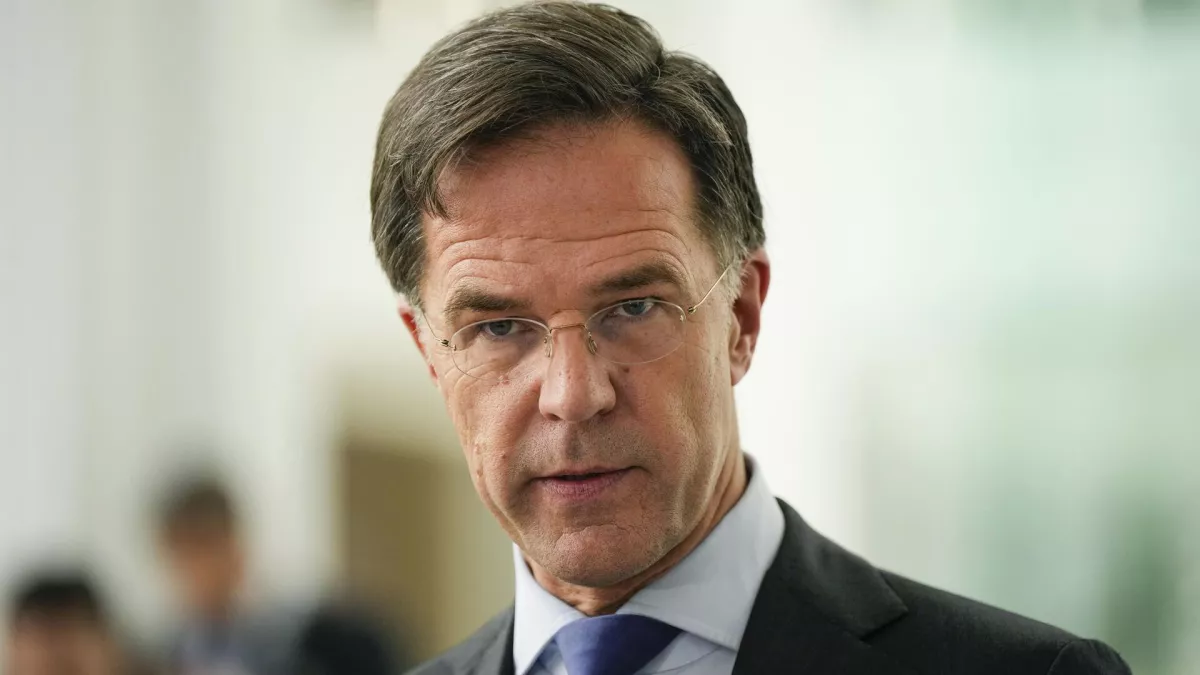
A similar question—no less pointed—also arises in the context of Europe’s ability to ensure its own security. And, to Brussels’ clear displeasure, it was effectively voiced by NATO Secretary General Mark Rutte, who dismissed the very possibility of defending the European continent without the support of the United States. According to him, the primary guarantor of Europeans’ freedom remains Washington’s nuclear umbrella.
Thus, the EU does appear to be trying to “snap back” at Donald Trump—especially if one recalls the famous fable about the elephant and the yapping lapdog. This is unfolding against the backdrop of the approaching Munich Security Conference, which analysts believe will offer a stark demonstration of who is actually capable of what. All the more so because both sides remember well the American “jabs” delivered to Europe in Munich in 2025.







 editor@caliber.az
 +994 55 444-88-98
 Азербайджан, Баку, ул. Низами, 203, Af Business House, 5-й этаж