










Children of Ukraine: when lullabies are drowned out by sirens
In many countries, June 1 is celebrated as International Children’s Day, which serves as a reminder to the world of the importance of upholding children’s rights to life, health, education, and protection from violence.
The history of this holiday goes back to the mid-20th century and is directly linked to the tragic consequences of the Second World War, which left millions of children orphaned, deprived of shelter and health. The decision to establish International Children’s Day was made in 1949 at a special session of the Council of the Women’s International Democratic Federation in Paris, and in 1950 it was first celebrated in many countries around the world. It seemed that humanity, having experienced the worst bloodshed in its history, had learned its lesson, and that children would never again become victims of political ambitions, territorial claims, and conflicts.
However, history took a different turn: more than seven decades later, humanity has still not managed to create a world in which children are fully protected from the horrors of war. Moreover, they remain the main victims of any armed conflict, paying the price for the political and military decisions of the powerful. Wars deprive a child not only of the present but also of the future, forcing them to grow up too early and endure what not every adult can cope with.
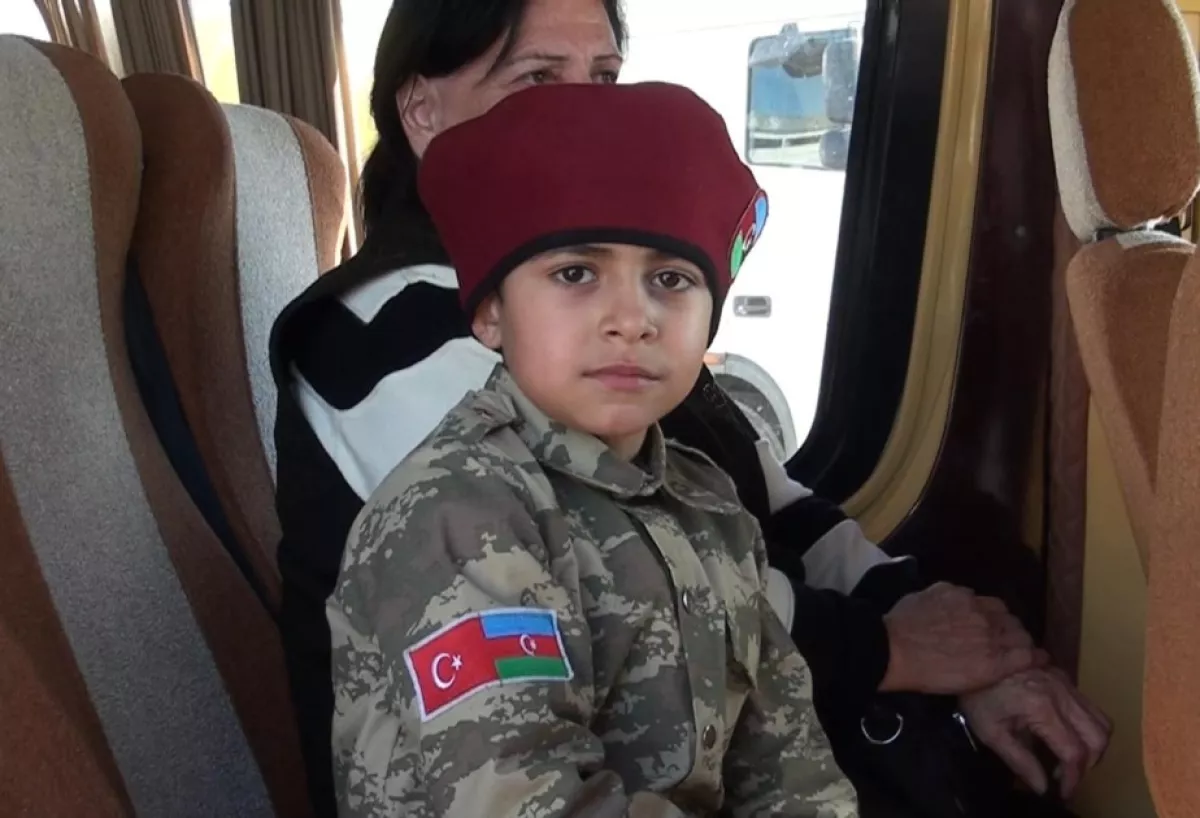
The tragedy is deeply familiar to the Azerbaijani people. As a result of the long-standing Armenian–Azerbaijani conflict, hundreds of thousands of Azerbaijani children were expelled from their native towns and villages, deprived of their homes, schools, friends, and the familiar environment in which their childhood unfolded, becoming internally displaced persons for many years. For many of them, the phrase “small homeland” turned into a memory; they came to know it through their parents’ stories and old family photographs. An entire generation of Azerbaijani children grew up with a sense of injustice and the pain of loss.
Today, the situation has changed. Following the restoration of its territorial integrity, the Azerbaijani state is implementing large-scale reconstruction programmes in Karabakh and East Zangezur: new cities, towns, and villages are being built, and people are returning to the lands liberated from Armenian occupation. However, the memory of what the children of internally displaced families went through will remain forever, and this is precisely why Azerbaijan deeply understands the suffering of Ukrainian children, who have now been confronting a vast nuclear power for more than four years.
For many Ukrainian children, this war did not begin with the words of politicians or news reports. It began with the sound of air raid sirens that chills the blood, with explosions outside their windows, and with the frightened faces of their parents. In an instant, a child’s familiar world ceased to exist: just yesterday they were thinking about grades, holidays, birthday gifts, or meeting friends, and today they are thinking about things that should never exist in a child’s life.
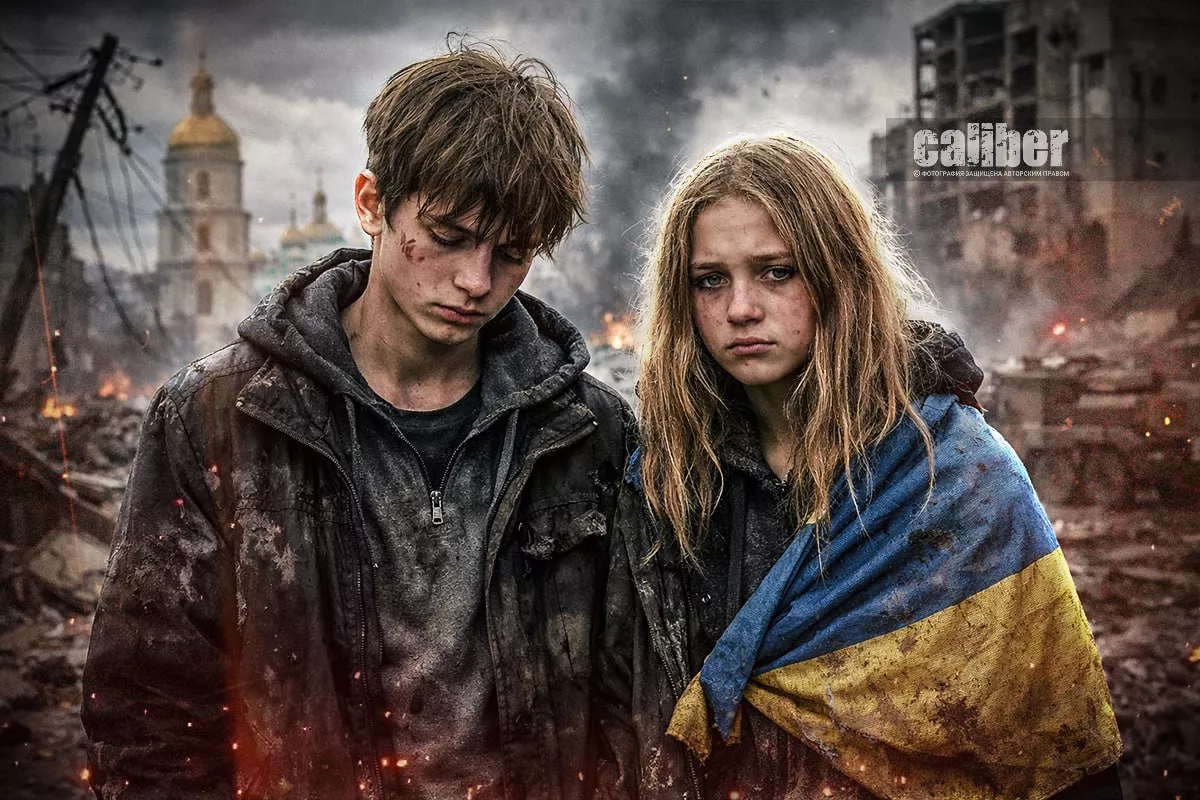
Some of them lost their homes because their towns or villages ended up on the other side of the frontline. Some witnessed with their own eyes how a missile or drone turned their home into a pile of concrete, bricks, and ash—where family photos once hung, a child’s bed stood, and favourite toys lay, there are now only ruins. Some lost their loved ones. For a child, the death of parents, brothers, or sisters is not just a tragedy; it is the collapse of an entire familiar world, and no adult explanation can fill the void left by such a loss.
There are many Ukrainian children who have lost their relatives and loved ones, as well as those who were forced to leave the country with their parents and now live in a different state, learning a foreign language, trying to adapt to a new school and new friends. Yet every night in their dreams, they return home—to Kyiv, Kharkiv, Odesa, Mykolaiv, Kherson, Zaporizhzhia… For millions of Ukrainian children, the homeland today exists simultaneously in the past, present, and future. In the past—as a memory of peaceful life; in the present—as the pain of separation; and in the future—as the hope of return.
The lives of children who remain in Ukraine can hardly be called childhood. When a child knows the location of the nearest shelters better than playgrounds, when a schoolchild can distinguish types of weapons by sound, when children do their homework in basements and bomb shelters, and have become accustomed to air raid sirens, power outages, and emergency “go bags” by the door—this is beyond what can be considered normal.
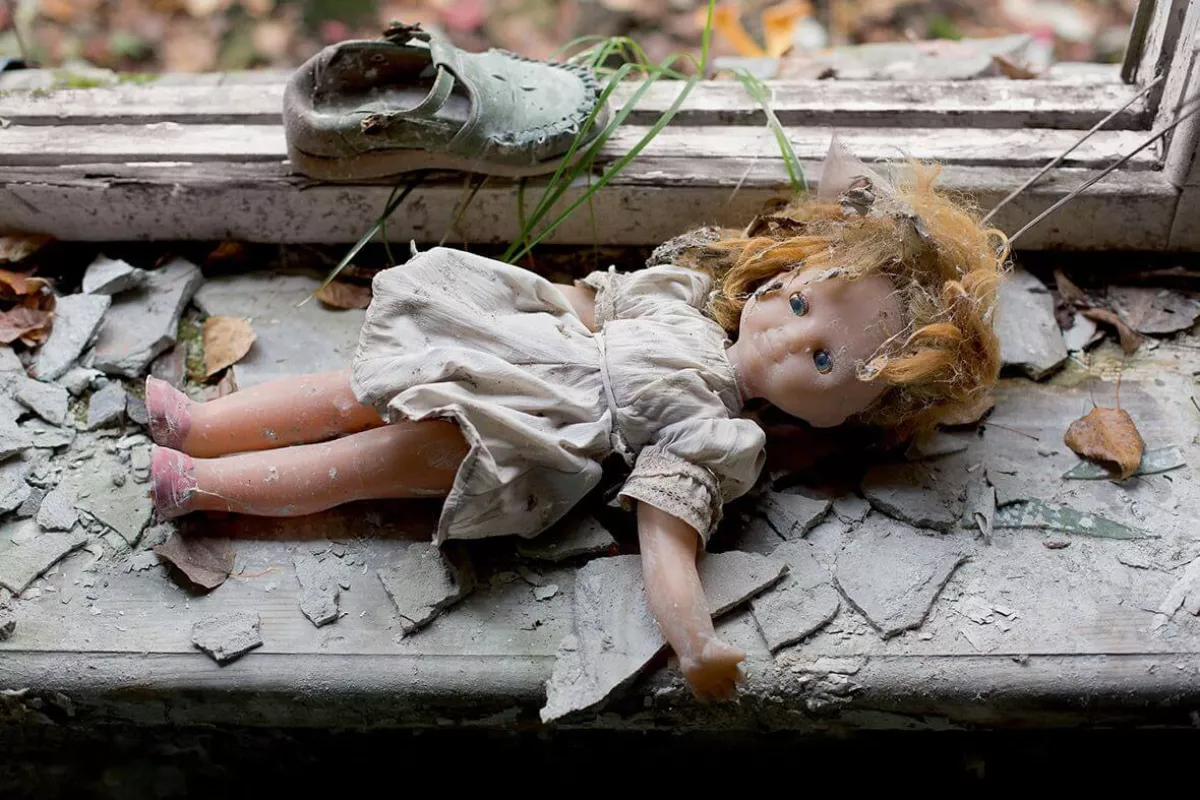
Ukrainian children live under conditions of constant psychological stress, and this is the most severe wound of war. A home can be rebuilt; a broken window can be replaced; even a destroyed city can be restored. But childhood cannot be returned, nor can the sense of safety that is a fundamental right of every child.
Even more devastating is the fact that war deprives children of the right to dream. Instead of making plans for the future or thinking about choosing a profession, Ukrainian children think about when the next air raid will end, whether there will be electricity tomorrow, whether a missile will hit their home, and whether they will be able to see their friends in a week, a month, or a year.
This is why International Children’s Day today carries a particularly profound meaning. It serves as a reminder to the global community, and especially to policymakers, of the consequences of decisions being made, and that nothing is more important than a child’s right to a peaceful, safe, and happy childhood. And as long as even one child on our planet falls asleep to the sounds of war, humanity’s fundamental task of protecting children remains unfulfilled.







 editor@caliber.az
 +994 55 444-88-98
 Азербайджан, Баку, ул. Низами, 203, Af Business House, 5-й этаж