










President of every Azerbaijani: trust built on results Article by Matanat Nasibova
In today's world, high levels of public trust in political leaders have become the exception rather than the rule. Growing social polarisation, economic uncertainty, and geopolitical crises have significantly raised public expectations of those in power. Against this backdrop, cases where a head of state has consistently maintained a high level of public confidence over many years deserve particular attention.
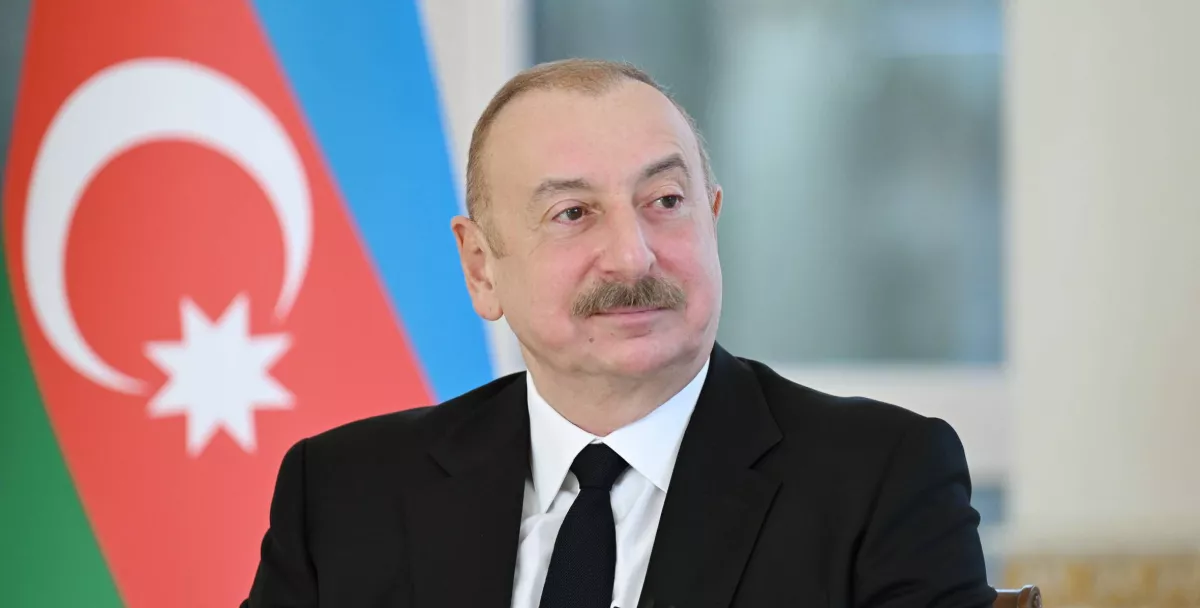
A compelling illustration of this is provided by the results of a recent public opinion survey, according to which 87.7 per cent of Azerbaijani citizens trust President Ilham Aliyev. The survey also found that 93.6 per cent of respondents approve of the president's performance, while 81.9 per cent regard him as the country's unrivalled political leader. It is important to note that such figures do not emerge by chance. Rather, they are typically the result of long-term and sustained socio-political processes that have evolved over many years.
Today, without any exaggeration, it can be said that the principal reason behind the Azerbaijani people's overwhelming support for their President's policies is that Ilham Aliyev places the nation's interests above all else. The consistency of his decisions, their strategic foresight, and his ability to respond effectively to a rapidly changing international environment have shaped a lasting public perception of the head of state as a principled and far-sighted leader.
Equally important in this context is the nature of the relationship between the state and society. The President has repeatedly stressed that the people are the primary source of Azerbaijan's strength and that government policy must reflect the interests and expectations of society. It is therefore no coincidence that Ilham Aliyev has consistently emphasised in his public addresses that, without the support of the citizens, the implementation of large-scale reforms would not have been possible.
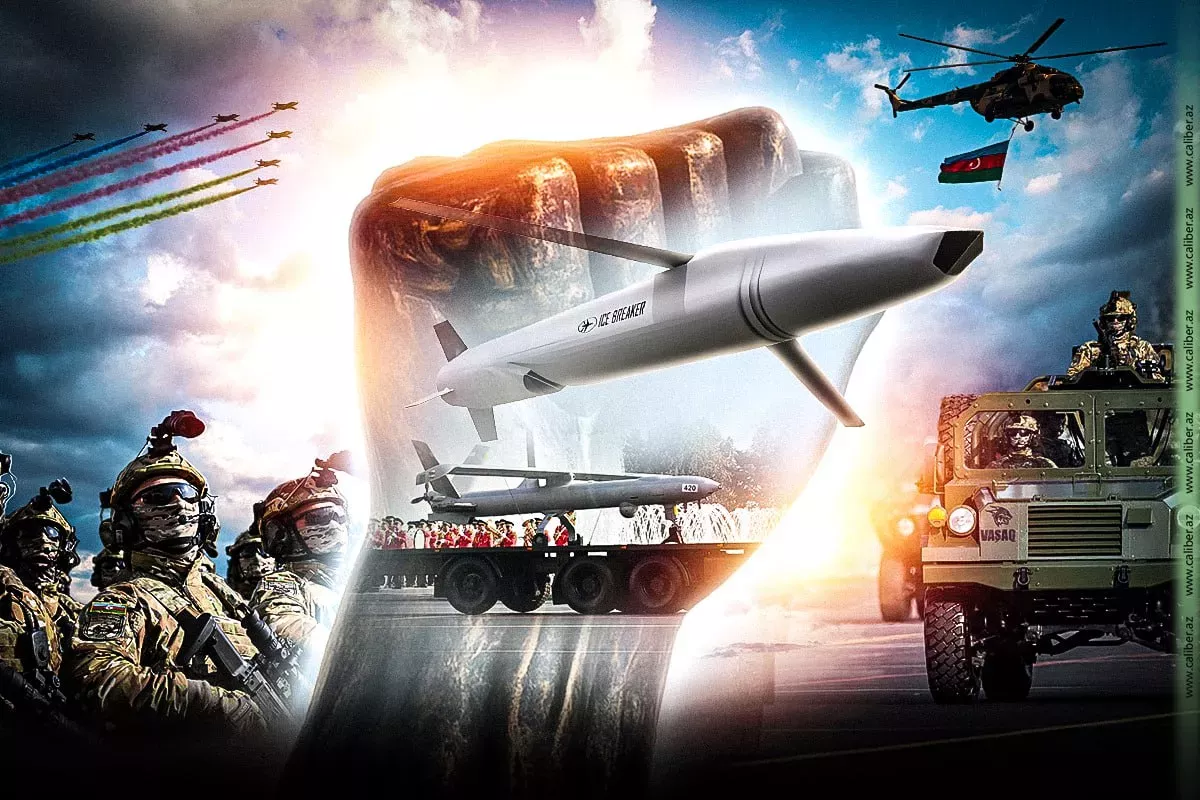
In other words, the people's support and confidence have given the head of state the strength to defend Azerbaijan's national interests on the international stage and have played a decisive role in restoring the country's territorial integrity and strengthening its statehood. The historic victory in the 44-day Patriotic War marked a turning point in Azerbaijan's modern history, conclusively affirming the results of many years of consistent state policy. For a significant part of society, these events became the clearest proof of the effectiveness of the chosen political course and the state's ability to accomplish tasks of historic significance.
Undoubtedly, the deliberate diversification of the economy, the implementation of large-scale infrastructure projects, the development of the non-oil sector, the modernisation of the transport system, the digitalisation of public administration, the strengthening of energy security, and the enhancement of defence capabilities have enabled Azerbaijan to establish a solid foundation for sustainable development.
In recent years, the country has significantly strengthened its position in global politics, emerging as one of the South Caucasus' most influential actors and a reliable partner for many countries around the world. Today, Azerbaijan plays an active role in implementing major transport, logistics, and energy projects, serving as one of their principal driving forces and key initiators.
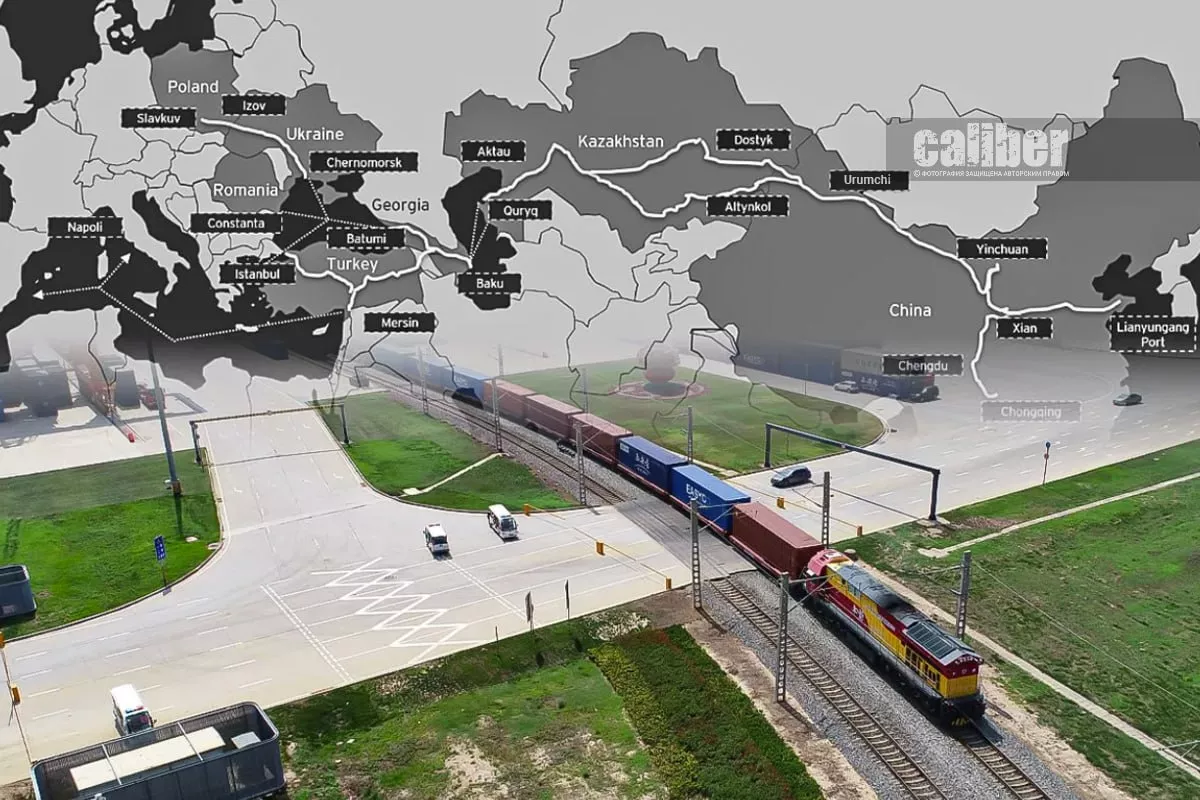
Among Azerbaijan's transport and logistics initiatives, a special place belongs to the multimodal corridor linking China and Central Asia with Europe via the Caspian Sea, Azerbaijan, Georgia, and Türkiye. Through digitalisation and improved coordination, cargo transit times along this route have been reduced severalfold. This broader strategy also encompasses the expansion of the Port of Alat, where a major increase in cargo-handling capacity is underway, as well as the construction of the Zangezur Corridor—a rail and road transport link that will connect mainland Azerbaijan with the Nakhchivan Autonomous Republic and onward to Türkiye.
Another major achievement is the long-standing operation of the Baku–Tbilisi–Kars railway, a strategic transport artery connecting Azerbaijan with Georgia and Türkiye, which has significantly enhanced the country's transit potential. Other key elements of this broader connectivity agenda include the Digital Silk Way project—a fibre-optic cable to be laid beneath the Caspian Sea linking Azerbaijan and Kazakhstan—and the Southern Gas Corridor (SGC), through which Azerbaijan plays a vital role in strengthening Europe's energy security.
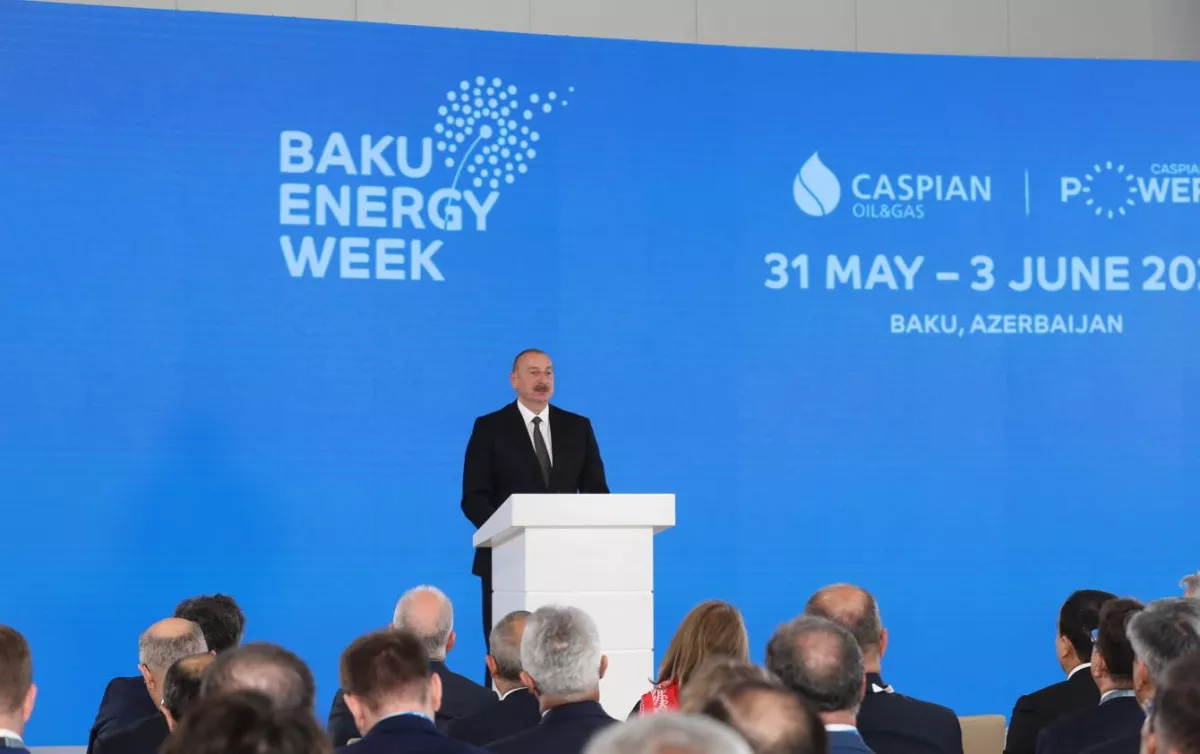
President Ilham Aliyev himself recently offered a clear assessment of Azerbaijan's current socio-economic situation during his address at the official opening ceremony of the 31st Caspian Oil and Gas International Exhibition, the 14th Caspian Power International Exhibition, and the 31st Baku Energy Forum, held as part of Baku Energy Week.
"Today, Azerbaijan's economic performance is very positive. Our ratings are improving year after year by the leading international rating agencies. And so far, we have already achieved an investment-grade rating. The poverty level has been reduced to 5%. Unemployment is around the same figure. We managed to significantly reduce foreign debt. We had to borrow in the beginning, but then our strategy was to stop borrowing and repay our debts so as not to be dependent on any international financial institution. Today, we have one of the lowest levels of foreign debt in the world, amounting to just over 6% of our GDP. We have accumulated reserves in our State Oil Fund and Central Bank. So our reserves exceed our foreign debt by more than 18 times," the head of state said.
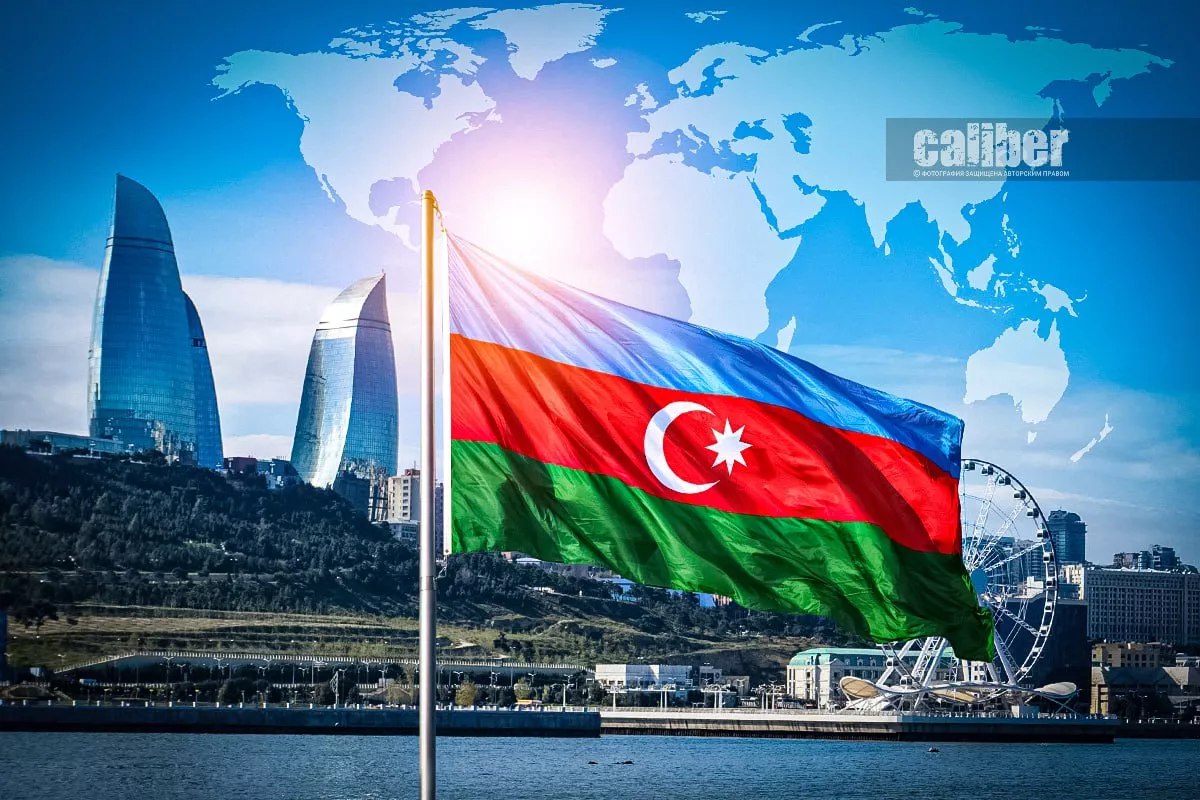
Undoubtedly, another important factor behind the sustained high level of public support is the country's internal stability and security. Azerbaijan is rightly regarded today as an "island of stability": crime rates remain consistently low, while Baku is widely recognised as one of the world's safest capitals for both residents and visitors.
Particular attention should also be paid to the multi-vector foreign policy strategy developed by President Ilham Aliyev. Thanks to this approach, Azerbaijan has succeeded in building relations based on mutual respect, sovereign equality, and pragmatic cooperation with countries that hold fundamentally different positions within today's international system.
By consistently defending its national interests while avoiding entanglement in bloc confrontations, official Baku has maintained constructive dialogue with Western countries, the Islamic world, the Turkic states, Russia, China, and other influential international actors. This foreign policy course has not only significantly strengthened Azerbaijan's international standing but has also established the country as a respected platform for political dialogue.
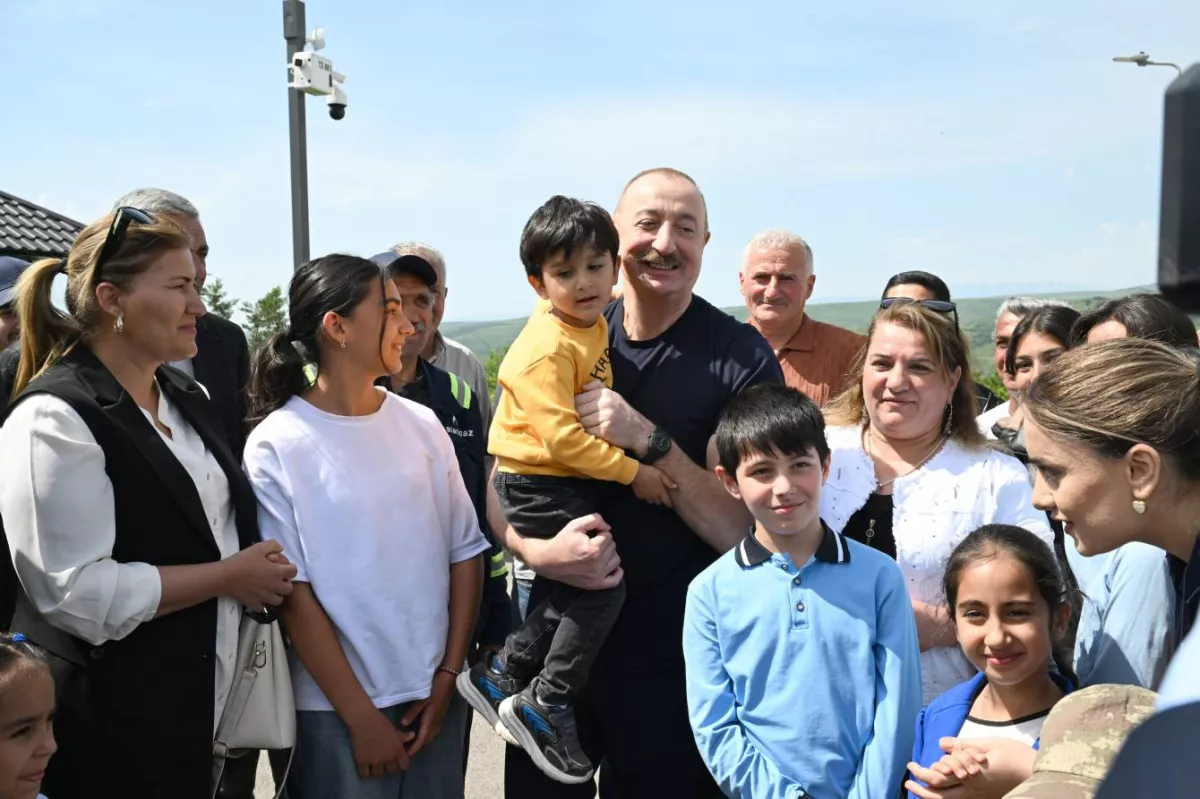
Thus, the high level of public trust in the head of state is not the result of any single factor but rather the combined effect of political, economic, foreign policy, and historical developments.
In this, the enduring relevance of the principle "A strong leader makes a strong state" is clearly reflected—a formula that has come to define Ilham Aliyev's leadership and one that resonates with many Azerbaijanis, who proudly say: "My President!"







 editor@caliber.az
 +994 55 444-88-98
 Азербайджан, Баку, ул. Низами, 203, Af Business House, 5-й этаж