










Voice of Islamic solidarity: Baku unites the Muslim world Review by Teymur Atayev
We have repeatedly drawn attention to the fact that virtually every major policy speech delivered by President of Azerbaijan Ilham Aliyev—regardless of the platform or audience—reflects a clear continuity with the vision and decisions of National Leader Heydar Aliyev. This continuity is evident not only in the political and economic spheres, but also in the cultural, humanitarian, and religious domains.
We were once again reminded of this while examining the message addressed by the head of state to the participants of the 20th Session of the Conference of the Parliamentary Union of the Member States of the Organisation of Islamic Cooperation (OIC).
Thus, President Ilham Aliyev emphasised that the OIC was one of the first international organisations that Azerbaijan joined after restoring its independence. Alongside playing a responsible role within the Organisation and making a significant contribution to strengthening Islamic solidarity, Baku has consistently felt the support of this body, which demonstrated a firm stance both during Armenia’s nearly 30-year-long aggression against Azerbaijan and in the post-conflict period.
In this context, it is worth recalling that the resolution adopted at the 7th Islamic Summit Conference of Heads of State and Government of OIC member states in 1994 called for the implementation of the four UN Security Council resolutions and condemned Armenia’s aggression against Azerbaijan. During that event, Heydar Aliyev presented evidence of the destruction of mosques by the occupying forces, the desecration of Muslim cemeteries, and the burning of copies of the Quran, noting that the aggressors sought to erase “all traces of Muslim civilisation from the face of the earth.”
In the same spirit, stressing the importance of establishing personal relations and strengthening solidarity with “his brothers—the leaders of Muslim states,” the National Leader expressed confidence that Azerbaijan’s cooperation with the entire Islamic world would continue to expand and deepen.
Subsequently, all major OIC summits adopted resolutions entitled “Aggression of the Republic of Armenia against the Republic of Azerbaijan.” As President Ilham Aliyev noted in his address, with particular reference to the activities of the OIC Contact Group on Armenia’s aggression, Baku highly values this principled position of the brotherly countries. Azerbaijan also appreciates the findings of the OIC Independent Permanent Human Rights Commission, which documented acts of vandalism committed by the occupying forces. These included urbicide and culturicide inflicted upon Azerbaijani cities and villages, as well as the deliberate destruction and looting of mosques and centuries-old monuments of Islamic architecture.
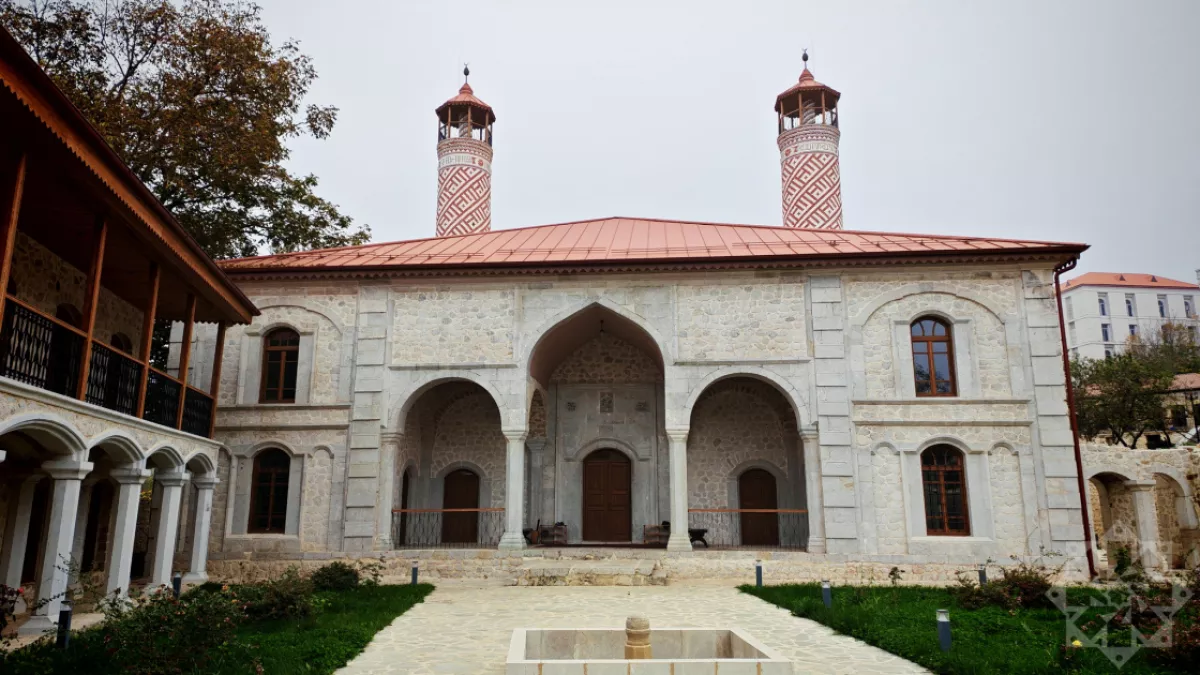
In general, the deep respect shown by Heydar Aliyev and Ilham Aliyev towards mosques is well known. The National Leader, while referring to instances in history when mosques were destroyed, stressed that no force could ever “destroy the spiritual values of Islam.” In turn, on November 8, 2020, in his address to the nation marking the liberation of Azerbaijan’s pearl, the city of Shusha, from occupation, President Ilham Aliyev declared that all destroyed and desecrated historical monuments and mosques would be restored and that “a call to prayer will be heard in Shusha again after 28 years.”
Just three days later, the adhan echoed through the ancient Azerbaijani city once more, performed for the first time by a soldier of the valiant Azerbaijani Army. Today, the restoration of religious sites on the liberated territories continues, with their historical appearance being carefully preserved, while new mosques are also being constructed.
In his address to the participants of the 20th Session of the Conference of the Parliamentary Union of the Member States of the Organisation of Islamic Cooperation, the President of Azerbaijan delivered an important message to all concerned parties, emphasising that the “crimes committed against the Islamic cultural heritage on our lands are undoubtedly a clear manifestation of Islamophobia.” He highlighted this issue against the backdrop of the growing spread of anti-Muslim hatred worldwide and acts of desecration targeting Islamic values, including the burning of copies of the Quran and the publication of caricatures of the Prophet Muhammad—actions which, he stressed, cannot be justified under the guise of freedom of expression and are entirely unacceptable.
At the same time, Ilham Aliyev underscored that Islamophobia is not merely a manifestation of intolerance towards Muslims, but a dangerous trend that threatens mutual understanding and peaceful coexistence. “It is regrettable that certain political circles in the West, as well as international institutions such as the European Parliament and the Parliamentary Assembly of the Council of Europe, promote anti-Islamic sentiments, attempt to equate Islam with extremism and terrorism, create biased perceptions of our religion, and portray it as a source of threat,” the Azerbaijani leader stated.
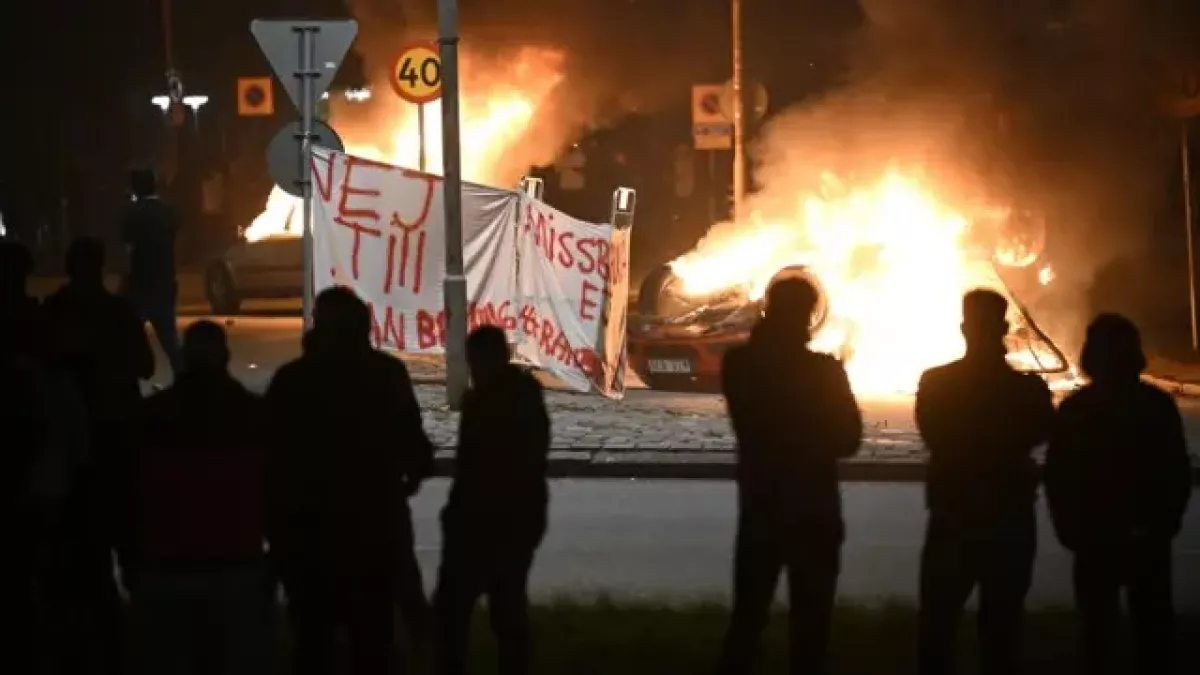
In this regard, it is entirely appropriate to recall that, in his address to the participants of the international conference “Islamophobia in Focus: Unveiling Bias, Shattering Stigmas”, held in Baku a year ago, the head of state noted that Islamophobia manifests itself in various forms, including racism and discrimination against Muslims in everyday life, hate speech, physical attacks, institutional discrimination, and other practices. To combat these phenomena, he emphasised the need for a united front and a collective expression of protest against such injustice.
Developing this idea further, in his address yesterday President Ilham Aliyev reaffirmed the determination of the Parliamentary Union of the OIC Member States to take joint steps in addressing common challenges in order to advance the development of the organisation’s member countries. In this context, the theme of the current session acquires particular significance: “Promoting Sustainable and Inclusive Economic Development in OIC Member States through Parliamentary Cooperation.”
From this perspective, the head of state highlighted Azerbaijan’s initiatives aimed at promoting the Islamic principles of solidarity and mutual respect through the regular hosting of OIC events and activities of its affiliated institutions. For example, in 2011, Baku hosted the founding congress of the OIC Young Entrepreneurs Network, organised jointly by the Heydar Aliyev Foundation, the Islamic Conference Youth Forum for Dialogue and Cooperation, and the Government of Azerbaijan. Numerous other significant initiatives followed.
Among the most recent examples was the successful hosting, just a few days ago, of the 2026 Annual Meetings of the Islamic Development Bank Group. At the same time, Azerbaijan is scheduled to host the 16th Session of the Islamic Summit Conference in 2027, during which the country is expected to assume the chairmanship of the OIC.
In this context, it is worth recalling that as early as 2023, President Ilham Aliyev described the UN Security Council as a structure that no longer reflects contemporary realities and called for a fair expansion of the body. Among his proposals was the allocation of a permanent seat to the OIC on a rotating basis, accompanied by veto powers, as a means of ensuring broader and more equitable representation within the Security Council.
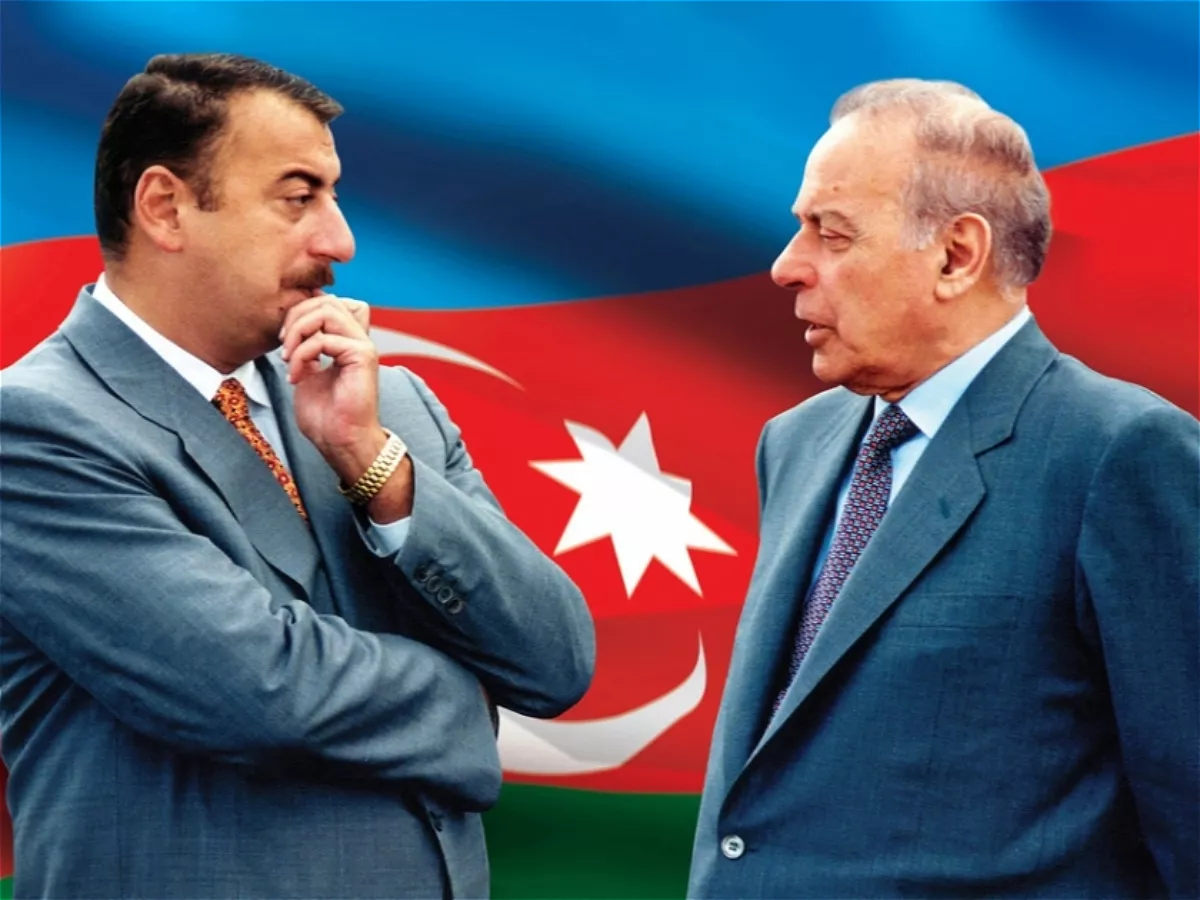
Overall, the above clearly demonstrates the vital role that political continuity plays in Azerbaijan’s continued development, including in the religious sphere. In 1998, the National Leader emphasised that, alongside their pride in their history and national-spiritual values, the Azerbaijani people are also proud of their belonging “to the Islamic faith and Islamic culture.”
Nearly three decades later, President Ilham Aliyev reaffirmed that Azerbaijan has always attached great importance to safeguarding Islamic values, which constitute an inseparable part of the nation’s spiritual and cultural heritage and serve as a source of moral guidance and inspiration for billions of people around the world.
Thus, Azerbaijan continues to position itself at the forefront of efforts aimed at strengthening solidarity within the Islamic world and contributing to its further development and advancement.







 editor@caliber.az
 +994 55 444-88-98
 Азербайджан, Баку, ул. Низами, 203, Af Business House, 5-й этаж