










Lublin: Poland's most underrated city PART II
The first part of the article is here.
The following morning, Warsaw awoke beneath heavy rain. Dark clouds hung low over the skyline, and raindrops drummed steadily against the windows of our hotel as we enjoyed breakfast. Yet there was something fitting about the weather. Poland's history is one of storms—literal and metaphorical—and our destination that day was a city whose past reflects many of the defining chapters of the country's story.
Leaving the hotel, we headed toward Warsaw Central Railway Station, one of the busiest transport hubs in Poland. Towering nearby stood the unmistakable Palace of Culture and Science, the city's most controversial landmark.
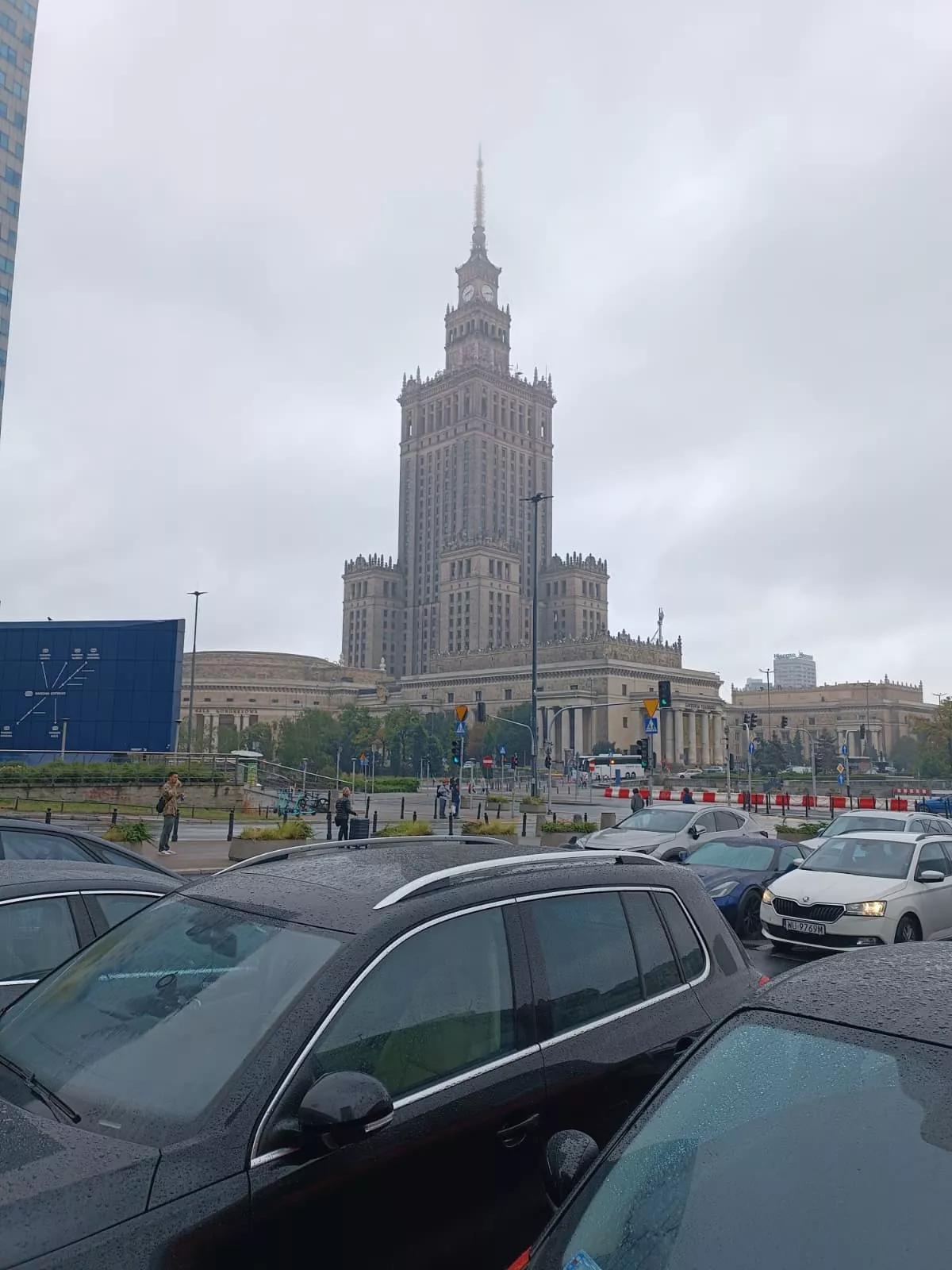
Presented as a "gift" from the Soviet Union to the Polish people in 1955, the colossal skyscraper remains a reminder of Poland's communist era. Designed in the Socialist Realist style and inspired by Moscow's famous "Seven Sisters," it dominates Warsaw's skyline even today. For some Poles, it symbolises decades of Soviet domination; for others, it has become an inseparable part of the city's identity. Whatever one's view, the building embodies Poland's complicated relationship with its twentieth-century history.
By the time we entered the station, the rain had begun to ease. Soon our high-speed train glided smoothly out of Warsaw, carrying us southeast toward Lublin—a city that, despite its extraordinary history, remains one of Poland's most underrated destinations.
A journey through the Polish countryside
As the train accelerated across the countryside, the weather transformed almost imperceptibly. The rain gave way to pale sunlight filtering through scattered clouds. Shafts of light swept across endless green fields like giant brushes painting the landscape anew. Outside the window unfolded a Poland I had never imagined.
Neatly cultivated farmland stretched to the horizon. Forests gave way to golden meadows, while small villages appeared every few kilometres, their tidy homes surrounded by well-kept gardens filled with flowers and greenery. Church steeples rose gently above clusters of red roofs, and narrow country roads disappeared into avenues lined with tall trees.
What struck me most was the remarkable sense of order. Every house appeared maintained. There were no abandoned buildings, no unfinished construction sites, no signs of neglect. Everything seemed quietly cared for.
The scenery reminded me far less of the stereotypes I had once associated with post-communist countries and much more of Germany, Belgium, or the Netherlands. The landscape reflected prosperity not through extravagance but through attention, discipline and respect for one's surroundings.
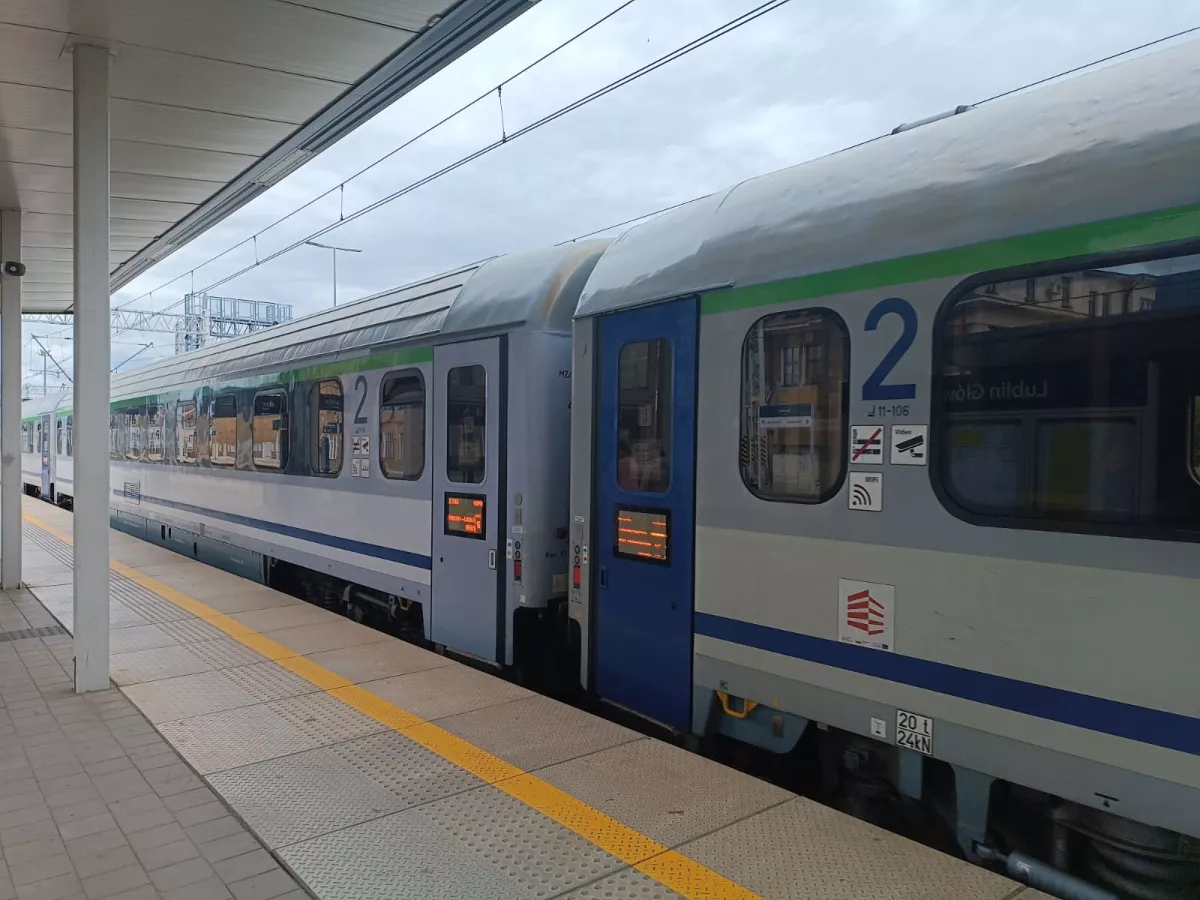
Our train itself mirrored that same philosophy. Comfortable, punctual and clean, it made the two-hour journey pass almost unnoticed as we watched rural Poland unfold beyond the windows.
Where East meets West
Upon arriving at Lublin Główny railway station, we were welcomed by our local guide, Martin Dalebout. Originally from the Netherlands, Martin had made Poland his home after marrying a Polish woman. His passion for Lublin was immediately apparent. Before we had even left the station, he began introducing us to the city—not merely through facts and dates but through stories.
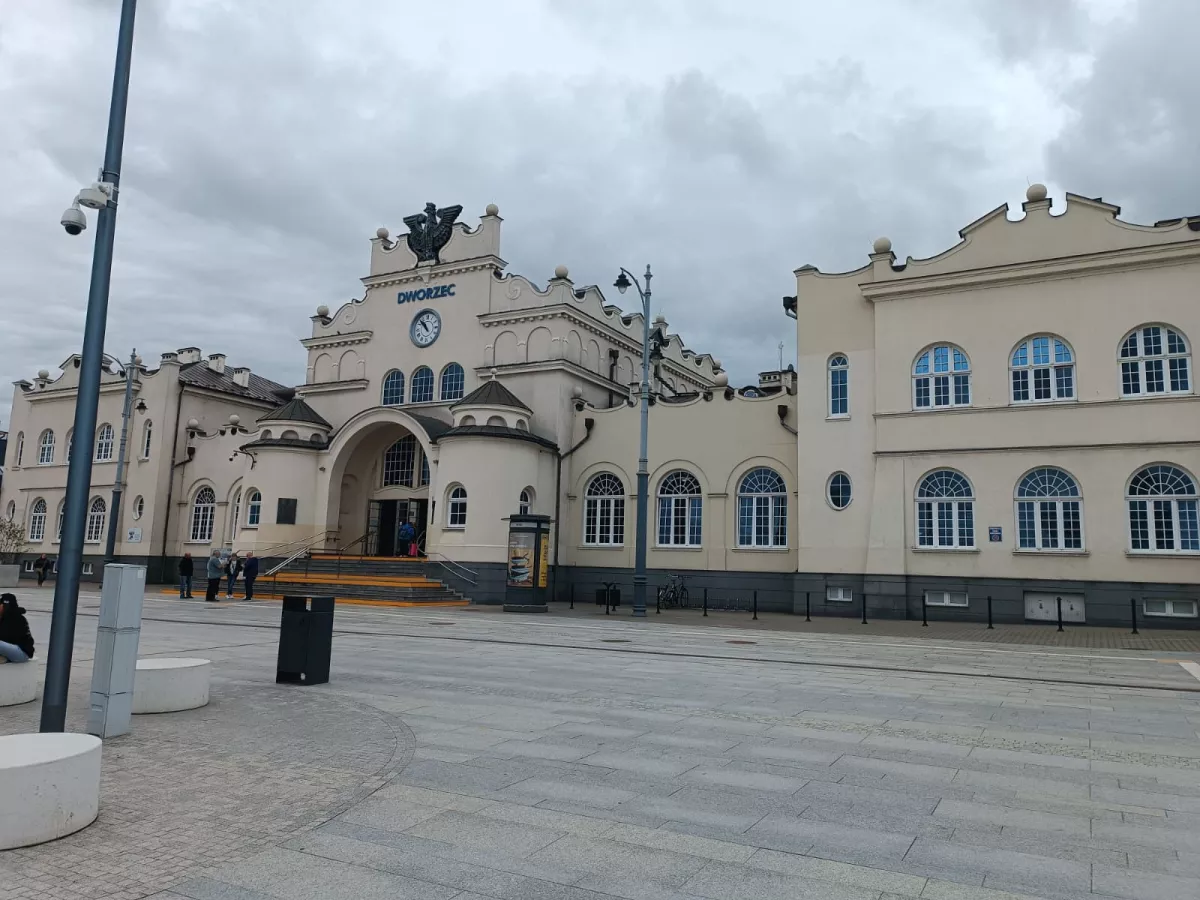
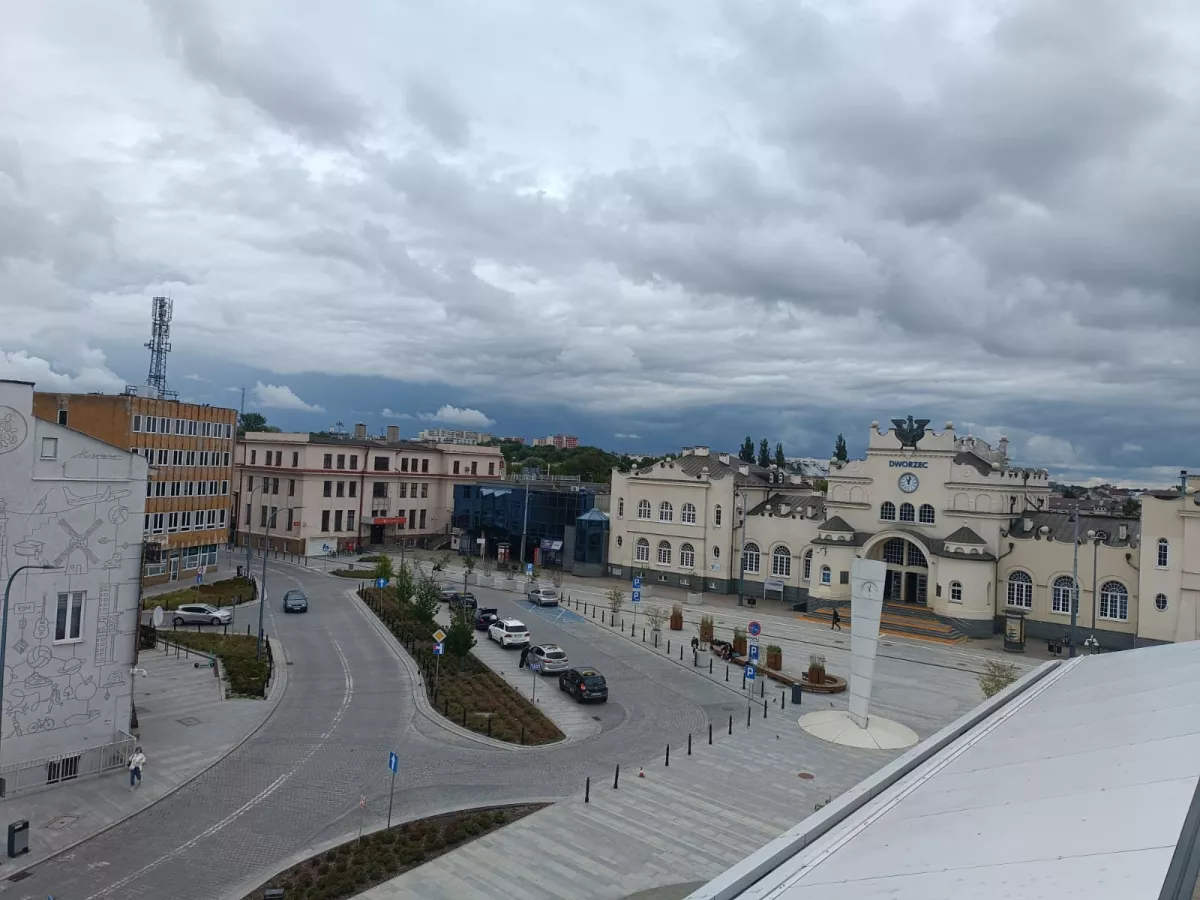
Founded more than seven centuries ago, Lublin occupies a unique place in Polish history. For centuries it stood at the crossroads of East and West, linking Latin and Orthodox civilisations, Christian and Jewish communities, merchants from the Baltic to the Black Sea. In 1569, it was here that the Union of Lublin was signed, creating the Polish-Lithuanian Commonwealth—one of Europe's largest and most influential states of the early modern era.
Today, Lublin is home to around 330,000 residents and several major universities, making it one of Poland's youngest cities demographically. Tens of thousands of students, including many from Ukraine and other countries, give the city an energetic, international atmosphere.
Martin also shared exciting news. Lublin had recently been selected as the European Capital of Culture 2029, an honour awarded by the European Union to cities demonstrating outstanding cultural vitality. Preparations were already underway, with restoration projects, infrastructure improvements and new cultural initiatives reshaping many parts of the city. As someone visiting for the first time, I felt the city was already preparing for a new chapter.
Ironically, my first impression of Lublin itself was less overwhelming than Warsaw. Directly opposite the railway station stood the recently completed Metropolitan Bus Station, an elegant structure of steel and glass whose flowing modern design immediately caught the eye.
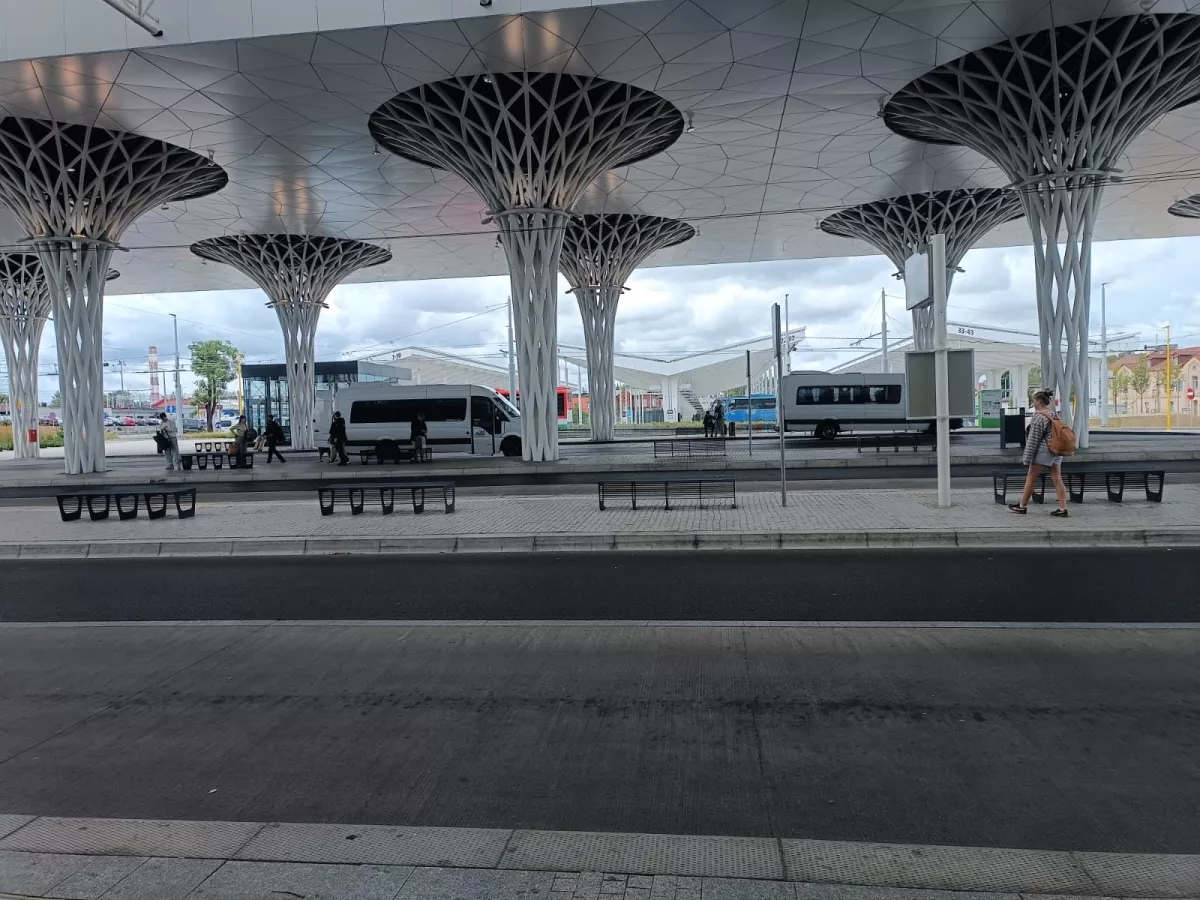
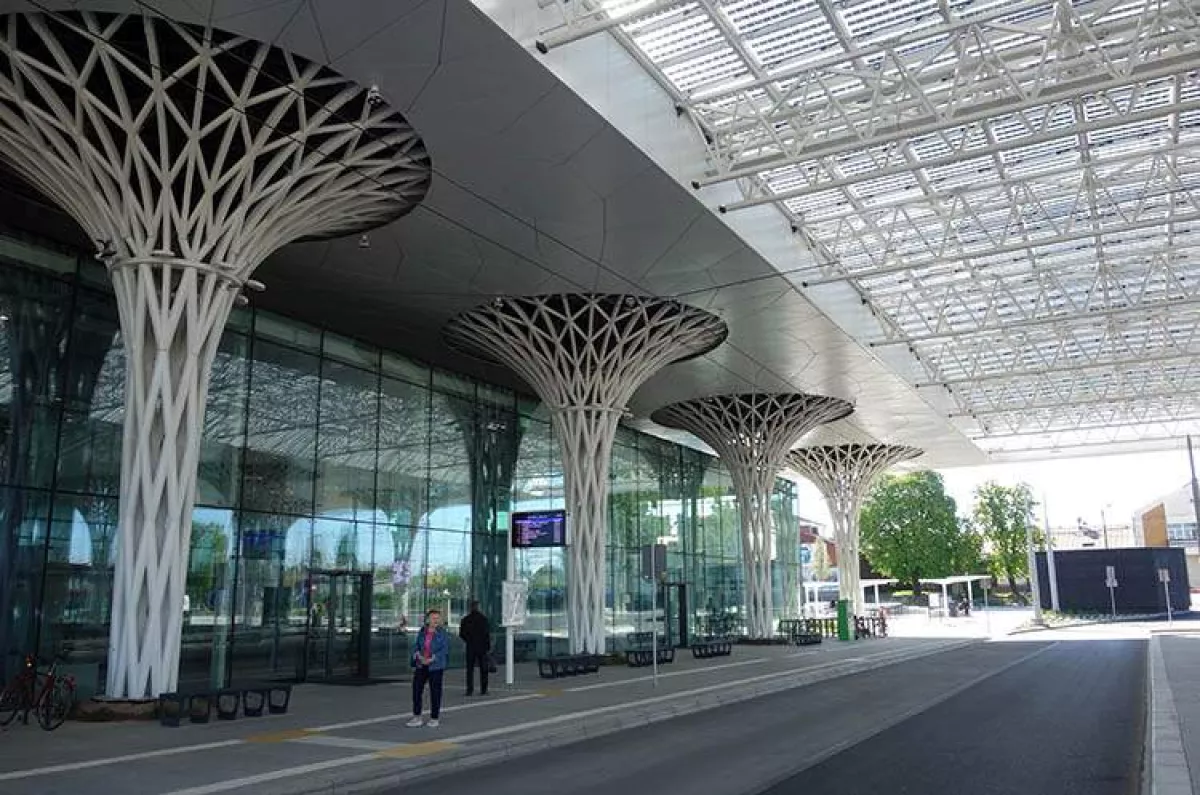
Yet beyond it stretched an older industrial district. Factories, warehouses and practical post-war buildings reflected the area's working-class heritage. The contrast between the futuristic transport hub and its surroundings was striking. Fortunately, this was only the city's introduction—not its essence. After a short bus ride, we stepped into another world entirely.
Through the Kraków Gate
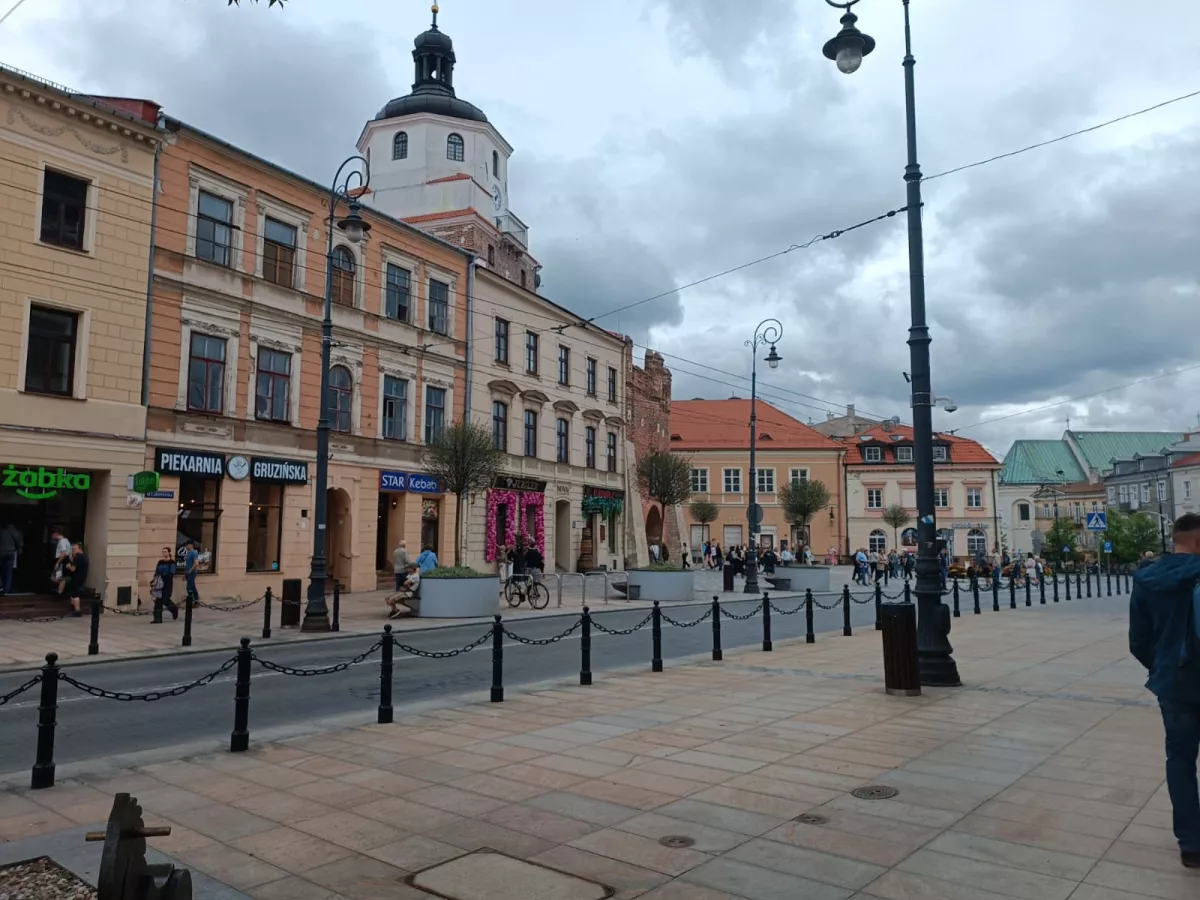
The entrance to Lublin's Old Town begins beneath the Gothic Kraków Gate, a magnificent red-brick tower that has guarded the city since the fourteenth century. Passing beneath its ancient archway felt like crossing not merely into another district but into another century.
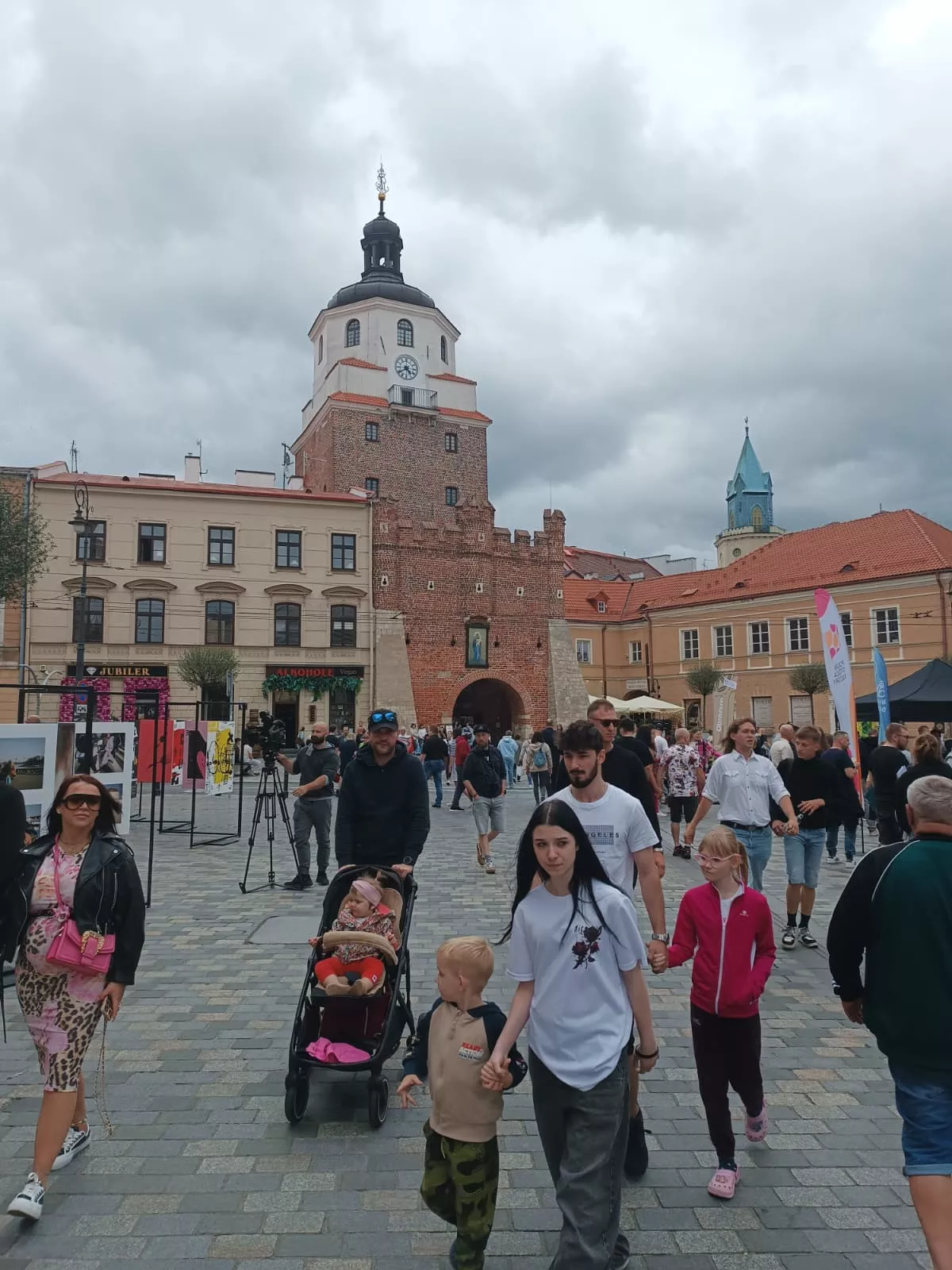
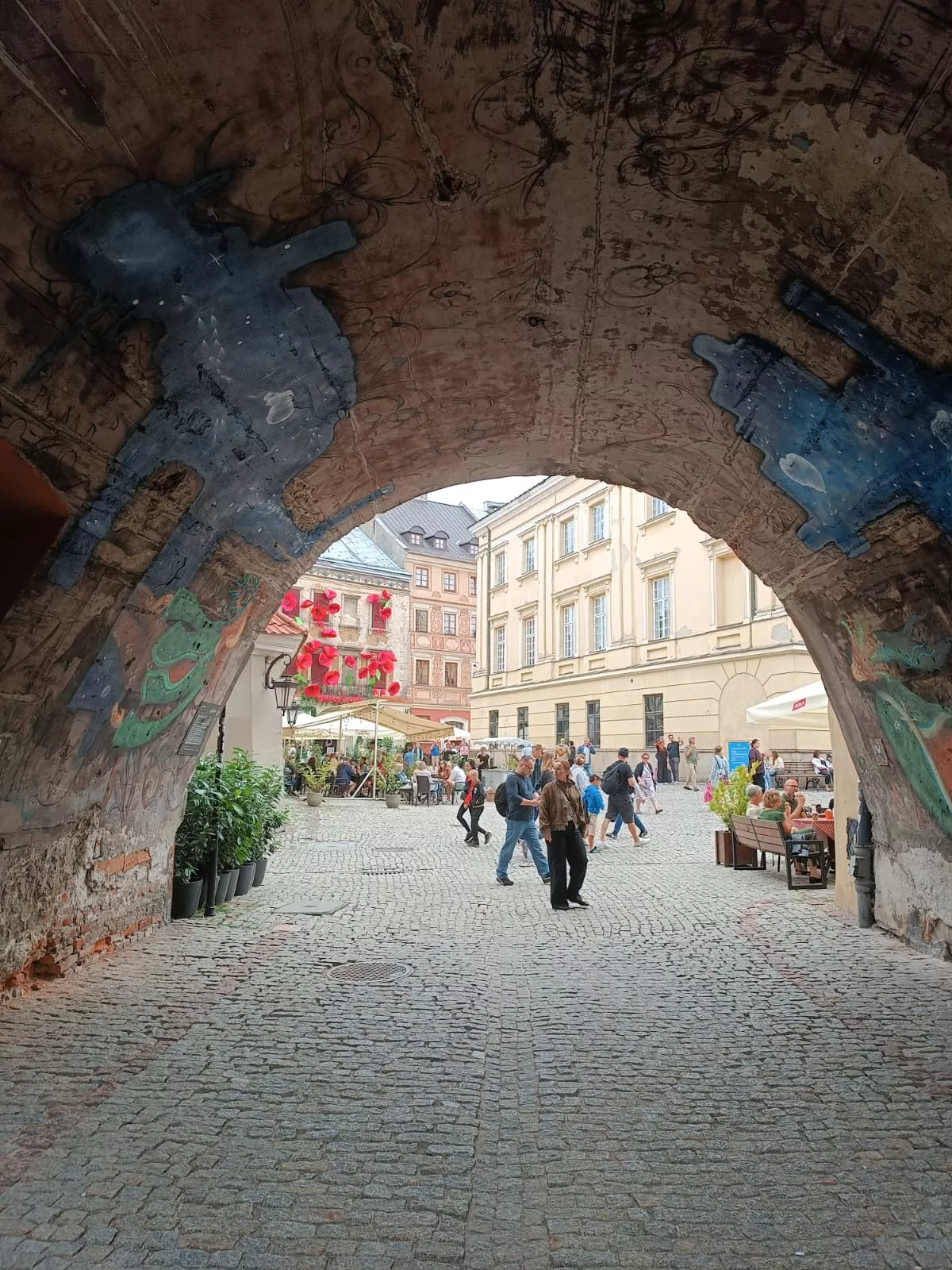
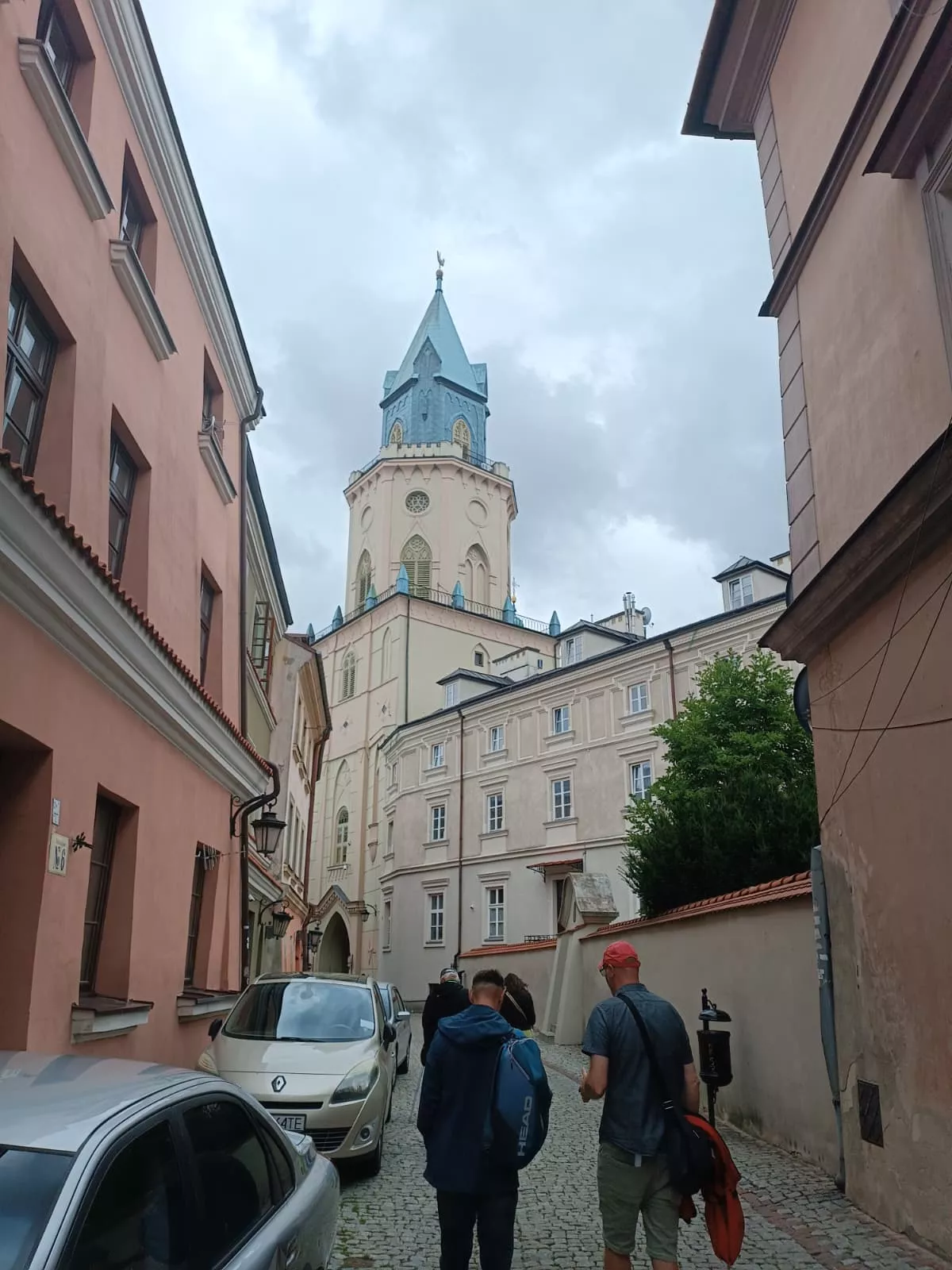
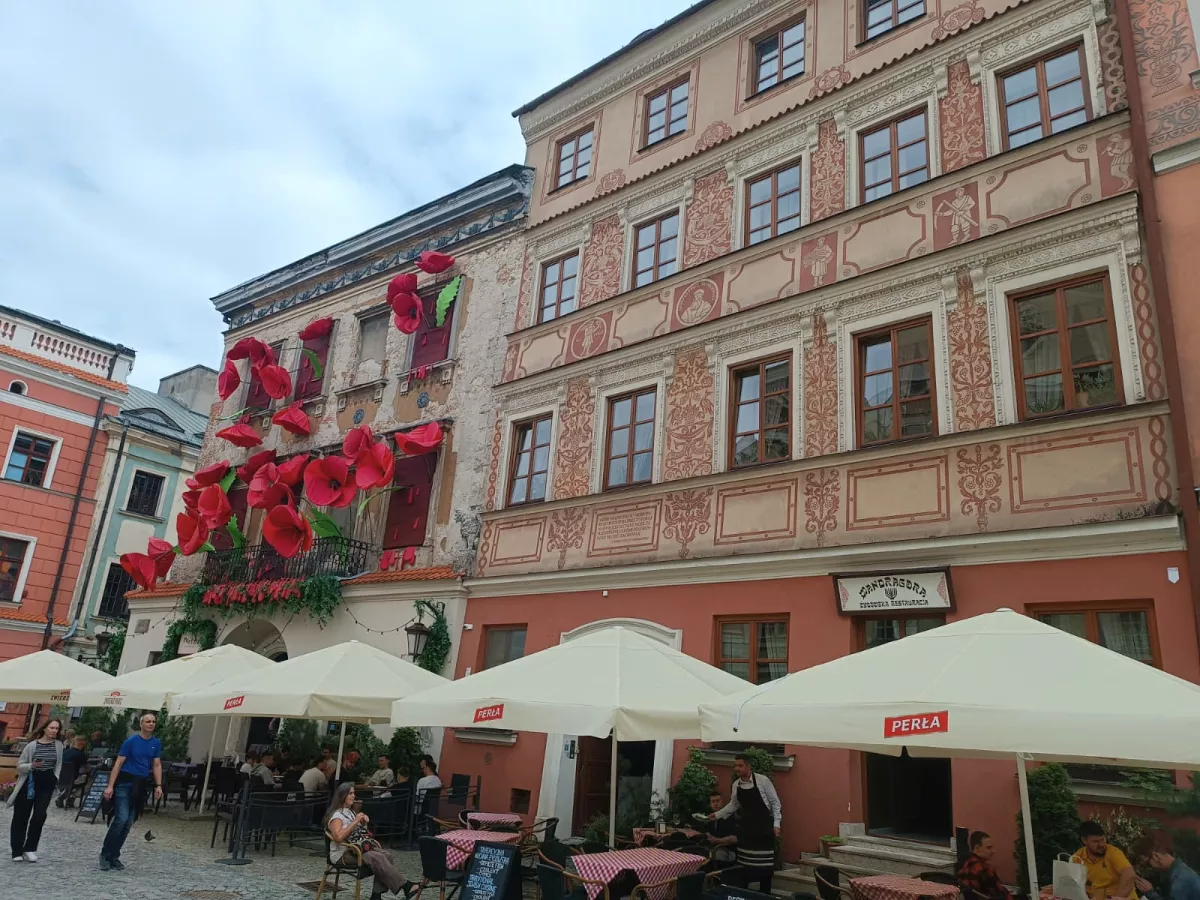
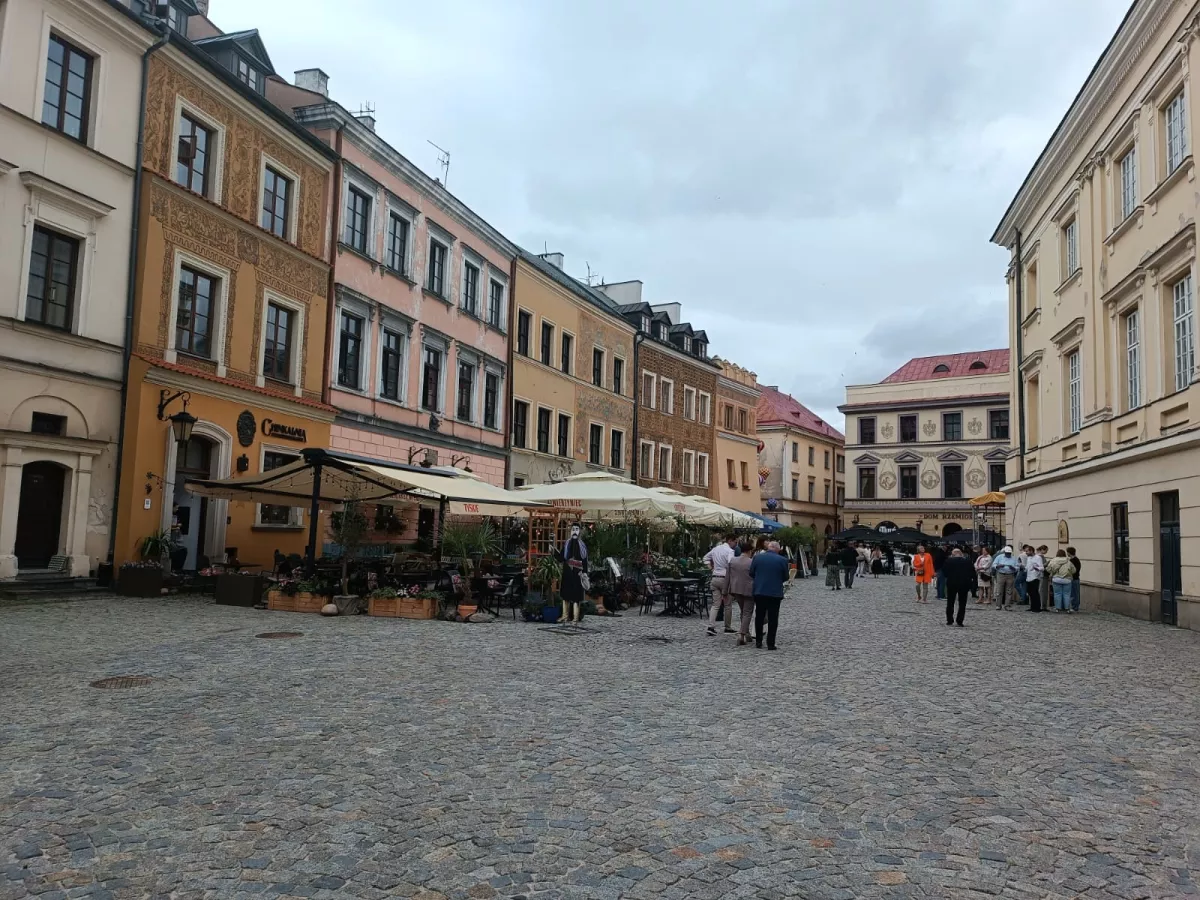
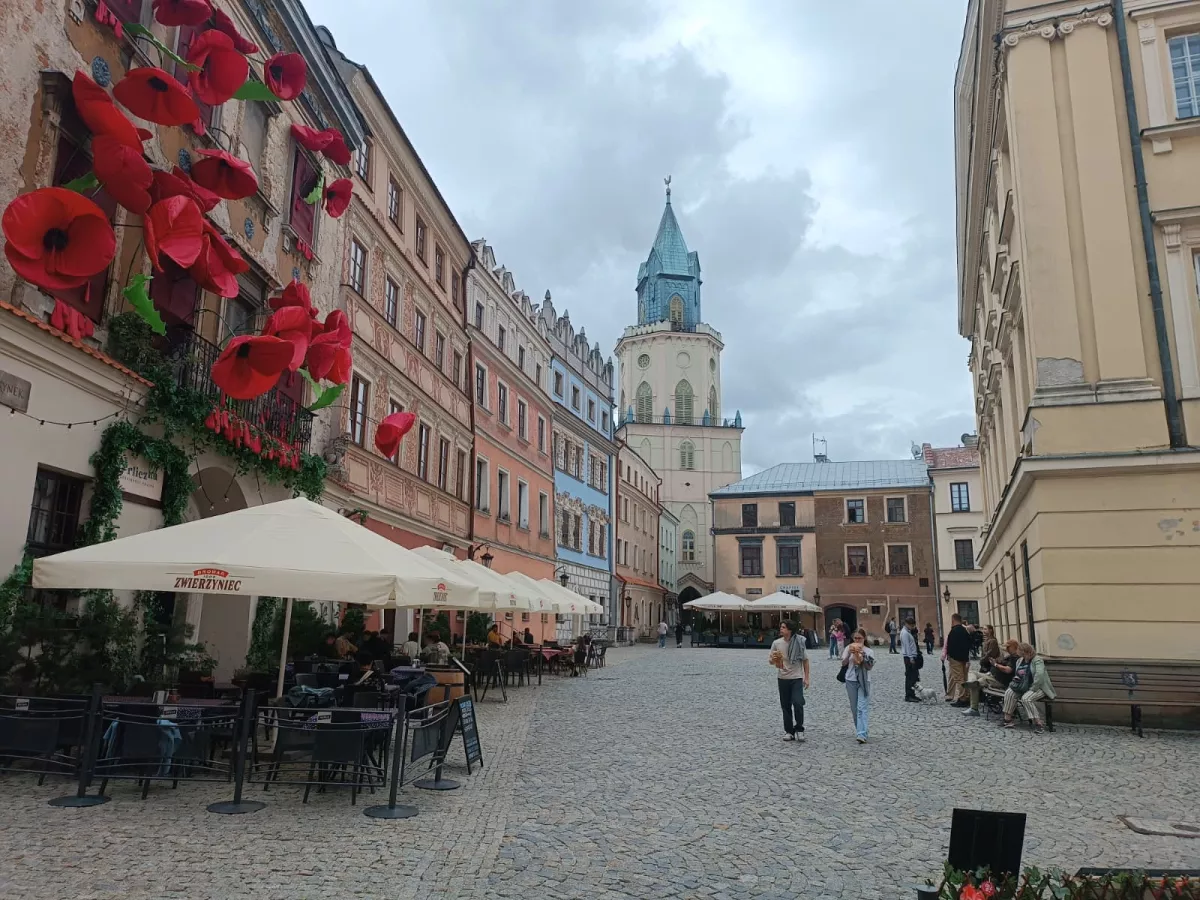
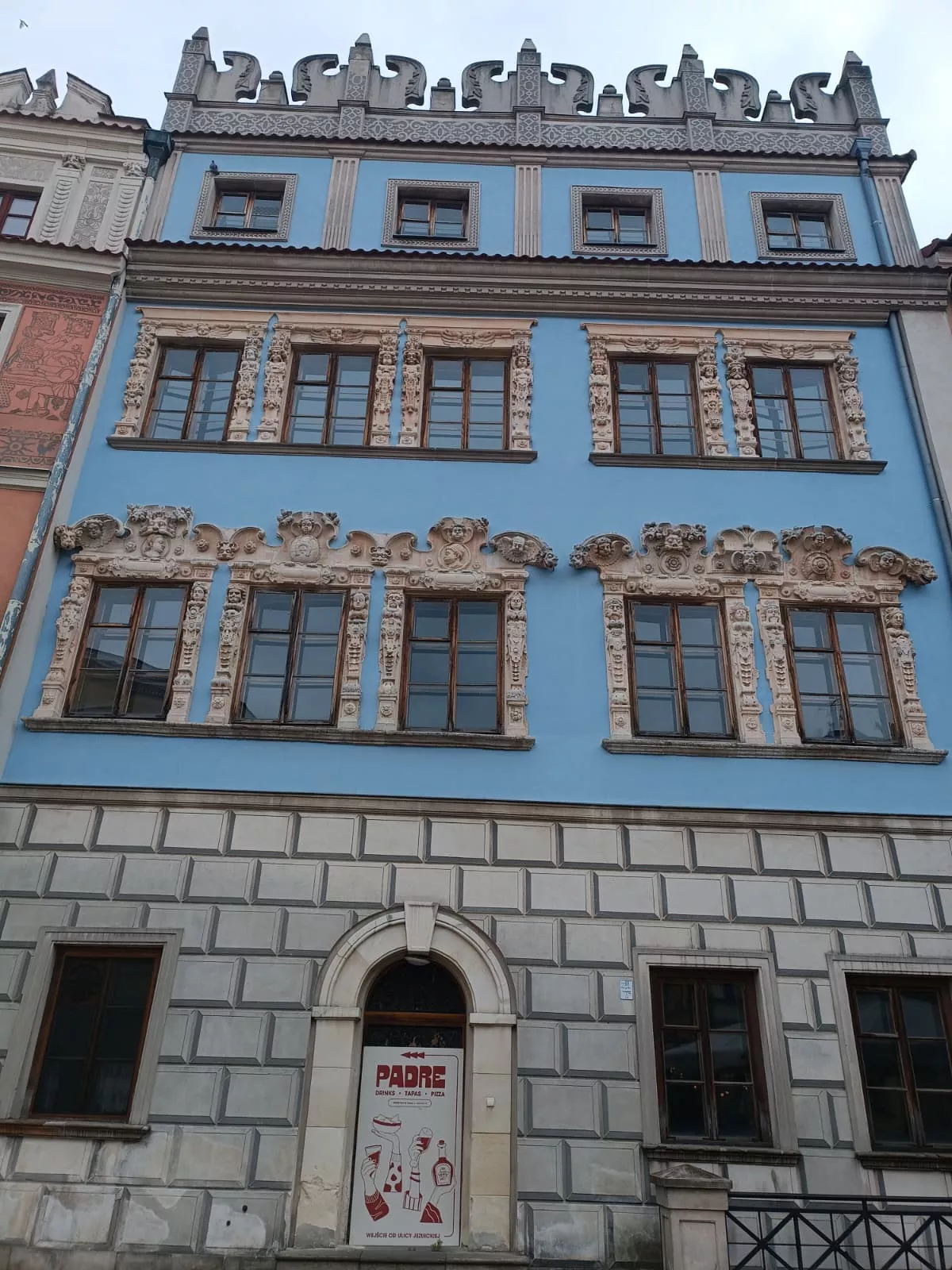
Cobblestone streets wound gently uphill between beautifully restored Renaissance townhouses. Ornate facades glowed in shades of ochre, cream and pale green beneath a clearing sky. Flower boxes decorated windows, café terraces spilt into quiet squares, and the sounds of conversation and footsteps filled the narrow streets. There were tourists. But not enough.
Standing there, I found myself wondering why Lublin remains absent from so many European travel itineraries. Cities like Kraków, Prague, and Budapest have long enjoyed global recognition, yet Lublin quietly preserves treasures that are no less captivating. Perhaps its greatest charm lies precisely in this lack of crowds. The city does not compete for attention. It patiently waits to be discovered.
The legend of the goat
One delightful feature quickly caught my attention. Small bronze goat statues appeared unexpectedly throughout the Old Town. Martin explained that the goat has served as Lublin's symbol for centuries.
According to the story, when the Tatars raided the city, many inhabitants were taken captive, while their livestock was stolen or killed. Among the survivors was a single goat, whose milk helped feed the children who had survived the attack.
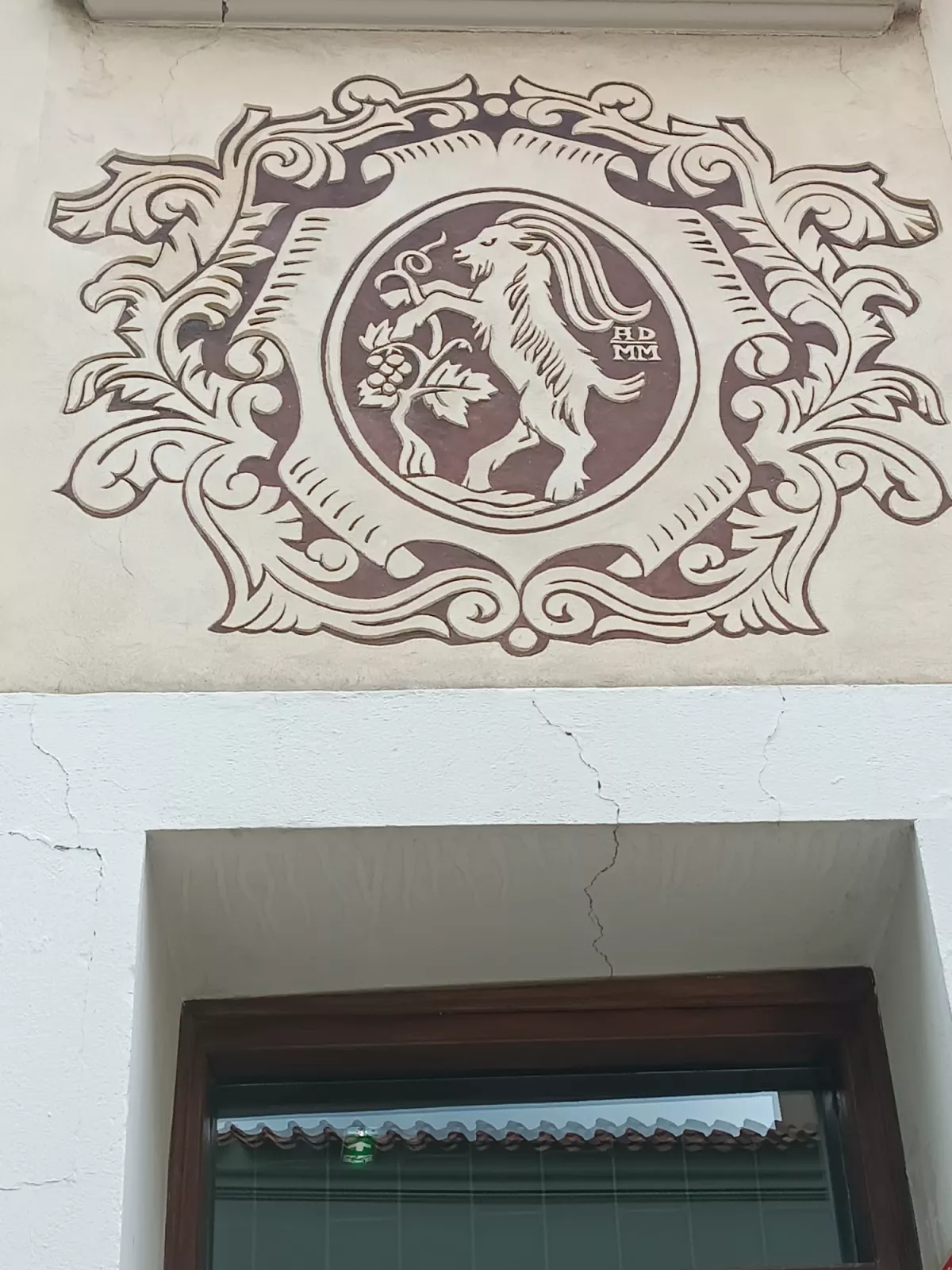
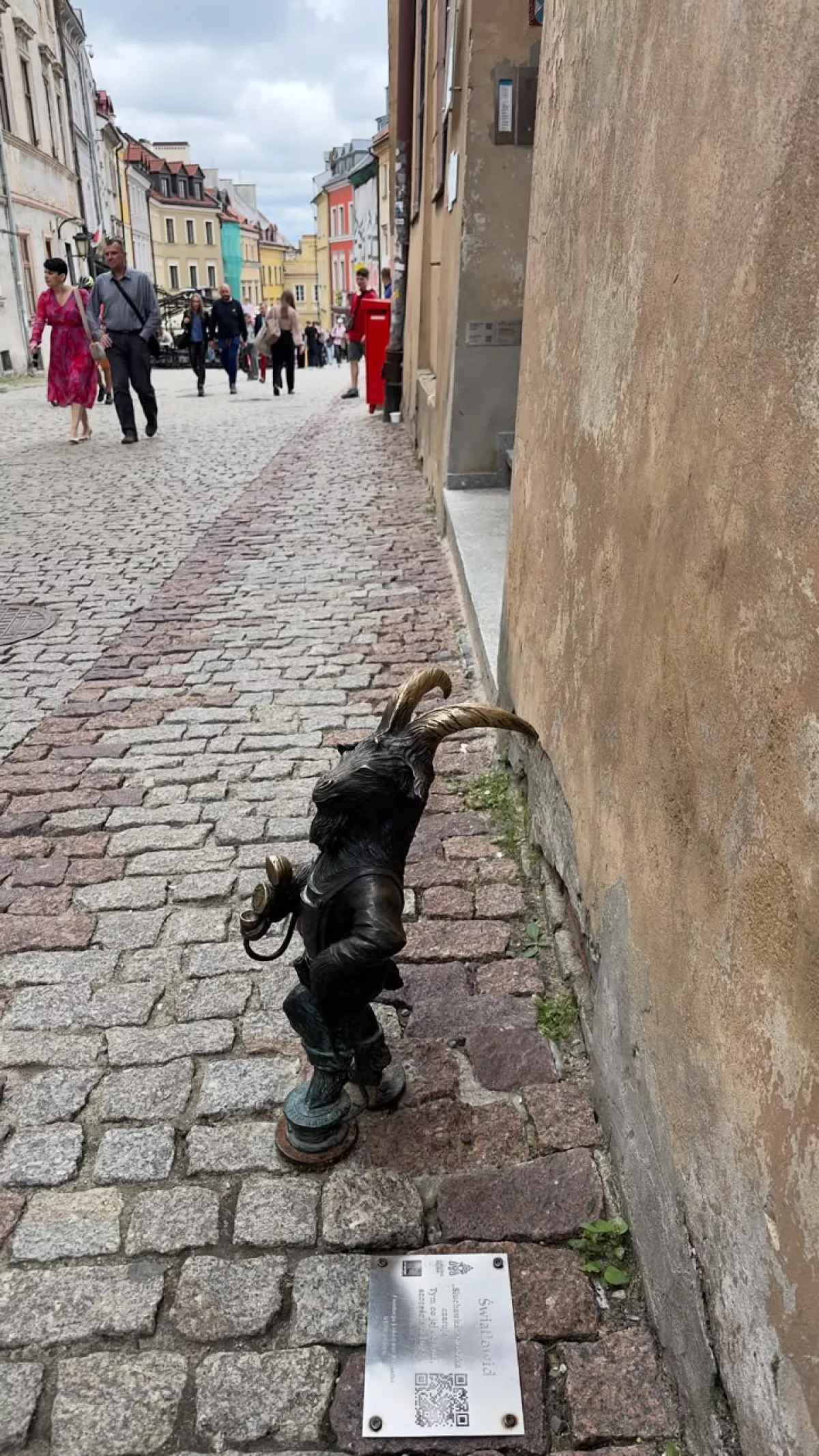
The story is said to have moved King Władysław Łokietek so deeply that he granted Lublin city rights and decided that the goat should be featured on the coat of arms of the newly recognised city. The image of the goat leaning against a vine has inspired various interpretations over the centuries, including a humorous tale that the artist responsible for the emblem, unhappy with the reward he received, deliberately painted a less-than-perfect goat in retaliation. Whatever the truth behind the legend, the goat has remained one of Lublin’s most beloved symbols.
Like Rome's legendary she-wolf nursing Romulus and Remus, Lublin's goat symbolises protection, survival and the origins of a city destined to endure centuries of triumph and tragedy.
The missing neighbours
No visit to Lublin can ignore its Jewish heritage. Before the Second World War, nearly one-third of the city's population was Jewish, making Lublin one of the most important centres of Jewish religious and intellectual life in Europe. It was often called the "Jewish Oxford" because of its renowned yeshivas and scholars. Today, that vibrant world exists largely in memory.
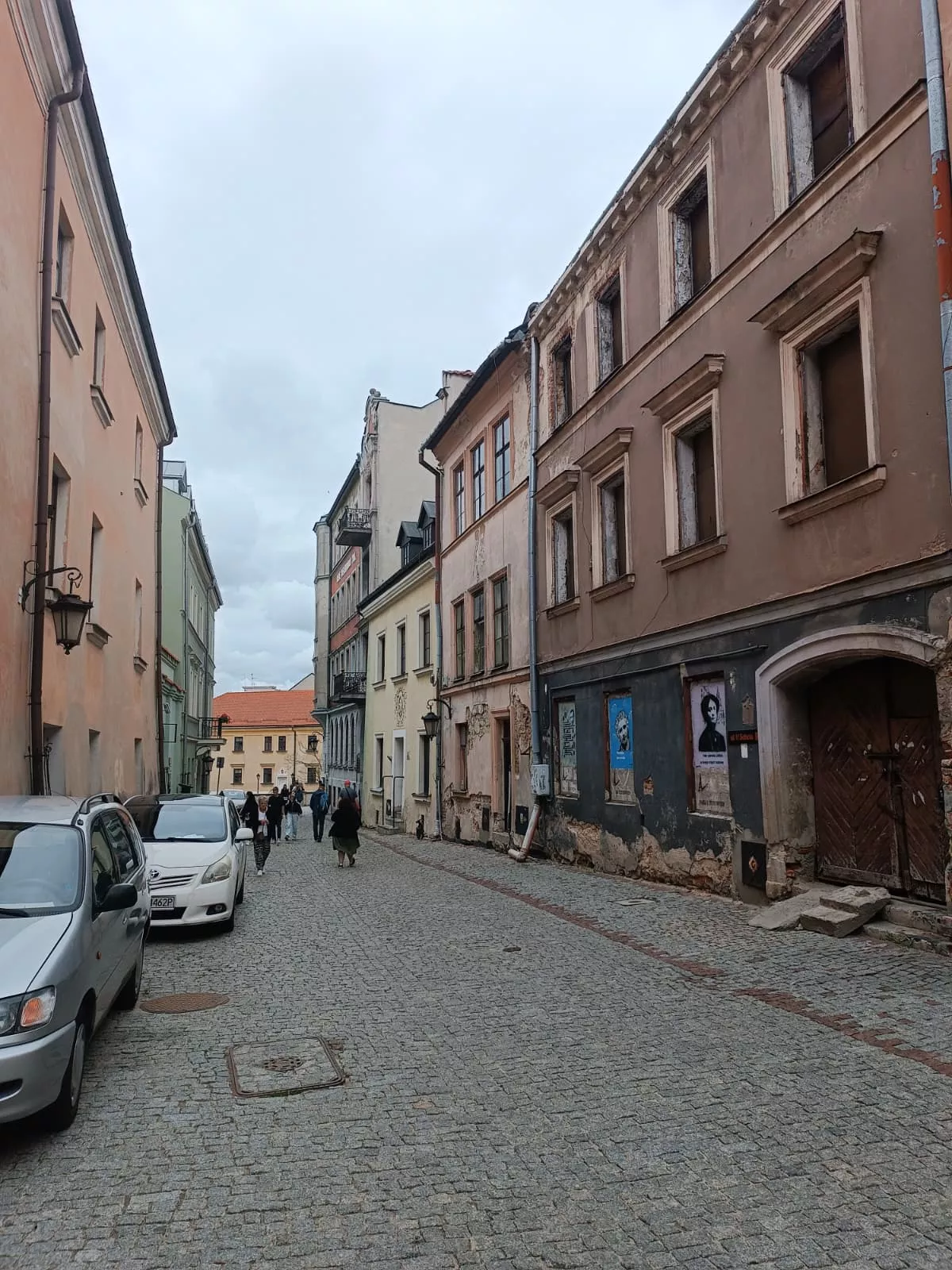
Walking through the Old Town, Martin pointed out buildings still waiting for restoration. Many of these properties belonged to Jewish families before the Holocaust. During the German occupation, they were confiscated, and after the war, the communist authorities nationalised vast numbers of private buildings. Following the fall of communism, questions of ownership became legally complex. In some cases, descendants of the original owners continue pursuing restitution or compensation, making comprehensive restoration difficult until ownership disputes are resolved.
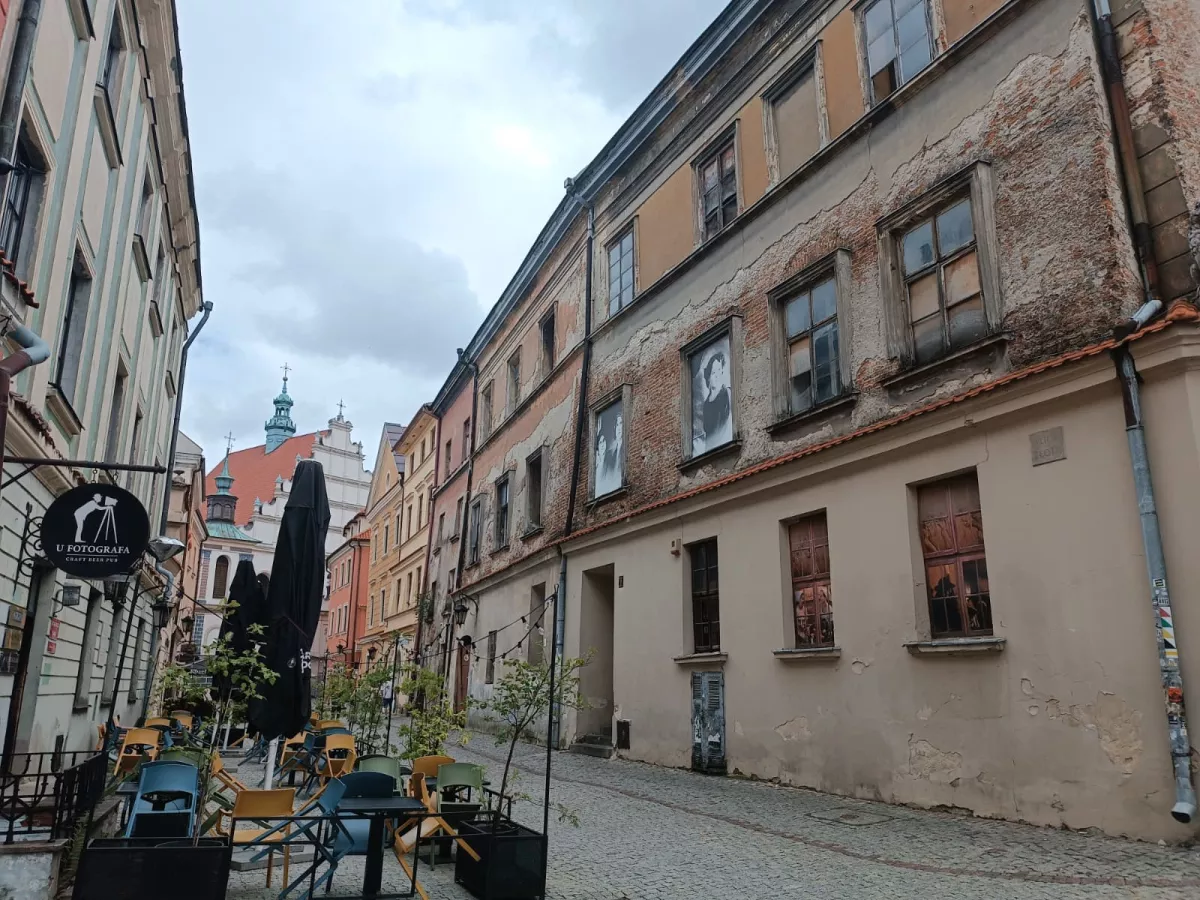
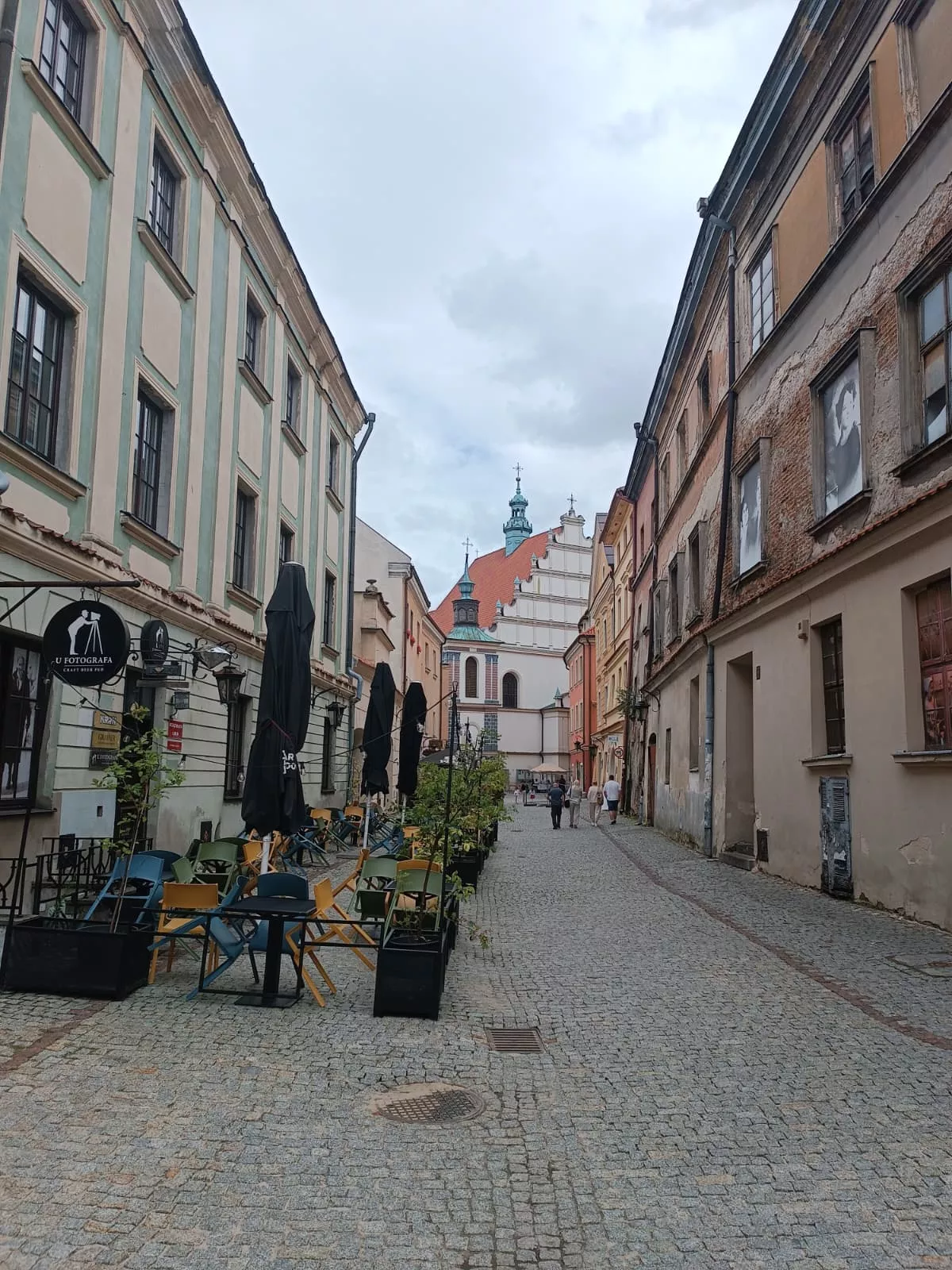
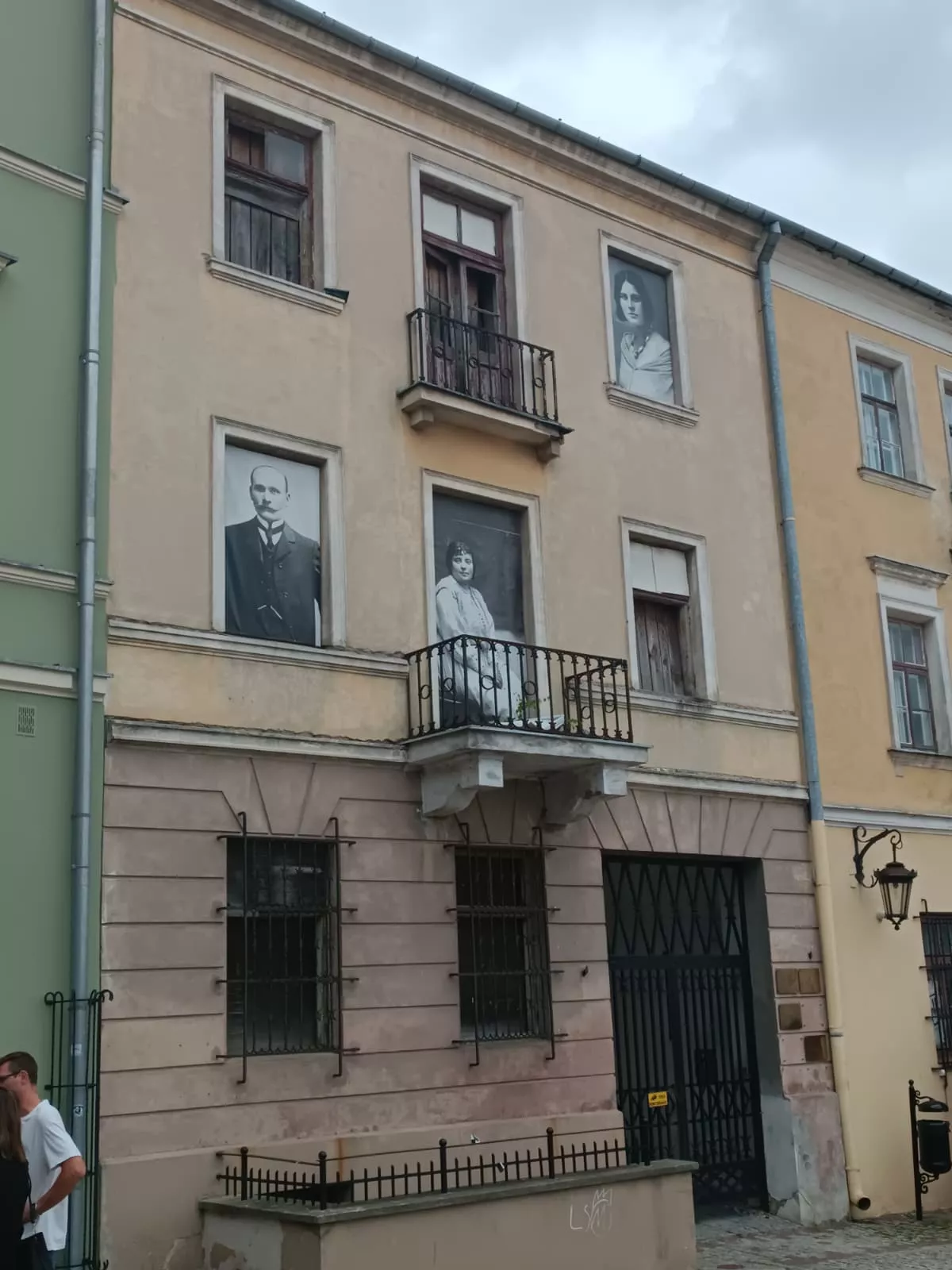
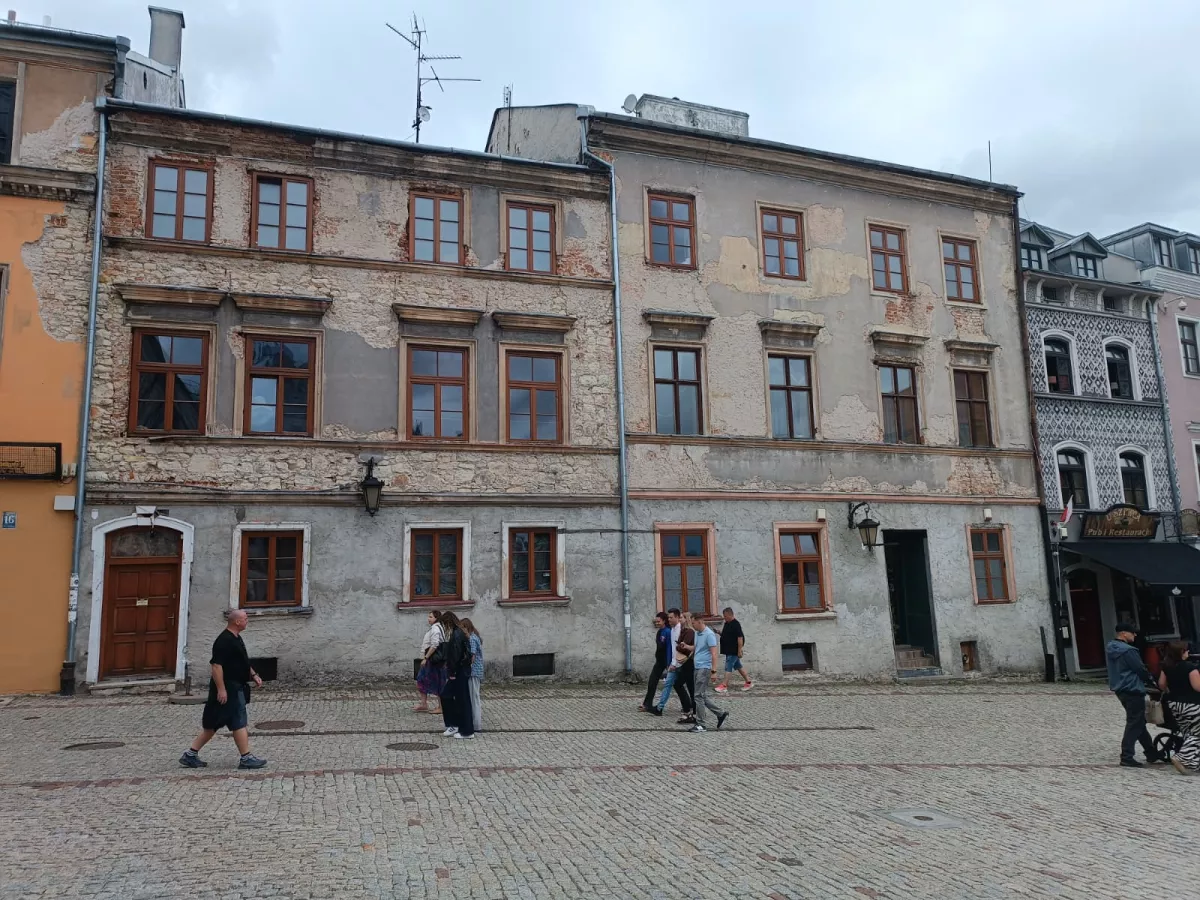
History, it seems, can leave legal scars as well as emotional ones. One particularly moving initiative illustrates the city's determination to preserve memory. Photographs of former Jewish residents are displayed in the windows of several historic buildings. These faces gaze quietly toward modern passers-by, inviting descendants from around the world to reconnect with homes from which their families were violently uprooted. They transform ordinary streets into places of remembrance.
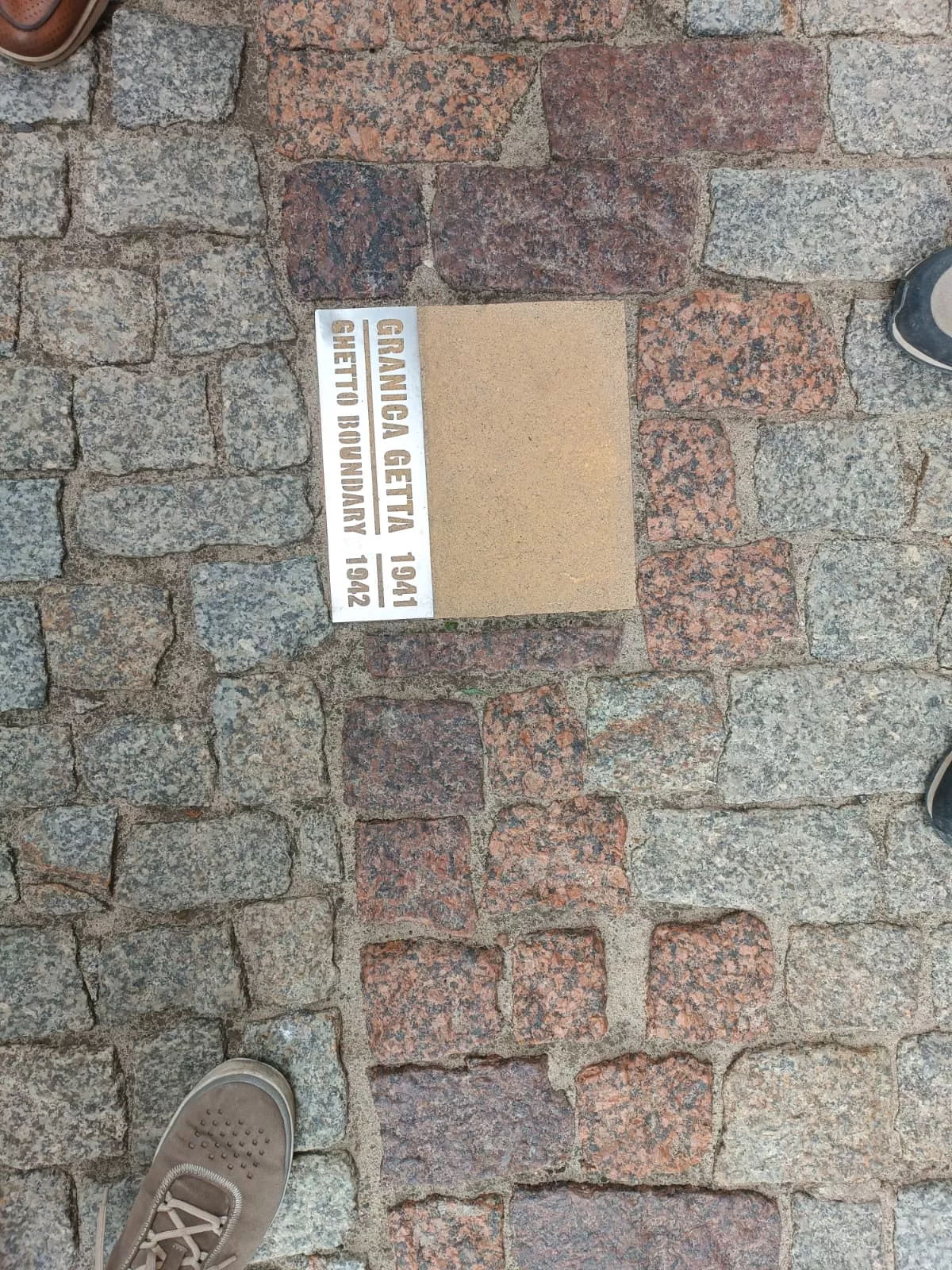
During the German occupation, Lublin's Jewish population was forced into a ghetto before being deported primarily to the Bełżec and Majdanek extermination camps. Majdanek, located on the outskirts of the city, became one of Nazi Germany's most notorious concentration and extermination camps.
Modern Poland has invested significant effort in preserving these sites—not to reopen old wounds but to ensure they are never forgotten. Museums, memorials and educational programmes across the country bear witness to one of Europe's darkest chapters.
Among the most atmospheric places in the Old Town is Po Farze Square. Only the foundations of St. Michael's Church remain.
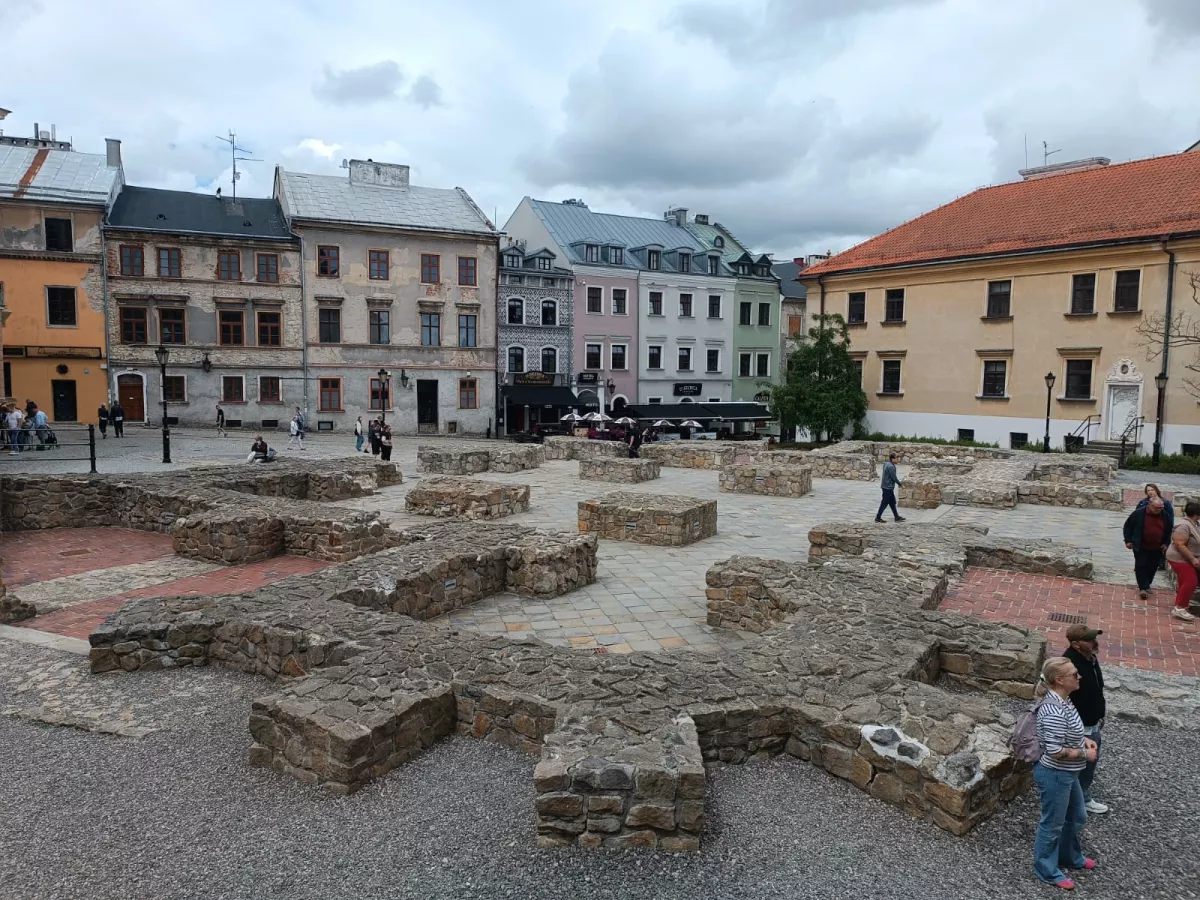
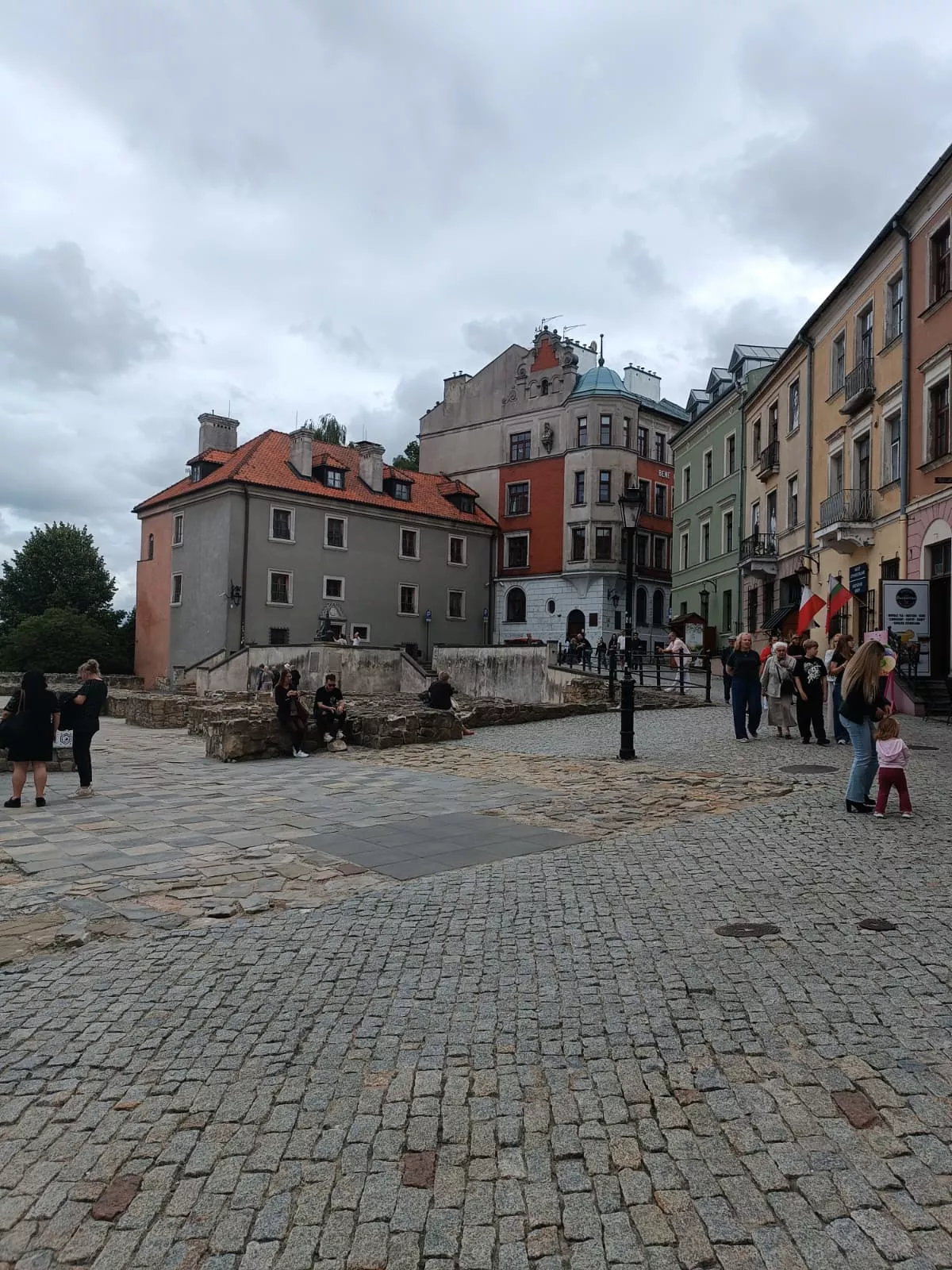
According to tradition, the church was founded in the thirteenth century after Prince Leszek the Black reportedly experienced a miraculous vision of St. Michael the Archangel. For centuries it dominated Lublin's skyline before deteriorating over time and eventually being dismantled in the nineteenth century because of structural instability.
Today, only its stone foundations outline the former sanctuary. Standing within those silent walls, visitors are invited to imagine rather than observe. Sometimes absence speaks more eloquently than preservation.
A city preparing for tomorrow
In the afternoon, we left the medieval streets and walked toward the Centre for the Meeting of Cultures. The contrast perfectly captured modern Lublin. Historic churches stood comfortably alongside contemporary cultural institutions. Wide green boulevards connected restored Renaissance architecture with innovative glass buildings. The city felt neither trapped by its past nor eager to erase it. Instead, history and modernity seemed engaged in a quiet conversation.
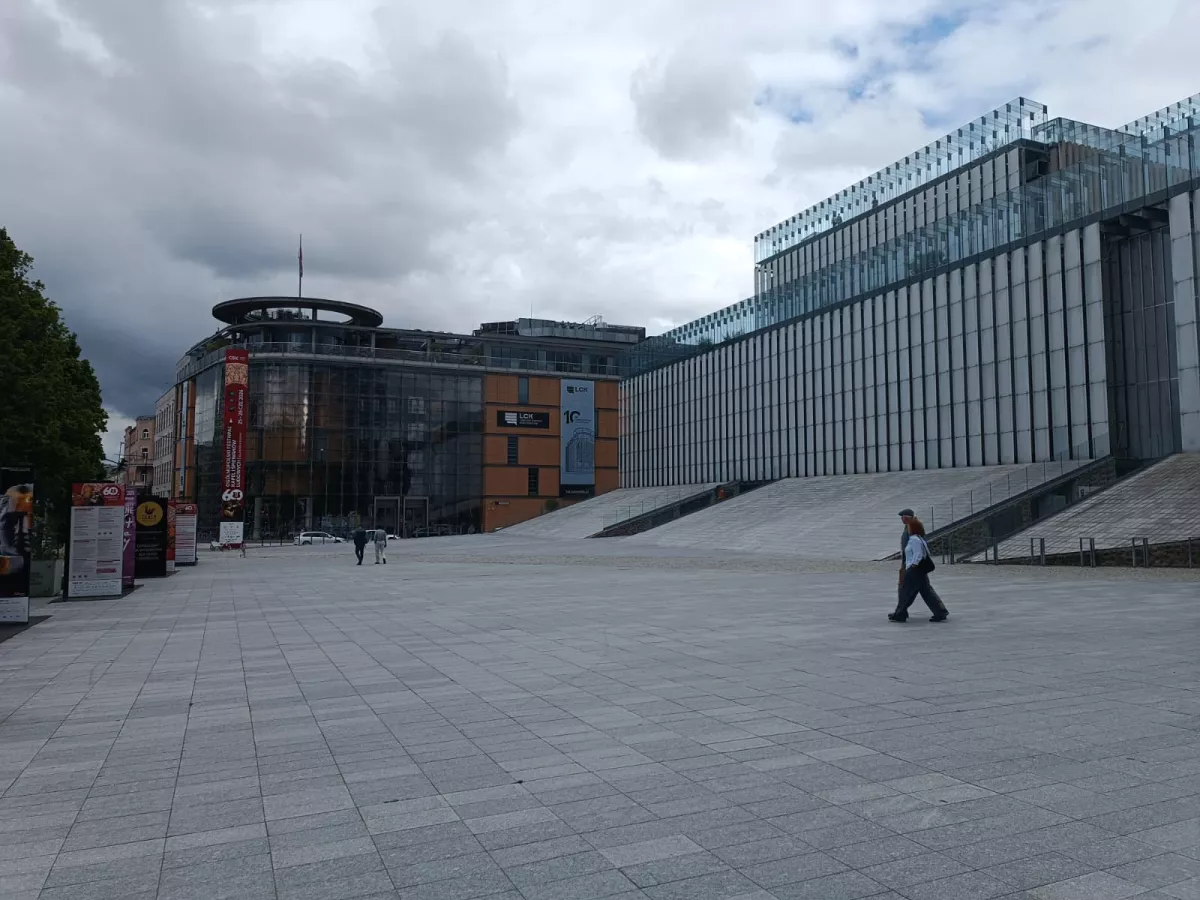
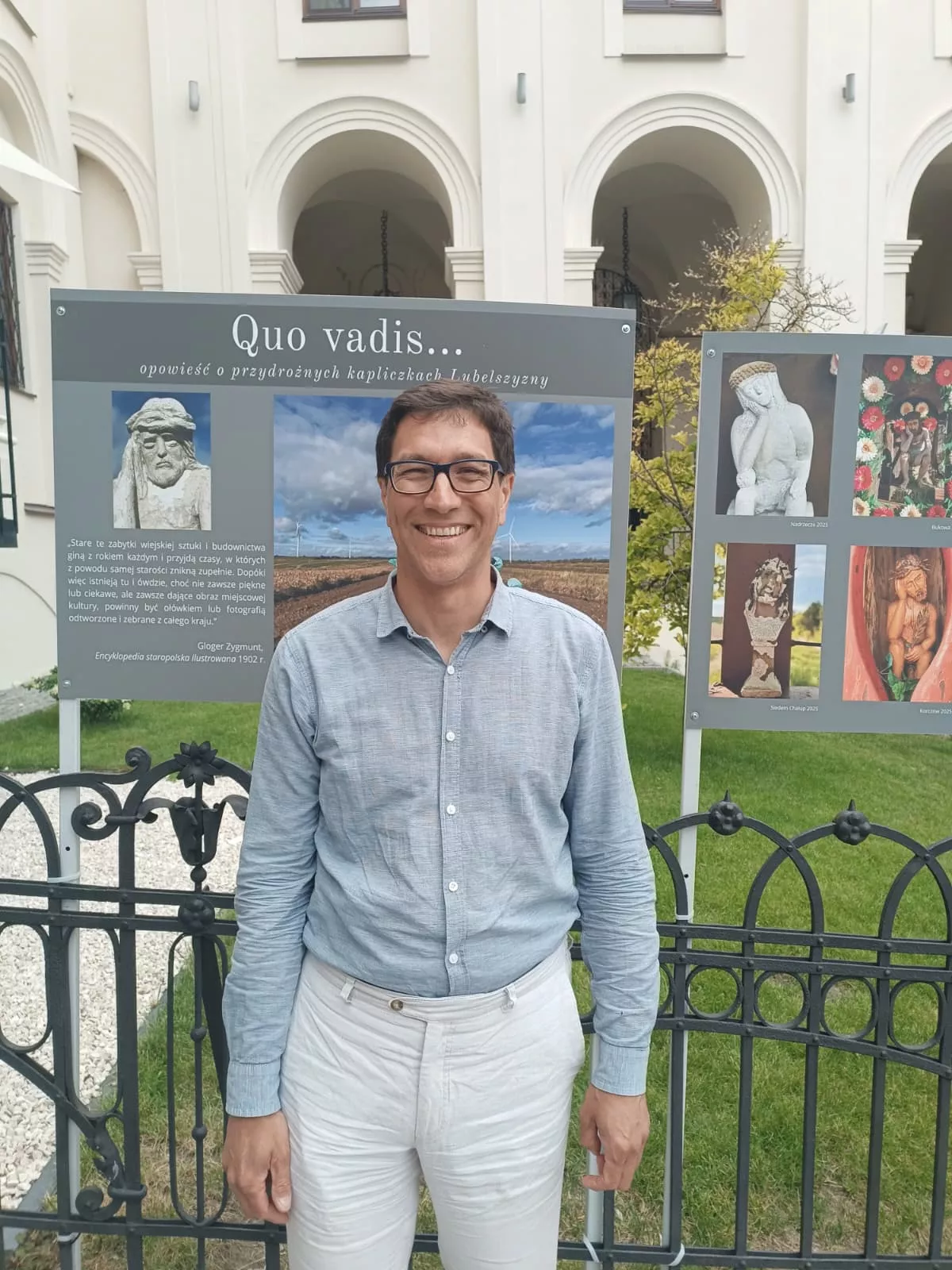
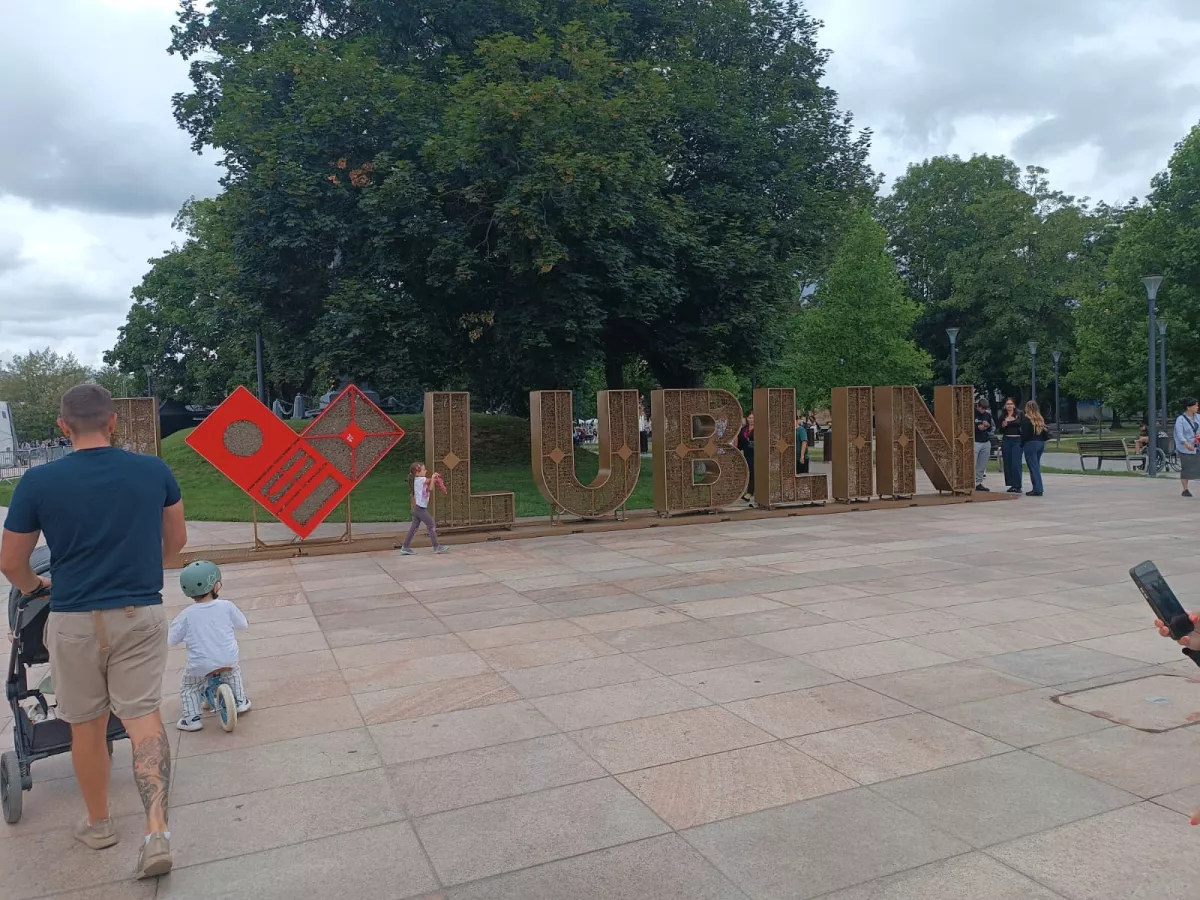
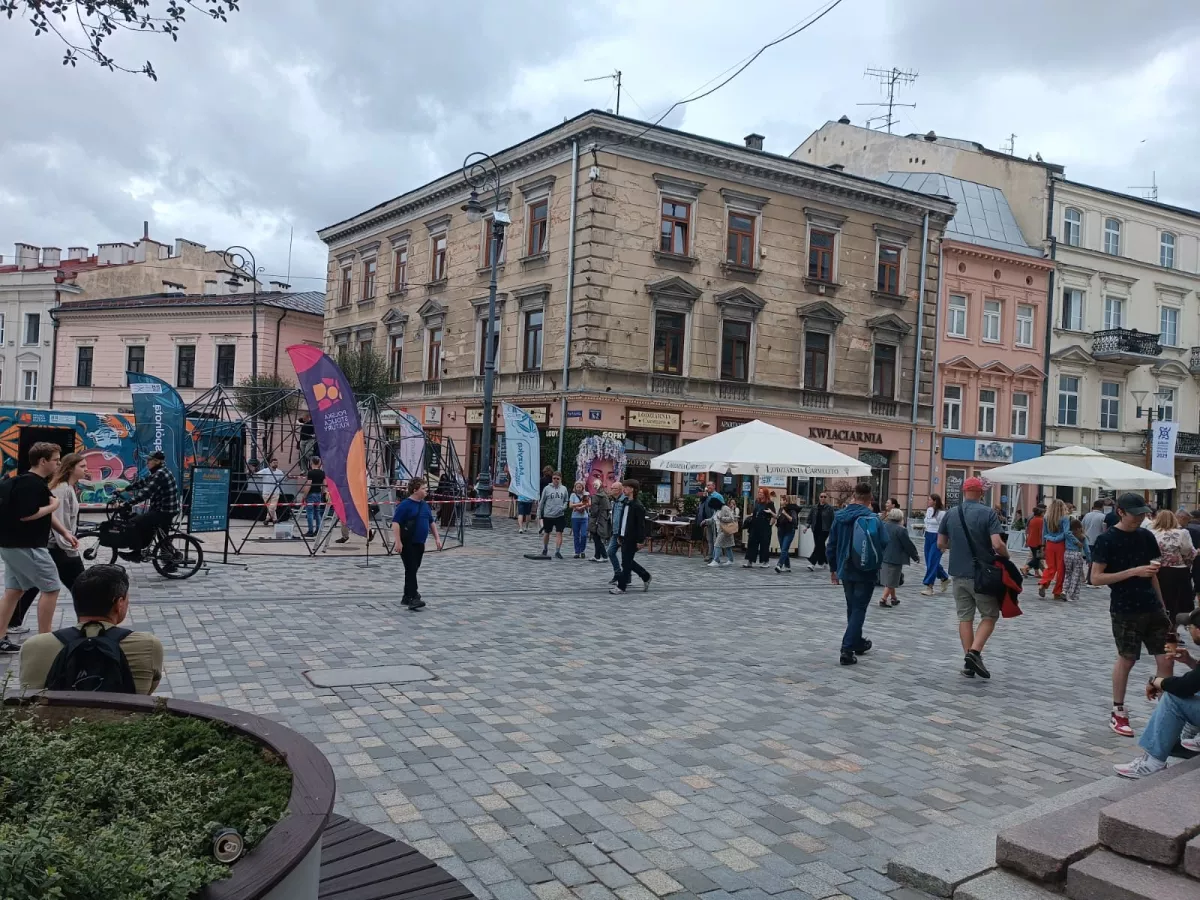
At the restaurant, we were joined by Roman Jaborkhel, Planning and Production Manager for Lublin European Capital of Culture 2029. Over dinner, Roman shared the city's ambitious vision. The title of European Capital of Culture is far more than an honorary distinction. It represents years of preparation involving urban renewal, cultural programming, international partnerships and investments intended to leave a lasting legacy long after 2029. Listening to Roman, I realised that Lublin was not merely preserving history. It was actively writing its future.
Above the rooftops
After lunch, we returned once more to the Old Town. This time our destination was the Trinitarian Tower. Climbing its narrow staircase, we emerged high above the city, greeted by a wide panorama of Lublin beneath a cloudy July sky.
The view was breathtaking. Below us stretched a mosaic of red-tiled and metal rooftops, church domes and winding medieval streets glowing beneath the fading sun. Beyond the Old Town, modern Lublin extended outward in every direction, where contemporary apartment blocks, university buildings and parks blended seamlessly into the historic heart.
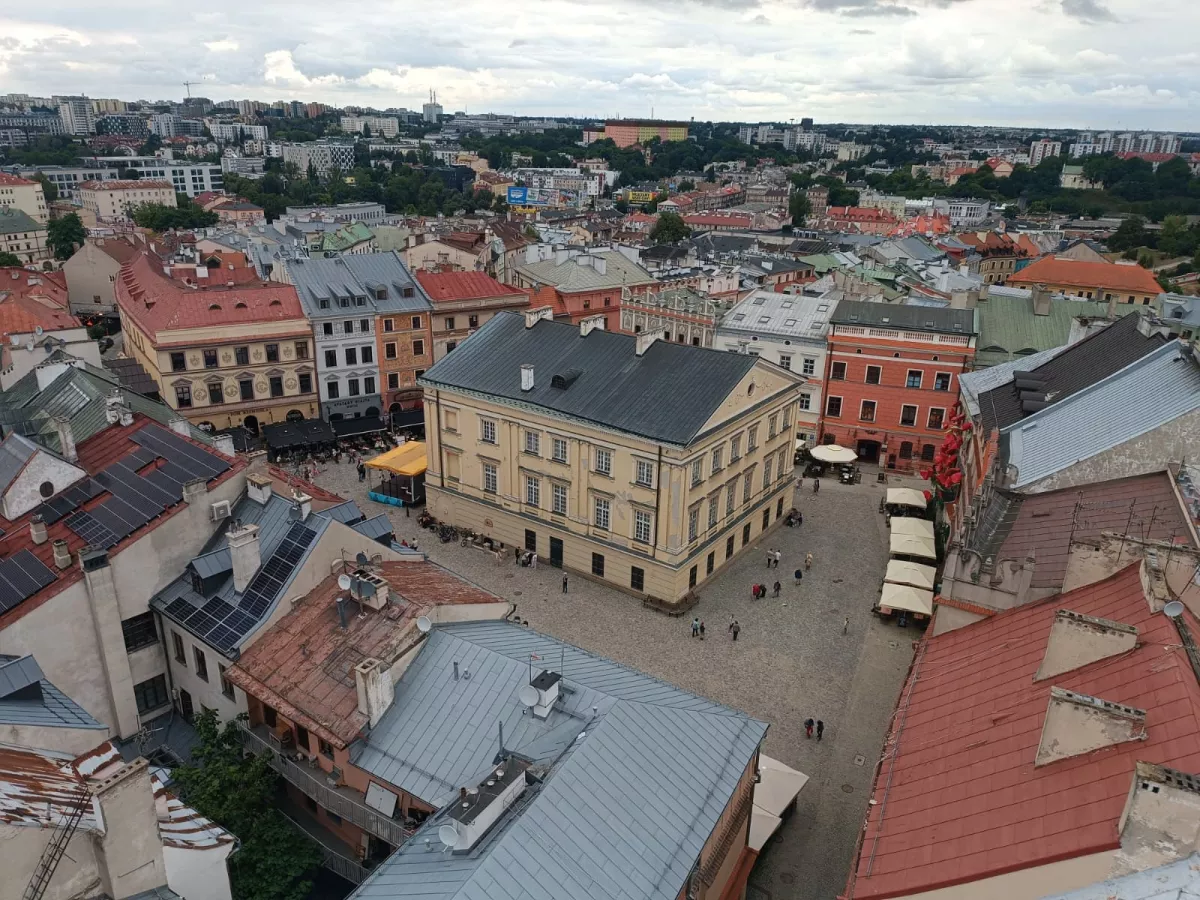
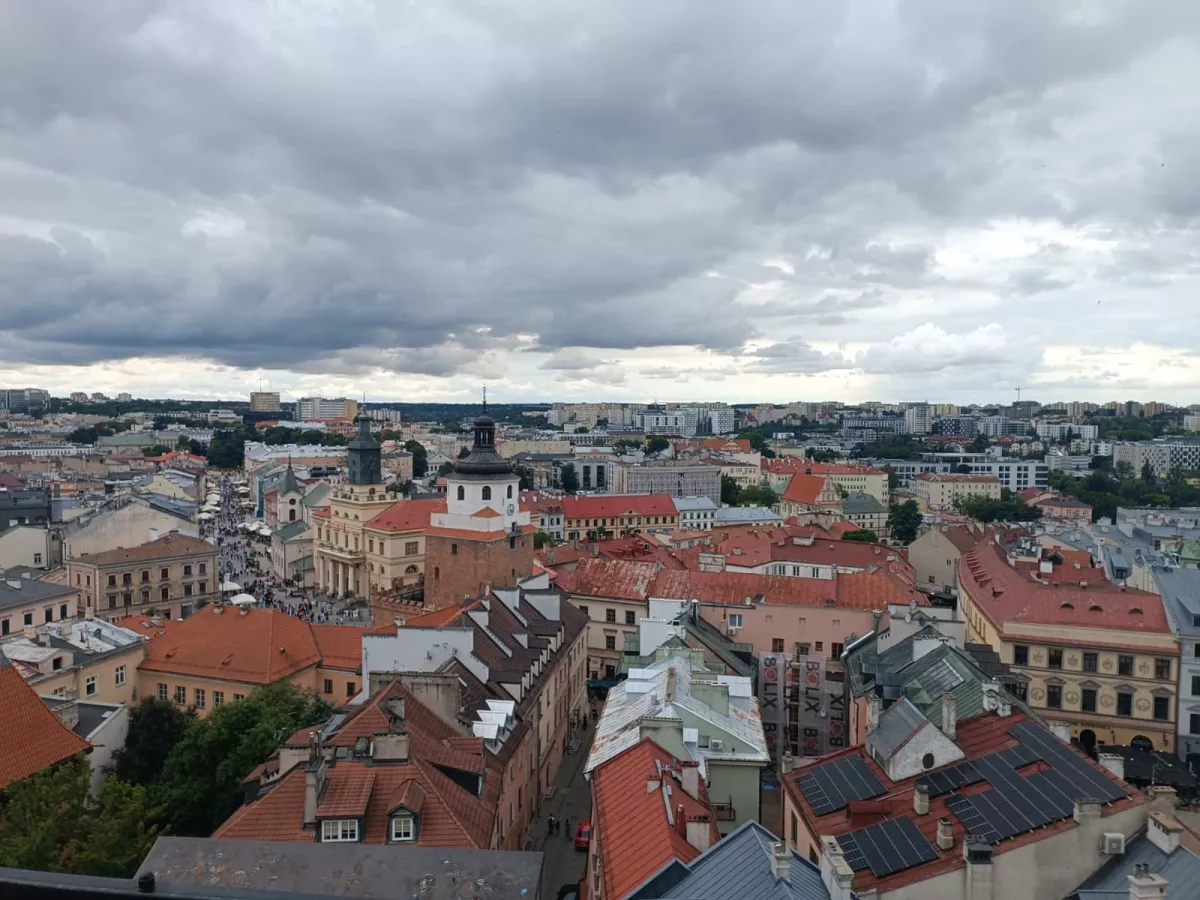
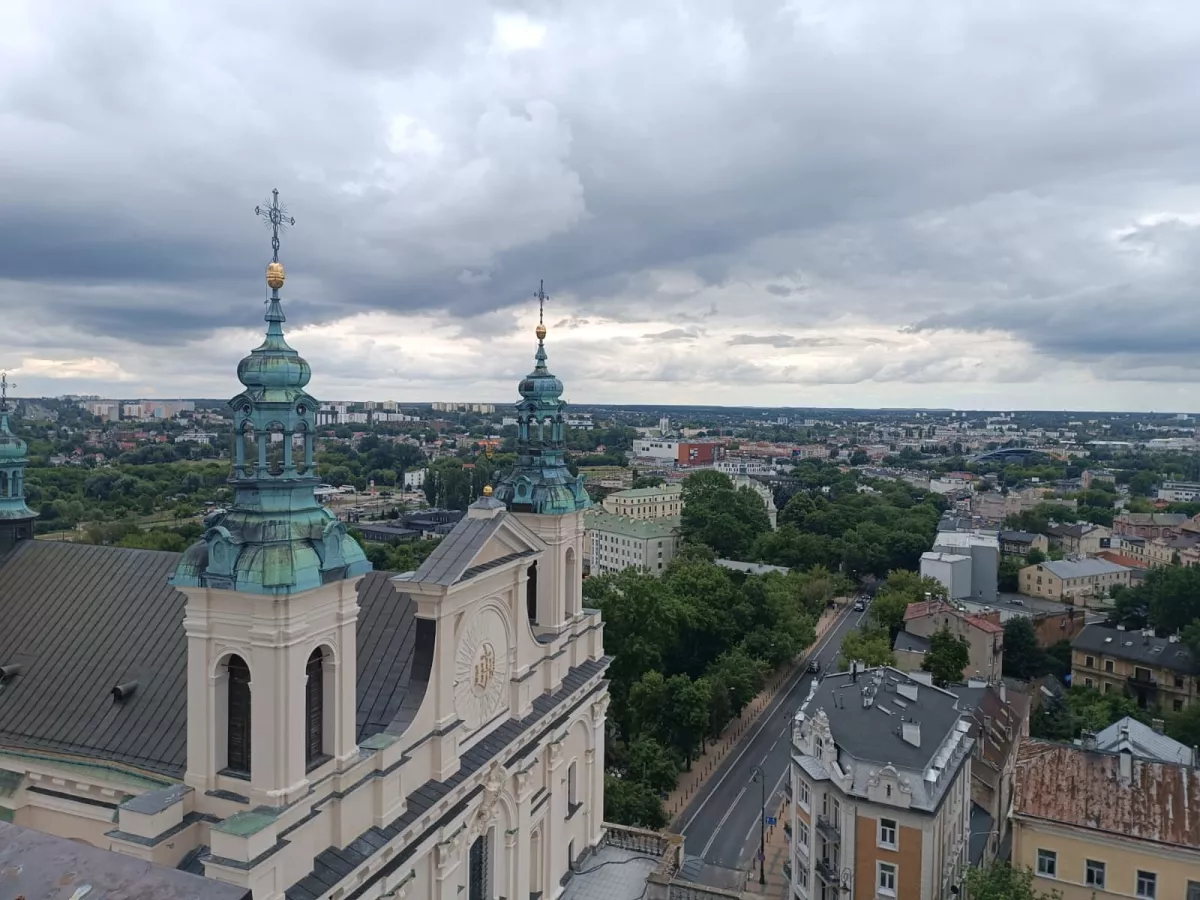
For several minutes, nobody spoke. We simply stood there, taking in the view. Seeing a city from above always reveals something different—its rhythm, its layout, and the relationship between its historic heart and modern surroundings.
Back in the Market Square, we found a small café and ordered coffee before beginning our journey back to Warsaw.
The conversation naturally returned to everything we had seen throughout the day—the Holocaust, the vanished Jewish community, Poland's difficult history, the resilience of its people and the remarkable effort devoted to preserving memory while embracing the future.
Late that evening, we boarded our train back to Warsaw. As darkness settled outside the windows, I looked back on a day that had revealed a different side of Poland. Warsaw had overturned my stereotypes about the country's modernity. Lublin offered something else: a glimpse into the layers of history that have shaped the city and the people who call it home. Its streets carry memories of different communities, difficult chapters, and the resilience required to rebuild and move forward.







 editor@caliber.az
 +994 55 444-88-98
 Азербайджан, Баку, ул. Низами, 203, Af Business House, 5-й этаж