










Loose lips: Kyiv’s history of clashes with its allies
Another statement by President Volodymyr Zelenskyy has sparked a new international controversy, drawing extensive discussion not only in Ukraine but also in countries around the world.
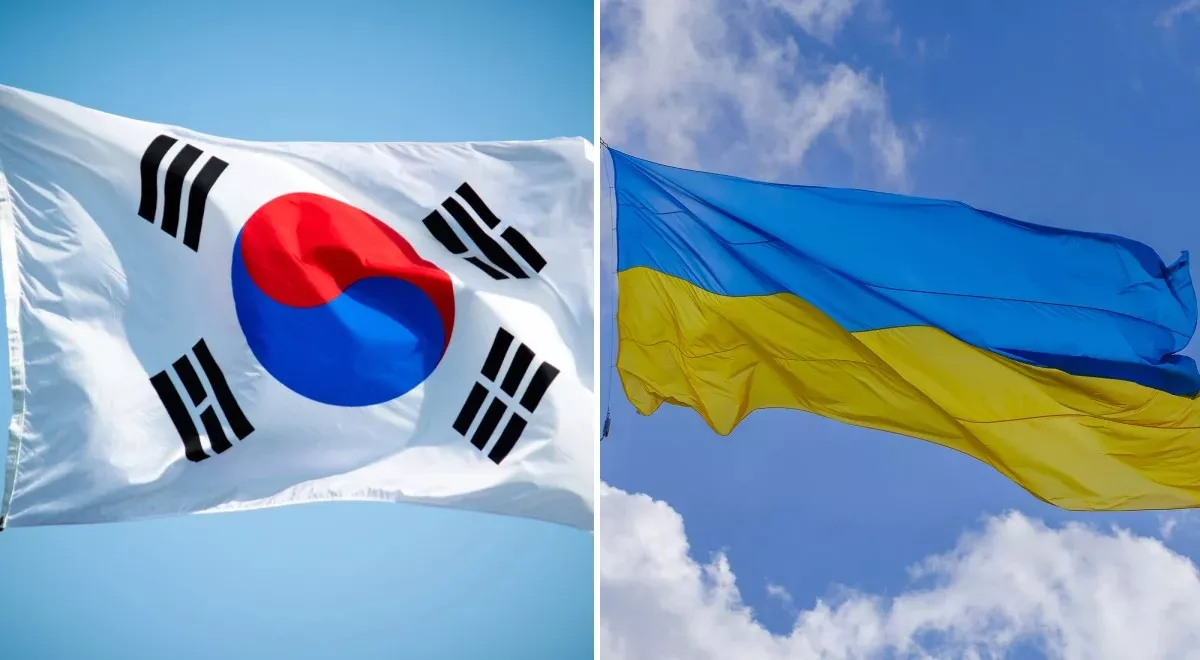
In his address to the United Nations General Assembly in New York, the Ukrainian president announced that Kyiv had recently sent two North Korean prisoners of war who had fought on Russia’s side to South Korea. In response, South Korean President Lee Jae Myung said that the Ukrainian side had breached an agreement to keep the information confidential — an arrangement Kyiv had accepted in view of the potential risks to international relations, national security and human lives.
The South Korean president did not mince his words when describing those who act in such a manner: “A person who puts another person’s life, national interests and the security of the country at risk for his own petty gain is called a murderer or a traitor.” To understand Seoul’s anger and outrage, it is important to bear in mind that South Korea’s Constitution regards the entire Korean Peninsula as the territory of the Republic of Korea, meaning that residents of North Korea are considered potential citizens of South Korea.
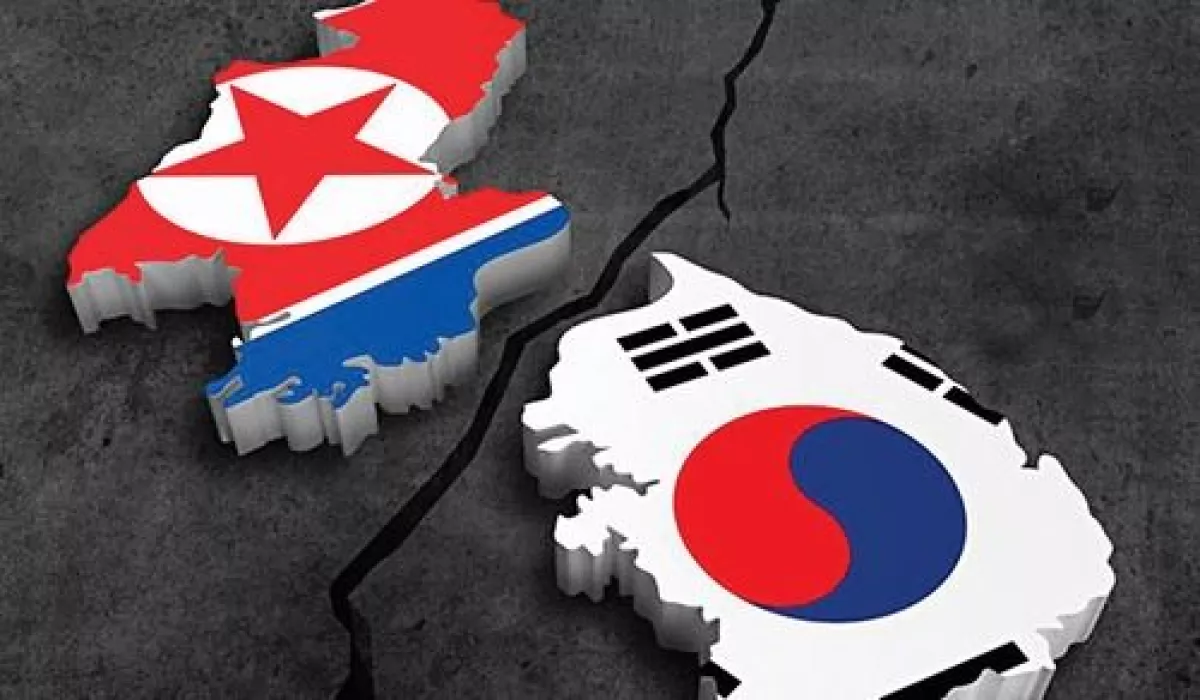
There is also another, even more sensitive aspect to the issue: the fate of the two men could potentially affect their relatives who remain in North Korea, whose authorities could well regard a serviceman’s defection to the South as an act of treason. Seoul was therefore concerned about the consequences not only for the soldiers themselves but also for their families, which is precisely why South Korean authorities insisted that the matter remain confidential.
It is difficult to make sense of Kyiv’s official response to Seoul’s indignation. Dmytro Lytvyn, an adviser to the Ukrainian president, said the following: “We are an open country, and it would be strange simply to secretly send these people somewhere, given that our soldiers captured them, so out of the whole story — which is long and detailed — we only reported the fact that they had been sent to the Republic of Korea.” At the same time, he denied that there had been any agreement to keep the information confidential.
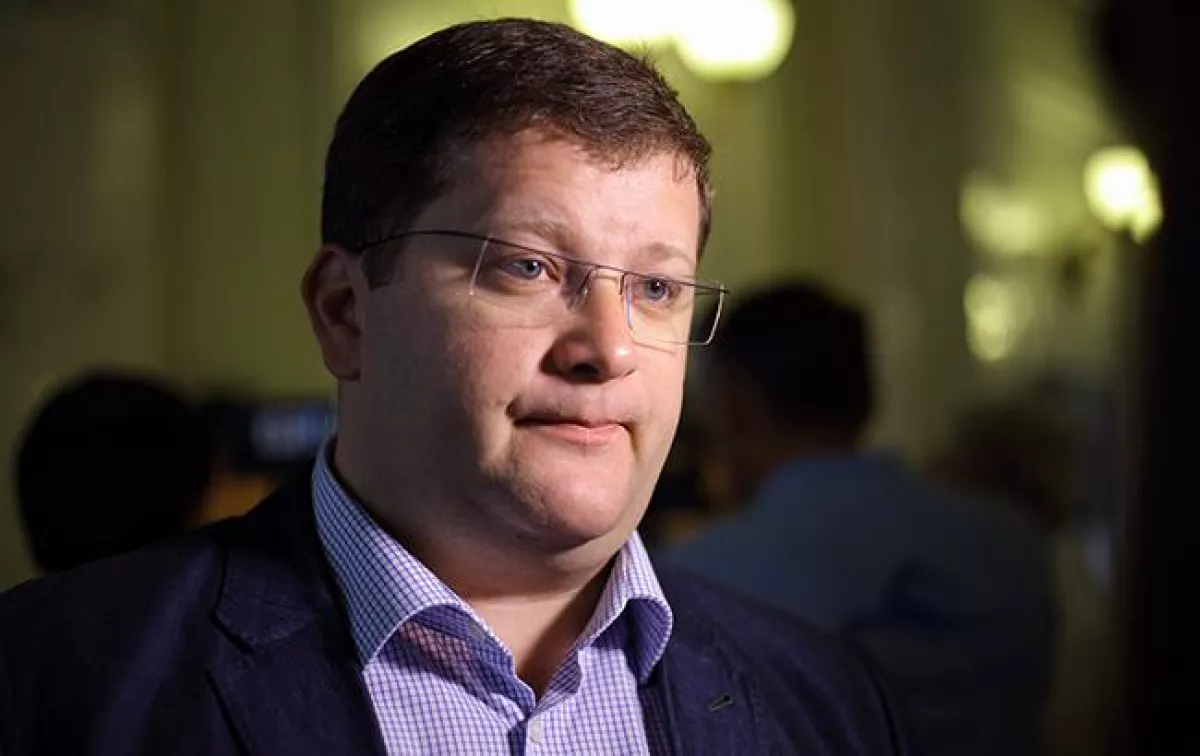
At the same time, a particularly detailed and pointed assessment of the incident was offered by Volodymyr Ariev, a member of the Verkhovna Rada from the European Solidarity party. “South Korea has effective air defence systems designed to counter North Korean ballistic missiles. They are manufactured by two companies: Hanwha and LIG Nex1. Seoul’s policy is not to sell weapons, particularly to countries at war. But Ukraine had a chance to persuade South Korean politicians to make an exception, because we could have offered not to purchase the systems, but to give the manufacturers an opportunity to test their air defence systems in real combat conditions against North Korean missiles. There was a chance. I emphasise — there was. Now we can forget about air defence systems from Seoul. After Zelenskyy breached the agreement not to disclose the transfer of two North Korean prisoners of war to South Korea, the South Korean president sharply criticised his Ukrainian counterpart. Therefore, under Zelenskyy, there will no longer be a relationship of trust with the civilised Koreans,” he wrote on his Facebook page.
The Ukrainian parliamentarian also added that Zelenskyy’s desire to show off directly harms the country’s national interests. According to him, the Ukrainian president has lost his sense of reality because of a sense of impunity and the belief that he can do whatever he wants, which poses a serious threat. Other representatives of Ukraine’s political establishment, as well as political analysts and journalists, expressed similar views on the incident.
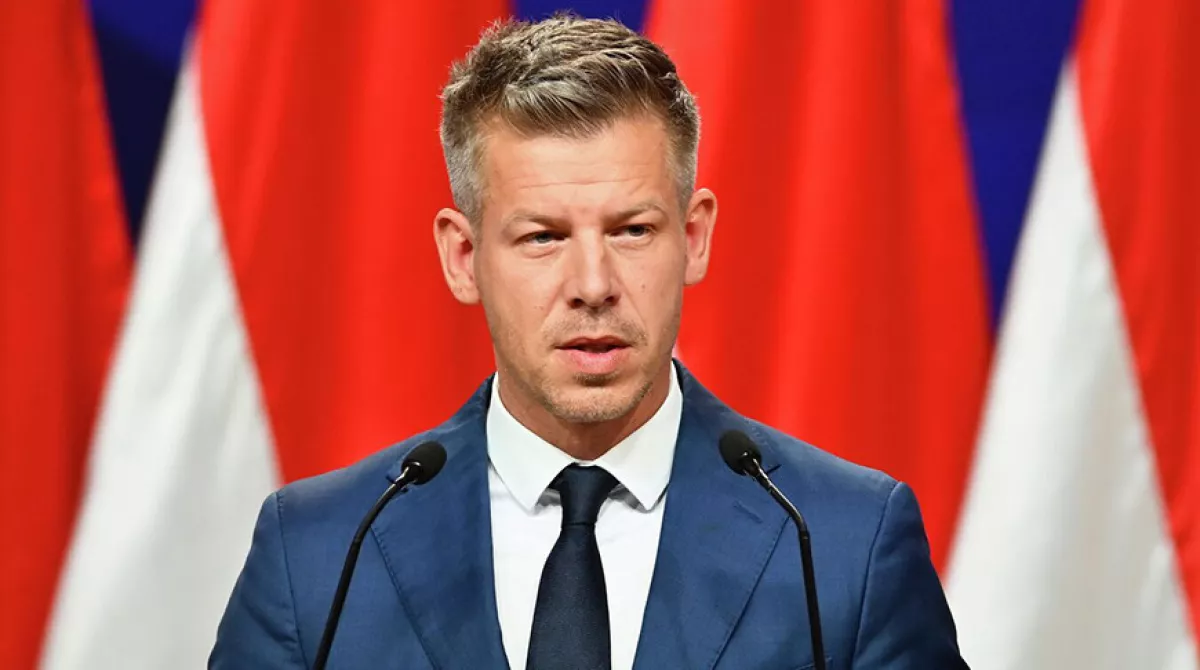
For our part, we will cite another “fresh” example of a blunder by Volodymyr Zelenskyy. On September 18, he announced the creation of the “Carpathian Eight”, a format bringing together Ukraine, Austria, Poland, Romania, Serbia, Slovakia, Czechia and Hungary, with the participation of the EU. However, the Hungarian side said that Budapest was not a participant. According to the country’s prime minister, Hungary had been invited but had not given its consent. Moreover, on September 22, Magyar responded separately to statements by the Ukrainian Foreign Ministry, stressing that declaring a sovereign state a participant in an international initiative without prior consultations and its consent was unacceptable. Thus, the essence of the dispute was as follows: the Ukrainian side publicly included Hungary in the new format, while Budapest maintains that its consent had not been obtained.
These two scandals once again prompt a closer look at what Ukrainian diplomacy currently represents more broadly. In 2022, former Ukrainian ambassador to Germany Andrii Melnyk criticised then-German Chancellor Olaf Scholz for refusing to travel to Kyiv, calling him an “offended liver sausage.” Following the controversy, Melnyk acknowledged that the remark had been inappropriate and apologised to Scholz. However, this did not prevent him from subsequently making highly critical public statements about German politicians, and in 2025, while serving as ambassador to Brazil, he again sharply criticised Germany’s political course. Despite all these actions, which ran counter to diplomatic etiquette, Melnyk was appointed Ukraine’s permanent representative to the United Nations.
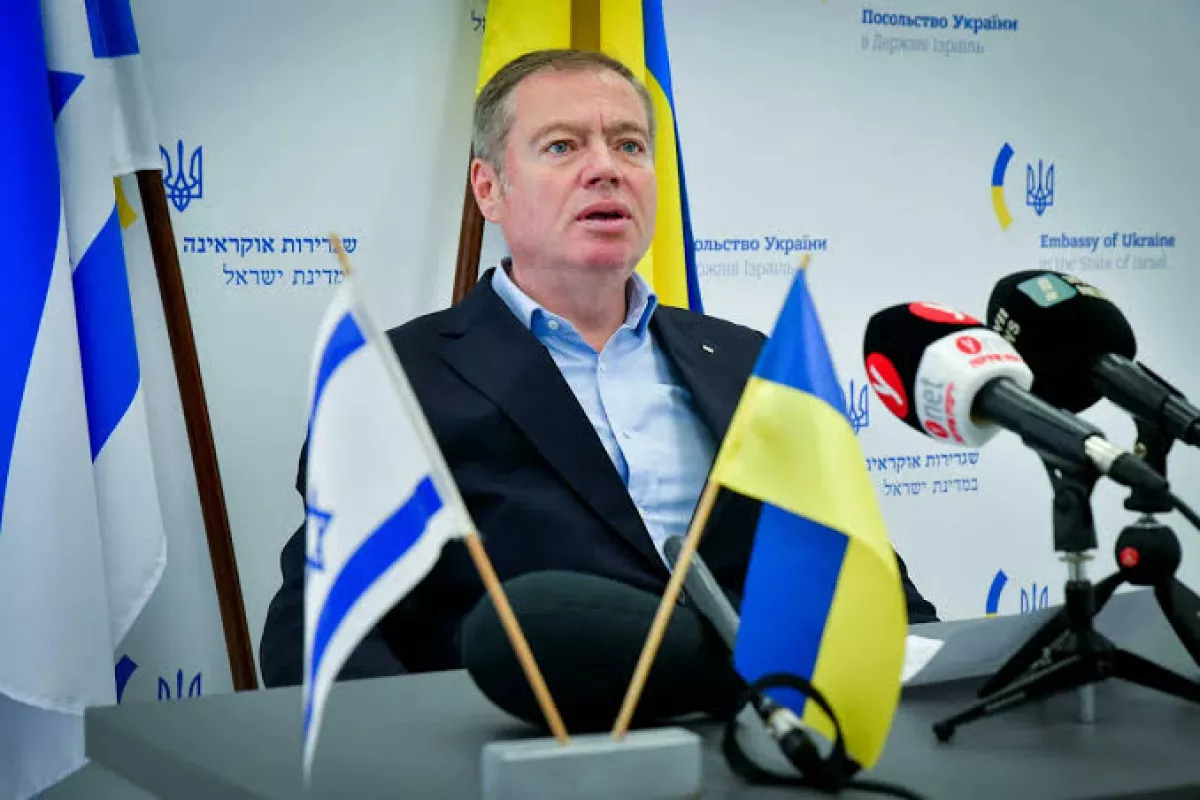
Another example came in December 2025, when Ukraine’s ambassador to Israel, Yevhen Korniychuk, was summoned to the Israeli Foreign Ministry after publicly criticising the country’s prime minister. In an interview with Ynet, the diplomat expressed bewilderment over Benjamin Netanyahu’s regular contacts with Russian President Vladimir Putin and said that Russia supports Iran, Hamas and Hezbollah. The Israeli Foreign Ministry said that such remarks by the ambassador were “absolutely unacceptable” and inconsistent with diplomatic protocol. Nevertheless, Korniychuk remains ambassador to Israel and, incidentally, also attracted attention for declaring six watches from brands including Rolex, Patek Philippe, Ulysse Nardin, Hublot and Omega.
Continuing on this theme, it is worth recalling that since April 2023, Ukraine has been represented as ambassador to Switzerland and, concurrently, to Liechtenstein by Iryna Venediktova, whom Volodymyr Zelenskyy appointed to the post by presidential decree. Her background, meanwhile, includes allegations and criticism from Ukraine’s anti-corruption community. When Venediktova was serving as prosecutor general, the National Anti-Corruption Bureau of Ukraine (NABU) accused her of manipulating and distorting facts in relation to a number of investigations.
Finally, one more telling example: in December 2022, Volodymyr Zelenskyy appointed Olesia Ilashchuk as ambassador to Bulgaria, despite her having no diplomatic or government experience at the time and being presented as a specialist in sexology and jewellery. Unsurprisingly, the appointment triggered a major controversy in the Ukrainian media and diplomatic circles. Nevertheless, Ilashchuk has remained ambassador in Sofia.
Against the backdrop of everything outlined above, the question of whether Ukraine’s recurring crises in relations with various countries, including its allies, should come as a surprise would seem to have become a rhetorical one.







 editor@caliber.az
 +994 55 444-88-98
 Азербайджан, Баку, ул. Низами, 203, Af Business House, 5-й этаж