










Language as a strategy for peace Baku Slavic University to teach Armenian
Language, as the primary means of communication between people, can serve several purposes: amid conflict between countries, it is a strategic tool essential for in-depth analysis, information policy, and national security, while in peacetime, it takes on an entirely different meaning. In this context, the news that Armenian will be taught at another university in Azerbaijan takes on particular significance.
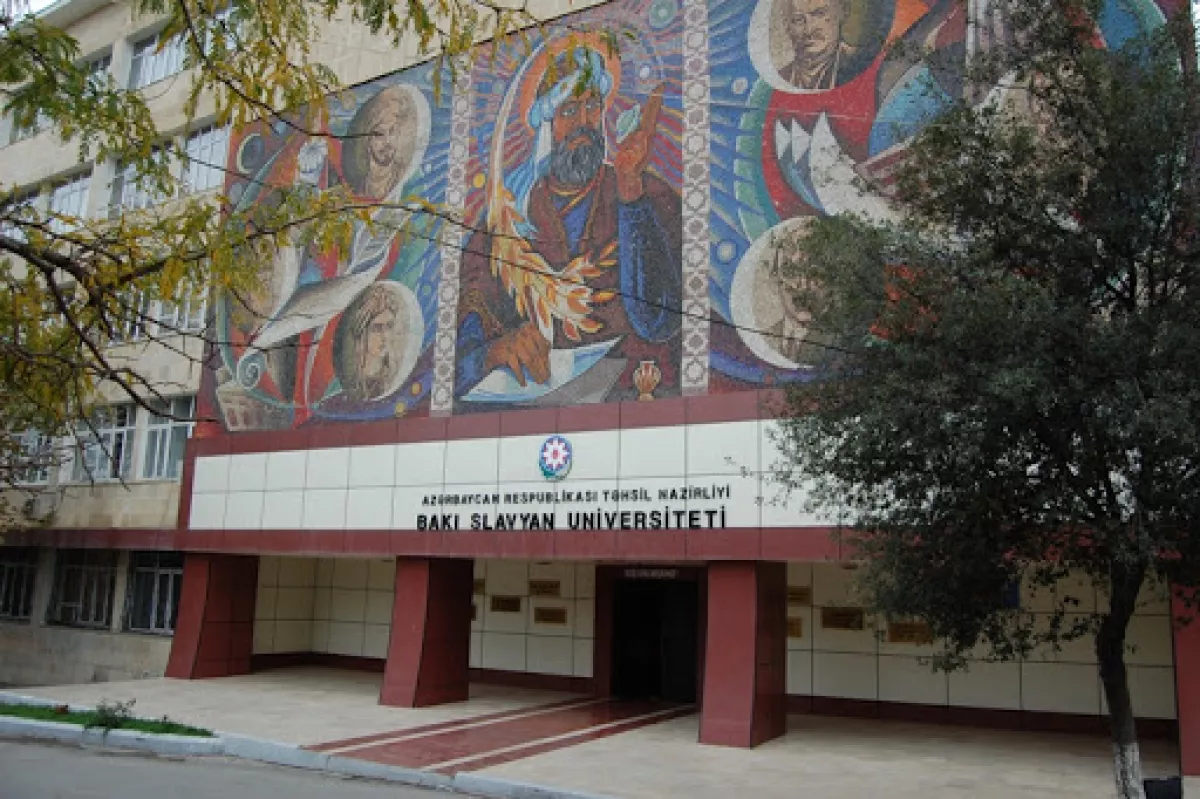
As Sabina Huseynzade, press secretary of Baku Slavic University (BSU), said, the university’s Academic Council has decided to introduce Armenian language studies at the institution. The university’s statement does not specify when classes in the subject will begin. However, BSU Rector Anar Naghiyev previously said that the university planned to start teaching Armenian in the 2026/2027 academic year.
In our view, the swift practical implementation of the aforementioned initiative should be welcomed, as peace has de facto been established between Azerbaijan and Armenia and is gradually being filled with practical substance. In particular, cargoes from other countries are now regularly transported to the neighbouring country in transit through Azerbaijani territory, while Baku supplies Armenia with gasoline and other types of fuel.
These examples clearly demonstrate the development of pragmatic trade and economic ties, which, in turn, are creating a need for companies operating in various fields and bringing together specialists from different professional backgrounds who simply need to establish effective communication. In this regard, the importance of people who speak the language of the neighbouring country can hardly be overstated.
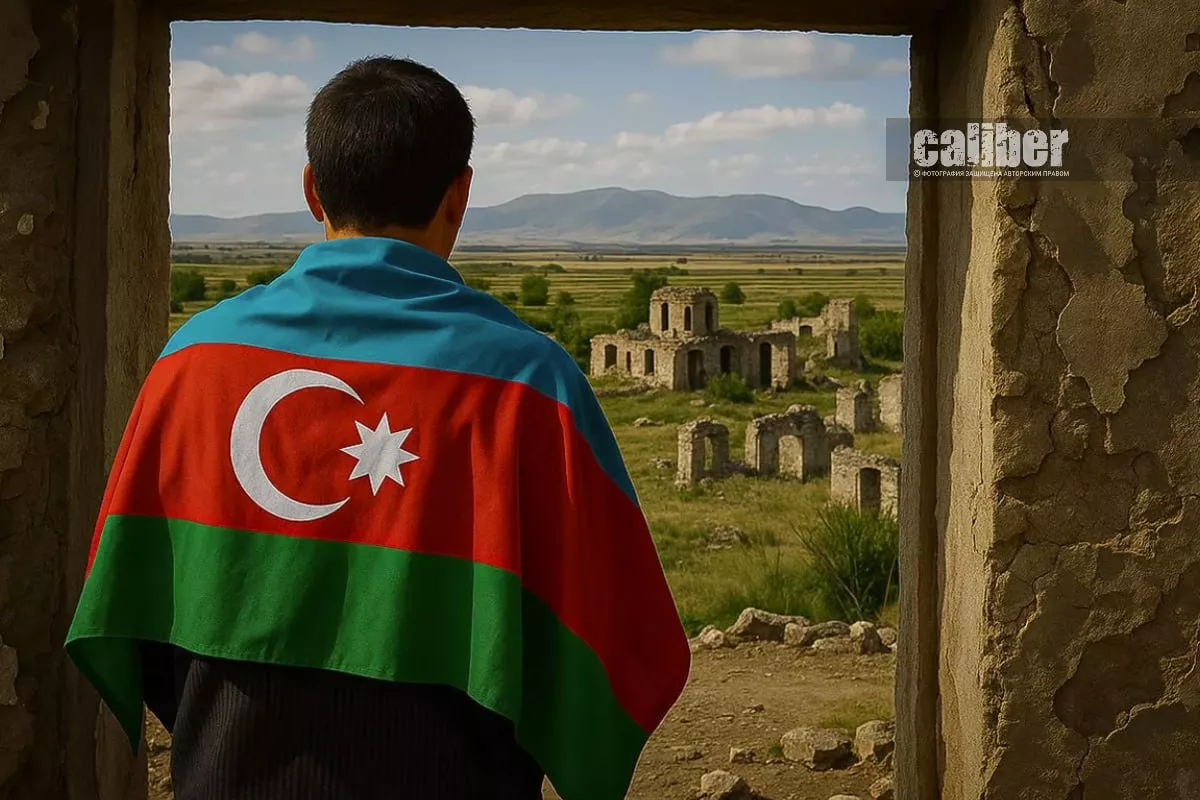
The second track is the humanitarian dimension, namely, establishing ties between the civil societies of the two countries. This aspect requires particular sensitivity, especially given the factor of collective national memory. The Azerbaijani people will always remember the period of occupation, the destroyed cities and villages, the Khojaly genocide, and the suffering of refugees and internally displaced persons, and will cherish the memory of those who gave their lives for the sovereignty and territorial integrity of the independent Republic of Azerbaijan.
However, not consigning the past to oblivion and building the future on the basis of psychological traumas are two entirely different approaches. Azerbaijan has chosen the path of peace and is moving forward along it consistently, creating an environment in which new generations will perceive the neighbouring country not solely through the prism of war.
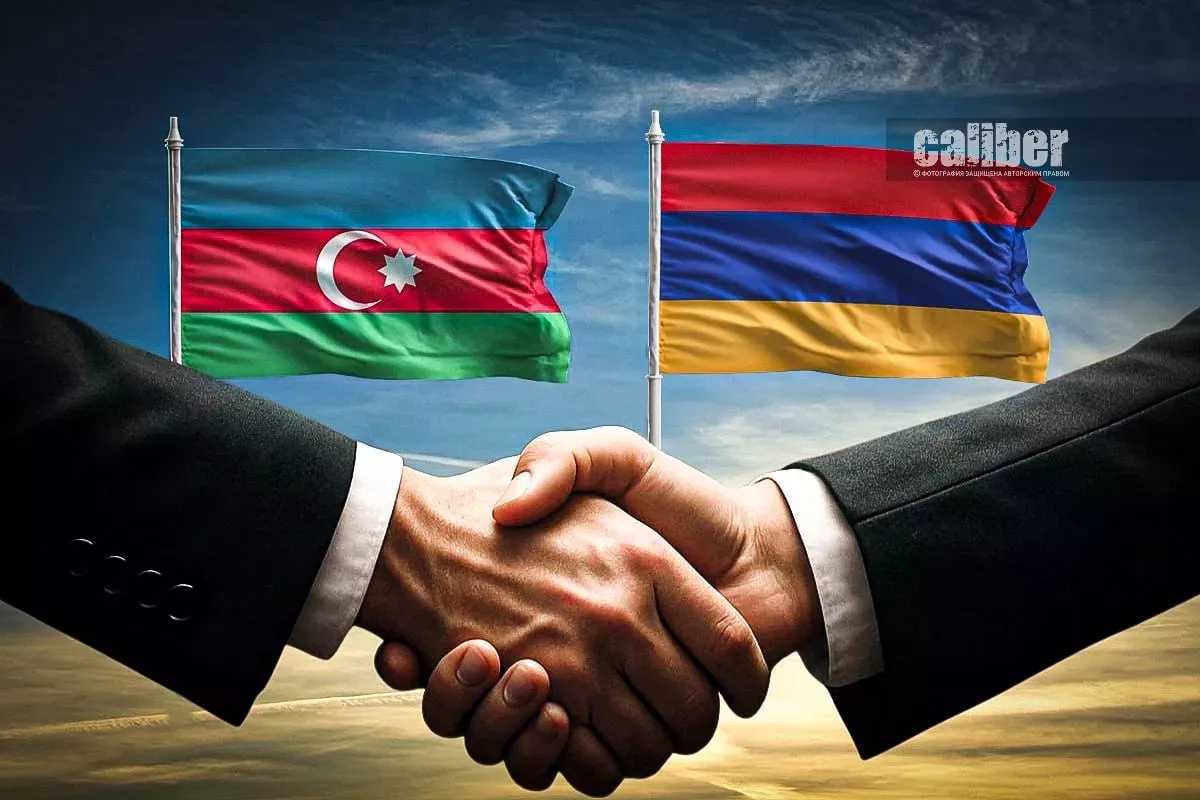
In such a sensitive matter, education—particularly the study of languages—plays a very special role, as it helps build bridges of communication, enabling the societies of the two countries not only to listen to each other but also to be heard. Incidentally, one of the first steps in this direction was the “Bridge of Peace” initiative, which brought together representatives of civil society from both countries.
In this regard, we believe it would also be a very positive development if universities in Armenia were to adopt a decision similar to the plans of Baku Slavic University and introduce Azerbaijani language studies. Over time, the need for journalists and political scientists, diplomats and historians, economists and entrepreneurs, engineers and builders who speak both languages will only continue to grow.
From a deeper geopolitical perspective, the decision of BSU’s Academic Council has become another indicator of the Azerbaijani state’s commitment to its declared goal of establishing lasting peace in the South Caucasus. This is confirmed by the logical sequence of events: August 2025 consolidated Azerbaijan’s Victory achieved in the autumn of 2020 and in September 2023; through steps in the economic and political spheres, Baku gave the Washington agreements tangible force “on the ground”; and the decision to teach Armenian at another prominent Azerbaijani university has added a much-needed humanitarian dimension to this process. After all, as the saying goes, diplomats lay the foundations of peace by signing documents, while societies cement it through human connections.







 editor@caliber.az
 +994 55 444-88-98
 Азербайджан, Баку, ул. Низами, 203, Af Business House, 5-й этаж