










History has delivered its verdict The collapse of old Karabakh fantasies
How fortunate it is that Abel Aganbegyan, former Armenian Defence Minister David Tonoyan, David Babayan, and Ruben Vardanyan have lived to see the present day. Each of them now has the opportunity to witness for themselves how the statements, threats, and self-assured predictions they once made with such confidence ultimately turned out. And, in particular, to see what Lachin has become: rather than an object of old territorial fantasies, it is emerging as a hub of international cooperation, culture, and peaceful life.
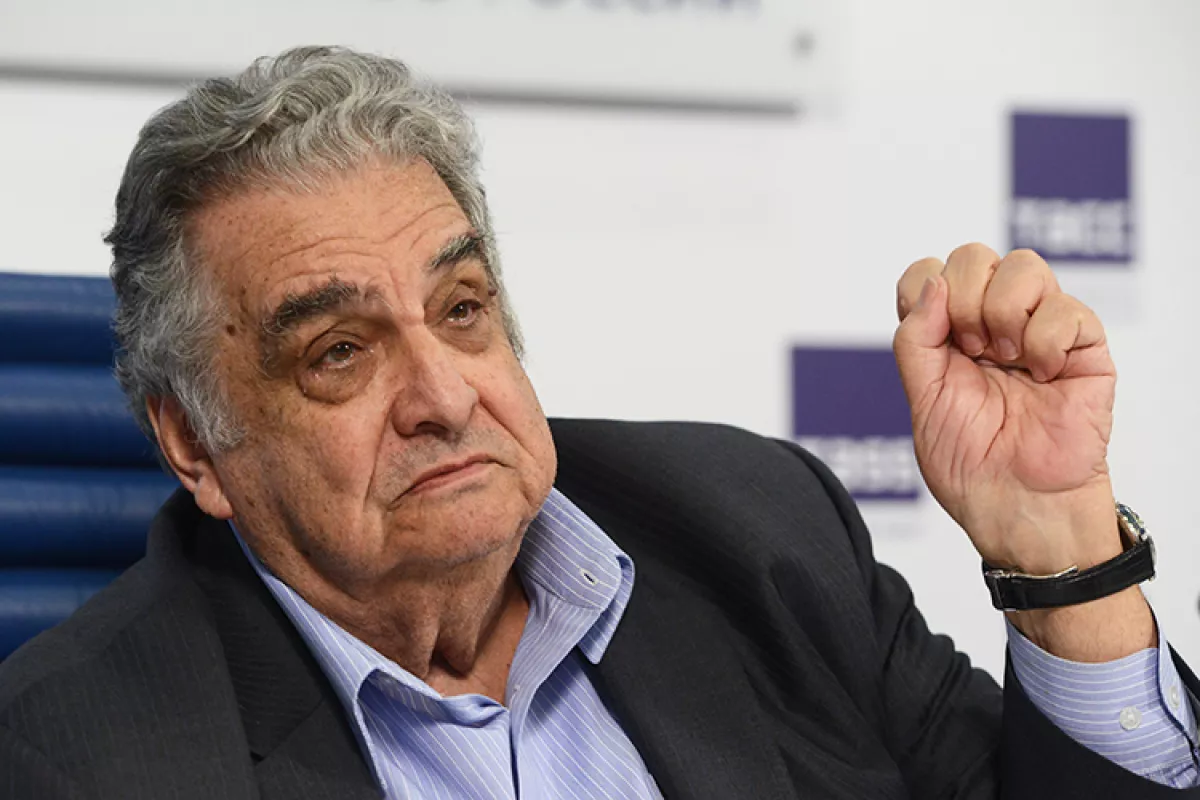
Let us begin with Aganbegyan — the very same adviser to Mikhail Gorbachev who is associated with one of the first public signals calling for a reconsideration of the status of Karabakh. In November 1987, in an interview with the French newspaper L’Humanité, he stated that Karabakh was “more closely connected with Armenia than with Azerbaijan” (The Caucasian Knot, p. 148; the quotation is cited from the Armenian newspaper Haratch, November 19, 1987). Nearly four decades have passed, and today the author of that assessment has the opportunity to see just how durable his geopolitical arithmetic has proved to be.
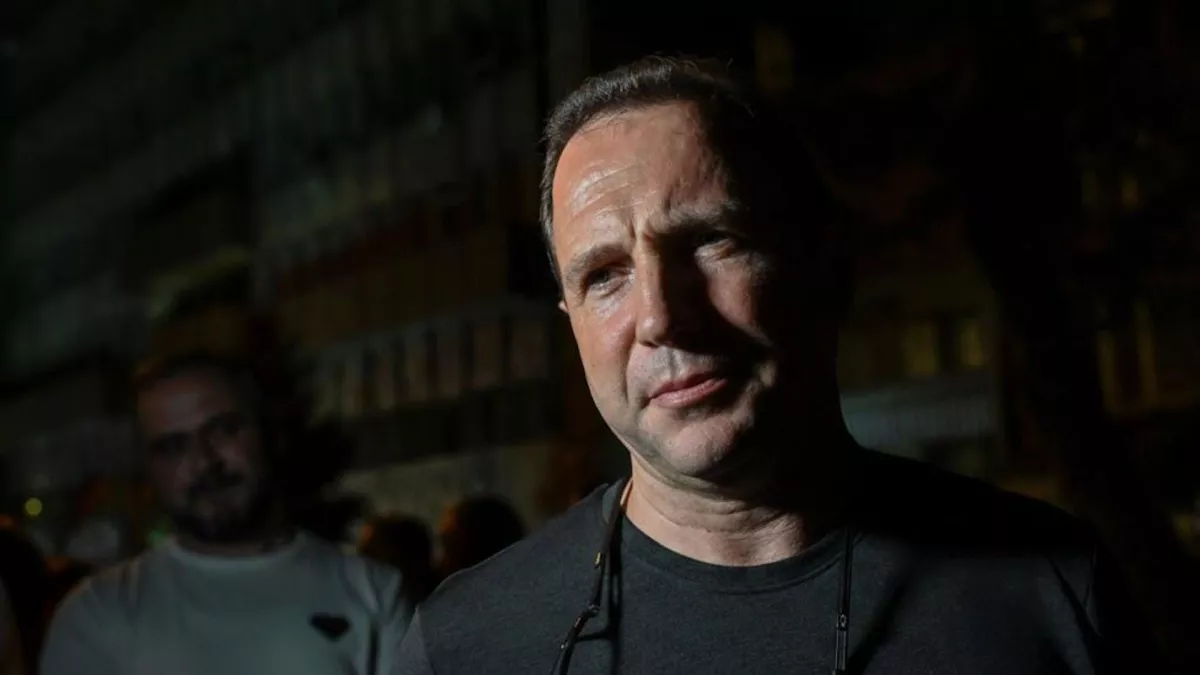
The next figure is David Tonoyan. In 2019, the then Armenian defence minister confidently declared: “A new war in exchange for new territories. We will increase the number of those [military] divisions that can move the military actions to the territory of the adversary.” The war did indeed take place. However, it unfolded somewhat differently from the scenario promised by that formula. And Tonoyan can now observe the consequences of his own rhetoric not from the office of the defence minister, but from elsewhere.
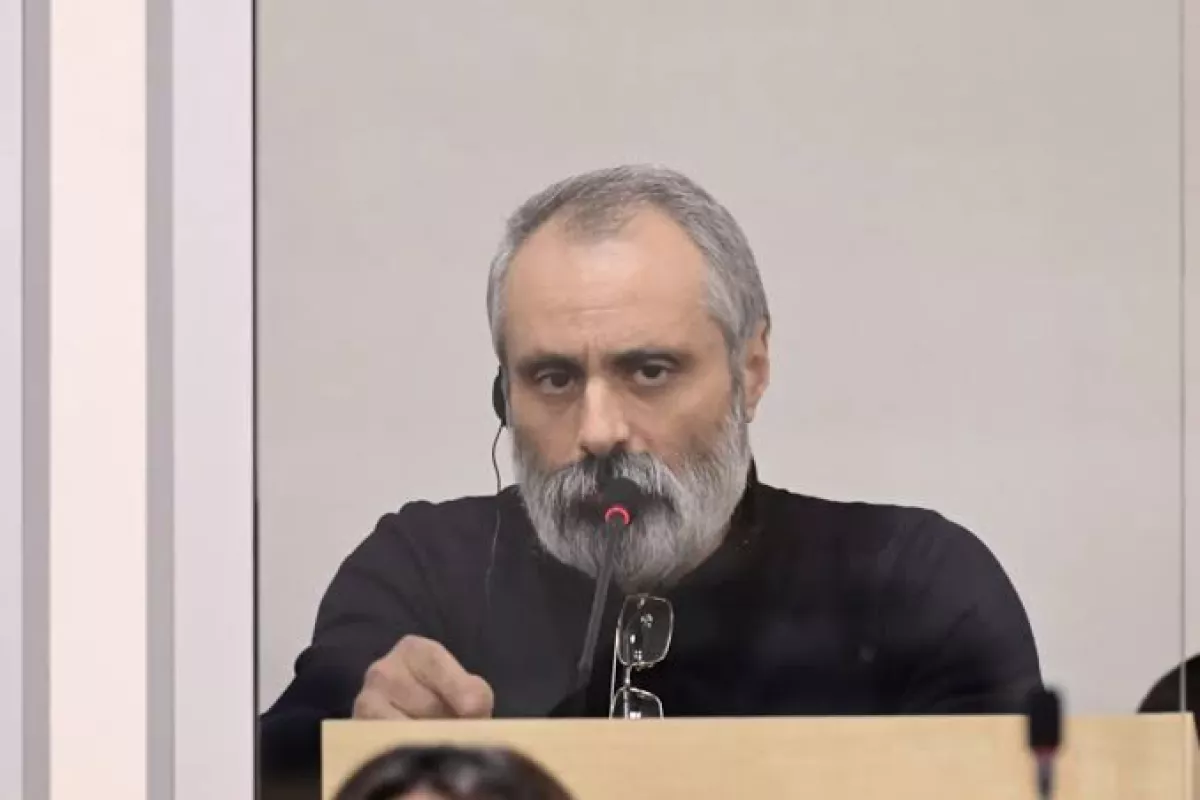
The story of David Babayan is even more telling. At the time, representing the unrecognised separatist entity on the territory of Azerbaijan, he described the prospects for Azerbaijan’s leadership in a rather peculiar way. According to his words, there were three chances for them to “take part in a tea party” in Khankendi: “sitting in Baku and insisting that the liberation of Karabakh was imminent”; “after Azerbaijan recognised the independence of Karabakh, during the opening of an embassy” in Khankendi; and “in a prisoner-of-war camp, when everything ends as it should.” “Azerbaijan’s leadership should remember this parable and make its choice,” Babayan concluded admonishingly. As history has shown, it has a particular fondness for answering such “parables” at considerable length.
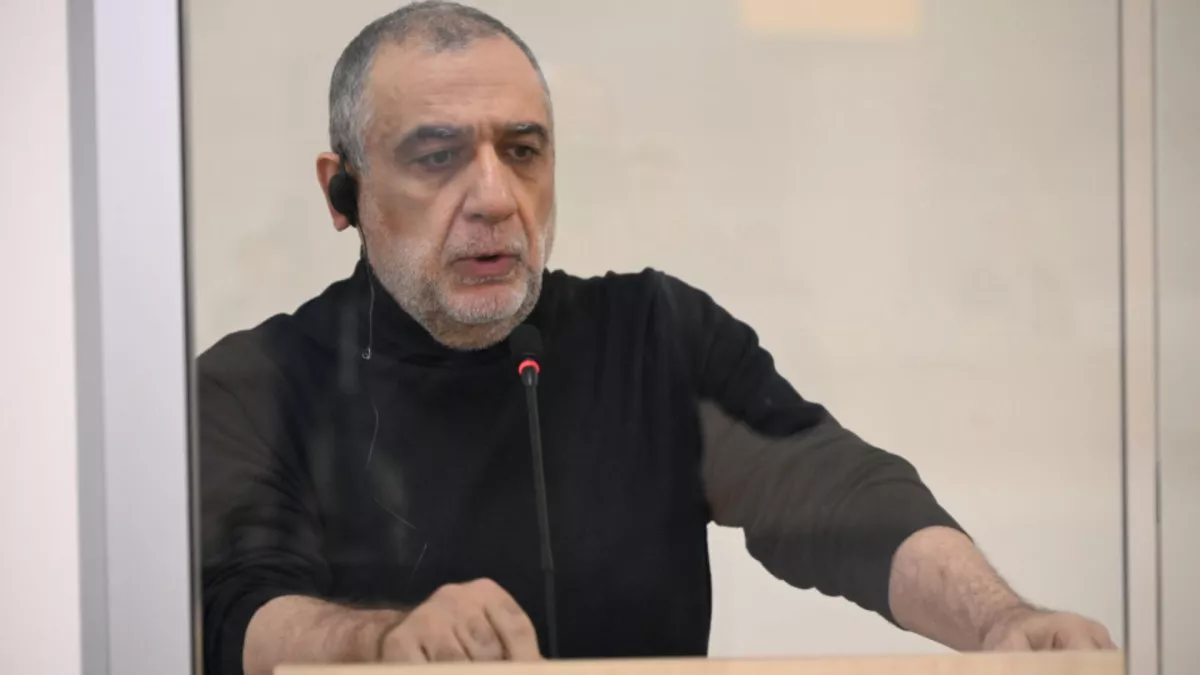
And, of course, Ruben Vardanyan cannot be left out. In the autumn of 2022, the Russian oligarch appeared in Karabakh and subsequently took up the position of the so-called “state minister” of the unrecognised separatist entity on the territory of Azerbaijan.
In December 2022, amid a protest by representatives of Azerbaijani civil society on the Shusha–Khankendi road against the illegal exploitation of Azerbaijan’s natural resources, Vardanyan called on Russia, the United States, and Europe to impose personal sanctions on the families of Azerbaijan’s leaders. He also declared that “the West, Russia, and America all have a large number of questions about whether the authoritarian regime ruling <…> Azerbaijan should be allowed to participate in civilised international relations at all.”
Very little time passed before it became clear that the question of who is allowed to participate in international “relations” is decided neither in “Stepanakert” nor by Vardanyan.
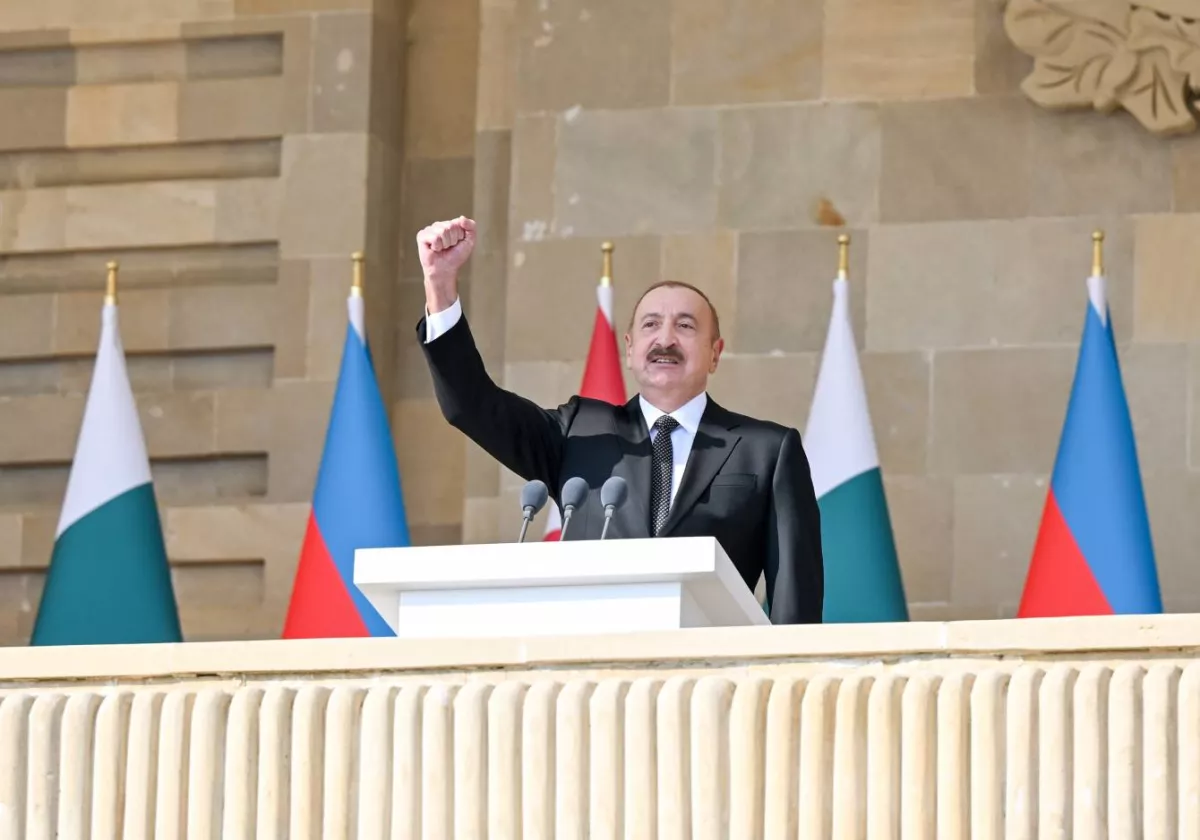
In 2025, speaking at a military parade marking the fifth anniversary of the Victory in the Patriotic War, in the presence of Turkish President Recep Tayyip Erdoğan and Pakistani Prime Minister Muhammad Shehbaz Sharif, Azerbaijani President Ilham Aliyev recalled statements made by the Armenian side on the eve of the Second Karabakh War: “Armenia [...] failed to draw the right conclusions and, in the run-up to the Second Karabakh War, became even more impudent by putting forward new territorial claims against us. They were threatening us with a new war. They even said that they would wage a new war for new lands and occupy all of Azerbaijan. They said that their tanks would be on the streets of Baku. They said that they would be drinking tea in Baku.”
“In fact,” the head of state noted, “their dreams did come true. We made them come true. Their tanks are on display in the Military Trophies Park today. Armenian war criminals [including Davit Babayan — editor’s note] are standing trial in Baku and drinking Azerbaijani tea in the pre-trial detention center.”
Armenian sources, unsurprisingly, described these remarks as an insult to the Armenian people. Yet it is difficult to overlook a certain irony: what is being branded an insult is apparently not the aggressive rhetoric of those years itself, but the reminder of how it ultimately ended.
Today, Vardanyan is indeed in an Azerbaijani prison, serving a 20-year sentence following a court verdict on charges of financing terrorism, creating illegal armed formations, and illegally crossing Azerbaijan’s state border.
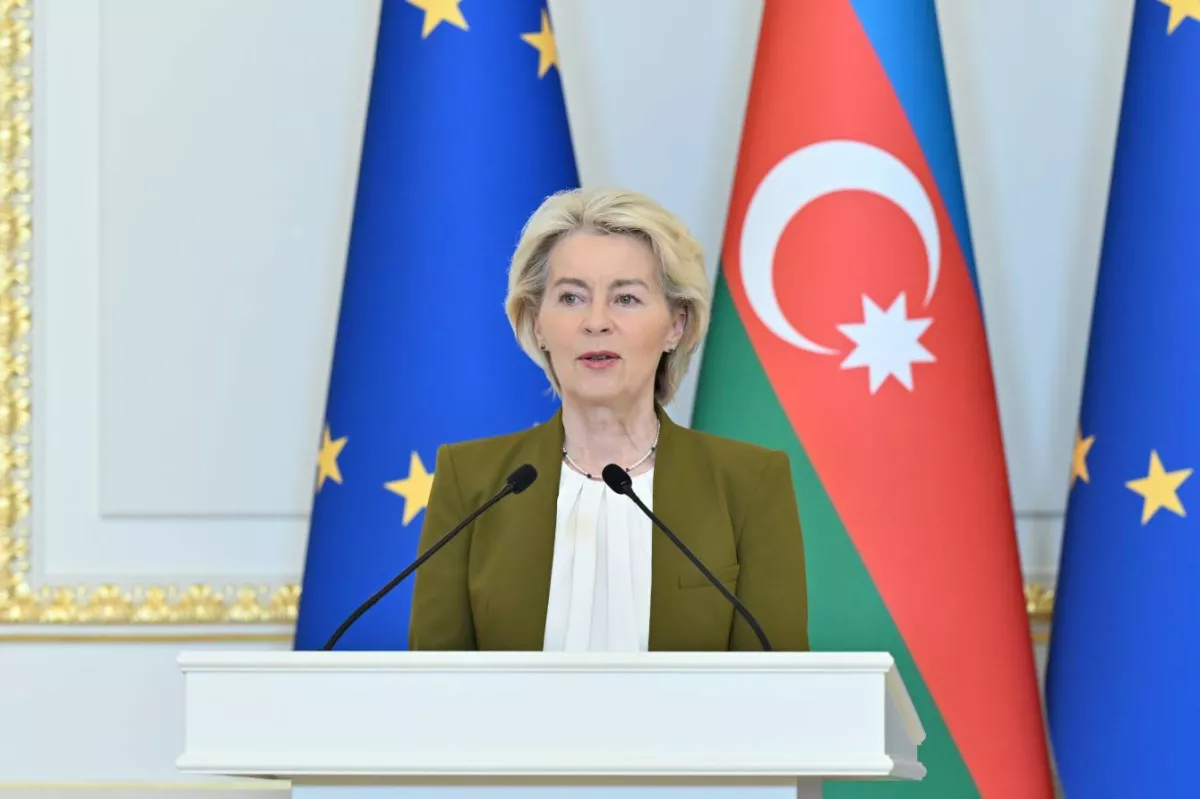
At the same time, European Commission President Ursula von der Leyen, during her visit to Azerbaijan last month, emphasised that she was in the country to deepen the partnership between Brussels and Baku, which she described as being of huge importance to the European Union. She also specifically highlighted the leadership demonstrated by President Ilham Aliyev in promoting peace and cooperation across the region, creating new opportunities for stability, trust, and shared prosperity. That, in itself, is the answer to all the arguments about who is allowed to engage with the civilised world and in what format.
But perhaps the most vivid answer is provided by Lachin itself.
On August 25, the opening ceremony of the first International Film Festival of Karabakh and East Zangezur — the Lachin International Film Festival (LIFF) — took place there. The festival is being viewed as the beginning of a new chapter in the region’s cultural life. Nearly 300 films from 47 countries were submitted for the festival, with 38 selected for the main competition. Seven films will receive the official award of the Lachin International Film Festival — the “Golden Oak Branch”.
And here, it is difficult not to appreciate the symbolism of what is happening.
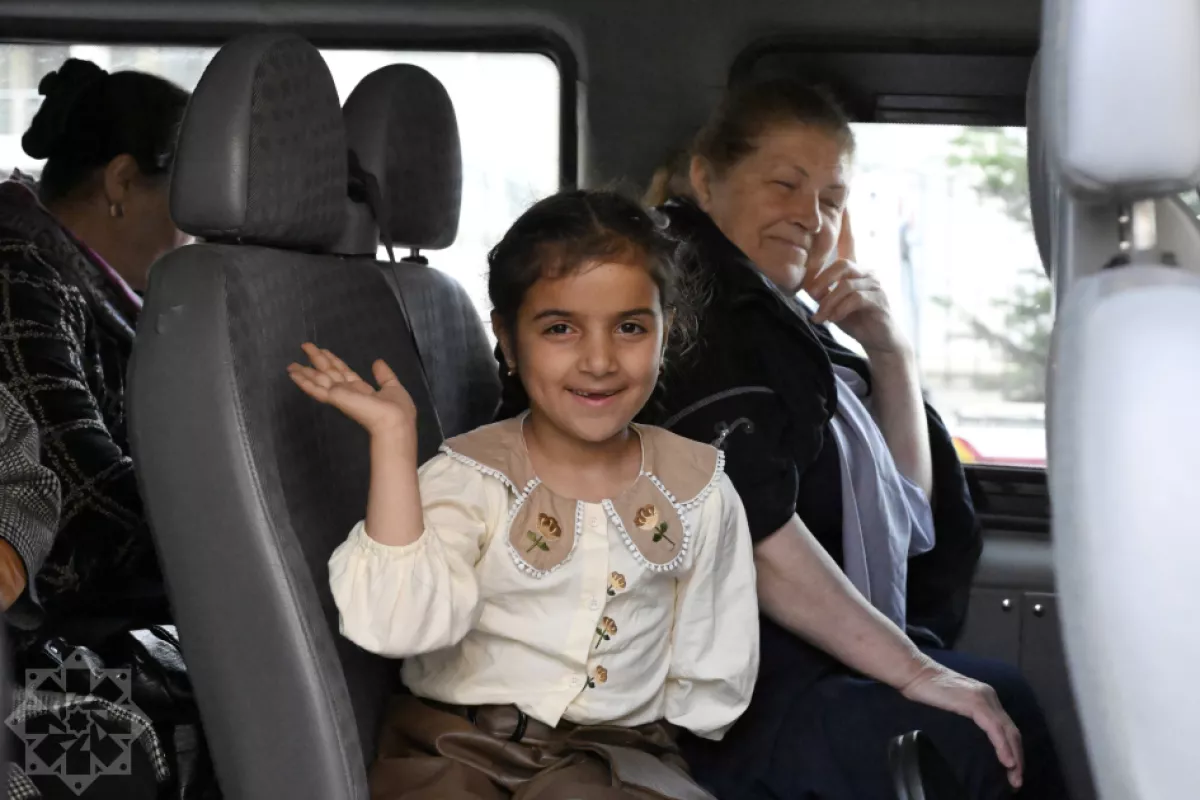
While some once spoke of tanks rolling through the streets of Baku, today films are being screened in Lachin. While they talked about who would drink tea and where, an international festival is now taking place in the city. While there was talk of Azerbaijan being unable to become part of a “civilised format,” participants and guests from dozens of countries are now arriving in Lachin.
At the same time, the city is doing far more than hosting international events. Large-scale reconstruction is underway in Lachin, former internally displaced persons are returning, and infrastructure is being developed. On October 8, 2024, Lachin was designated the “Cultural Capital of the CIS” for 2025 by the Council for Cultural Cooperation of the CIS member states. That same year, the city hosted a CIS Youth Camp. Today, new infrastructure projects are being launched: construction of the Hakarichay Reservoir has begun, a modern cable car is being built, and a whole range of other projects are being implemented.
And this, perhaps, is the most important point.
Lachin today is no longer the image that political figures and propagandists tried for decades to impose. It is a city where people are returning, where construction is underway, where new facilities are being opened, international events are being held, and a new cultural life is taking shape.
And so those who once spoke so enthusiastically about the future of Karabakh can simply look at what is happening today. Fortunately, they have that opportunity.
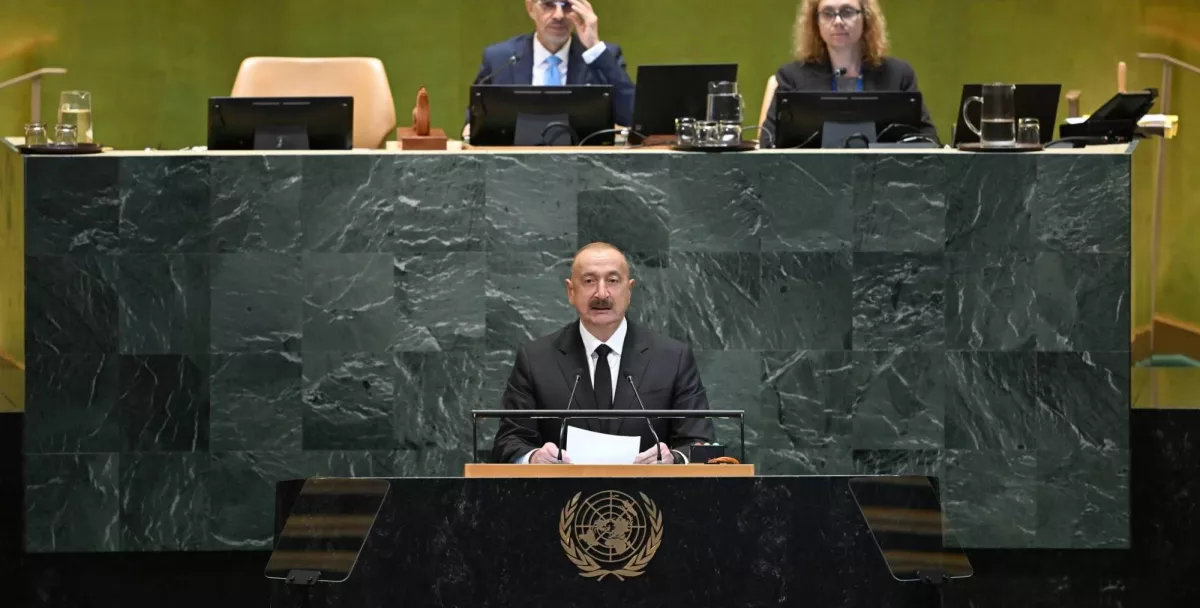
Azerbaijan is moving confidently forward, confirming the words of President Ilham Aliyev that the country has entered a new era: “We won, both in war and in peace.”
And Lachin has perhaps become one of the most vivid symbols of this new era.







 editor@caliber.az
 +994 55 444-88-98
 Азербайджан, Баку, ул. Низами, 203, Af Business House, 5-й этаж