










The cost of a peaceful sky Reflections amid war in Ukraine
With each passing day, the full-scale Russian-Ukrainian war is increasingly becoming a battle of technology, while attacks on Ukrainian cities are growing more intense, larger in scale, and increasingly sophisticated.
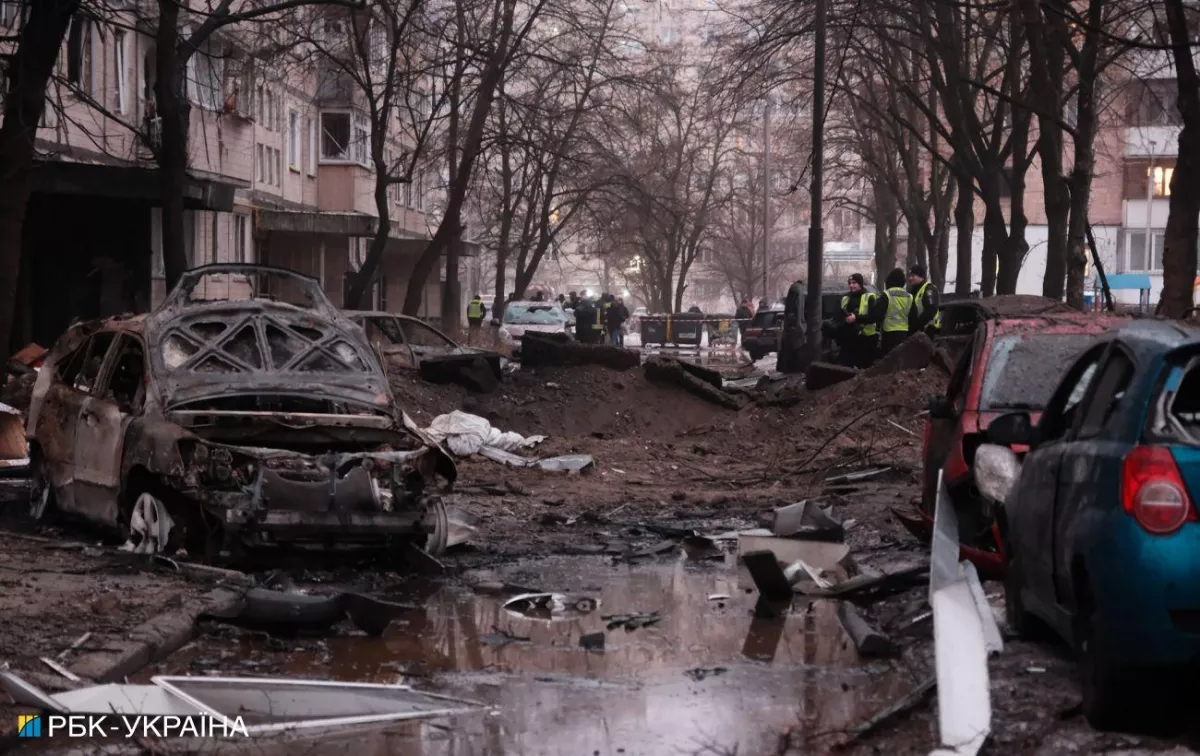
On June 10 and into the early hours of June 11, Russian forces launched strikes on Kyiv, injuring eight people, including an 11-year-old child. It cannot be ruled out that the number of casualties will rise in the coming hours, as may the extent of the reported damage to critical infrastructure, since, according to Reuters and confirmed by experts from the London-based Centre for Information Resilience (CIR), Russia is now using manoeuvrable FPV drones controlled via thin fibre-optic cables.
This technological feature makes the drones immune to electronic warfare (EW) systems, as their connection to the operator does not rely on radio signals. As a result, Ukraine's existing protective measures—such as concrete shelters and anti-drone nets, which have proven effective against missiles and Shahed drones—may no longer provide adequate protection.
Unfortunately, the technological innovations do not end there. The latest attack on Kyiv was the second in a row to occur without a prior air raid alert. This is because Russian forces have learned how to circumvent Ukraine's warning system, presenting Kyiv with a serious challenge.
Such a development could have devastating consequences. In this context, one cannot help but recall the words of Mikheil Saakashvili, who said in an interview with DW that, "in the final stage of the war, Kyiv will resemble London during the Second World War."
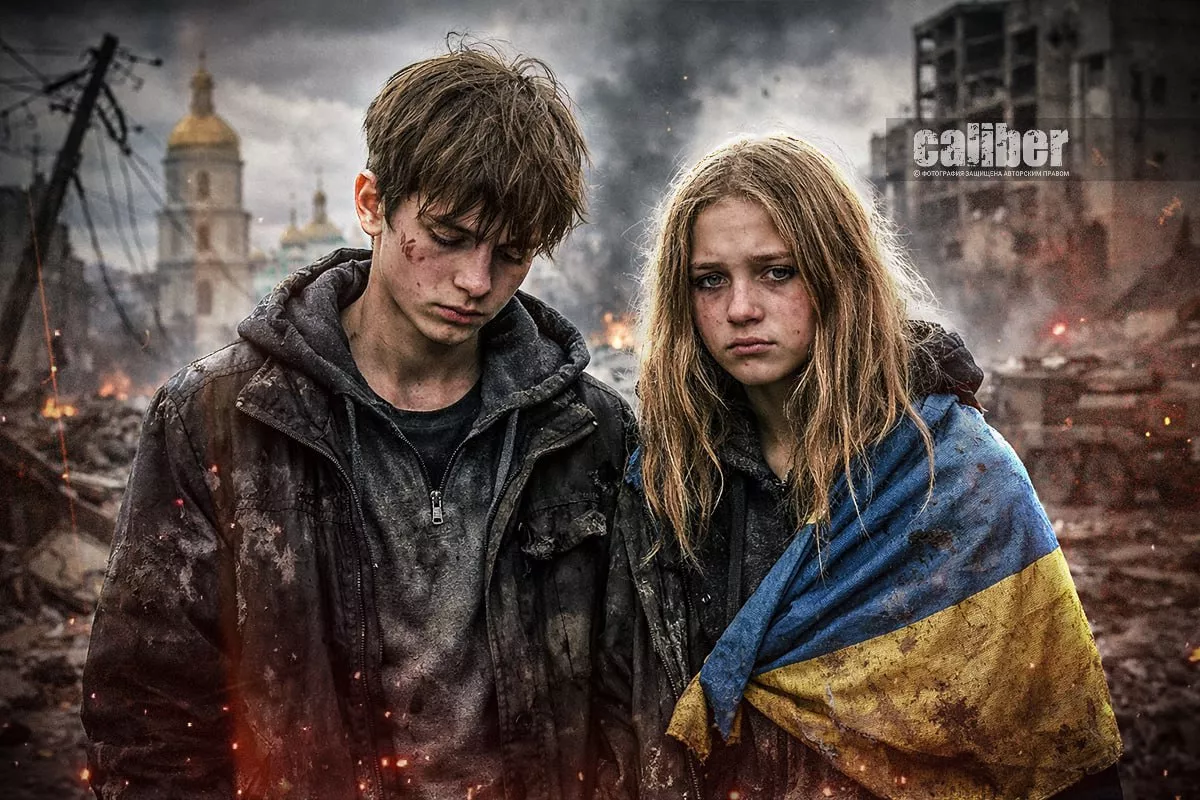
Perhaps, upon reading these lines, some may utter the familiar phrase: “What can you do? War is war, and people die in it.” Nor can they be blamed for saying so, for they have not seen with their own eyes or felt on their own skin the horror that Ukrainians endure every single day. No news report or television broadcast can ever replicate the reality of being there.
While people in other countries, where peace and stability prevail, are free to make plans for the future, Ukrainians live one day at a time, grateful that, after yet another attack, their homes have not been reduced to rubble, and thanking God that their loved ones have survived.
Even in Azerbaijan, a country that has itself experienced the horrors of war, not everyone fully grasps the tremendous price Ukraine is paying in this conflict. The greatest loss is the loss of confidence in tomorrow.
Fortunately, the people of our country can stroll peacefully through parks and along Baku Boulevard. Their concerns are of an entirely different nature and, believe the author of these lines, are insignificant compared to those faced by Ukrainians. More importantly, they are the concerns that belong to a life lived in peace.
At a time when, in different corners of the world, the ground is quite literally burning beneath people’s feet, there is no greater blessing than a sky free of drones and missiles overhead. I say this as a living witness to the hell in which war-ravaged Ukraine has endured for more than fifty months.







 editor@caliber.az
 +994 55 444-88-98
 Азербайджан, Баку, ул. Низами, 203, Af Business House, 5-й этаж