










Ukraine's military arithmetic Tariffs, attacks, and waiting for winter
One of the most widely discussed topics among residents of the Ukrainian capital has been the increase in fares for the city's municipal public transport. A single ride now costs 30 hryvnias, a change that will undoubtedly put additional pressure on the budgets of Kyiv residents, particularly amid the ongoing Russia–Ukraine armed conflict.
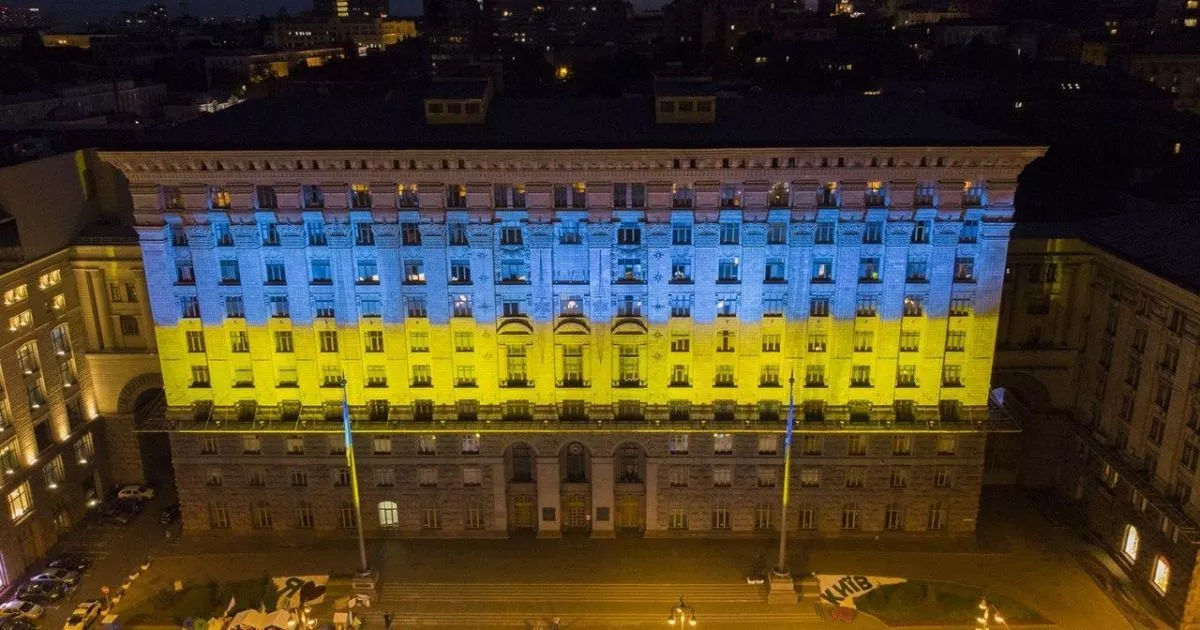
The Kyiv City Administration justified the decision by noting that public transport fares had not been revised since 2018, while the country's economic landscape has changed dramatically over that period. Prices for electricity, fuel, spare parts, and infrastructure maintenance materials have risen sharply, and labour costs for municipal employees have increased substantially. At the same time, the war has significantly altered passenger traffic, as many residents have left the capital and a considerable share of the workforce has shifted to remote work.
At the same time, according to calculations by the city's transport operators, the economically justified fare today would be around 64.6 hryvnias for the metro and more than 44 hryvnias for surface public transport. However, the city authorities opted to set the fare at a much lower level—30 hryvnias. They also introduced a discounted pricing system: the more trips a passenger purchases, the lower the cost per ride, with the price falling to 25 hryvnias when buying larger travel packages. In addition, following public consultations, the price of an unlimited monthly travel pass was reduced by 25%, bringing its final cost to 3,656 hryvnias.
At the same time, this issue cannot be viewed solely through the lens of fare increases. More than four years into the full-scale war, the economic realities of Ukraine's cities have changed dramatically. As the country's largest economic hub, Kyiv allocates vast resources to maintaining its urban infrastructure. The city's 2026 budget exceeds 106 billion hryvnias, with more than 21 billion hryvnias earmarked for the transport sector, including compensation for subsidised travel for eligible groups, while 38 billion hryvnias is allocated to social spending. An additional 7.5 billion hryvnias have been set aside for the restoration of damaged facilities, as the capital continues to face regular Russian missile strikes and drone attacks that damage residential buildings, energy infrastructure, healthcare facilities, and educational institutions. As these figures demonstrate, even for a city with a budget as large as Kyiv's, the financial burden remains considerable.

However, a number of transport experts warn that higher fares could alter residents' travel habits, prompting some passengers to abandon municipal public transport in favour of privately operated minibuses (marshrutkas). At the same time, it is important to consider that many journeys in Kyiv require transfers between the metro, buses, trolleybuses, and trams. In such cases, a family's daily transportation costs could rise significantly. Another factor that cannot be overlooked is that the cost of food, housing, and many services in Kyiv remains among the highest in Ukraine. As a result, transportation is becoming yet another expense, placing additional strain on household budgets.
Against this backdrop, Kharkiv is often cited as the only major Ukrainian city where public transport remains free of charge. At first glance, such a policy may appear attractive, but it comes with serious financial consequences. According to Ukrainian media reports citing official statements, Kharkiv's municipal transport operators have accumulated approximately 31 billion hryvnias in debt to state-owned gas and electricity suppliers—the largest such debt of any Ukrainian city.
In particular, the most difficult situation has developed at Kharkiv Heating Networks, whose outstanding debt for natural gas is estimated at 22 billion hryvnias. The city's water utility has also accumulated substantial liabilities. This situation illustrates that free public transport does not, in itself, resolve underlying economic problems. On the contrary, when the transport system lacks sufficient revenue, authorities must seek funding from other sources, and if those prove inadequate, the debt burden on municipal utilities continues to grow.
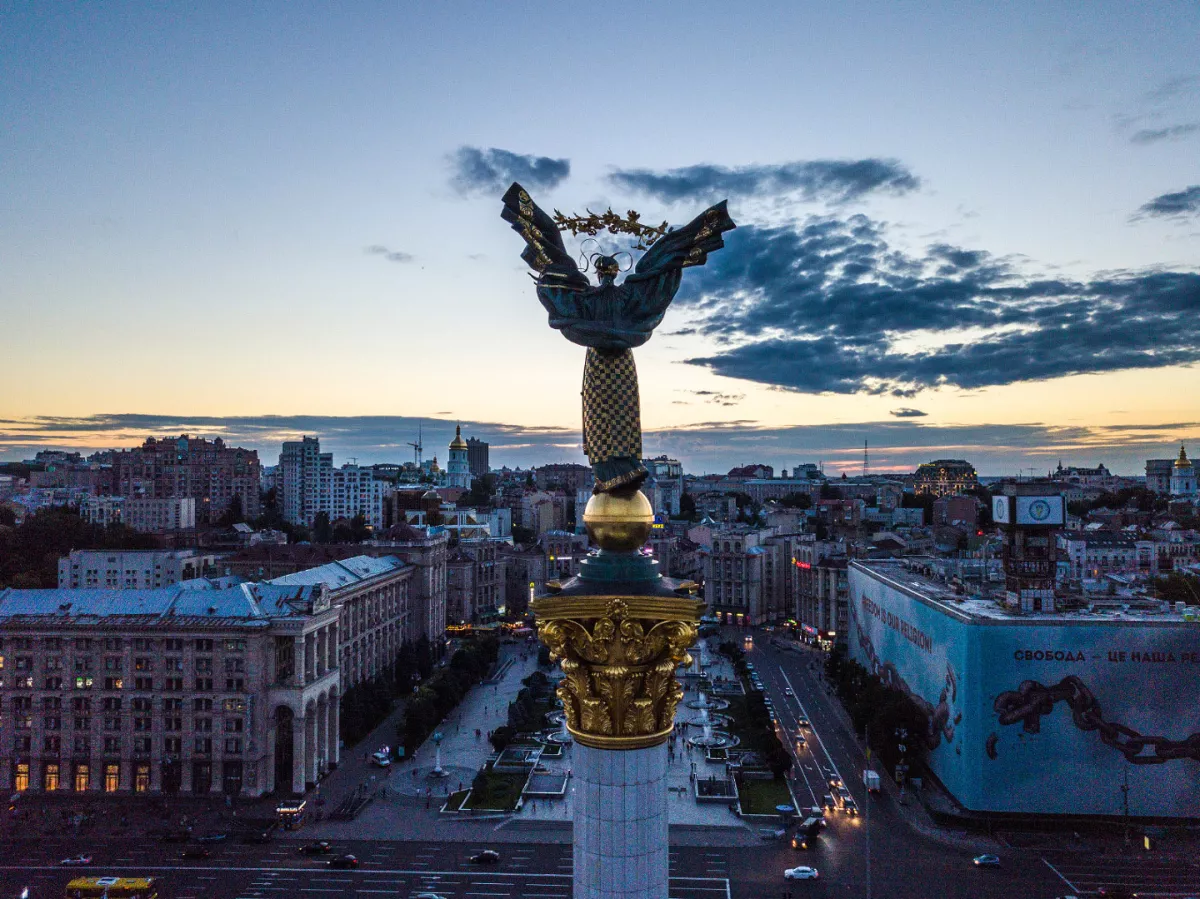
As a result, Ukrainian cities are effectively confronted with a difficult dilemma: either raise fares to preserve the relative financial sustainability of municipal transport operators, or maintain low fares—or even free public transport—by covering the costs through the budget while allowing debts to accumulate.
Each of these approaches has its own advantages and risks, all of which are objectively exacerbated by the ongoing war, relentless Russian missile and drone attacks, and the need to ensure reliable heating, a stable energy system, and uninterrupted municipal services. Compounding these challenges is the increasingly visible political tension between Kyiv Mayor Vitali Klitschko and Ukraine's national leadership under President Volodymyr Zelenskyy.
Under such conditions, fare policy is no longer merely an economic issue—it has become a social one as well. Consequently, forecasts about how Ukrainians will cope with the coming winter are growing increasingly pessimistic.







 editor@caliber.az
 +994 55 444-88-98
 Азербайджан, Баку, ул. Низами, 203, Af Business House, 5-й этаж