










American pie for Europe Washington backs Europe’s right with new grants
No sooner had experts and analysts begun to speak of a semblance of convergence between the United States and Europe on a number of issues than a new controversy erupted. The U.S. Department of State has announced a grant competition with total funding of up to $3 million to support projects across Europe focusing on freedom of speech, countering censorship, and safeguarding democratic institutions.
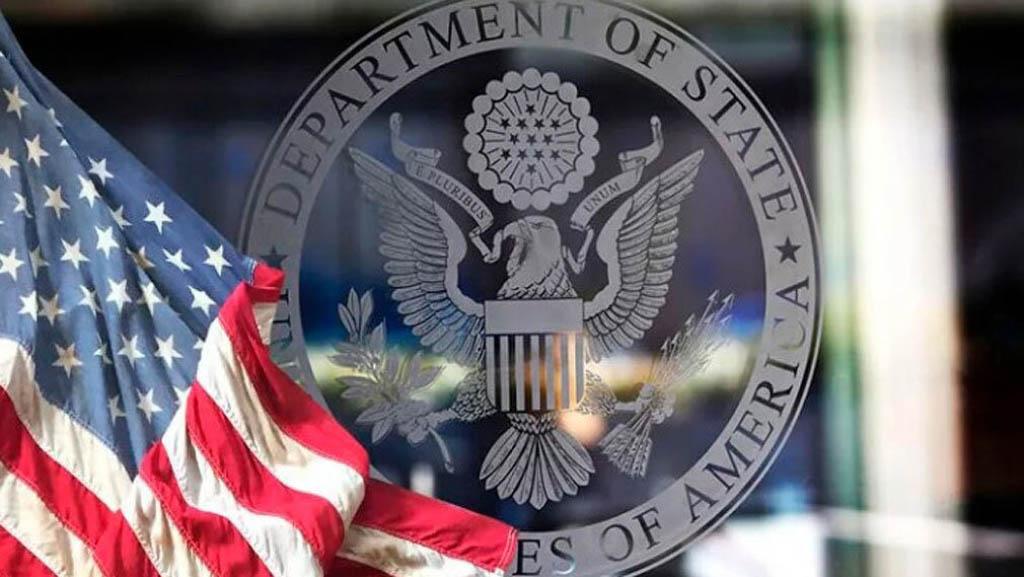
It all sounds strangely familiar, albeit with a touch of irony. Whereas Washington once launched such programs in countries of the so-called "Third World," ostensibly to teach them democracy while advancing its own geopolitical interests, the latest target is Europe's old ally in promoting free speech around the globe. Such are the times. Donald Trump's campaign against liberal globalism, launched after his return to the White House, has led him to apply the same well-tested methods to America's former partners.
In the view of the U.S. president and his team, liberal globalism has brought about a crisis not only in Western economies but also in Western identity. From this perspective stems the administration's desire to weaken the position of Europe's liberal political establishment and create more favorable conditions for the rise of conservative forces, which Washington increasingly regards as its ideological allies. The White House believes these conservative movements are facing unprecedented pressure from Europe's ruling liberal elites.
A striking example of such pressure is Germany, where proceedings have been launched against the increasingly popular right-wing party Alternative for Germany (AfD) that could ultimately lead to its being banned by the courts. An even more dramatic precedent unfolded in Romania, where the Constitutional Court annulled the results of the first round of the presidential election, officially citing electoral irregularities and alleged foreign interference. Critics of the decision, however, argue that the real reason was the unexpected success of independent right-wing candidate Călin Georgescu. The same pattern, they contend, can be seen in the legal proceedings against Marine Le Pen and her associates in France, which many on the European right view as an attempt to sideline them politically. For the Trump administration, all of these cases reinforce its argument that Europe's political mainstream is using state institutions to marginalize its political opponents.
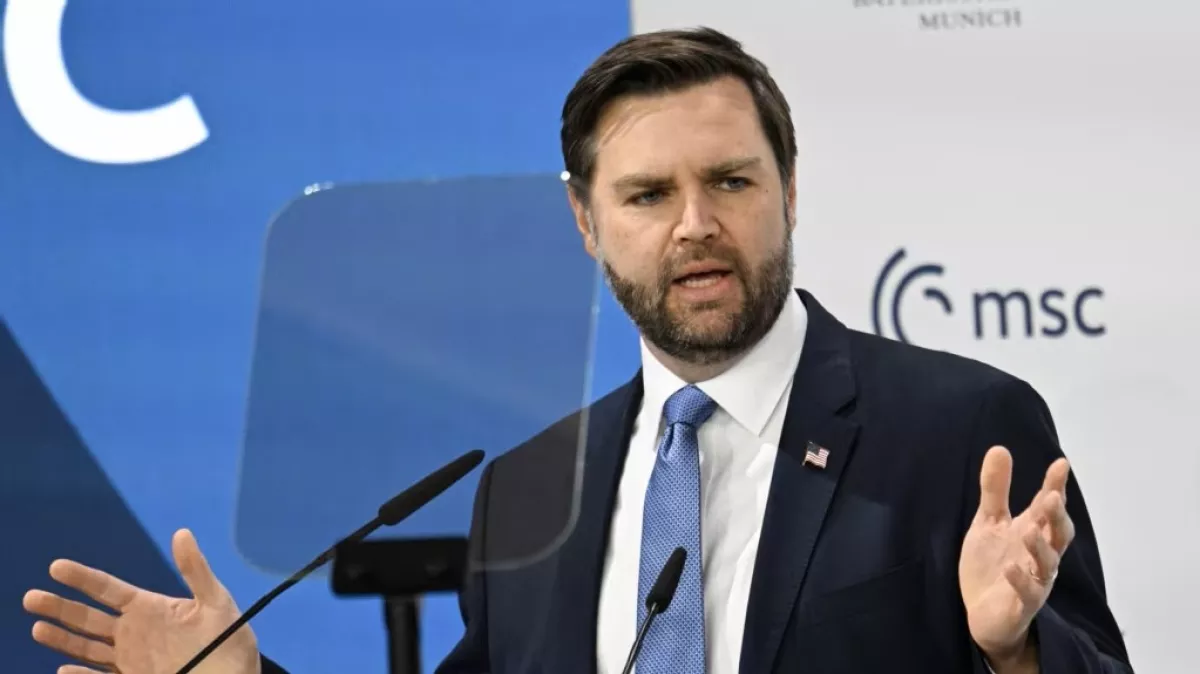
As early as January 2025, speaking via video link at the World Economic Forum in Davos, Donald Trump announced an end to the U.S. government's policy of combating "disinformation," declaring that his administration had "saved free speech." At the same time, he sharply criticized the European model of regulation, describing the EU's bureaucratic procedures as excessive and accusing Brussels of discriminating against American companies. Later that year, Vice President J.D. Vance echoed this message at the Munich Security Conference, arguing that the greatest threat to European democracy came not from external actors but from internal restrictions on freedom of expression.
As early as January 2025, speaking via video link at the World Economic Forum in Davos, Donald Trump announced an end to the U.S. government's policy of combating "disinformation," declaring that his administration had "saved free speech." At the same time, he sharply criticized the European model of regulation, describing the EU's bureaucratic procedures as excessive and accusing Brussels of discriminating against American companies. Later that year, Vice President J.D. Vance echoed this message at the Munich Security Conference, arguing that the greatest threat to European democracy came not from external actors but from internal restrictions on freedom of expression.
As the official justification for the new initiative, the State Department explicitly cited a speech delivered by Marco Rubio at the 2026 Munich Security Conference, in which the Secretary of State called for a renewed partnership between the United States and Europe to address today's challenges, such as mass migration and violations of free speech. Unsurprisingly, many European politicians interpreted the initiative as a direct attempt at political interference.
German Chancellor Friedrich Merz responded by stating that Berlin does not interfere in the United States' domestic political affairs and expects Washington to adhere to the same principle. In his view, funding civil society organizations involved in politically sensitive domestic debates could be perceived as indirect interference in the democratic processes of EU member states. Berlin's particularly strong reaction is also driven by the fact that several German states are due to hold elections in September. U.S.-funded grants, Merz warned, could benefit conservative Eurosceptic forces, reminding observers that both direct and indirect foreign financing of political parties is prohibited under German law.
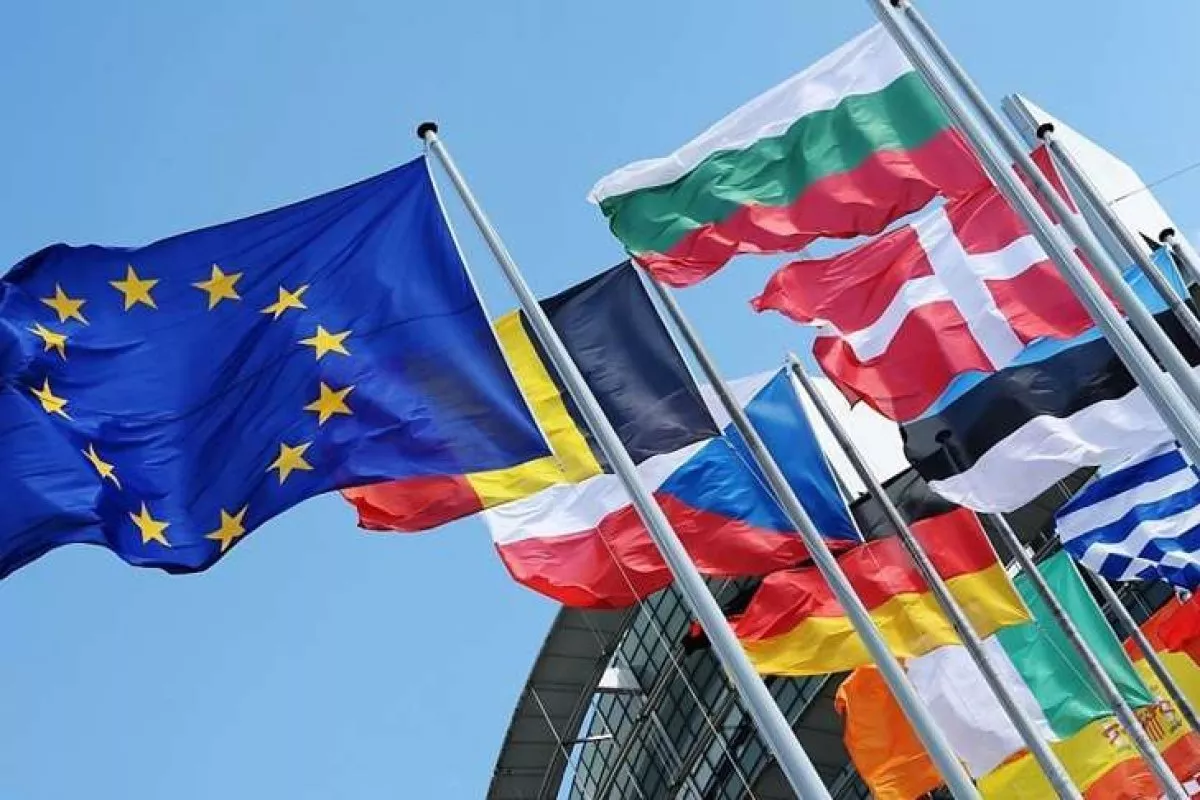
What particularly irritates European governments is not the allocation of funds itself, but the mechanism through which they are distributed and the ideological criteria underpinning the program. Although the grants are not awarded directly to political parties, they are available to think tanks, civil society organizations, research projects, media initiatives, and human rights groups. At the same time, the eligibility requirements bear clear hallmarks of the MAGA worldview: applicants are expected to promote the protection of "national sovereignty" and oppose the use of legal mechanisms for political purposes—commonly referred to as lawfare. With U.S. funding, such organizations can shape the public agenda by publishing reports, organizing conferences, running media campaigns, and providing expert input into legislative debates.
For example, if a U.S.-funded organization were to launch a sustained campaign against the EU's Digital Services Act (DSA), which regulates online platforms, it would reinforce Washington's argument that Brussels is restricting freedom of speech. Similarly, grants could support projects critical of the EU's migration policies, thereby advancing positions closely aligned with those of the current U.S. administration. European media have already identified potential beneficiaries, ranging from Britain's Free Speech Union to French conservative think tanks such as Western Arc.
In other words, while Washington formally presents the program as support for civil society, its network of grant recipients gives it the capacity to amplify in Europe's public sphere the narratives and arguments that serve its foreign policy and ideological objectives. Ultimately, the ideological fault line no longer runs primarily between the West and the rest of the world, but increasingly through the West itself. And the struggle over freedom of speech is becoming ever more exposed as a tool of political influence.







 editor@caliber.az
 +994 55 444-88-98
 Азербайджан, Баку, ул. Низами, 203, Af Business House, 5-й этаж