










Operation "Changing the Era": How Péter Magyar reshapes Hungary's power architecture Article by Matanat Nasibova
Having assumed office as Hungary's Prime Minister, Péter Magyar has initiated large-scale reforms of the country's political system, including constitutional amendments limiting the cumulative term of office of the prime minister to no more than eight years, reducing the maximum tenure of members of parliament to 12 years, and establishing an age limit of 70 for judges of the Constitutional Court.
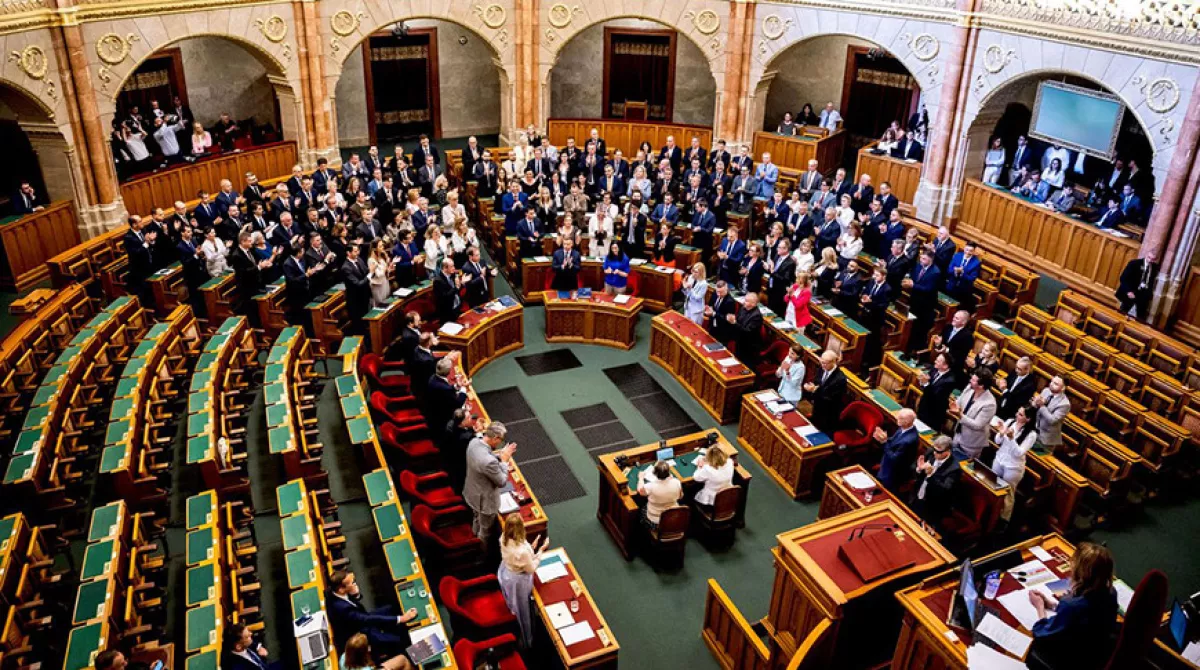
As part of the ongoing course of reforms, the Hungarian Parliament, by the same margin of 139 votes in favour and six against, adopted a decision to remove President Tamás Sulyok from office. The move triggered a major political backlash within the country. In particular, the parliamentary group of former Prime Minister Viktor Orbán's Fidesz party and the Christian Democratic People's Party boycotted both the parliamentary session and the voting process itself, while Fidesz parliamentary group leader Gergely Gulyás resigned in protest. However, be that as it may, Hungary's incumbent President Tamás Sulyok has five days to sign the resignation statement or refer the matter to the Constitutional Court.
Let's now try to analyse the consequences of the political upheavals in the highest echelons of power, both for the domestic audience and in the context of Budapest's future relations with the European Union. In this regard, it is first necessary to highlight the fact that the political developments unfolding in Hungary in recent months reflect an overt transformation of the system of power established throughout Viktor Orbán's tenure as prime minister and demonstrate that Péter Magyar is capable of delivering on his promises. As is well known, during his election campaign, he pledged that, if victorious, he would not merely replace the cabinet but fundamentally change the model of governance, which on a number of issues had run counter to the interests of the EU.
Accordingly, the removal of representatives of the previous administration from office is a logical continuation of Magyar's political course, as following the president's dismissal, Fidesz loses one of its last remaining levers of institutional influence. In other words, this is not merely a personnel decision, but a break with the Viktor Orbán era aimed at establishing a new political reality.
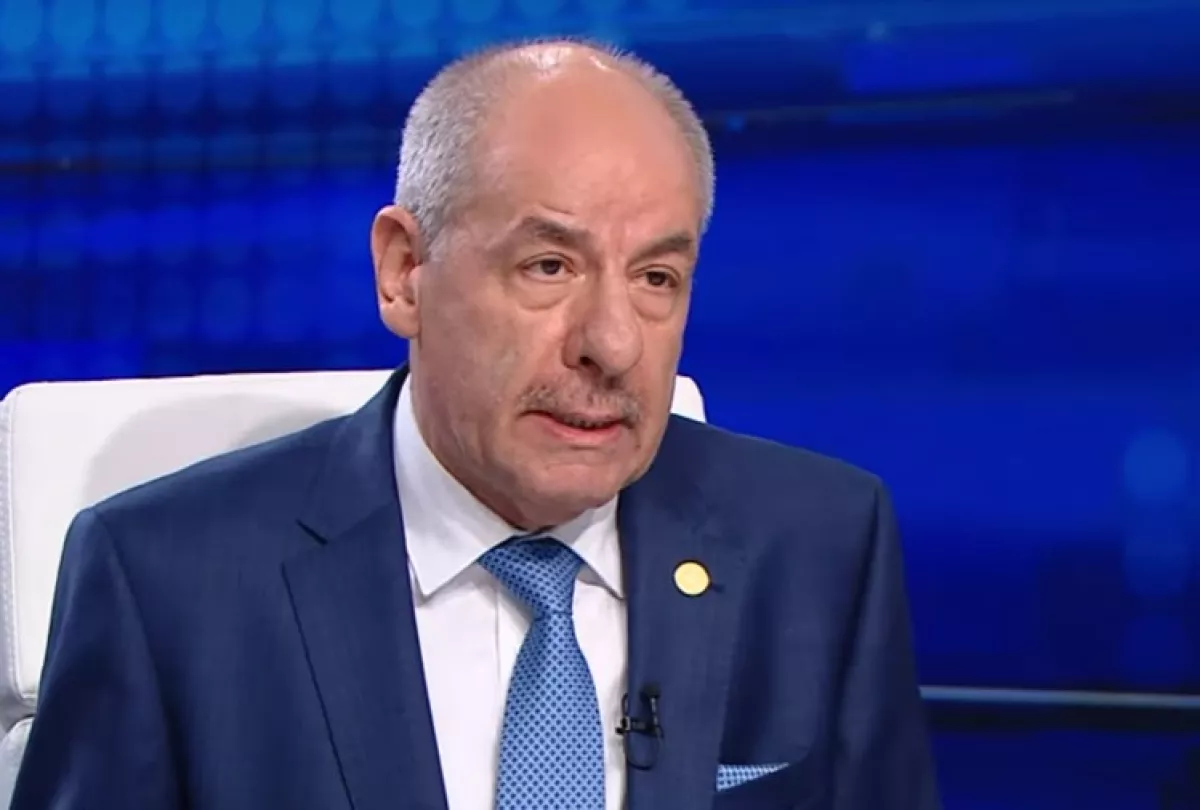
Under these circumstances, the answer to the question, "Will Tamás Sulyok step down voluntarily?" appears to be self-evident. The incumbent prime minister has already stated that if the president refuses to sign the newly adopted measures, impeachment proceedings will be initiated—a scenario that is more than likely, given that Magyar's government commands a constitutional majority in parliament.
At present, no official candidate for the presidency has been announced, although the issue has most likely already been discussed behind closed doors within the government. As for the expert and analytical community, opinions vary. Some analysts believe that a well-known diplomat or senior public official may be appointed to the post, while others argue that the presidency could be entrusted to a non-partisan legal expert or a former judge, which would clearly demonstrate the authorities' intention to establish new principles of state governance.
When viewed in a broader context, these developments suggest that Sulyok's removal is part of a far-reaching reform agenda that also envisages such complex measures as overhauling the judicial system and adopting a new constitution. As a result, if the planned reforms are fully implemented, Hungary will complete its transition from Orbán's model of "illiberal democracy" to a more pro-European course, which clearly works to Brussels' advantage, especially given that relations with the EU have significantly improved since Péter Magyar came to power.
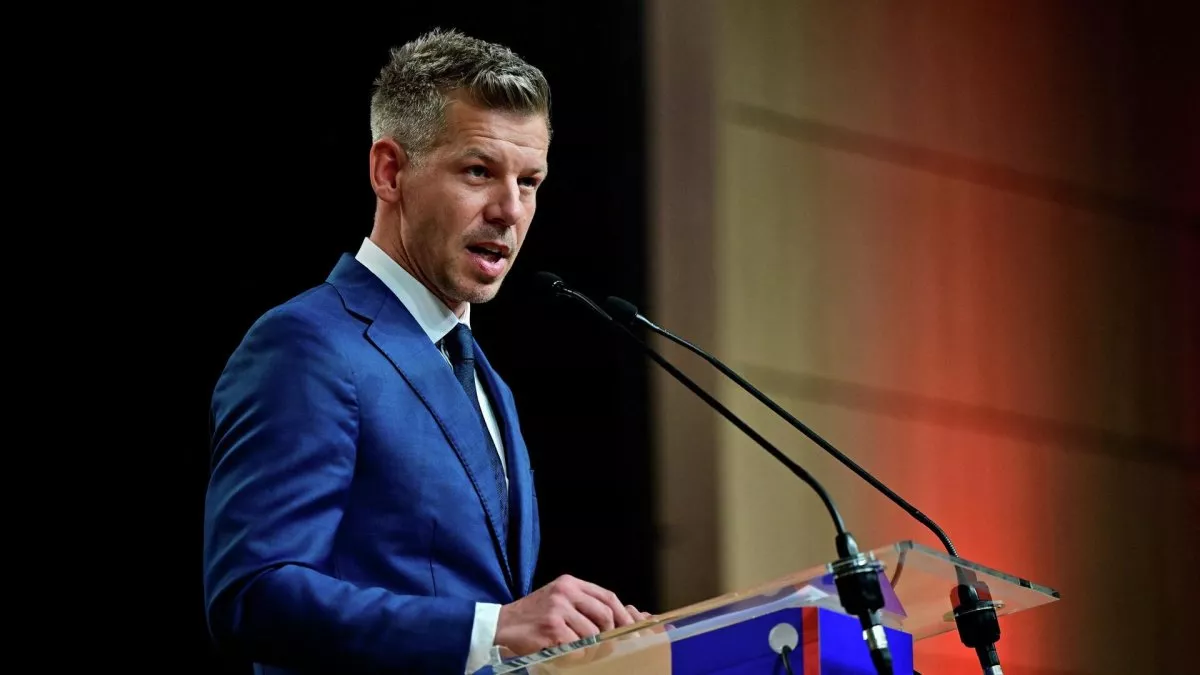
This is clearly reflected in the latest developments in Hungary–EU relations. As is well known, one of the most pressing financial issues was resolved in June 2026, when the Hungarian prime minister reached an agreement with the European Commission on unfreezing almost all EU funds, enabling the government to gain access to billions of euros that had been blocked under Viktor Orbán.
However, Brussels is one thing, and Hungary itself is another. Despite Magyar's strong approval ratings, not everyone in the country supports the government's legislative initiatives. In particular, several human rights organisations have expressed serious concern over the procedure for removing the president, arguing that it is questionable from the standpoint of constitutional safeguards. Therefore, it cannot be ruled out that the new authorities will face accusations of excessive concentration of power.
In addition, Viktor Orbán himself may also play a significant role. He has already sharply criticised the government's actions, stating that any attempt to remove the president by force would be unlawful, and warning that if Sulyok is dismissed, Fidesz will recognise neither the legitimacy of the decision itself nor that of his successor. For their part, supporters of the former prime minister have described the reforms initiated by Magyar as "the end of constitutional democracy and the beginning of authoritarian rule in Hungary." For example, Miklós Panyi, speaking on behalf of the parliamentary group, declared that Orbán's allies "will not take part in dismantling democracy" and would therefore boycott all stages of the consideration of the constitutional amendments.
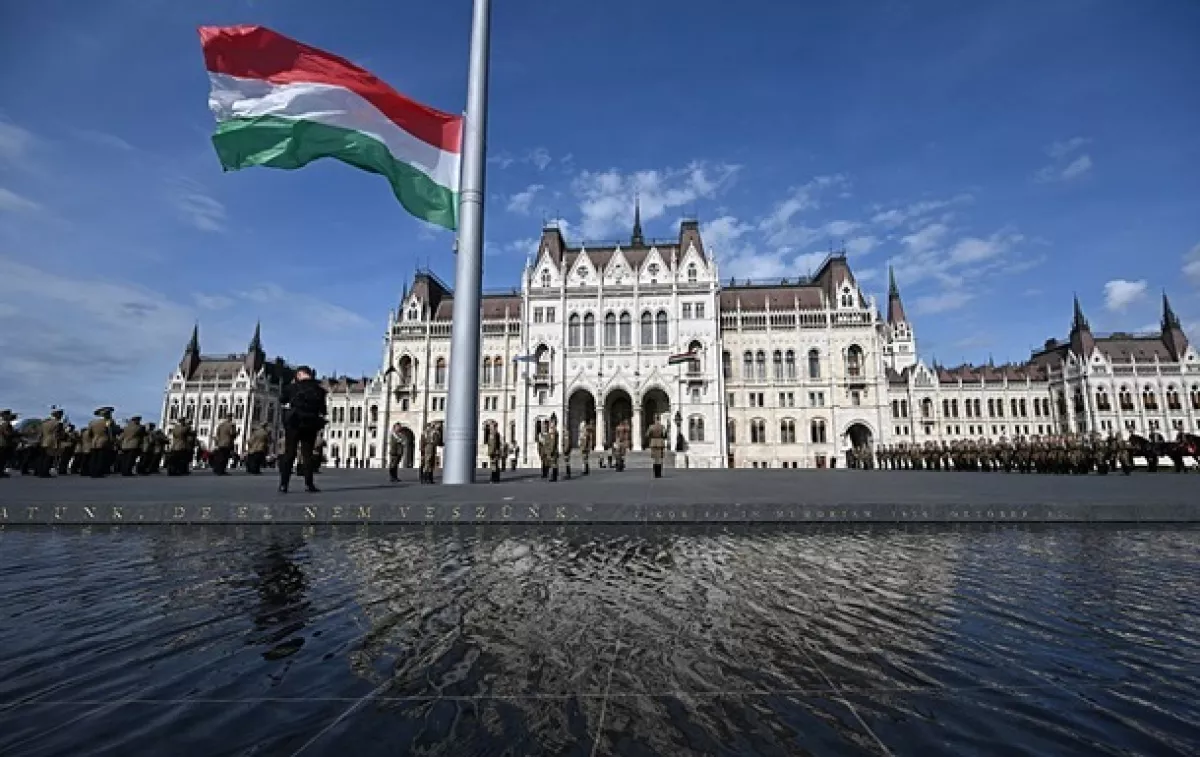
However, the incumbent prime minister's cabinet is clearly determined to follow through on its declared strategy, as evidenced by the establishment of the National Asset Recovery and Protection Authority (NVVH), which will investigate corruption and recover assets unlawfully diverted from public ownership. According to the government, "over the past two decades, approximately 30 trillion forints (around $97.1 billion) have been transferred from state ownership into private hands through corruption-related crimes and illegal transactions."
Thus, as part of the new government's sweeping institutional reforms, the country has effectively established an institution whose activities are certain to trigger a new wave of political tensions within Hungary. How fully Prime Minister Magyar will succeed in carrying out his operation "Cleansing Fire" under these circumstances, however, remains to be seen.







 editor@caliber.az
 +994 55 444-88-98
 Азербайджан, Баку, ул. Низами, 203, Af Business House, 5-й этаж