










Pragmatism vs unity Why Europe is rethinking its Russia sanctions
On July 17, the Council of the European Union announced the introduction of another package of restrictive measures against Russia. The sanctions targeted one individual and five companies belonging to the ABS Electro group, which manufactures electronic components used by Russia’s military-industrial complex, including in the field of drone technologies. The decision came in response to yet another wave of massive Russian strikes on Kyiv and other Ukrainian cities, which resulted in damage to civilian infrastructure.
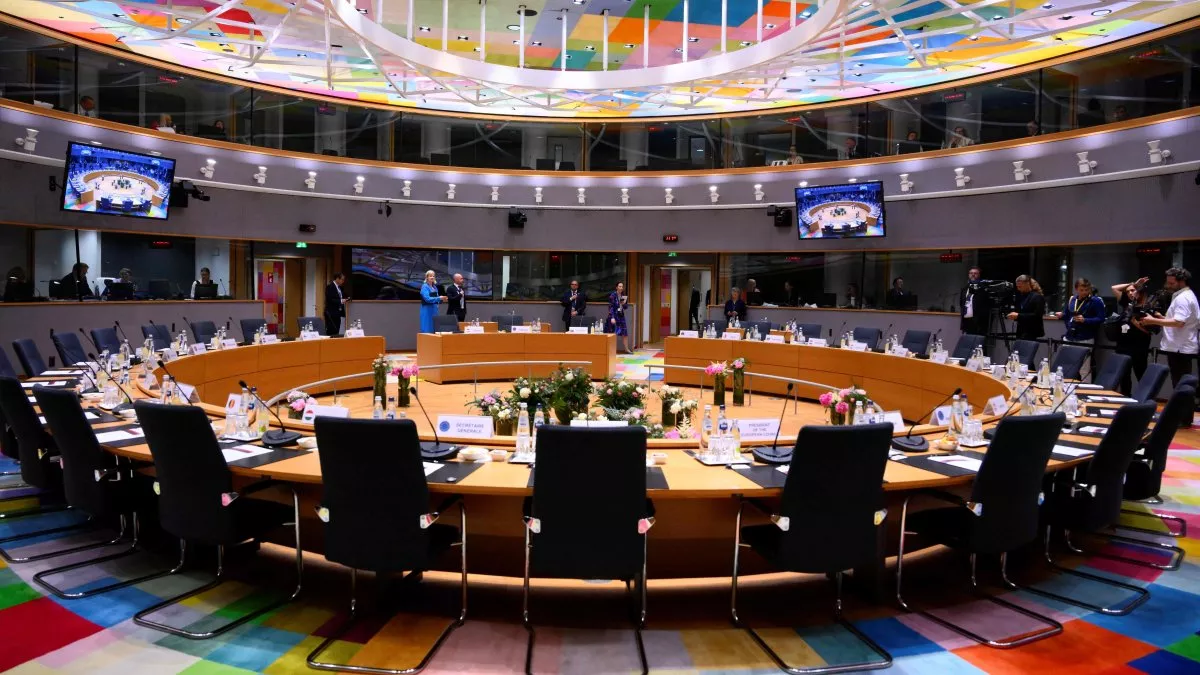
Unfortunately, even after this decision, Russia has continued to launch missile and drone attacks on Kyiv, Odesa, Kharkiv, and other cities. However, this article is not about Russia’s actions. At first glance, it may seem that the European Union’s sanctions policy remains as tough as ever. However, the influential Financial Times has published an article indicating a noticeable shift in sentiment within the European Union. According to the newspaper, an increasing number of member states are demanding various exemptions from new sanctions packages, seeking to protect their own economic interests.
And this raises a legitimate question: “Does this mean that Europe has grown tired of Ukraine?” — a question that requires a deeper analysis. First and foremost, it should be noted that Europe has already done a great deal for Ukraine. Over the four and a half years of the full-scale war, the European Union has become Kyiv’s largest cumulative donor. According to EU institutions, European support has taken many forms — including military, financial, humanitarian and budgetary assistance, support for refugees, and macro-financial programmes.
For example, in April 2026, the Council of the EU finally approved a new €90 billion loan programme to support Ukraine’s most urgent budgetary and defence needs in 2026–2027. Under this framework, the defence component provides funding for arms procurement, including drones, long-range strike capabilities, and aircraft. In July, the European Union confirmed its readiness to allocate another tranche of around €10 billion for these purposes.
At the same time, if one sums up the assistance already provided since 2022 together with newly approved programmes, EU and member-state support for Ukraine by July 2026 exceeds €200 billion across various areas. These are enormous sums. Therefore, it would be incorrect to claim that Europe is “abandoning” Ukraine. But why, then, are disagreements emerging over the approval of another sanctions package against Russia?
As the Financial Times notes, the longer the war continues, the more strongly the national economic interests of individual countries begin to come into play. According to the publication, during discussions over the new sanctions package, Greece, France, Italy, Germany, Austria, and Portugal sought exemptions, with each country guided by its own pragmatic considerations.
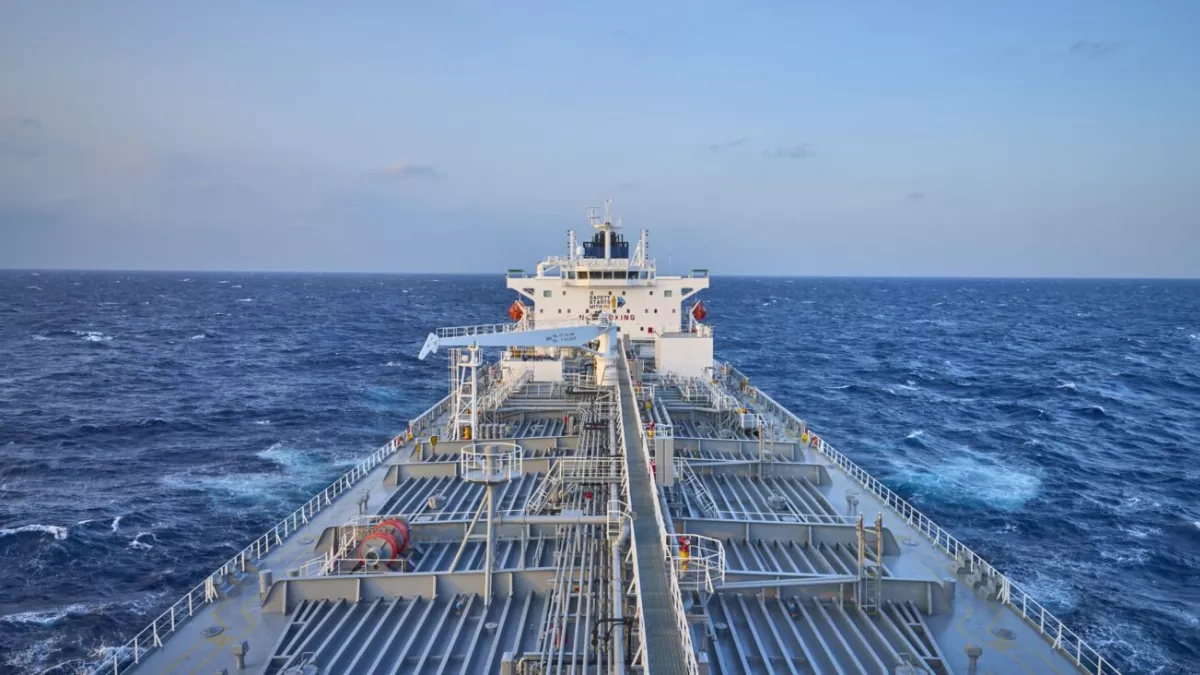
Greek shipping companies have traditionally been among the largest players in the global maritime transport market. Accordingly, Athens sought to protect the interests of its shipping sector, which until recently was actively involved in transporting Russian liquefied natural gas. For Greek shipowners, such restrictions represent direct financial losses.
As for Germany, due to the large-scale reduction in economic ties with Russia after 2022, German industry remains one of the sectors of the European economy that has suffered the most. At the same time, it is undeniable that cheap Russian energy supplies had long been a key factor behind Germany’s competitiveness. Today, Berlin opposes certain restrictions on imports of Russian fish products, seeking to protect the interests of specific processing industries.
Meanwhile, Paris has traditionally sought to combine a tough political stance with the protection of the interests of its major companies. France is home to businesses that historically maintained significant investments in the Russian economy. Therefore, French diplomacy often pushes for a more targeted approach to the design of sanctions mechanisms.
As for Italy, before 2022, Russia was one of its important trading partners. Relations were particularly close in sectors such as machinery, equipment manufacturing, fashion, and energy, and the severing of these ties has come at a high cost for Italian businesses.
The Austrian economy has also traditionally maintained deep financial ties with Russia. In particular, Austrian banks had been actively operating in the Russian market for decades. In addition, Vienna was for a long time one of Europe’s largest gas hubs. At the same time, Lisbon opposed certain restrictions that could negatively affect its national economic interests, including measures related to the import of specific types of products.
At this point, it is important to highlight a fundamental point: the economic interests of these countries do not in any way imply support for Russian policies. Rather, they reflect an attempt to minimise the damage to their own economies. In essence, Europe has found itself facing a classic dilemma. On the one hand, there is the need to maintain pressure on Moscow; on the other, there is the growing cost of this pressure for European citizens, businesses, and industries. This is precisely why one diplomat quoted by the Financial Times acknowledged that the moral imperative is gradually giving way to pragmatism. Another source cited by the publication warned that if every country begins demanding exemptions, sanctions packages risk turning into an “empty box.”
At the same time, it would be incorrect to place responsibility for this situation solely on European states. The root cause of the large-scale sanctions regime is undoubtedly the Russia–Ukraine war, which has led to an unprecedented breakdown in economic relations between Russia and the European Union. Before the outbreak of the full-scale armed conflict, cooperation had been mutually beneficial: Russia exported energy resources, European companies invested in the Russian economy, and bilateral trade was measured in hundreds of billions of euros.
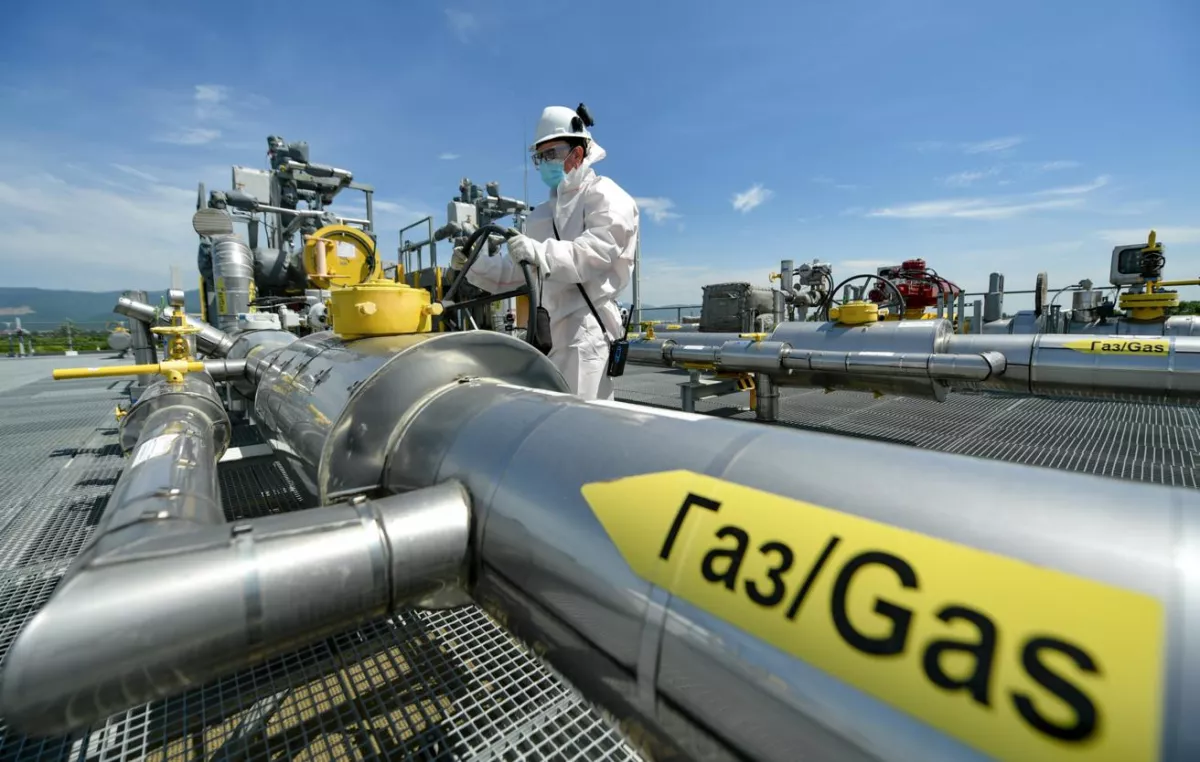
At the same time, this entire situation demonstrates a much broader process. Modern geopolitics is becoming increasingly less ideological and more pragmatic. The principle of national interest is gradually coming to the forefront. Even within the European Union, which for a long time was considered a model of collective solidarity, the logic of “everyone thinks of themselves first” is becoming increasingly evident today. This does not necessarily mean the collapse of European unity, but rather indicates that national governments are increasingly assessing foreign policy decisions through the lens of their domestic economic consequences.
For Azerbaijan, such developments do not come as a surprise. For many years, Baku has shaped its foreign policy primarily around its own national interests, without expecting leading global powers to ensure the restoration of the country’s territorial integrity. Azerbaijan addressed all issues through its own political, economic, and military capabilities, while actively using diplomatic instruments as well. Moreover, the country achieved the triumph of international law despite the opposition it faced from leading global powers. This is precisely why the price of our historic victories has been so high — especially when one considers what is currently unfolding on the global political stage.







 editor@caliber.az
 +994 55 444-88-98
 Азербайджан, Баку, ул. Низами, 203, Af Business House, 5-й этаж