










Pope Leo XIV: The light of faith against the darkness of war Review by Teymur Atayev
In his recent video message to the young men and women of Iraq, Pope Leo XIV described youth as a period of life marked by the desire to accomplish great things and change the world for the better, which is consistent with religion's calling to bring people into communion with God.
The head of the world's Catholics stated that it is young people who must be the light of faith amid the darkness that can sometimes seem insurmountable. Urging them not to be afraid of this path, he acknowledged that being a light in today's world, torn apart by wars, is not easy. The Pontiff then explained what constitutes the inner light that every person needs in order to dispel the darkness enveloping the modern world.
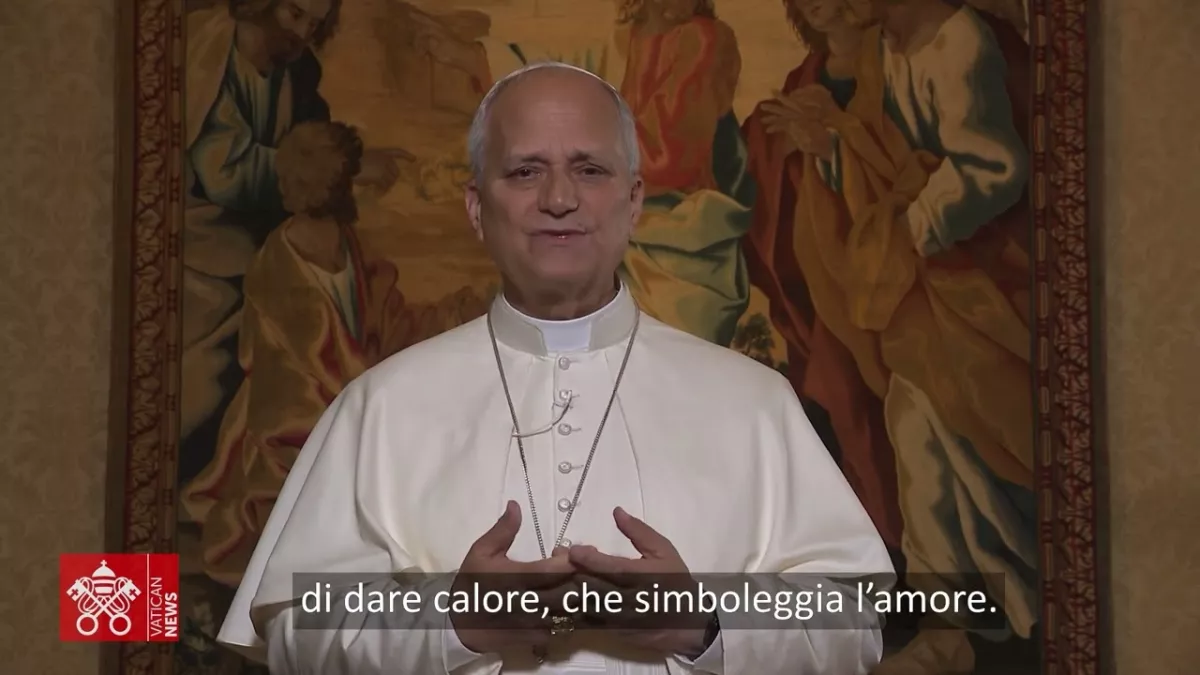
Describing light as an essential condition for sight and a gift of faith, the Pope emphasized that faith is not a mechanism for overcoming difficulties but a life lived in truth, expressed through striving to see other people as God sees them. According to him, such a perspective becomes possible only when a person is confident that the Creator is near, even though we cannot see Him physically.
In Leo XIV's view, it is precisely faith as a way of life that enables a person to bear witness to the truth and bring light to others. This becomes possible when one comes to know God by opening oneself to His love, including through prayer.
According to the head of the Vatican, light is essential for growth and new life, which symbolize hope. It is through this that a person becomes a peacemaker, capable of inspiring hope for the future in others by embracing mercy.
Pope Leo XIV once again spoke out against war, calling it the darkness of life. Urging young people not to fear what is happening, he effectively encouraged them to follow in their daily lives one of Jesus' (Isa's) most important teachings: “in everything, do to others what you would have them do to you, for this sums up the Law and the Prophets" (Matthew 7:12).

Overall, Leo XIV has repeatedly spoken out against resolving geopolitical problems through war, describing wars not merely as the result of clashes between states but as a phenomenon arising from a "culture of power" that permeates the human mindset as well as interpersonal and social relations. In the pontiff's view, this is where the crisis of the modern world lies. To overcome it, he argues, it is necessary to restore a culture of cooperation and dialogue capable of giving new strength to multiculturalism, so that nations may once again learn to seek the common good for the entire human family together.
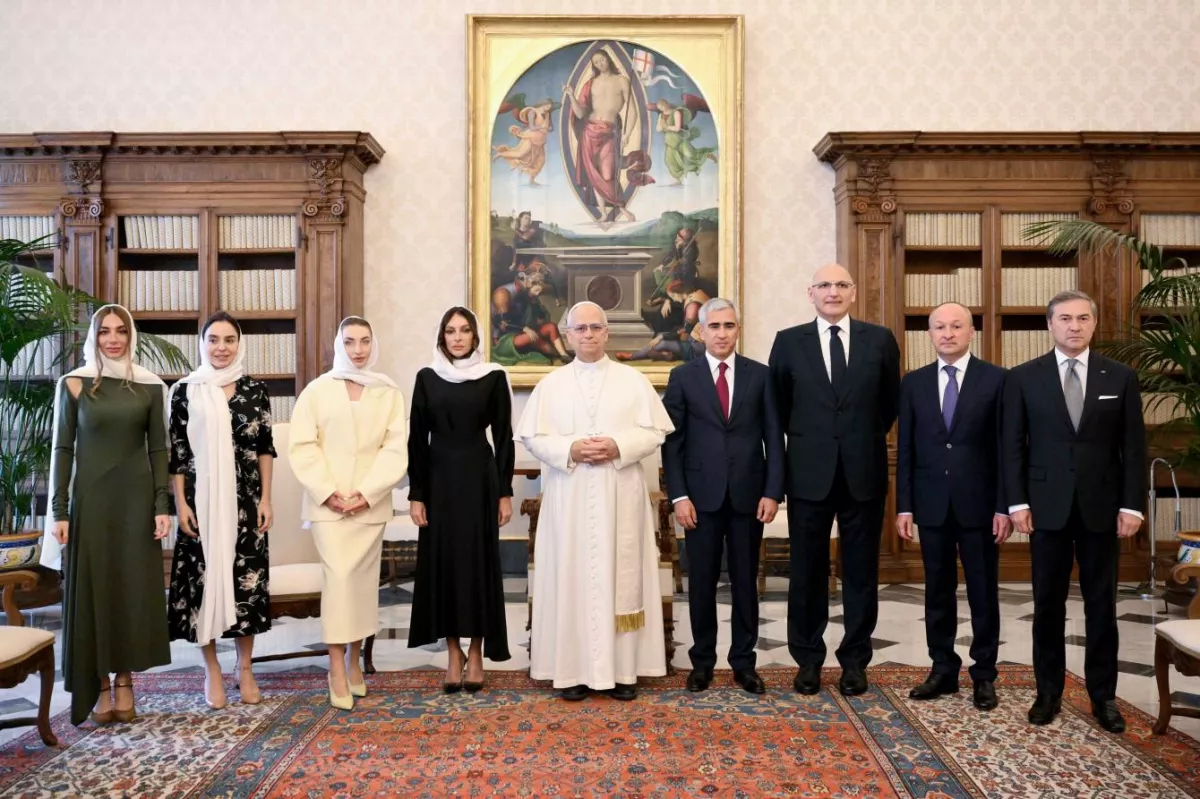
In this context, one is reminded of Leo XIV's remarks made in late 2025 during his meeting at the Vatican with the First Vice President of Azerbaijan and President of the Heydar Aliyev Foundation, Mehriban Aliyeva. On that occasion, he noted that Baku's cooperation with the Holy See had given a powerful impetus to interreligious and intercivilizational dialogue, an area in which Azerbaijan has consistently ranked among the world's leading nations.
It is particularly significant that Leo XIV views every step toward mutual understanding along this path as "leaven for the growth of a civilization of love," emphasizing the importance of recognizing the need to protect every human life—from the moment of conception until natural death—since human dignity is bestowed upon each of us directly by the Creator. The importance of civilizational dialogue at the present historical stage, which the Pope described as "epochal turning point," was also underscored in his address to participants of the AI for Good Global Summit 2026, held in Geneva from July 7 to 10.
At the same time, Leo XIV referred to the encyclical Magnifica Humanitas on protecting humanity in the age of artificial intelligence. In it, while examining the transformations brought about by AI across various spheres of life and society—changes that could have serious consequences for human dignity—he once again drew attention to “yet more tragic issue of war.”
According to him, there is a risk that technology, detached from ethics and responsibility, will make decisions between life and death instantaneous and impersonal, while turning the use of force into the easiest and fastest means of resolving problems.
The Pontiff also noted that, alongside conventional warfare, "there are hybrid forms such as cyberattacks, information manipulation, campaigns of influence and the automation of strategic decisions," revealing that "many technologies are intrinsically ambivalent," which can be employed for offensive purposes. As a result, "the fine line between protection and aggression becomes blurred."
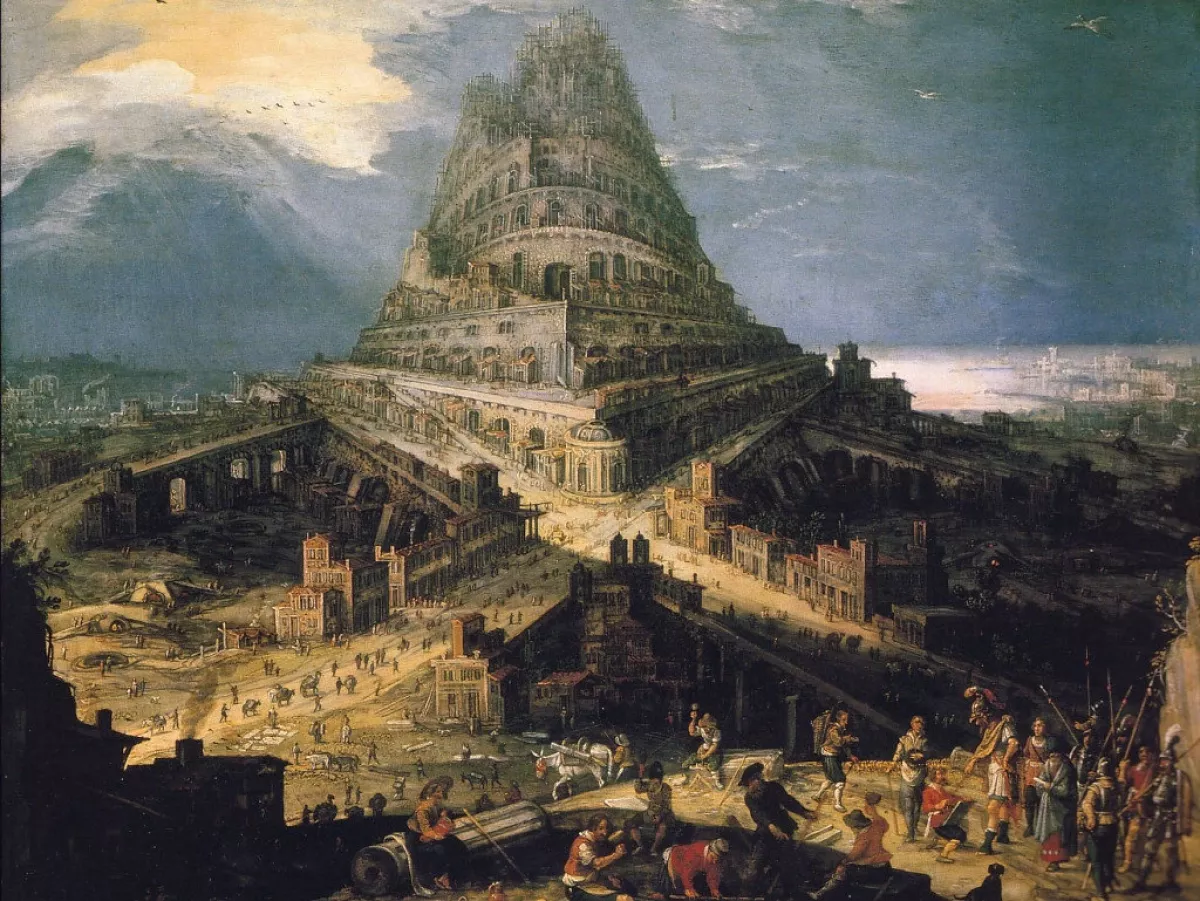
Such developments contribute to the emergence of a new culture in which victims are reduced to "collateral damage." Lamenting the spread of a "culture of power characterized by polarization and violence," the head of the Roman Catholic Church described as a "modern Babel" not only the globalized technocratic paradigm but also "the remote clash between opposing imperialisms, between powers that wish to preserve their supremacy, and those that aspire to seize that supremacy," which, in turn, gives rise to numerous local conflicts.
There is little doubt that Pope Leo XIV's remarks provide a vivid explanation of the underlying forces behind the geopolitical turmoil unfolding before our eyes. In an age of unprecedented technological achievements, humanity's remarkable scientific progress is accompanied by relentless bloodshed. Alongside the killing of innocent children, women, and the elderly, the deliberate transformation of civilians into starving refugees is also destroying humanity's cultural and spiritual heritage.
For this reason, the head of the world's Catholics calls on the peoples of the world to follow God's commandments, believing that doing so will help preserve the moral and ethical foundations of the modern world while safeguarding the creation entrusted to all of us by the one Creator.
One can only hope that the hawks of contemporary politics will heed the timely reflections of Pope Leo XIV.







 editor@caliber.az
 +994 55 444-88-98
 Азербайджан, Баку, ул. Низами, 203, Af Business House, 5-й этаж