










Turkmenistan and Georgia to build new Black Sea logistics hub Article by Vladimir Tskhvediani
On July 16–17, 2026, President of Turkmenistan Serdar Berdimuhamedow paid his first state visit to Georgia. During the visit, the two sides announced plans to establish a Turkmen cargo terminal on Georgia's Black Sea coast.
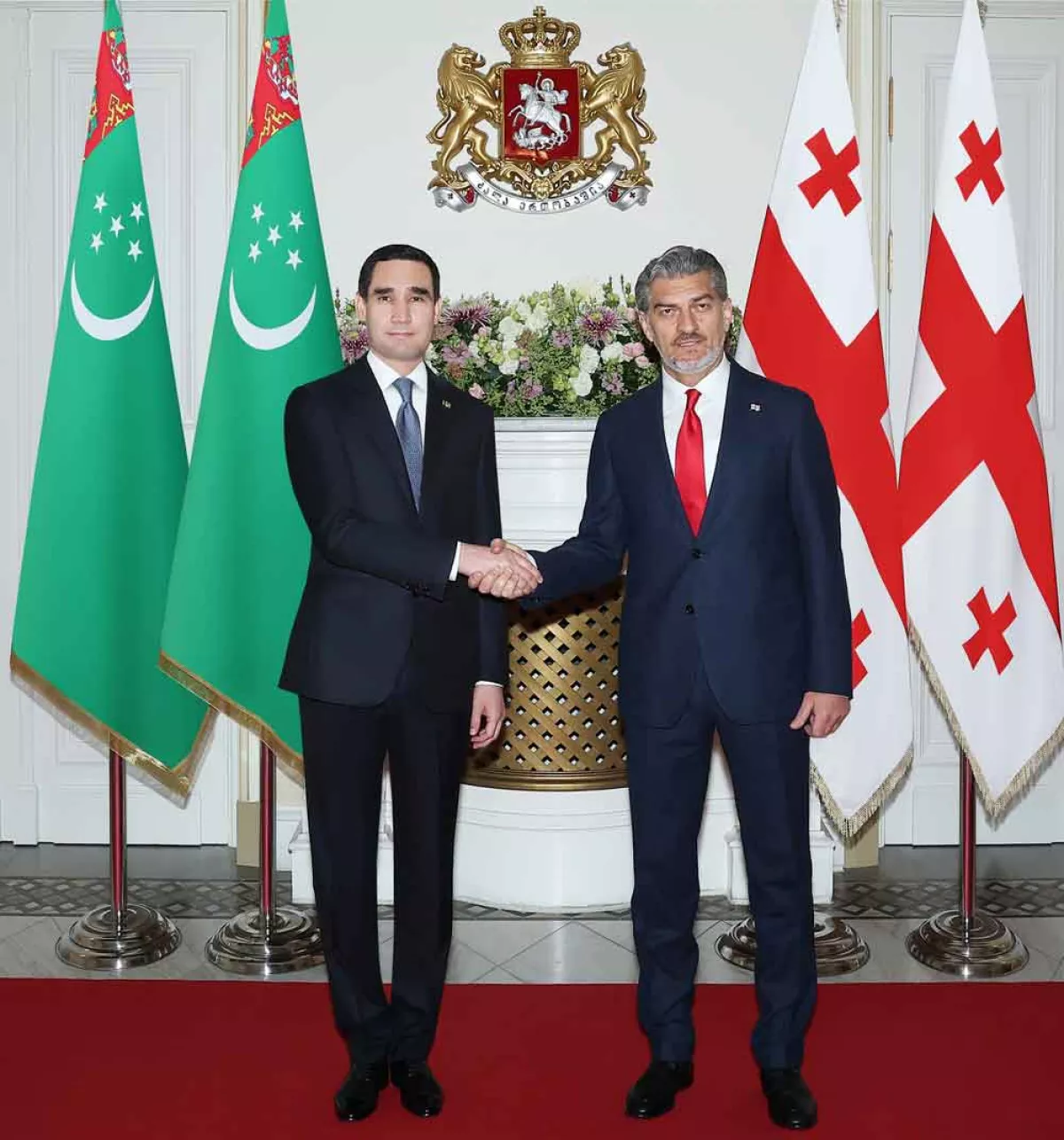
“We are conducting negotiations on establishing a Turkmen cargo terminal on the Georgian coast of the Black Sea,” Serdar Berdimuhamedow stated.
Among the potential locations under consideration for the terminal is the Anaklia Deep Sea Port, which is currently under construction. According to the Georgian government's latest decision, the port will be developed under the landlord port model, with the state retaining ownership of the core infrastructure. However, Georgia currently lacks sufficient financial resources to complete the project in the near term. As a result, Tbilisi continues to seek investors whose participation would not provoke objections from the major geopolitical players, as happened in the case of the Chinese-Singaporean consortium.
China's interest in the project was evident: the deep-water port would be capable of accommodating large container vessels, enabling the large-scale transportation of Chinese goods to Europe and the Atlantic basin via the shortest possible route. However, the prospect of China's dominant role in the project raised concerns in both the United States and the European Union. Georgia's pro-Western opposition also accused the government of effectively "handing over" such a strategically important asset as the Port of Anaklia to China.
Western investors, meanwhile, have shown little willingness to commit funds to the project. Their potential involvement has effectively been linked to a change of government in Georgia in favour of a more pro-European administration and the country's full alignment with Brussels' political agenda.
Against this backdrop, the Georgian authorities welcomed Turkmenistan's interest in establishing its own terminal at Anaklia as a promising opportunity to attract investment. Moreover, unlike Brussels, Ashgabat is not expected to impose a political agenda on Tbilisi that would conflict with Georgia's national interests.
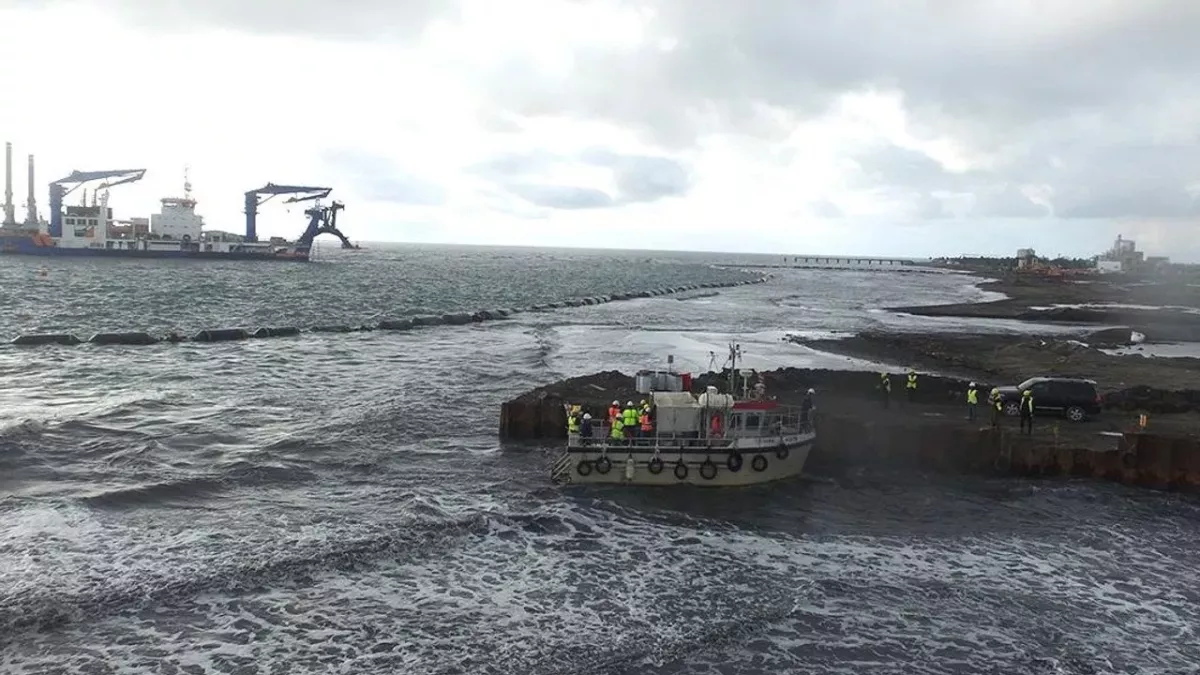
Turkmenistan's participation in the construction of the Port of Anaklia could become a significant achievement for the ruling Georgian Dream party and help accelerate the implementation of the project. For Turkmenistan, the establishment of its own cargo terminal on the Black Sea coast could form part of a broader investment strategy aimed at expanding the country's export capacity.
The most significant initiatives were discussed at the Georgian-Turkmen Business Forum, which opened in Tbilisi with the participation of President Serdar Berdimuhamedow and Georgian Prime Minister Irakli Kobakhidze.
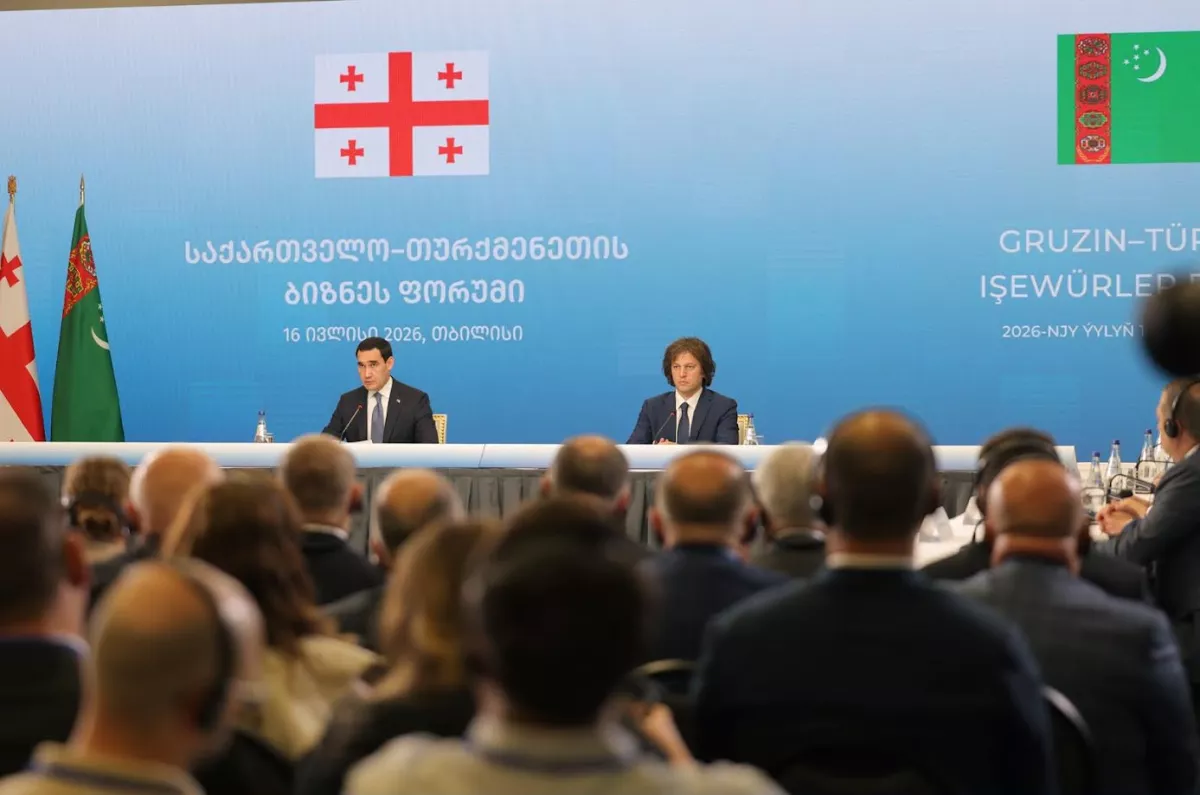
According to Serdar Berdimuhamedow, Turkmenistan approved its 2026 Investment Program at the beginning of the year, with the primary objective of maintaining GDP growth at 6.3 per cent. One of the program's key priorities is the further development of the country's fuel and energy sector. Turkmenistan has launched the fourth phase of industrial development of the Galkynysh gas field, one of the largest natural gas fields in the world. The president also highlighted the strong export potential of Turkmenistan's textile and agricultural industries. In the future, a significant share of these products could be exported to global markets via transit routes through Georgia.
Until the Port of Anaklia and the planned Turkmen cargo terminal are completed, the two sides intend to make the fullest possible use of the existing logistics infrastructure. In particular, they discussed integrating the capacities of the Turkmenbashi International Seaport on the Caspian Sea with Georgia's Port of Poti.
In addition, during Serdar Berdimuhamedow's state visit to Georgia, senior officials from the Ministry of Railway Transport of Turkmenistan and Georgian Railway discussed further cooperation in the fields of rail transport and logistics. Particular attention was devoted to establishing competitive tariff conditions for freight transportation across the territories of both countries.
Another key topic was the development of the CASCA+ international multimodal transport corridor (Asia-Pacific Countries – China – Kyrgyzstan – Uzbekistan – Türkiye – Europe), which was established at the end of 2019 with the participation of the railway administrations of Kyrgyzstan, Turkmenistan, Uzbekistan, Azerbaijan, Georgia, and Türkiye. The importance of this route is expected to increase further once the China–Kyrgyzstan–Uzbekistan railway is completed.
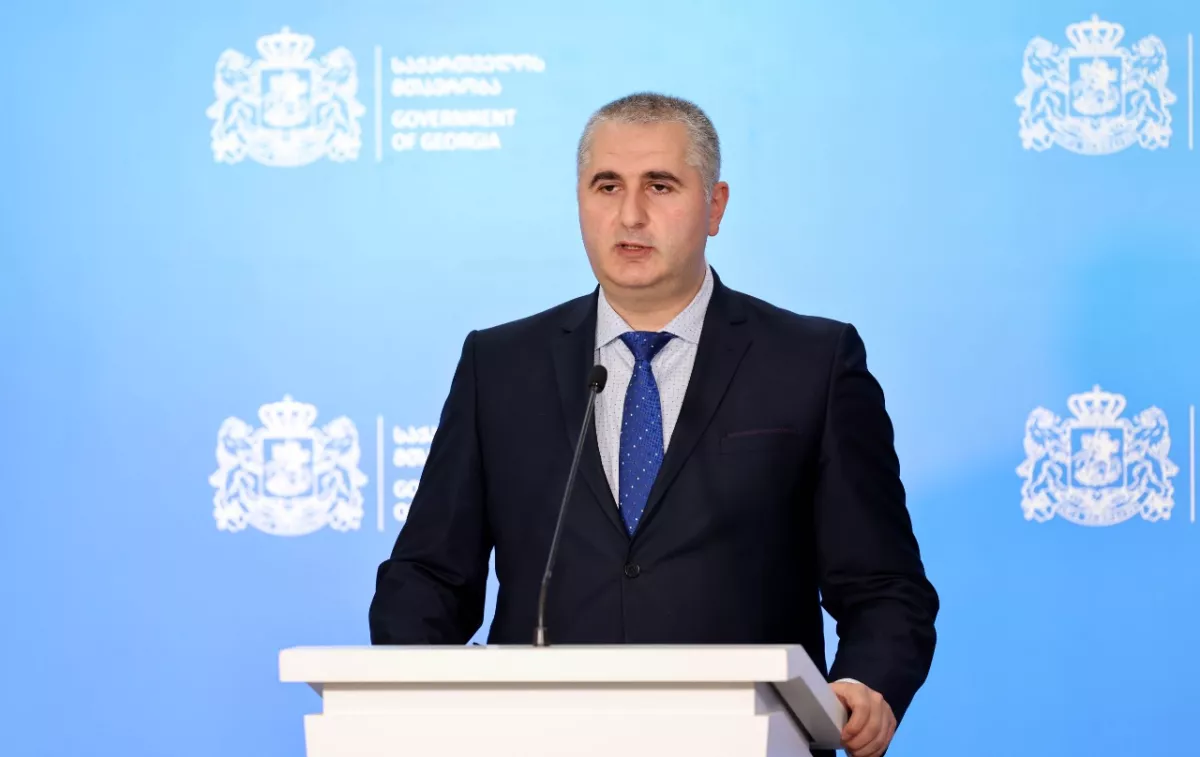
The development of the energy dimension of the Middle Corridor, including the construction of a subsea electricity cable across the Black Sea, was also discussed during the Georgian-Turkmen Business Forum. According to Georgian Finance Minister Lasha Khutsishvili, the project will connect the South Caucasus to the European power grid while creating new opportunities for the countries of Central Asia through the installation of an energy cable along the bed of the Caspian Sea.
Turkmenistan's interest in participating in the Caspian subsea power cable project for electricity exports was first announced in May 2026 during the 13th Session of the World Urban Forum (WUF13) in Baku. In the future, this initiative could be integrated with the construction of the Turkmenistan–Afghanistan–Pakistan (TAP) transnational power transmission line. The time-zone differences between Europe, the South Caucasus, Central Asia, Afghanistan, and Pakistan make the integration of these energy projects into a single interconnected system economically highly attractive.
Georgia and Turkmenistan also reaffirmed their support for the development of key international transport routes, including the Caspian Sea–Black Sea Corridor (Turkmenistan–Azerbaijan–Georgia–Romania), the Lapis Lazuli Corridor, linking Afghanistan, Turkmenistan, Azerbaijan, Georgia, and Türkiye, as well as the TRACECA initiative, which connects Europe, the Caucasus, and Central Asia.
If, through its partnership with Georgia, Turkmenistan succeeds in establishing its own logistics hub on the Black Sea coast in the form of a cargo terminal, it will significantly strengthen the country's role as a transit hub not only for China but also for the landlocked states of Central Asia—most notably Afghanistan, Tajikistan, Uzbekistan, and Kyrgyzstan.
By Vladimir Tskhvediani, Georgia, exclusively for Caliber.Az







 editor@caliber.az
 +994 55 444-88-98
 Азербайджан, Баку, ул. Низами, 203, Af Business House, 5-й этаж