










Shusha Media Forum and fire in the Persian Gulf Caliber.Az weekly review
The Caliber.Az editorial team presents a new edition of the “Events” programme, hosted by Murad Abiyev, in an analytical review of the key developments of the week.
Azerbaijan
The 4th Global Media Forum took place in Shusha. The central event was President Ilham Aliyev's meeting with the forum participants. Traditionally, the question-and-answer session serves as the platform where the head of state delivers key policy statements reflecting Azerbaijan's foreign policy course and its vision of the country's role—and that of the entire South Caucasus—in today's geopolitical landscape.
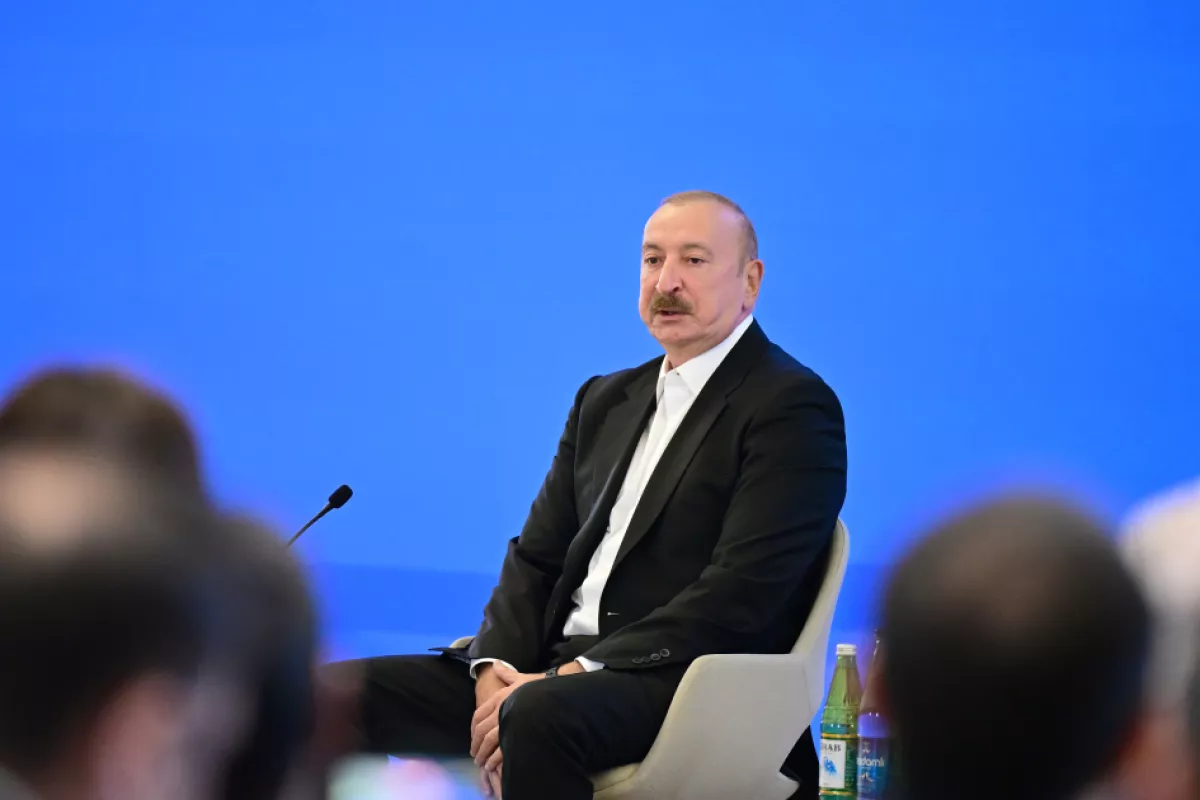
This time, President Aliyev said Azerbaijan is seriously considering not only suspending its membership in the Council of Europe but also withdrawing from the organization altogether if it continues a policy of discrimination, double standards, and ultimatums toward the country. At the same time, he noted that relations between Baku and the European Commission remain at a high level, while the European Union's interest in Azerbaijani gas has increased significantly since 2022.
Aliyev stated that Azerbaijan intends to further expand gas exports to Europe by increasing production, developing new fields, and boosting the share of renewable energy in its energy mix. However, he stressed that achieving these goals will require the modernization of gas transportation infrastructure, long-term contracts with European partners, and adequate financing for new projects.
The president also recalled the Shusha Declaration, signed five years ago. According to Aliyev, Baku and Ankara are now not merely strategic partners but full-fledged military and political allies. In the event of any external threat to either country, the full scope of their combined capabilities would be brought into play.
One of the central themes of the meeting was the concept of a middle power, a term that political analysts are increasingly using to describe Azerbaijan. According to President Aliyev, the designation reflects international recognition of a country's potential, its ability to defend its national interests regardless of what major powers think or do, and its readiness to employ all available means should anyone seek to harm it. He also identified the ability to influence developments beyond a country's own borders as one of the defining characteristics of a middle power. In Aliyev's view, Azerbaijan meets these criteria and can rightfully be regarded as a middle power.
Another topic that drew particular attention was Aliyev's assessment of Azerbaijani-Russian relations. According to the president, the period of tensions has been left behind, while contacts between the two countries have been fully normalized and are developing successfully.
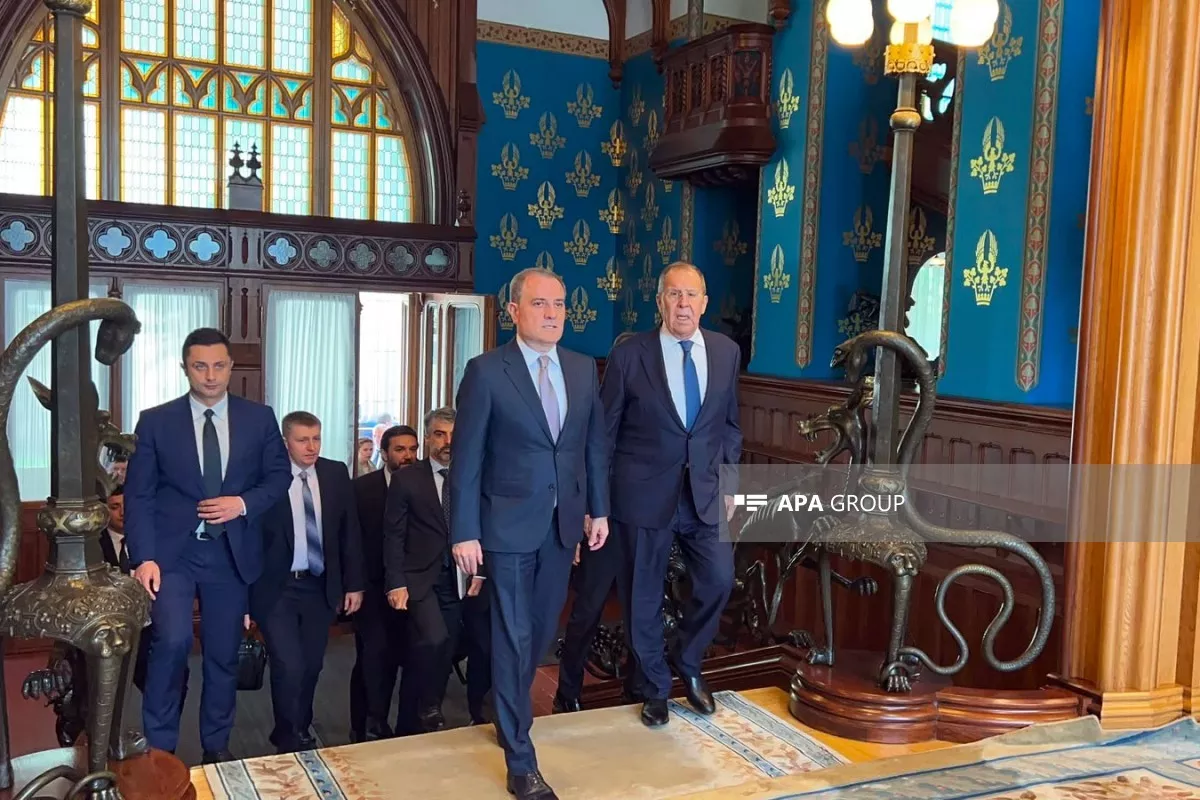
Those remarks were almost immediately followed by tangible diplomatic steps. Azerbaijani Foreign Minister Jeyhun Bayramov traveled to Moscow for talks with Russian Foreign Minister Sergey Lavrov. Following the meeting, the two sides announced the normalization of bilateral relations and reaffirmed their commitment to further strengthening their allied partnership. The ministers also signed the 2026–2027 Consultation Plan between the foreign ministries of Azerbaijan and Russia, providing for regular consultations and closer coordination between the two diplomatic services. Particular attention during the talks was devoted to trade and economic cooperation, as well as the development of the North–South International Transport Corridor.
Although some segments of Russia's political establishment are still reluctant to regard Azerbaijan as a fully equal player in international affairs, President Aliyev's statements in Shusha and Jeyhun Bayramov's subsequent visit to Moscow suggest that relations between the two countries have, in effect, entered a new phase. At its core is the recognition of Azerbaijan as an independent and equal partner.
United States – Iran
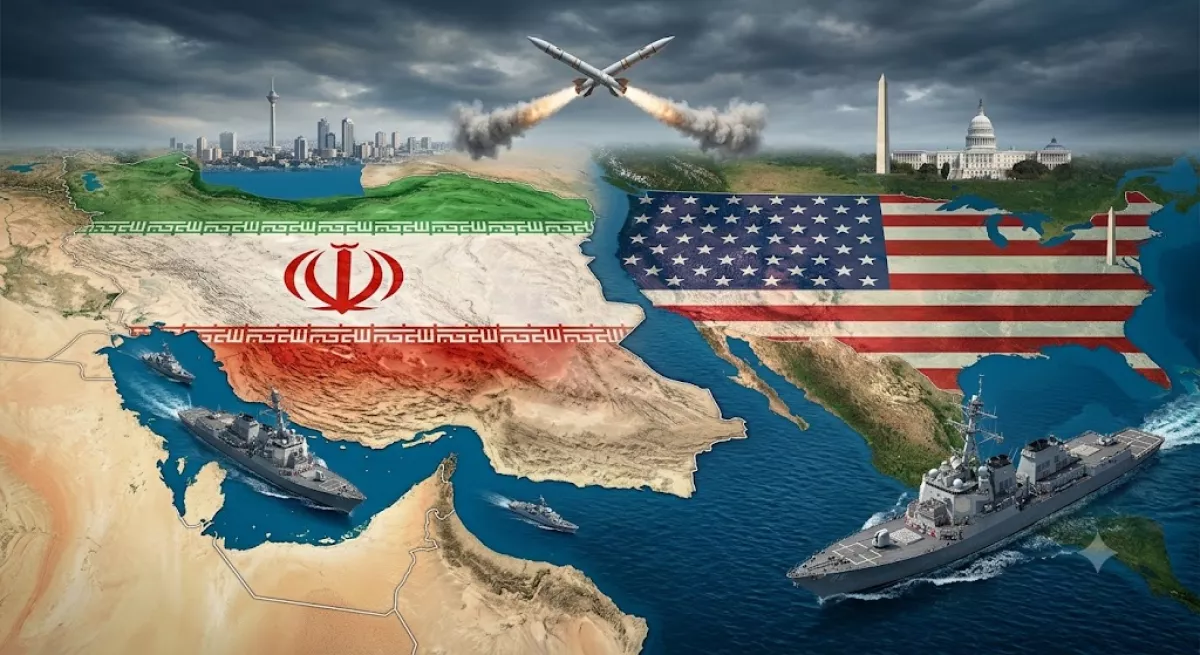
Meanwhile, the United States continues to carry out strikes against targets inside Iran, while the Islamic Republic has responded by attacking facilities belonging to U.S. allies in the Persian Gulf.
The Strait of Hormuz remains the main flashpoint. The United States has effectively reinstated a blockade of Iranian ports, a move that is already having a significant impact on global energy markets. In response, Tehran has threatened to use the Yemeni Houthis to block the Bab el-Mandeb Strait in the Red Sea if Iranian energy infrastructure comes under attack. Such a scenario could severely disrupt global maritime trade.
A growing number of analysts believe that it would be virtually impossible to eliminate Iran's ability to block the Strait of Hormuz through military means alone. Doing so would likely require either a large-scale ground operation or a sustained campaign aimed at systematically dismantling the Iranian state.
The first option, however, would be politically too risky for President Donald Trump. Failure in such a campaign could seriously damage his domestic approval ratings. The second scenario also appears unlikely. Contrary to expectations, the conflict has temporarily weakened anti-government protest sentiment inside Iran. A significant portion of the population has either rallied behind the state or adopted a wait-and-see approach.
As a result, the most likely scenario remains a prolonged confrontation. It would be characterized by periodic military strikes and a strategy of waiting for either the gradual weakening of the Iranian regime or worsening economic conditions to trigger internal instability. At the same time, this approach is becoming increasingly costly for the United States itself, primarily because of rising global energy prices and the domestic political consequences that accompany them.
Against this backdrop, the position taken by Vice President J.D. Vance is particularly noteworthy. He accused certain members of the Israeli leadership of attempting to shape American public opinion and derail negotiations with Iran. According to Vance, a well-funded and largely low-profile information campaign was waged to undermine the prospects for a diplomatic settlement.
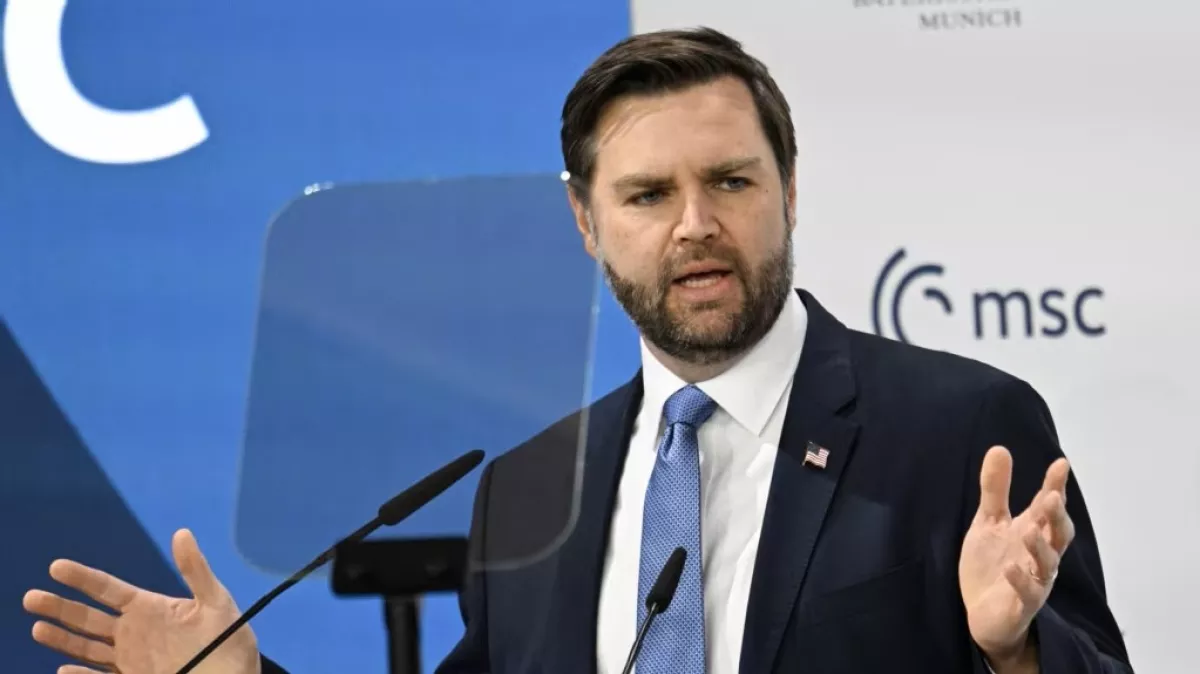
Such efforts may indeed have taken place. More importantly, however, as Republican approval ratings decline, the party appears to be increasingly positioning J.D. Vance as its future leader and the leading voice of the conservative movement. Preserving his political capital requires cultivating the image of a politician opposed to costly foreign policy adventures. In this context, criticism of Israel has become a politically useful instrument, as public confidence in Israeli policy has declined noticeably both among the American public and within the political establishments of both major parties.
This autumn's midterm elections will represent the first major political test for the Republicans. Should the Democrats regain control of Congress, Washington's military campaign against Iran would likely face much tighter political constraints, while pressure on the White House to pursue a negotiated settlement would intensify. Such pressure could include calls for broader concessions to the Islamic Republic, including on issues related to its nuclear program.
It appears that Tehran may have calculated precisely with this scenario in mind when it decided to abandon the ceasefire.







 editor@caliber.az
 +994 55 444-88-98
 Азербайджан, Баку, ул. Низами, 203, Af Business House, 5-й этаж