










Is Iran facing the prospect of becoming a failed state? Analysis by Shereshevskiy
The U.S. Air Force has been carrying out strikes against Iran for more than a week after units of Iran’s Islamic Revolutionary Guard Corps (IRGC) attacked international tankers in the Persian Gulf. Washington demanded that Tehran officially renounce such actions, but the response was a new wave of attacks on commercial shipping.
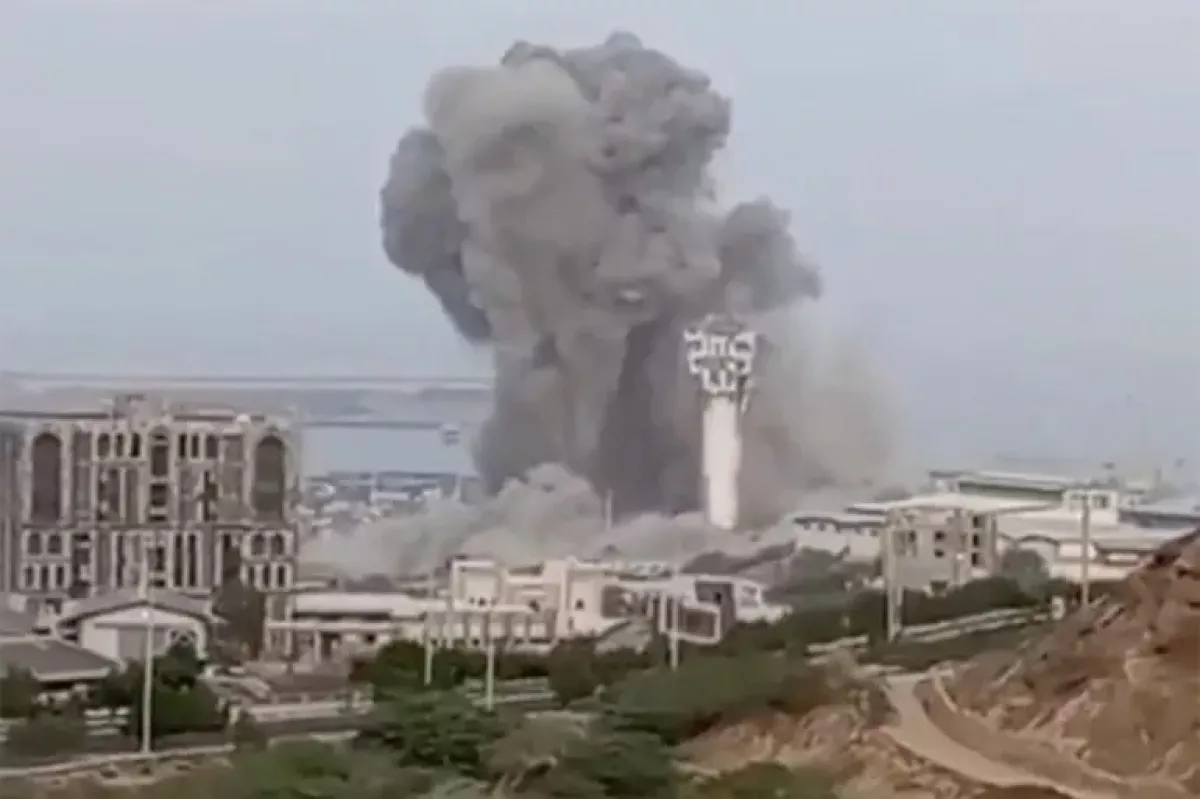
The bombing campaign against Iran has continued almost daily. U.S. aircraft have been targeting Iranian bases along the coast and on offshore islands in an effort to deprive the IRGC of its ability to strike maritime traffic. Missile launchers, drone depots, headquarters, and military bases have all come under attack. More recently, the United States has also begun striking bridges in an attempt to disrupt the supply and communication lines of the IRGC’s southern grouping.
A widely held view among experts is that Iran’s current system of government cannot be overthrown or fundamentally weakened through external military strikes alone. Despite the 39-day war, which lasted from February 28 until early April, the ongoing bombing campaign, and the elimination of almost the entire political and military leadership of Iran, including Supreme Leader Ali Khamenei, the U.S.-Israeli coalition has failed to dismantle the existing system of power. Nor has it succeeded in installing a loyalist leadership, as it did in Venezuela following the abduction of President Nicolás Maduro by U.S. forces, or in depriving Iran of its ability to strike neighboring states.
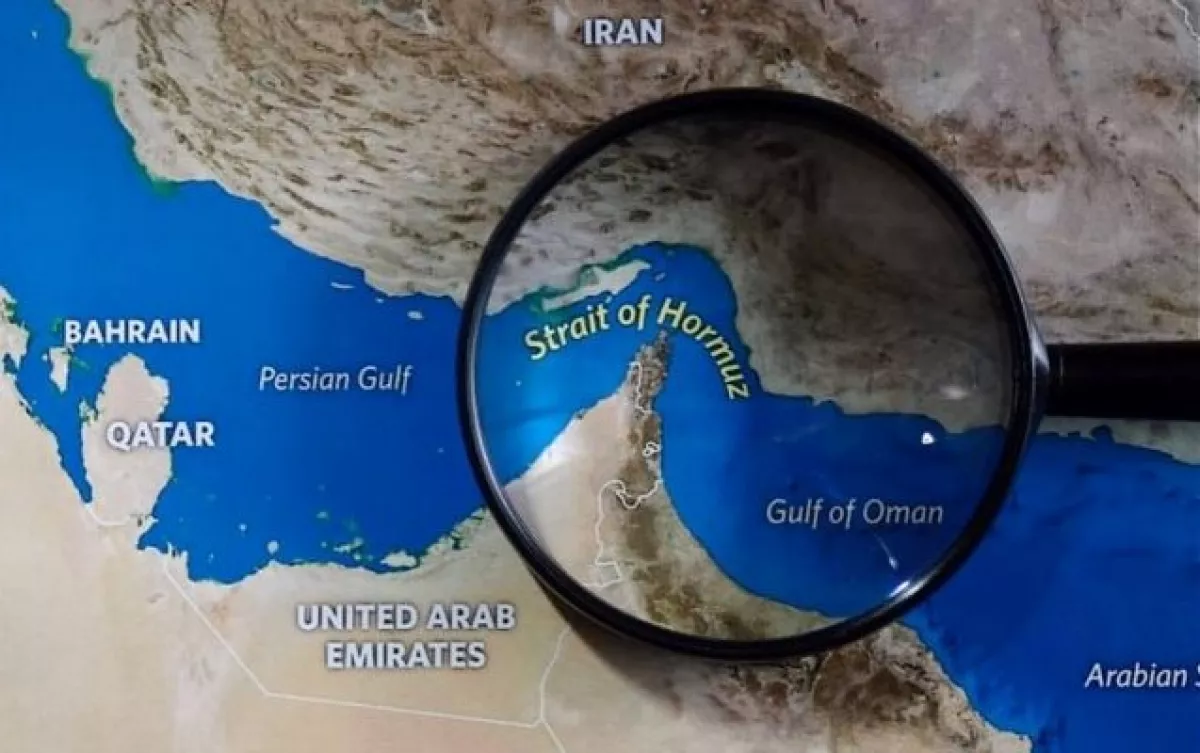
At present, the U.S. strikes are not even aimed at achieving such objectives. Their sole purpose is to undermine Tehran’s ability to block the Strait of Hormuz, through which around 20% of global oil trade previously passed. Moreover, Israel is not participating in these operations. The United States is focused on disabling missile and drone launch systems located along Iran’s coastline. However, even this objective has not yet been fully achieved.
At the same time, it is worth noting that neither the United States nor Israel has so far embarked on a systematic campaign to destroy Iran’s critical infrastructure. The country has around 30 oil refineries and hundreds of power plants, including several dozen major facilities.
In theory, the United States and Israel are capable of attacking and disabling these facilities, a task that would not be particularly difficult given the U.S.-Israeli coalition’s complete air superiority. They could also destroy bridges and other key infrastructure. Iranian analysts describe such a scenario as an “attempt to fragment Iran.” Under these circumstances, the country could descend into chaos, face a massive refugee exodus, and see civil war erupt in certain regions—above all in Kurdistan, where clashes with Kurdish separatists are already taking place.
Under such a scenario, the Iranian regime risks losing its ability to govern effectively, maintain the country's territorial integrity, and conduct military operations beyond its borders—an outcome that, according to a number of experts, the United States and Israel are seeking to achieve. At the same time, the destruction of critical infrastructure would inevitably have severe consequences for the civilian population.
The United States and Israel could also resort to a hybrid strategy by arming Kurdish forces, supporting them with the deployment of units from the U.S. 82nd Airborne Division, and providing them with air cover.
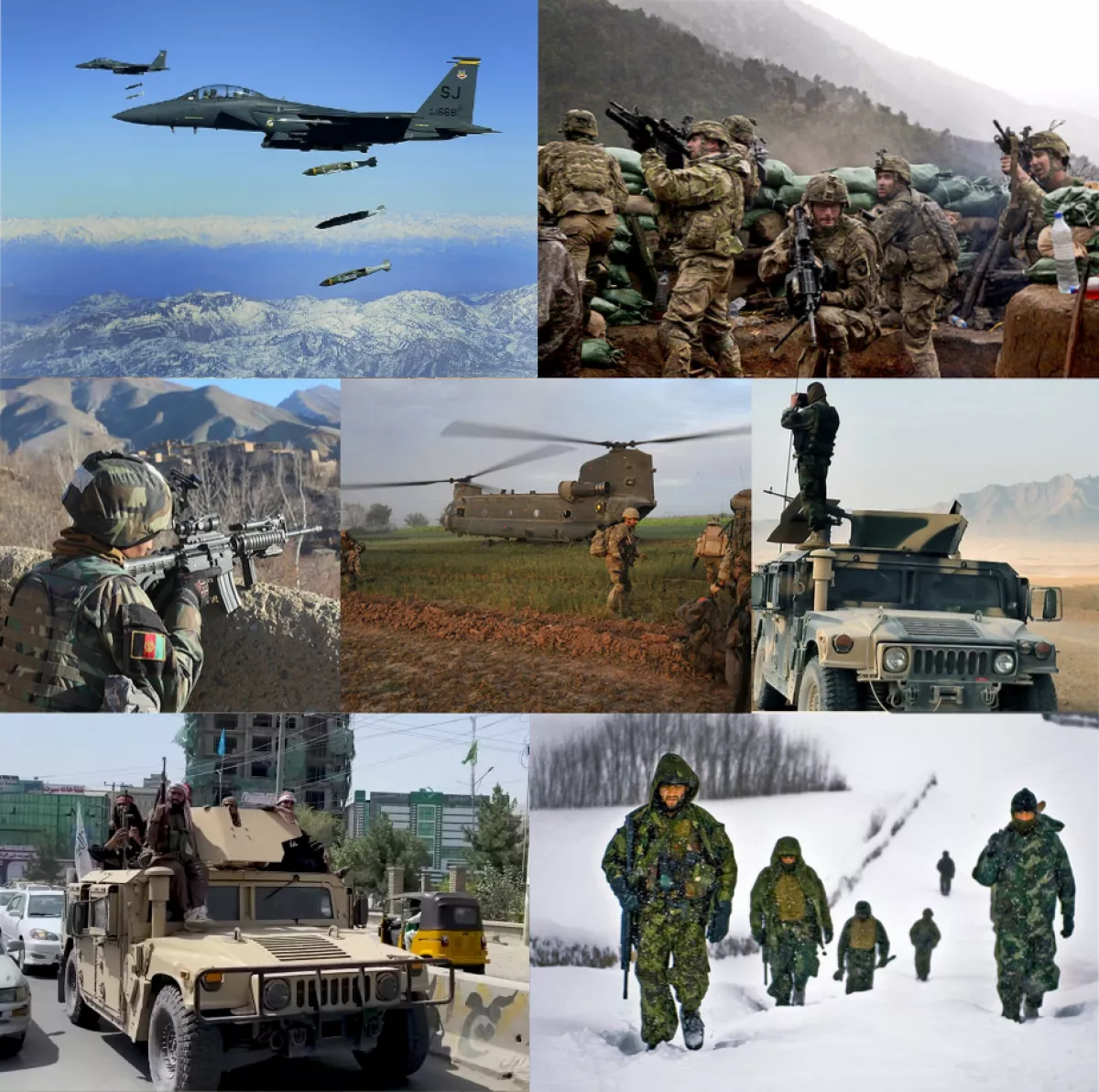
A similar tactic was employed in Afghanistan in 2001, when U.S. forces, together with the Northern Alliance, overthrew the Taliban regime and captured Kabul. A comparable approach was also used in Syria during the campaign against ISIS, where the United States relied on Kurdish forces. Such a strategy would not necessarily result in a change of power in Tehran, but it could undermine the integrity of the state system and plunge the country into chaos.
If both strategies were pursued simultaneously, Iran could conceivably cease to exist as a centralized state. That said, there is no guarantee either that such a plan will actually be implemented or that it would succeed if it were. At the same time, it is equally impossible to guarantee that the United States and Israel will never attempt to pursue such a scenario.
But what about the negative consequences that a possible attempt by the Donald Trump administration to turn Iran into a failed state could have for the neighboring Sunni Arab oil-producing monarchies? Such a scenario could trigger a massive refugee crisis, and the Arab states themselves might seek to counter these plans through lobbying efforts in Washington. Such resistance is indeed possible. However, there is another side to the issue.
The fact is that today's Iran—which launches missile strikes against its Arab neighbors, attacks tankers in the Strait of Hormuz, and seeks to impose transit fees on passing vessels—is itself regarded by those countries as a major threat. A state that effectively keeps its neighbors under constant pressure, periodically attacks them, and threatens freedom of navigation makes the post-oil modernization of the region either impossible or extremely difficult.
At the same time, Saudi Arabia, the United Arab Emirates, and other Gulf states are seeking to build post-oil economies. They cannot do so without accelerated modernization. Their social models, which are based on extensive benefits for their native populations, are unlikely to remain sustainable if living standards were to fall to levels comparable to those of Egypt.
But who would invest in data centers in the UAE or aluminum smelters in Saudi Arabia if Iran were to strike them tomorrow with cruise missiles, ballistic missiles, and drones? This is why the position of the Arab monarchies of the Persian Gulf may shift over time. In some circumstances, they may lobby for a ceasefire with Iran, while in others they may press Washington to take more decisive action. There have already been precedents for both approaches.
In any case, the situation surrounding the U.S. bombing campaign against Iran remains highly fluid. Sooner or later, the exchange of strikes—U.S. attacks on Iran and Iranian strikes against U.S. military bases in the Gulf states—could lead either to a new ceasefire agreement, similar to the one that was in place in July, or to another round of escalation.
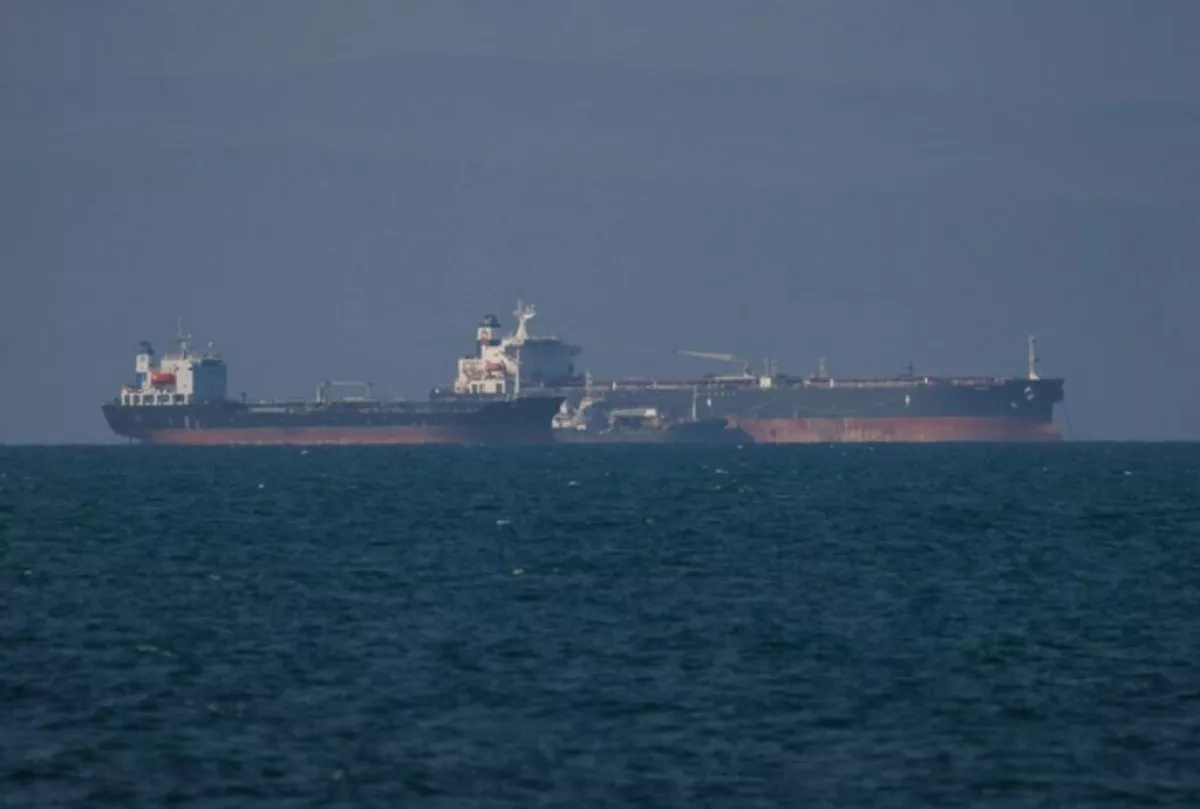
For now, however, the political barometer points toward further escalation. Iran has already warned that if the United States begins systematically destroying its critical infrastructure, Tehran could instruct its allies in Yemen—the Houthi movement—to launch large-scale attacks on commercial shipping in the Red Sea, as well as on Saudi Arabia's Yanbu oil port and, in effect, on all vessels transiting the Bab el-Mandeb Strait. This is another strategic chokepoint of global trade alongside the Strait of Hormuz: today, no less than 7% of the world's oil supplies pass through Bab el-Mandeb.
With tanker traffic through the Strait of Hormuz already having virtually come to a halt due to Iranian attacks, a possible escalation of Houthi operations in the Red Sea could deal another severe blow to the global economy. In turn, this could well trigger another round of military escalation between Iran and the United States.







 editor@caliber.az
 +994 55 444-88-98
 Азербайджан, Баку, ул. Низами, 203, Af Business House, 5-й этаж