










Cracks in the chain of command Ukraine’s wartime leadership faces a stress test
Ukraine is going through one of the most difficult periods of the full-scale war. Against the backdrop of ongoing combat operations, relentless missile strikes on cities, persistent energy challenges, and the need to make strategic decisions in the field of defense, the country has been gripped by a new wave of domestic political debate over the authorities' personnel decisions. The government reshuffle, the appointment of new ministers, and the developments surrounding the Ministry of Defence have become far more than a matter of administrative changes. They have emerged as a source of public discontent and once again brought to the forefront a broader question: How capable is Ukraine's system of government of functioning effectively under wartime conditions?
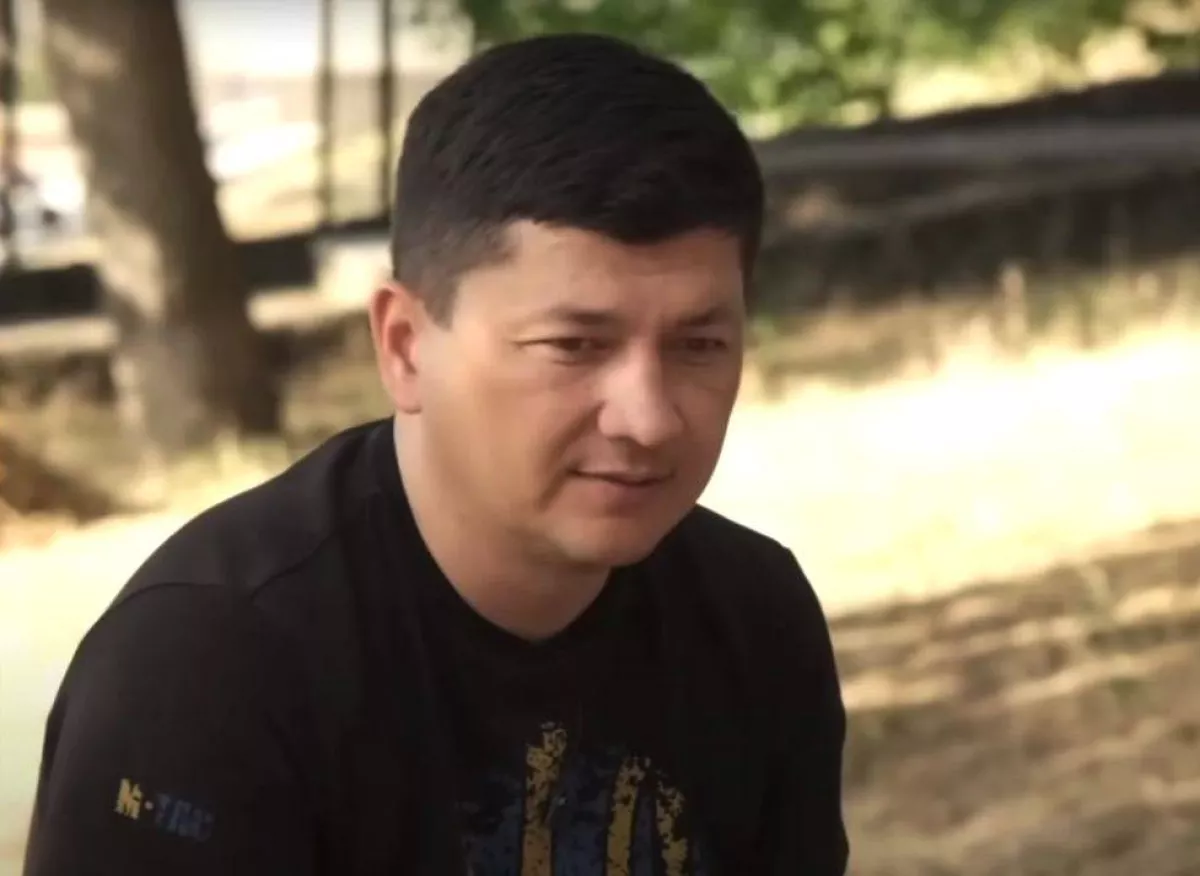
The appointment of former Head of the Mykolaiv Regional Military Administration Vitalii Kim as Ukraine's Minister for Veterans Affairs has, in particular, drawn criticism from segments of the public. Kim became widely known after the outbreak of the Russia–Ukraine war for his role during the defense of the Mykolaiv region. However, he did not personally participate in frontline combat. It is precisely this fact that his critics cite, arguing that the ministry responsible for veterans' affairs should be headed by someone with first-hand experience of the battlefield.
Adding to the controversy are Kim's earlier remarks regarding the role of General Dmytro Marchenko, who served as military commandant of Mykolaiv, led the Mykolaiv tactical group, and played a key role in organizing the region's defense. The newly appointed minister stated that the general had "never commanded the defense of southern Ukraine," prompting criticism from some military experts and observers, who pointed to Marchenko's role during the events of 2022. More broadly, the controversy has highlighted a deeper issue in Ukrainian politics: the tendency of competing political and influential groups to interpret the achievements and responsibilities of wartime figures in markedly different ways.
A second source of public tension has been the appointment of Taras Vysotskyi as Minister of Agrarian Policy and Food, despite his being a defendant in a case investigated by the National Anti-Corruption Bureau of Ukraine (NABU) and currently under consideration by the High Anti-Corruption Court. According to the investigation, the case concerns alleged irregularities in the procurement of humanitarian aid during the early months of the war. Prosecutors claim that, across two separate episodes, the state suffered losses totaling approximately UAH 64 million ($1.4 million). The first relates to the purchase of food products with funds from Ukrainian Railways (Ukrzaliznytsia) at prices allegedly well above market rates, while the second concerns food procurement contracts in Türkiye.
Naturally, the presumption of innocence remains a fundamental legal principle. Nevertheless, the very fact that a person facing charges in a NABU case has been appointed to one of the country's key government positions has sparked considerable public debate. Critics of the government argue that such appointments risk undermining public confidence in the state's anti-corruption policy.
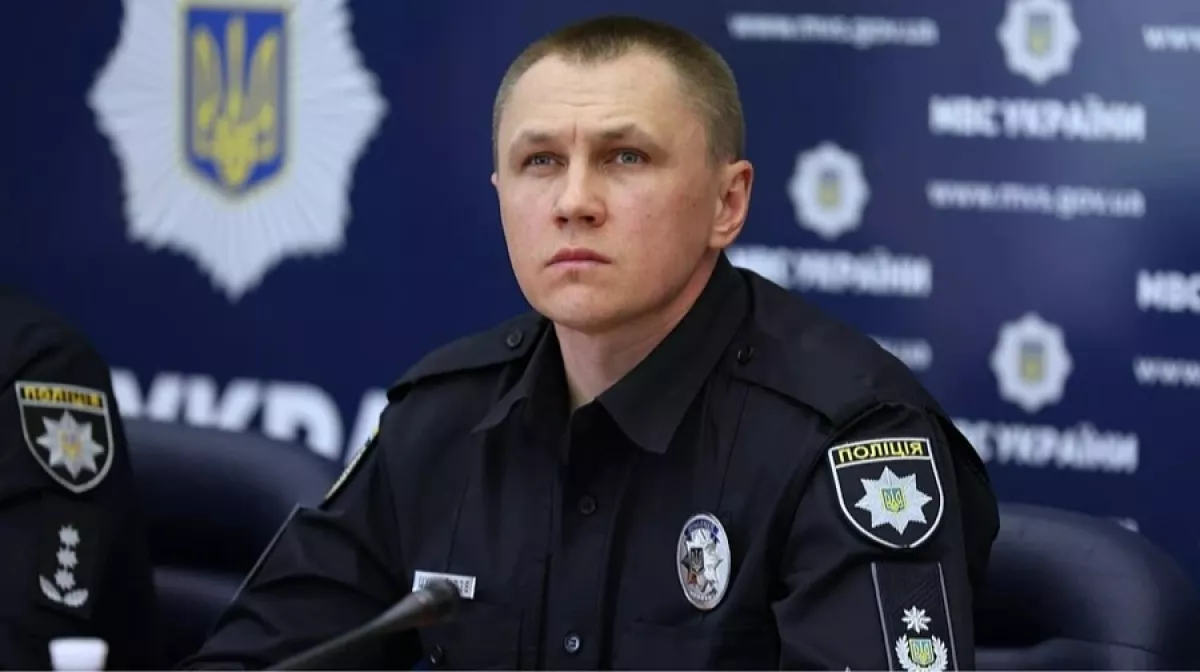
Another controversial personnel decision was the appointment of Maksym Tsutskiridze as Acting Head of the National Police. His professional and political ties have become the subject of intense discussion in Ukraine's information space, particularly his reported links to Oleh Tatarov, Deputy Head of the Presidential Office. Tatarov is regarded as one of the most influential figures within Ukraine's security establishment, while his own political and professional background remains a subject of controversy. Before joining the Presidential Office, he worked as a lawyer and cooperated with Andrii Portnov on a number of legal cases prior to Portnov's killing in Spain. During the Euromaidan protests, on January 24, 2014, then-President Viktor Yanukovych appointed Portnov as First Deputy Head of the Presidential Administration, a position he held until the change of government in February of the same year. Such personnel connections have fueled widespread speculation and prompted observers to argue that long-standing networks of influence continue to persist within Ukraine's state institutions.
However, the main political challenge for the Ukrainian leadership has emerged around the Ministry of Defence. President Volodymyr Zelenskyy's decision to dismiss Minister Mykhailo Fedorov triggered an unprecedented public reaction, with protests taking place in Kyiv and other cities. Many observers view these demonstrations not merely as support for a particular official, but also as an expression of broader dissatisfaction with the government's overall political course. Such dynamics are not unfamiliar in Ukraine's political history. For example, during the 2019 presidential election, a significant portion of voters supported Zelenskyy not only because they backed his platform, but also because they sought to change the political system after the presidency of Petro Poroshenko.
Today, some political analysts are drawing troubling parallels with the current situation, arguing that part of the protest sentiment is directed not so much in support of Fedorov as against Zelenskyy himself. The statements of the former minister have attracted particular attention. According to Fedorov, he proposed a major reform of the country's top military leadership, including a possible replacement of Commander-in-Chief of the Armed Forces of Ukraine Oleksandr Syrskyi and changes within the General Staff. The head of state did not support these proposals.
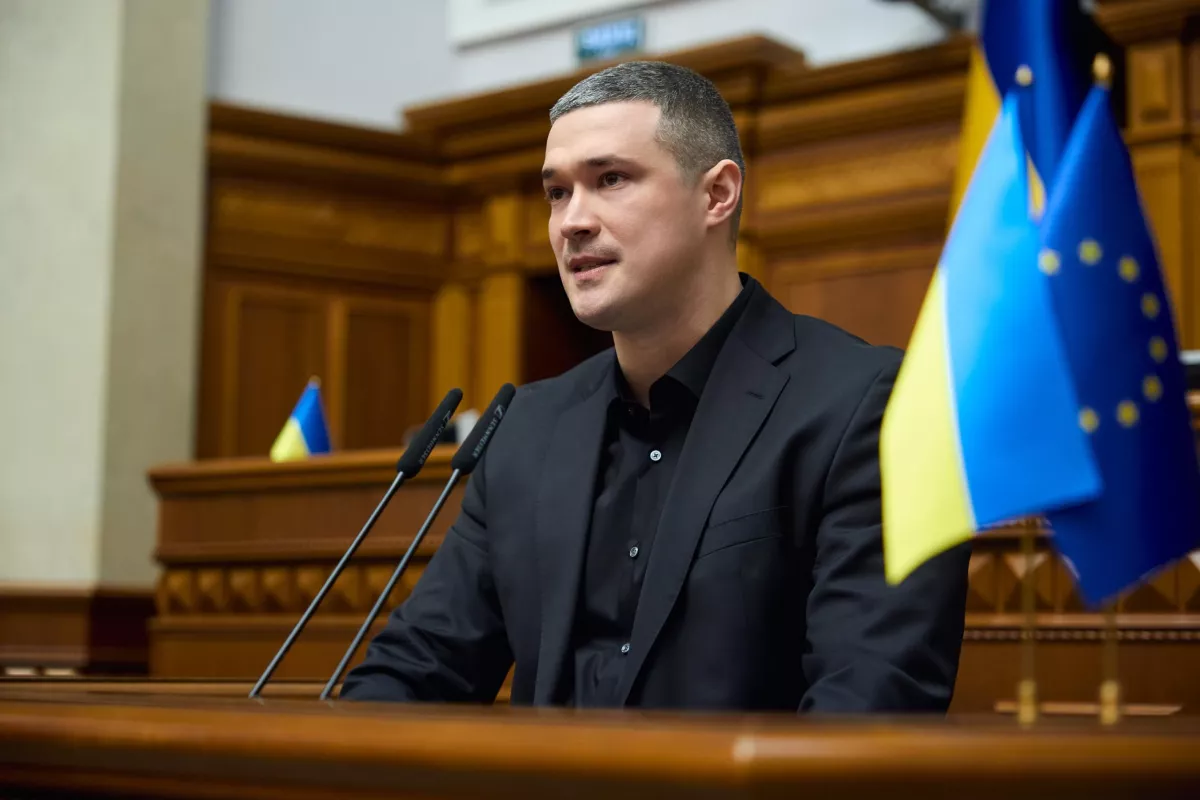
Following this, Fedorov publicly stated that there were serious problems within the military command system and called on members of the Verkhovna Rada to speak openly about the difficulties on the front line. This moment proved to be a turning point of political significance: a member of the ruling team had begun criticizing the existing system from within.
Some experts compare the situation to the case of Valerii Zaluzhnyi, the former Commander-in-Chief of the Armed Forces of Ukraine, whose public popularity increased significantly during the war. Critics of Zelenskyy argue that the president is wary of politicians and military figures whose level of public trust could surpass his own. Supporters of the head of state, however, respond that as Supreme Commander-in-Chief, he bears responsibility for final decisions and has the right to form the team he considers most effective.
At the same time, the situation surrounding the acting Minister of Defence requires separate consideration. Zelenskyy has assigned these responsibilities to former SBU chief Major General Yevhenii Khmara. This has raised legal questions, as under Ukrainian legislation the position is to be held exclusively by a civilian, while Khmara remains an active-duty military officer. The president's opponents have used this issue to support their argument that Zelenskyy is disregarding the country's laws.
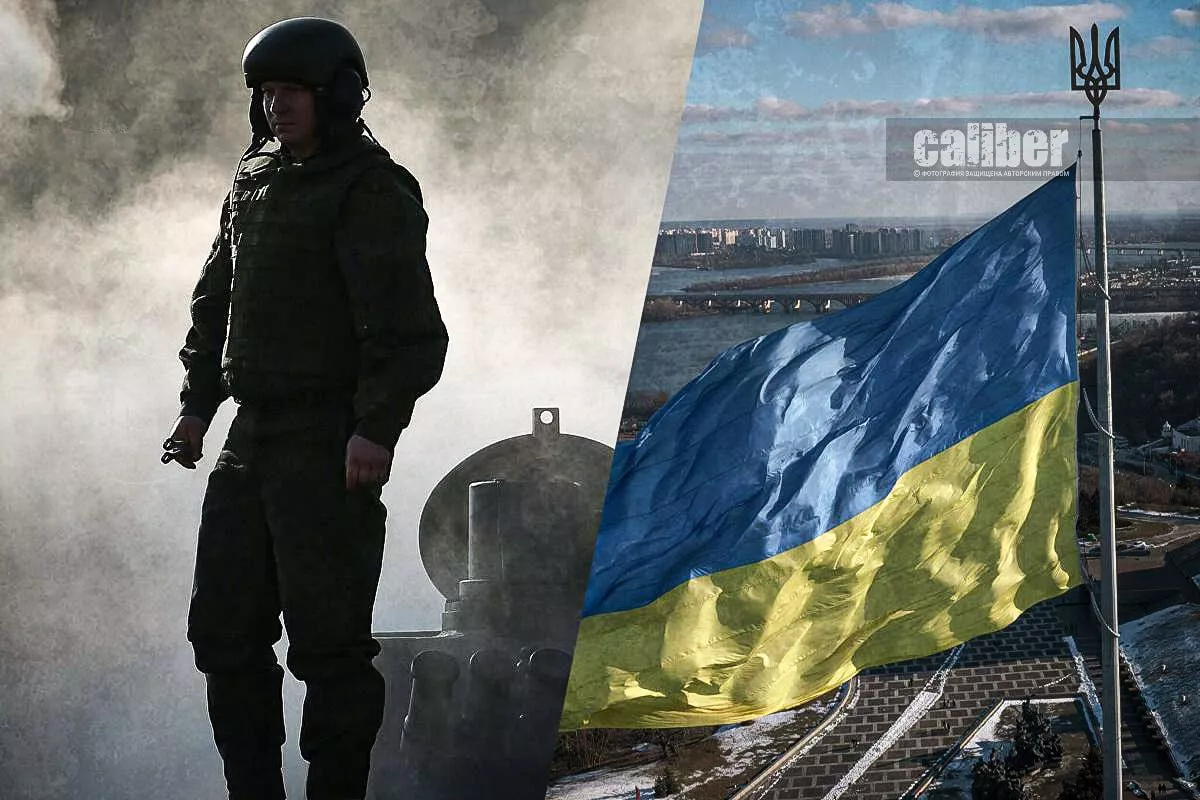
“The cherry on top of the defence cake” was the fact that, amid government reshuffles and the high-profile dismissal of Mykhailo Fedorov, the Verkhovna Rada suspended its work until August 18. Lawmakers decided to take a break without even approving the nomination of a new defence minister. Such behaviour shocked society, and Ukrainians rightly pointed out on social media that there are no holidays at the front — and therefore there should be no parliamentary vacations either.
However, public outrage changed nothing: the deputies of a country fighting every hour for its very survival chose a summer recess over addressing matters of state importance. Looking at the whole picture, one increasingly begins to question Ukraine’s chances of achieving a favourable outcome in the war, despite the enormous scale of financial and military assistance provided by its allies.







 editor@caliber.az
 +994 55 444-88-98
 Азербайджан, Баку, ул. Низами, 203, Af Business House, 5-й этаж