










Gibraltar deal reshapes balance of interests around Schengen, UK Article by Matanat Nasibova
One of the significant events in Europe's political life following the Brexit process was the recent signing of the agreement on the status of Gibraltar, which brought to an end more than four years of negotiations on resolving the issue concerning this British Overseas Territory, effectively integrating it into the Schengen Area, removing physical barriers at the land border, and transferring border control procedures to the airport and seaport.
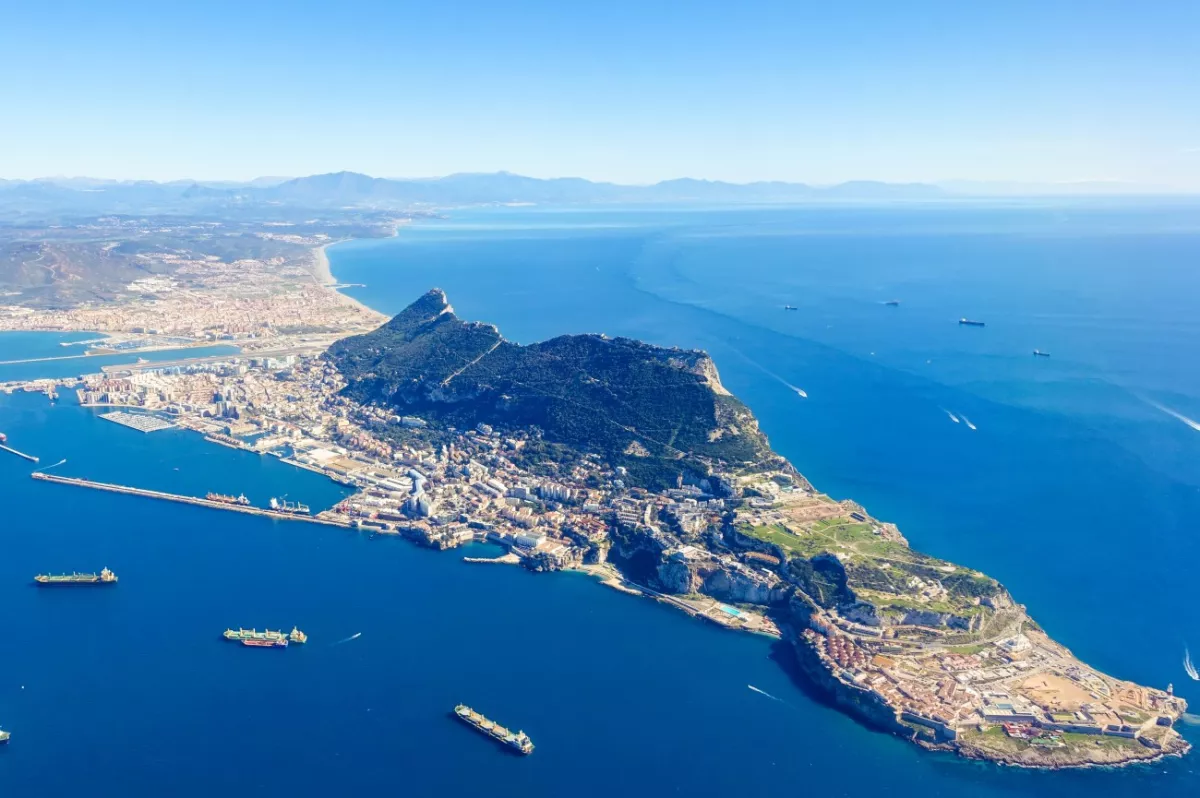
The problem was that, following Brexit, Gibraltar was not included in the UK–EU Trade and Cooperation Agreement, and this automatically created the risk of the introduction of strict border controls, which, without doubt, boded nothing good, as around 15,000 people cross the land border between Spain and Gibraltar every day, accounting for more than half of the territory's workforce.
For this reason, the agreement signed in Brussels by the UK's Minister of State for Europe, North America and Overseas Territories, Stephen Doughty, European Commissioner Maroš Šefčovič, Spain's Minister of Foreign Affairs, José Manuel Albares Bueno, and Gibraltar's Chief Minister, Fabian Picardo, completes the establishment of the legal framework governing relations between the European Union, the United Kingdom, and Gibraltar following the UK's withdrawal from the EU. At the same time, as the UK Foreign Office particularly emphasised, the document received the unanimous support of the Government and Parliament of Gibraltar.
Brief background: Gibraltar is a British Overseas Territory located on a narrow rocky peninsula at the southern tip of the Iberian Peninsula. Controlling the strategically important Strait of Gibraltar, it links the Mediterranean Sea with the Atlantic Ocean and shares its border with the Spanish town of La Línea.
The territorial dispute between Britain and Spain dates back to 1704, when British forces captured Gibraltar during the War of the Spanish Succession. The transfer of the peninsula to Great Britain was legally formalised under the Treaty of Utrecht in 1713, and Madrid has contested this sovereignty ever since. Britain, for its part, seeks to preserve its full sovereignty over Gibraltar, ensure the territory's economic stability, and protect the operations of its military facilities.
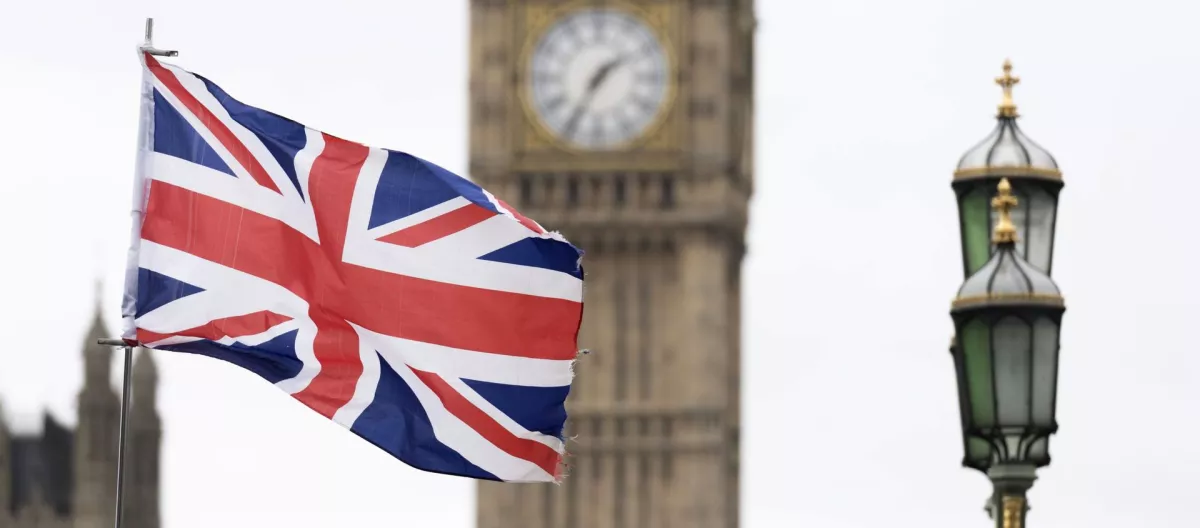
So, let us examine the strategic significance of this agreement for the United Kingdom, Spain, and the European Union, under which, as noted above, Gibraltar is integrated into the Schengen Area while British sovereignty is preserved.
For the United Kingdom, the signing of this agreement has, from a political perspective, become a reflection of the pragmatism that London intends to pursue in its relations with the European Union, demonstrating its ability to reach consensus with Brussels on highly sensitive issues and its willingness to minimise the negative consequences of Brexit.
In practical terms, the agreement addresses the concerns of the British authorities regarding the Kingdom's sovereignty over Gibraltar and provides guarantees for the autonomous operation of British military facilities. At the same time, the unhindered movement across the Gibraltar–Spain border will create a favourable business environment, positively contributing to economic growth and the well-being of the population.
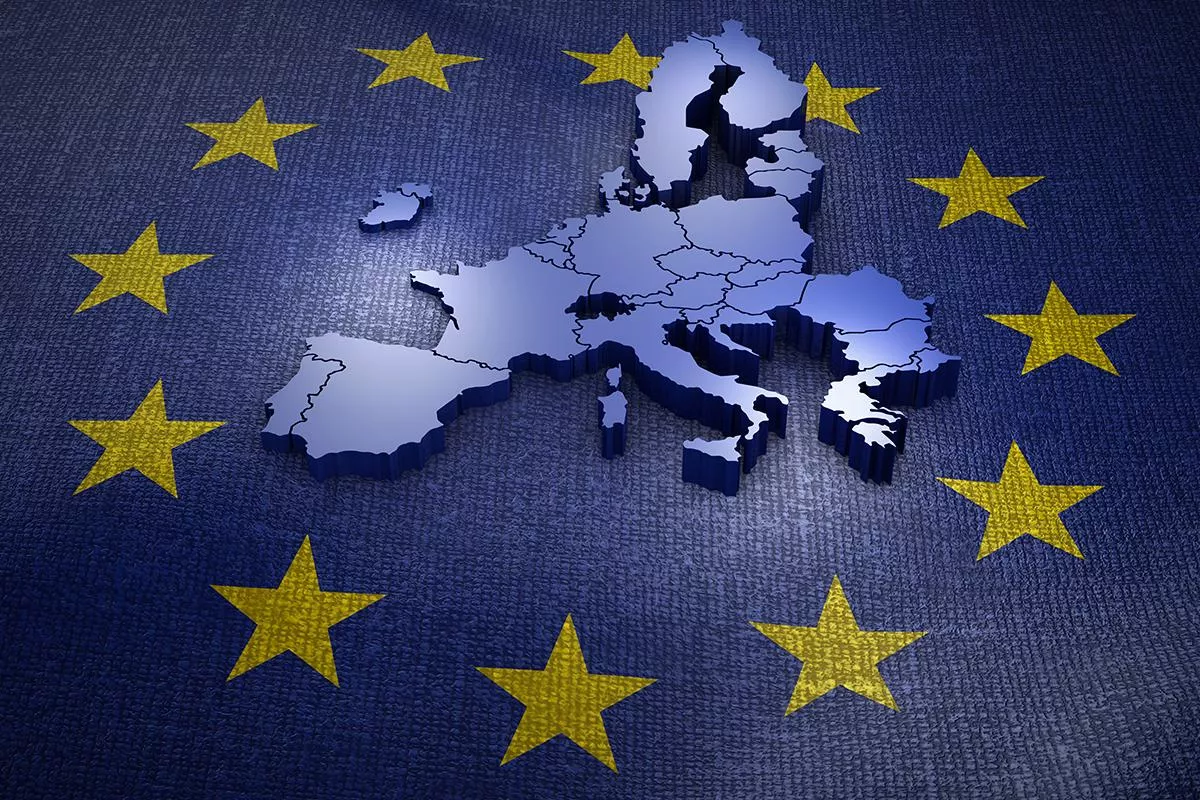
As for the European Union, the agreement enables Brussels to strengthen control over the southern border of the Schengen Area and contributes to enhancing dialogue with the United Kingdom, cooperation with which left much to be desired in the initial period following Brexit.
As is well known, the United Kingdom and the European Union only recently embarked on a course toward improving their relations and addressing accumulated issues in a pragmatic manner. In May 2025, the UK–EU Summit was held in London, where the parties agreed to reset their relationship, signed agreements to resume regular high-level meetings, reaffirmed their support for Ukraine, and established a new framework for dialogue on security and foreign policy.
The Gibraltar agreement, in turn, signals a new stage in relations between the European Union and the United Kingdom: the era of "hard Brexit" is gradually giving way to a period of steady rapprochement between London and Brussels, particularly in the key areas where their strategic interests intersect.
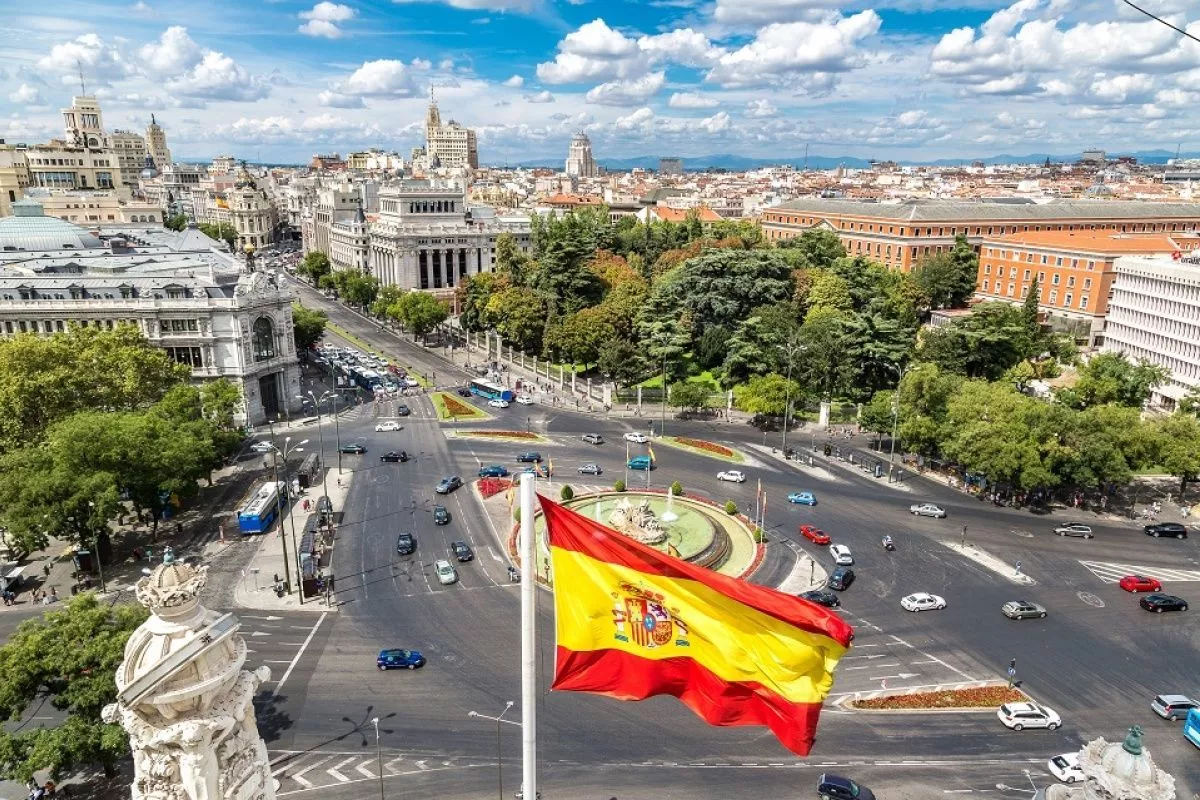
Meanwhile, for Spain, the situation appears less straightforward. On the one hand, the Gibraltar agreement opens up opportunities for Madrid to further develop tourism and trade: the removal of the physical border will allow thousands of Spanish workers to cross freely every day, benefiting the economy of the neighbouring Spanish region of Campo de Gibraltar, while the introduction of direct flights is expected to increase tourist flows.
At the same time, a number of analysts believe that the agreement also carries strategic risks. Although Spain has been granted control over the Schengen border at the port and airport, the open land border may facilitate illegal migration, tobacco smuggling, and the illicit movement of goods.
Moreover, Madrid has no intention of abandoning its claims to the territory, which suggests that a final settlement of the Gibraltar issue will, in the future, require close coordination among London, Madrid, Brussels, and the authorities of Gibraltar. In this process, the key challenge will be to avoid venturing into territory where diplomacy begins to lose its relevance.
Only time will tell how events will unfold. Yet it can already be said that one more barrier has disappeared from the political map of the world—a development that is encouraging in today's environment of persistent geopolitical turbulence. From this perspective, the Gibraltar agreement can indeed be described as historic.







 editor@caliber.az
 +994 55 444-88-98
 Азербайджан, Баку, ул. Низами, 203, Af Business House, 5-й этаж