










Revival of German military power will determine Europe’s future Analysis by Serhey Bohdan
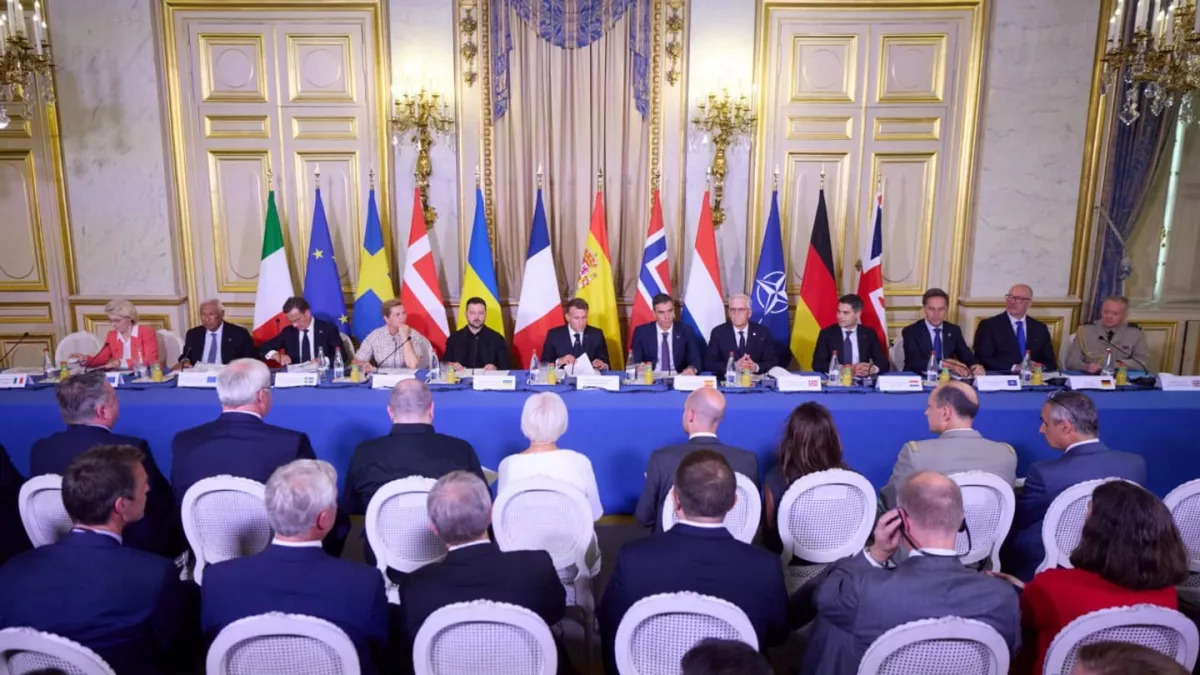
The coalition summit of countries willing to support Ukraine, held this week, was notable not only because the French leadership sidelined the EU and NATO. The list of participants is being kept undisclosed, while only nine European countries signed the final documents. Poland, a key country in Ukraine aid programmes, was not among them. Germany attended the summit, but refused to take part in the announced coalition exercises.
This demonstrates the re-emerging lines of confrontation within Europe. Behind the rhetoric about countering Russia and increasing Europe’s own responsibility within NATO, European countries are becoming drawn into military competition with one another. New alliances and axes are emerging, paving the way for a renewed rivalry on the continent.
War and the Germans: sometimes they return
The main factor reshaping the continent’s strategic configuration has been Germany’s rise. In May, Chancellor Friedrich Merz set the goal of building “the strongest conventional army in Europe.”
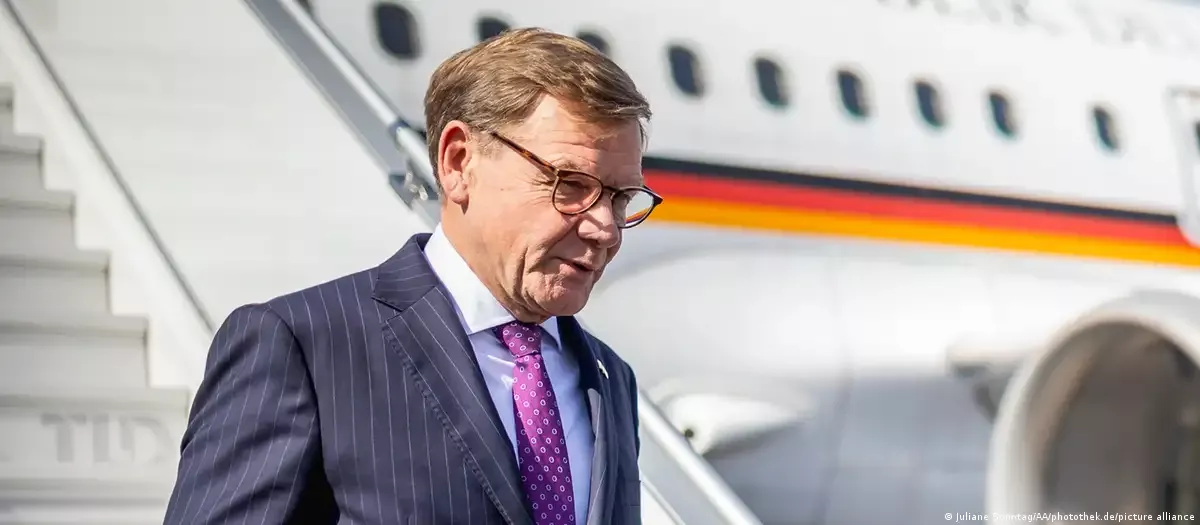
A day later, German Foreign Minister Johann Wadephul stated that the government would meet US President Donald Trump’s demand to allocate 5% of GDP to defence spending.
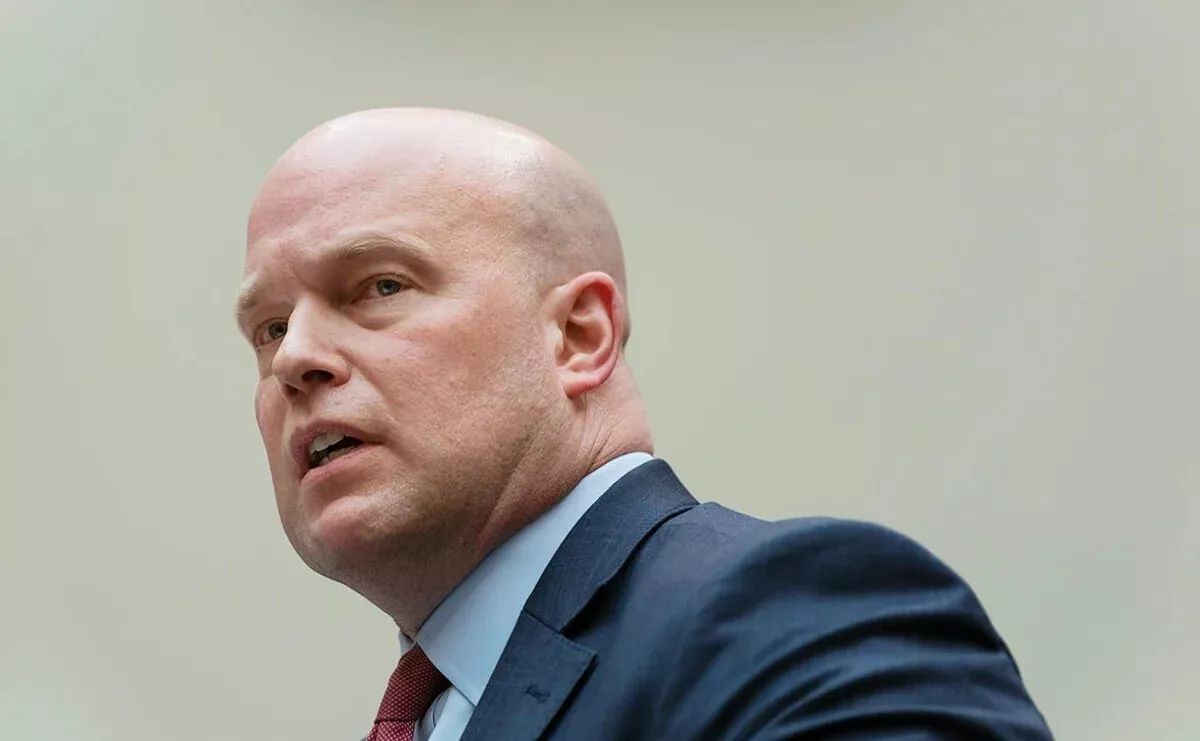
Yes, it was Trump who sent his NATO ambassador, Matthew Whitaker, to Brussels with instructions that every member state of the alliance should spend 5% of its GDP on defence by 2035. Not all Europeans were prepared to accept this, and as a result, concessions even had to be made to Spain.
The German government’s willingness to comply with Washington’s demands should not be attributed to fears among Europe’s liberal elites that they might incur Trump’s wrath. As practice shows (the situation surrounding Iran is one example), they promise him anything but then do as they please. But this is not the case here.
Berlin really did move last week, ahead of the NATO summit in Ankara, to dramatically increase defence spending. A full one trillion euros will be allocated for these purposes in the coming years. The logic behind these moves is quite clear.
Historically, NATO and the US military presence in Europe were intended to serve as a guarantee not only against a potential conflict with the Soviet Union, but also against the revival of German military power. Today, however, Merz faces a golden opportunity: the United States itself is demanding that Germany expand its capabilities, while NATO is barely functioning.
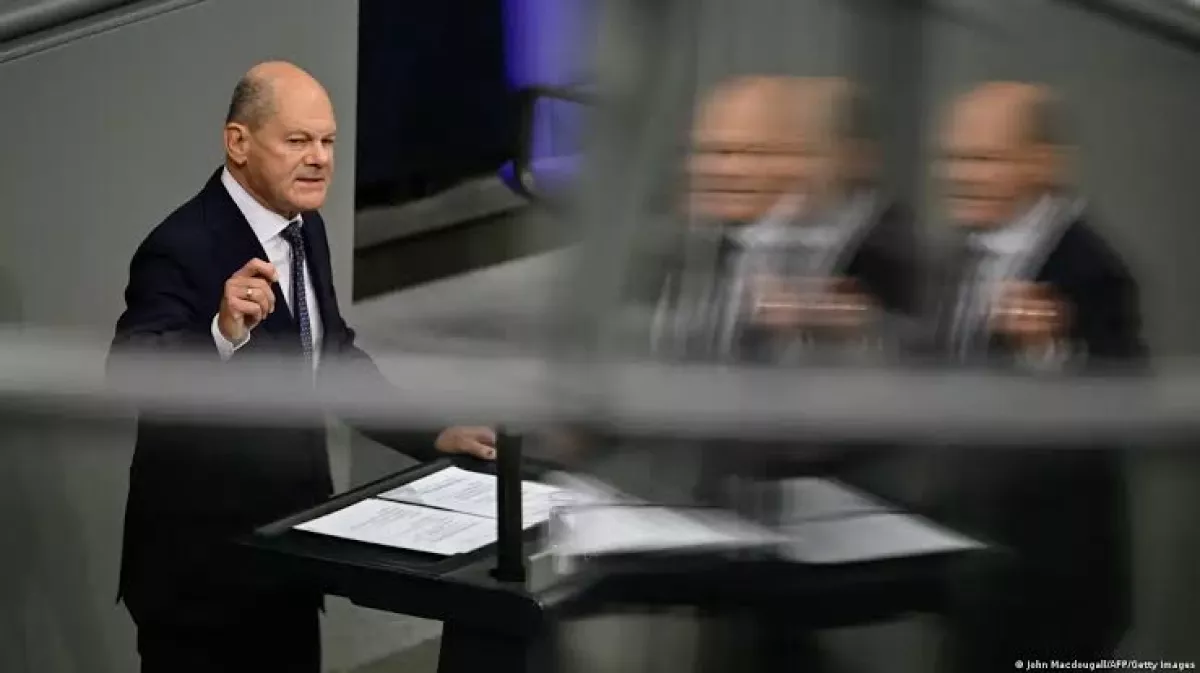
German remilitarisation began during the tenure of the previous Social Democratic Chancellor Olaf Scholz. Just four days after Russia’s invasion of Ukraine in 2022, he delivered a landmark speech about a “turning point of an era” and announced an unprecedented course towards rebuilding Germany’s military capabilities.
He then not only increased defence spending within the national budget to 2.1% of GDP by the end of his term in 2024 — a figure that initially appeared substantial, amounting to around €50 billion — but also took a unique step in German history by creating an off-budget €100 billion “special fund” for the needs of the armed forces.
By raising military spending to 5% of GDP in the near future, Berlin will be allocating more than €160 billion annually to its armed forces. However, even after the latest cuts to other areas of government spending, the administration does not have the resources required for such an increase and will have to take on unprecedented levels of debt.
Berlin believes that the strategic goal of restoring military power, which was restricted in 1945, is worth the effort. For now, the task is to increase the size of Germany’s regular armed forces from the current 182,000 troops to at least 203,000 by 2031. But it is safe to say that this is only the beginning.
The ghost of the Entente haunts Europe
Against this backdrop, the ambitions of other major Western European states appear more modest. After all, they do not need to make up for eight decades of lost ground: their armies and navies have already been built.
Nevertheless, they too are expanding their military capabilities. During his time in office, French President Emmanuel Macron has significantly increased the defence budget, raising it to €55 billion last year. But in March, he stated that such spending should almost be doubled. The reason, he said, was the need to defend against the “Russian threat” looming over Europe.
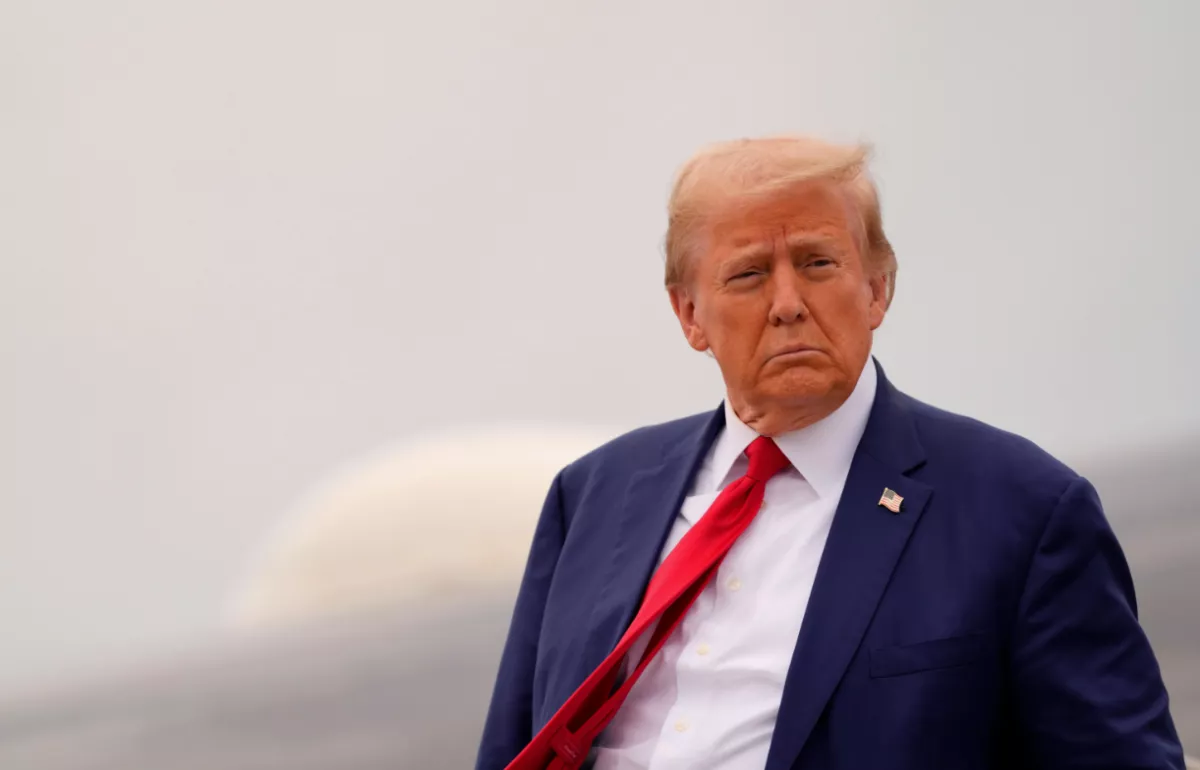
Is this really the case? The Russian-Ukrainian war has already entered its fifth year, while Trump has been pressuring Europeans to increase defence spending for more than a decade. Perhaps it is worth paying attention to the fact that calls in Paris for a sharp increase in military spending and the creation of a nuclear umbrella “for Europe” at the expense of other countries emerged against the backdrop of Berlin’s efforts to rebuild German military power and expand its sphere of influence on the continent.
After all, matters have reached the point where the Germans have not only operationally integrated an entire Lithuanian brigade into their armoured division, but have even moved into a country that France considers its own sphere of influence due to a perceived cultural affinity — Romania.
Initially, the German army operationally integrated a Romanian mechanised brigade into one of its own tank divisions under the framework of a trilateral agreement involving the Czech Republic.
More recently, it emerged that Rheinmetall had received a massive contract to re-equip the Romanian army. This came after the same Rheinmetall had already managed to sell more than a thousand tanks to Italy, expanding its influence in yet another country on France’s borders and strengthening a potential competitor to Paris.
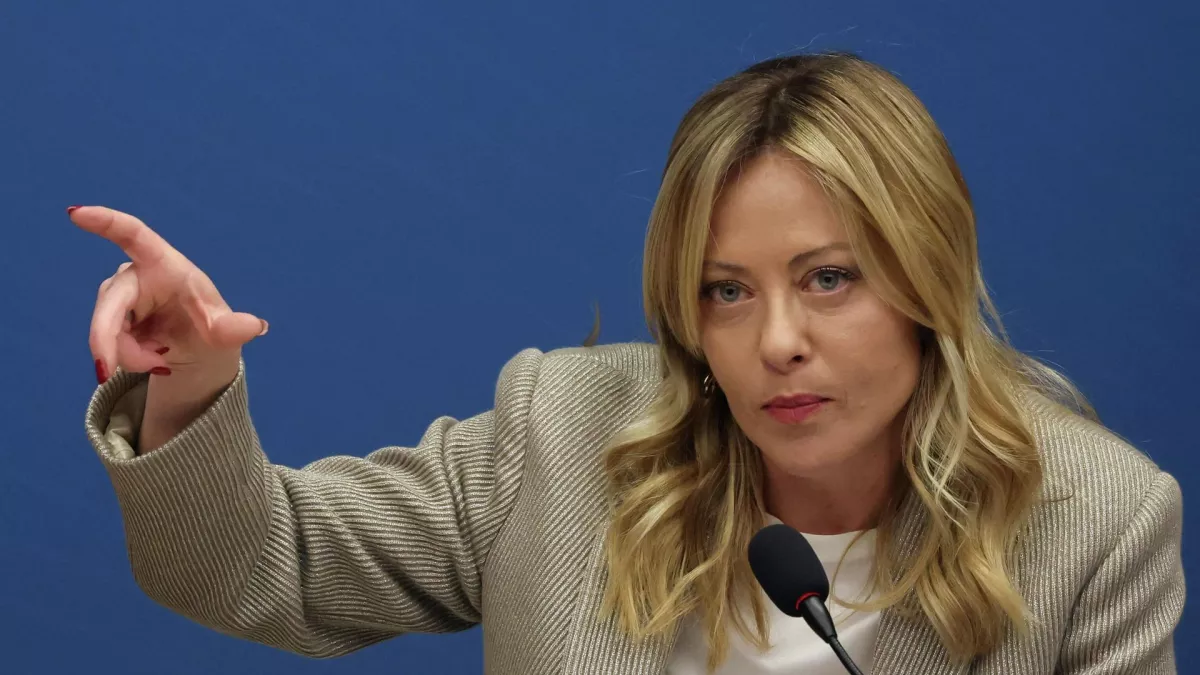
Italian Prime Minister Giorgia Meloni has even stated in this regard that she wants to create the strongest armoured formations on the continent.
Such developments have prompted Paris to take notice. Its rivalry with Berlin is not openly discussed, but it runs through much of the recent news. Even the figures tell the story: the French army has 203,000 soldiers. And here lies the problem — Berlin has set a goal of expanding its armed forces precisely to that level.
At the same time, Paris understands that much of its military arsenal is largely symbolic in nature. Yes, France has several nuclear-powered submarines carrying nuclear missiles, and some French fighter jets are capable of carrying nuclear bombs, but the number of warheads is frankly limited, and there is no money for further expansion.
The aircraft carrier Charles de Gaulle also appears more symbolic than practical, as it is understandably frequently undergoing maintenance. In reality, at least three such vessels would be needed to ensure a continuous presence; otherwise, it is simply an expensive prestige project. Even Britain and Italy each operate two such ships.
One possible way for France to overcome its current military decline would be to build a new alliance with other Western European countries. Macron has been constructing this “new Entente” by undermining the unity of the EU and NATO over the past couple of years, primarily together with the recently departed British Prime Minister Starmer.
However, the British armed forces are going through difficult times. London plans to significantly increase defence spending, which already stands at a substantial £72 billion, but this remains rather uncertain, as Britain does not have the necessary funds and will have to borrow them.
The country’s traditionally small army numbers 140,000 personnel, and London has no plans to expand it. Britain’s military power has traditionally rested on its navy — but it too is now in decline. In June, it emerged that none of the country’s five nuclear-powered attack submarines was capable of going to sea, with all of them undergoing repairs and maintenance.
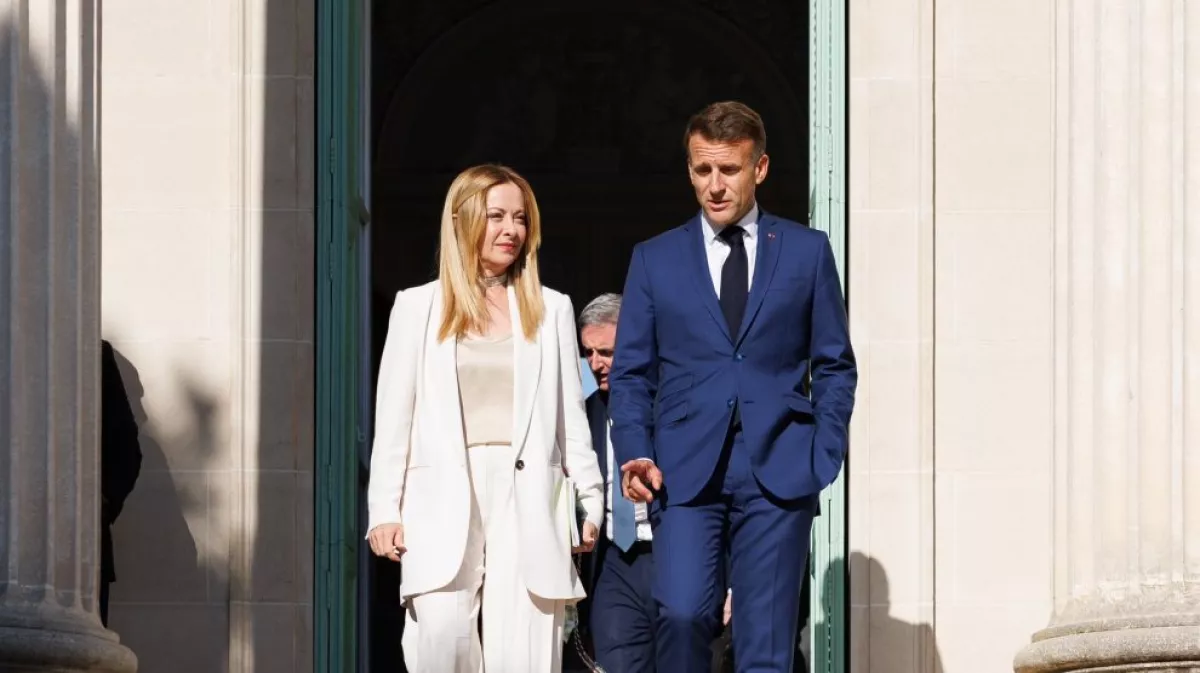
The French leadership also sought to move closer to Italy. In June, the first French-Italian summit in many years took place. During the meeting, Macron and Meloni even signed a defence roadmap through 2031, with a joint strategy for ensuring security in the Mediterranean as its key component. This reflects the differences between the two countries and what is presented as a kind of European consensus on preparing for a war in Eastern Europe.
Paris and Rome also agreed to create a joint air defence system, SAMP/T, as an alternative to the American Patriot, as well as their own satellite network to replace the US Starlink system.
What is particularly interesting is that the rapprochement between France and Italy also began after relations between Italy and Germany cooled. After all, just in January, the Italian prime minister held a high-level meeting with the German chancellor. At that meeting, they backed the EU trade agreement with the MERCOSUR bloc — a deal fiercely opposed by Macron’s government.
However, Italy will provide Paris with little benefit in military terms. In the latest publicly available figures, its defence spending stood at €31 billion, which is frankly modest. Official statistics claim an impressive number of aircraft in the Italian Air Force — 729 aircraft — but given the size of the budget, it is clear that this figure is misleading. Italy’s army itself is relatively small, numbering 165,000 personnel.
Polish contrasts
All Western European countries (the so-called “old Europe”) face fundamental problems in recruiting personnel for their armies and equipping their forces. German authorities have unsuccessfully tried to attract more contract soldiers in recent years. As a result, the country is now moving towards restoring compulsory military service as early as next year. A similar situation can be observed across the rest of Europe.
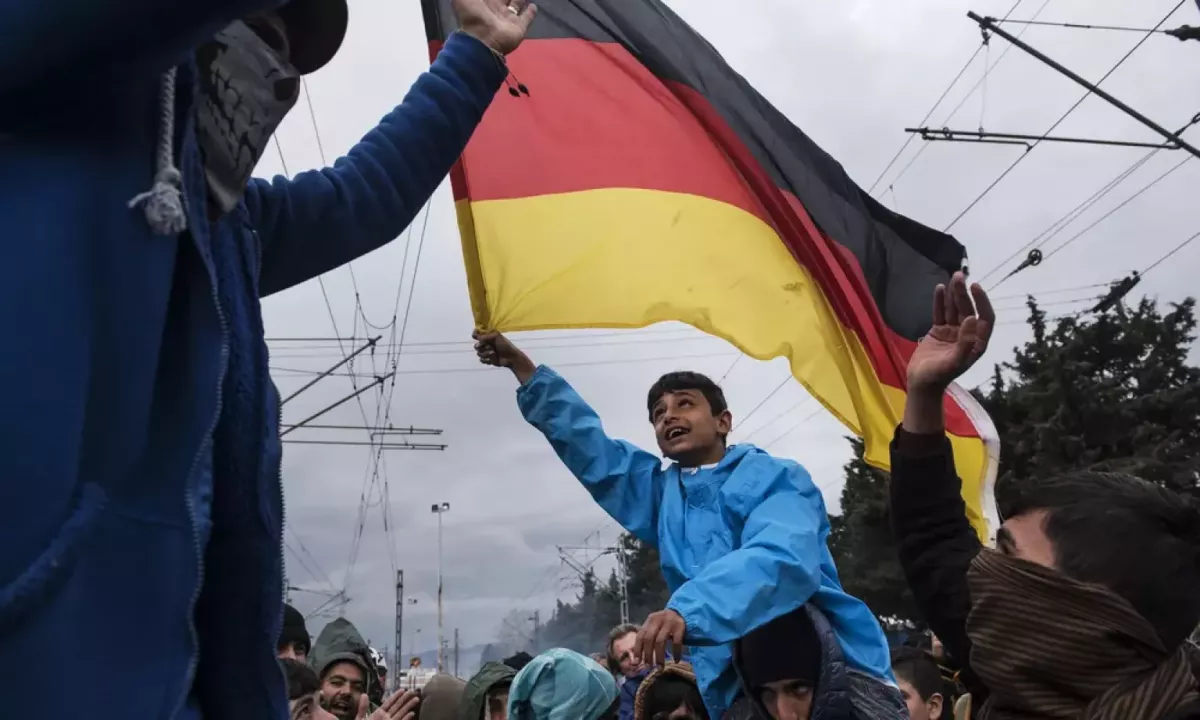
They are also restoring compulsory military service. However, the many years during which it was suspended mean that these countries now have few people with military training. In addition, demographic trends have resulted in younger generations increasingly consisting of migrants of various generations — representatives of non-native ethnic groups with different cultural and religious backgrounds.
This means that relying on the cheapest way to prepare for war — fuelling military hysteria based on nationalism — will be difficult.
The questionable reliability of armed forces formed from such a pool of recruits, especially in the event of an unfavourable course of military operations for the West, has already become an important factor in the strategic balance of power.
The problems are not limited to personnel; there are also issues with equipment. Just recently, in mid-June, the joint Franco-German programme to develop a new fighter jet collapsed after absorbing billions of euros in funding.
At the end of June, Germany’s F126 frigate construction project collapsed. The vessels, which began being built in 2020 as the foundation of a new fleet, never saw a single ship completed. Almost simultaneously, Britain was forced, for financial reasons, to abandon its long-delayed project to build the new Type 83 destroyers, which were intended to become the backbone of its future navy. Not a single person was removed from office over any of this.
Against the backdrop of such organisational weakness and a lack of innovation, the largest country in Eastern Europe — Poland — stands out sharply. Since the mid-2010s, it has been investing virtually everything it can into building its own armed forces. This has been driven by sentiments among Polish elites, who openly dream of the era of the first two Polish-Lithuanian Commonwealths and have, since the early 2010s, actively worked to expand Warsaw’s influence over territories in Ukraine, Belarus and Lithuania that were once under Polish control.
In short, Warsaw effectively fulfilled the task set by Trump regarding defence spending even before he announced it. In the latest reporting year, Poland allocated €49 billion for preparing for war — almost the same amount as Germany, despite the fact that Poland’s economy is incomparable in size to that of the Federal Republic of Germany.
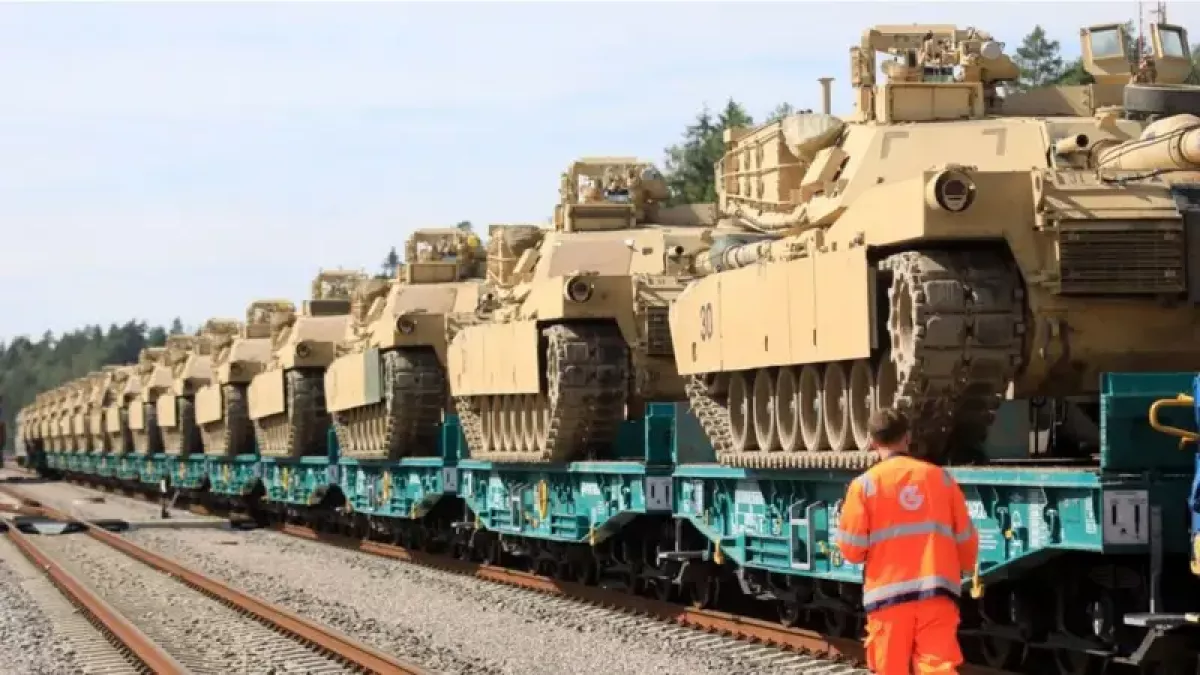
The Third Polish Republic already has more tanks than Germany and France combined — and these are the world’s most expensive South Korean-made vehicles, along with an increasingly modern fleet of American Abrams tanks. And procurement is continuing.
Add to this the huge number of rocket artillery systems such as HIMARS (after deliveries are completed, Warsaw plans to have more than 500 of them), as well as the 290 K239 Chunmoo systems it has purchased from South Korea as an equivalent platform. These systems were originally developed as offensive weapons for the US Marine Corps. In June, Poland also began receiving the newest American F-35 fighter jets.
The size of the Polish armed forces is, of course, overstated: the officially declared figure of 202,000 personnel includes territorial defence forces of questionable combat effectiveness. Nevertheless, Poland’s regular army is unlikely to be significantly smaller in size than Germany’s. This is despite the fact that Warsaw has only 19 million people available as a manpower base, while Berlin has twice as many — 39 million.
Prime Minister Tusk recently stated that his government is working to increase the size of the armed forces to half a million soldiers.
To arm itself so impressively, Warsaw has not only taken on significant debt but has also received huge financial transfers from the European Union year after year. By the mid-2020s, it had become the largest recipient of EU funds, receiving twice as much money from the bloc as it contributed to the common budget.
The Polish government is aware of the vulnerability of this rapid rise towards military dominance — after all, the Germans could potentially cut off the flow of funding. Therefore, Warsaw has taken steps to protect itself from the twists and turns of geopolitical fate.
Above all, Poland is seeking to bring as many American troops and nuclear weapons as possible (not only from the United States) onto its territory. It has also enthusiastically welcomed Macron’s initiatives to deploy an “expanded” French nuclear umbrella in the region.
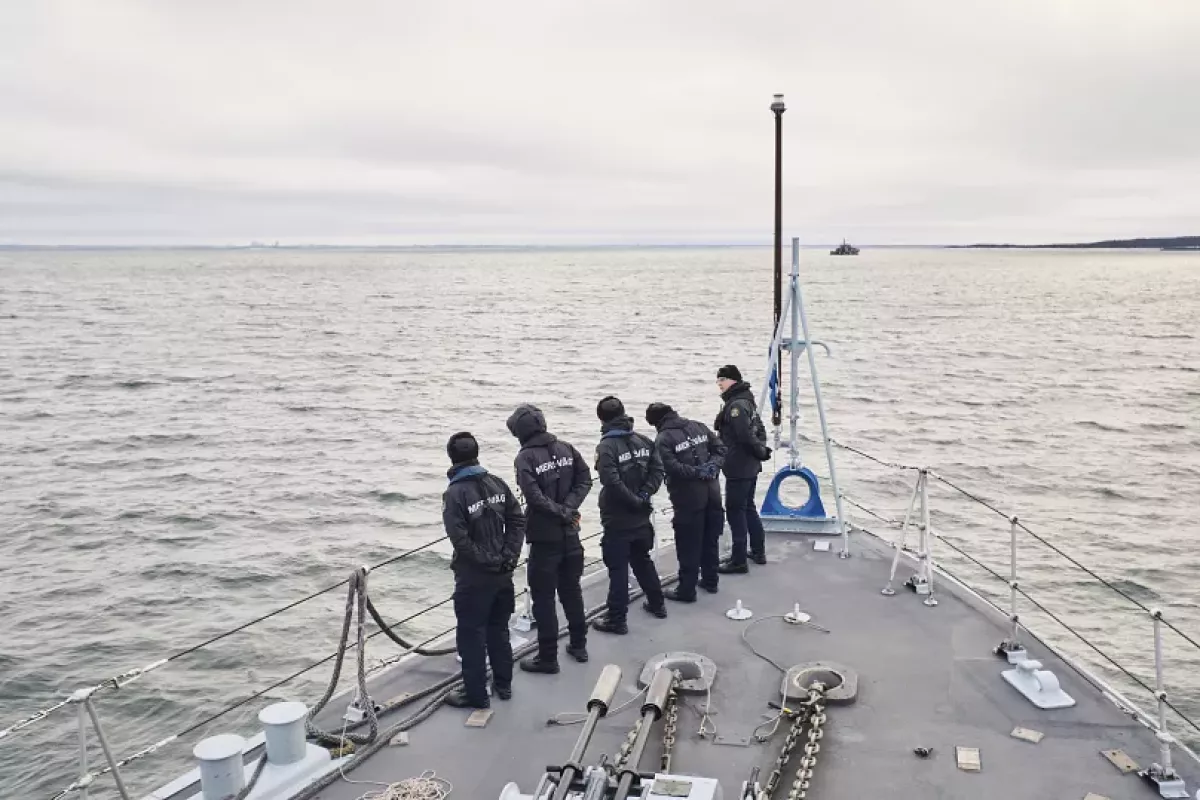
Finally, Warsaw is not only purchasing ships from Sweden but is also building an alliance with Stockholm for operations in the Baltic Sea — separately from Germany’s military deployment in the region.
The main direction of Polish diplomacy in recent years has been the conclusion of bilateral military cooperation agreements. These agreements duplicate NATO commitments, strengthening or weakening them depending on the country involved. In June last year, such commitments with France were reinforced through a corresponding treaty, while the document signed with Germany in May this year had the opposite effect — Warsaw chose not to create additional opportunities for German troops to enter its territory. In effect, new axes and alliances are being created in Europe.
Militarisation is not saving Europe from decline
In reality, Europeans have been rearming for years at the expense of their own citizens’ prosperity. Despite the already significant costs of this militarisation, its achievements so far have been far from impressive.
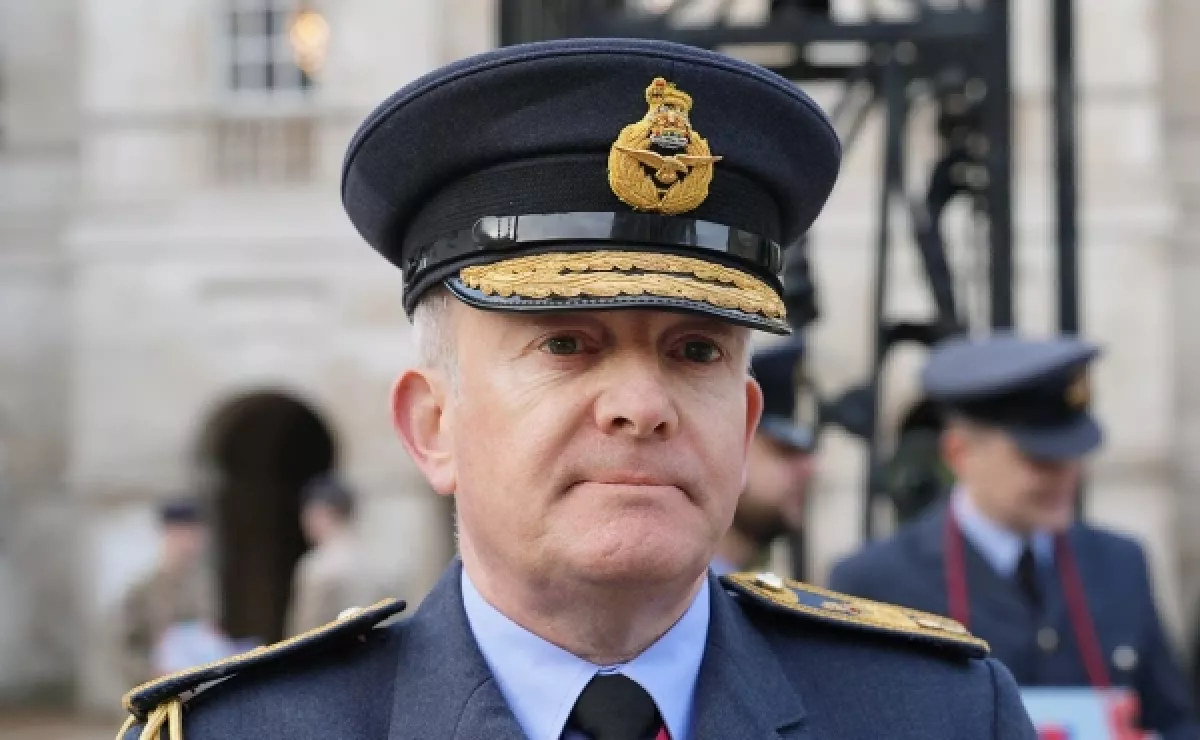
On June 21, British Chief of the Defence Staff Richard Knighton stated: “If the government does not provide more funding for defence, further military operations will be limited.”
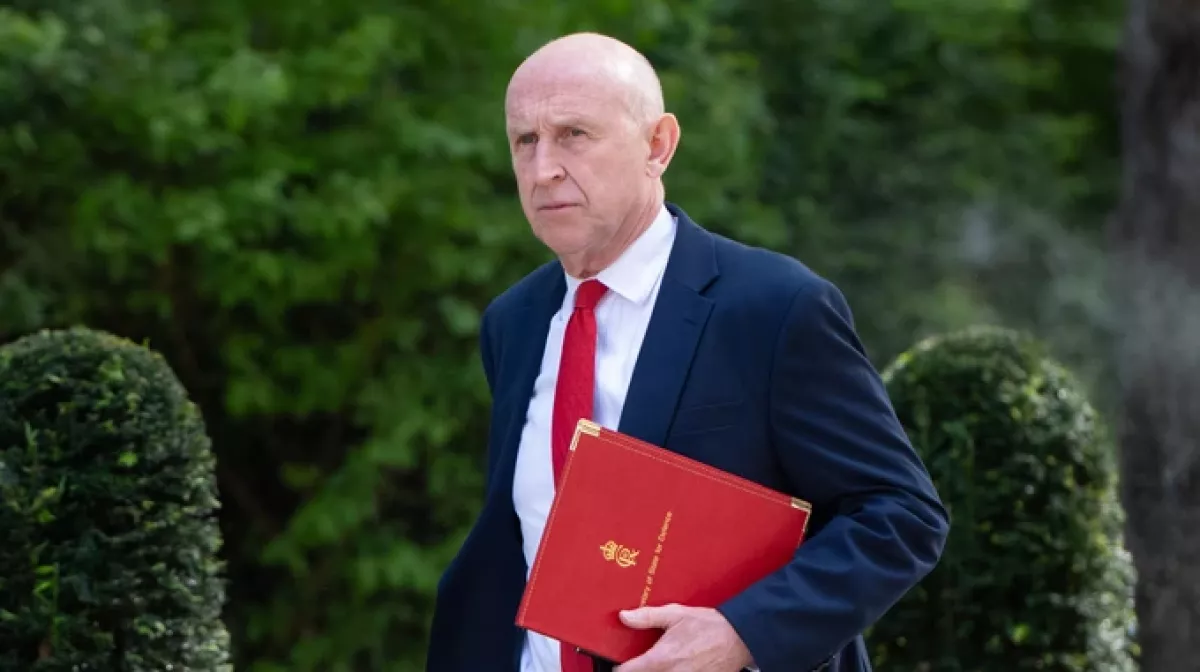
Recently, British Defence Secretary John Healey resigned, citing the mismatch between defence spending and the scale of threats facing the country. Funding was subsequently approved, but it will have to be borrowed.
The British government can no longer afford large-scale military operations. Increased military spending in other countries has also failed to produce noticeable results.
France, for example, has increased its defence budget since 2017, yet it has been pushed out even in its traditional sphere of influence in Africa. In this sense, when the entire European wing of NATO acknowledges that it remains incapable of doing anything without the United States, it is not exaggerating.
So far, militarisation has not helped European powers increase their global influence or even deal with Russia in Eastern Europe. Instead, it has fuelled tensions within Europe — a continent that until recently appeared to have put an end to conflicts among its own members.
Initially, the Polish government’s determined policy of strengthening its armed forces contributed to the emergence of an Eastern European security configuration that led to the United States distancing itself from the conflict, while the resulting strategic vacuum was used by Germany’s ruling establishment to remove the last remaining military constraints.
Now we are already seeing France building coalitions with Britain and Italy in response, while Poland is forming partnerships with France and Sweden. European politicians will once again have to confront the old challenge of continental politics that has defined the past two centuries: how to balance a rising Germany.







 editor@caliber.az
 +994 55 444-88-98
 Азербайджан, Баку, ул. Низами, 203, Af Business House, 5-й этаж