










The British syndrome: Why London’s political paralysis is Europe’s future Analysis by Serhey Bohdan
This week, London settled on its choice of a new prime minister. In just a couple of weeks, the United Kingdom will officially have its seventh prime minister in the space of ten years. This revolving door of leadership in what was until recently the most politically stable country in the Western world comes against a backdrop of mounting economic difficulties and a steady decline in military power. Given Britain's unique status as a former global empire and the United States' closest ally, these developments could have far-reaching implications for the global balance of power. Liberal elites have driven even the world's wealthiest nations into crisis.
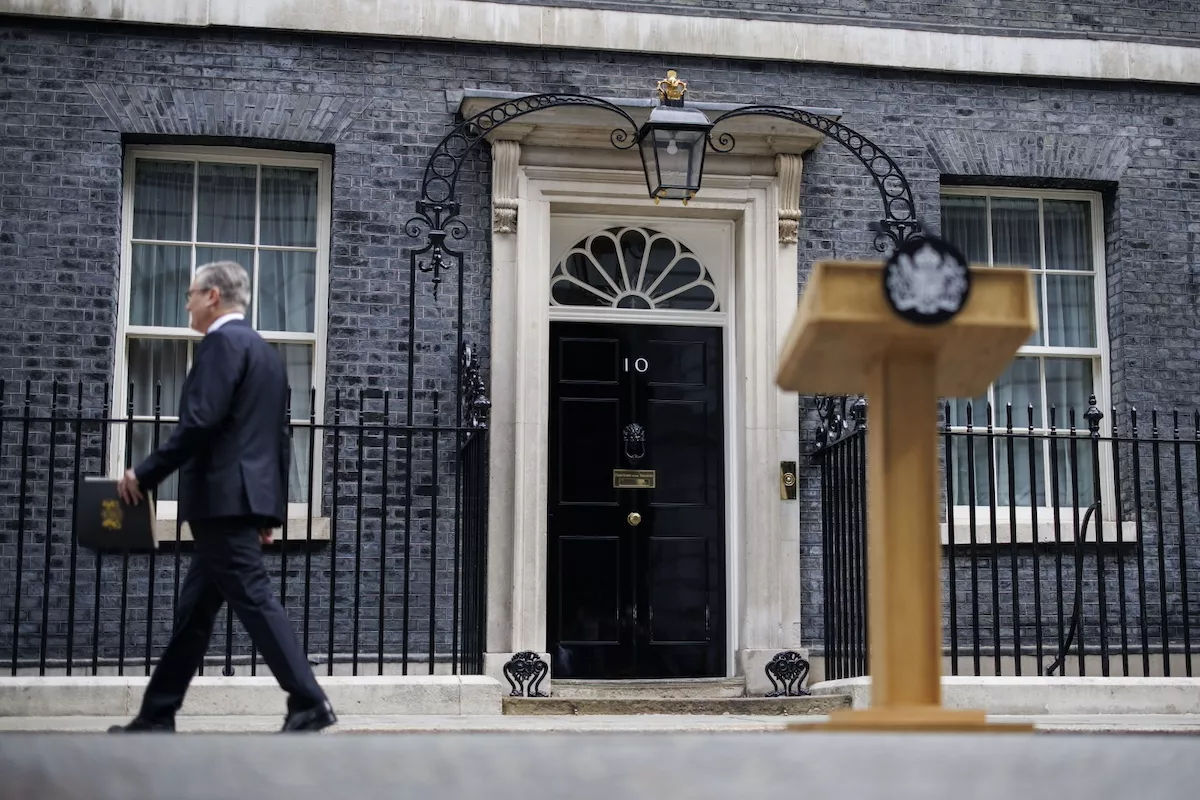
Replacing the "talking head"
Before the ruling Labour Party is swept from office together with the most unpopular prime minister in British history, it is rushing to replace him with former Manchester mayor Andy Burnham, who has just been hurriedly elected to Parliament.
His predecessor, Keir Starmer, came to power in July 2024 after securing a decisive election victory that brought an end to fourteen years of Conservative rule.
Yet within a year, his approval rating had plummeted to a record low of just 13 per cent. Starmer is leaving office before completing even two years in power. Even so, by the standards of Britain's six previous prime ministers over the past decade, that is a relatively long tenure—Liz Truss, for example, lasted only 44 days in office.
And this is happening in the United Kingdom, a country long regarded as far more politically stable than any state in continental Europe. Such brief periods in office deprive British governments of even the theoretical possibility of pursuing a coherent long-term policy.

Today, even Italy enjoys greater political stability than Britain: Giorgia Meloni has now led the government for almost four years. By comparison, two Conservative prime ministers—Margaret Thatcher and John Major—held office for a combined total of nearly two decades.
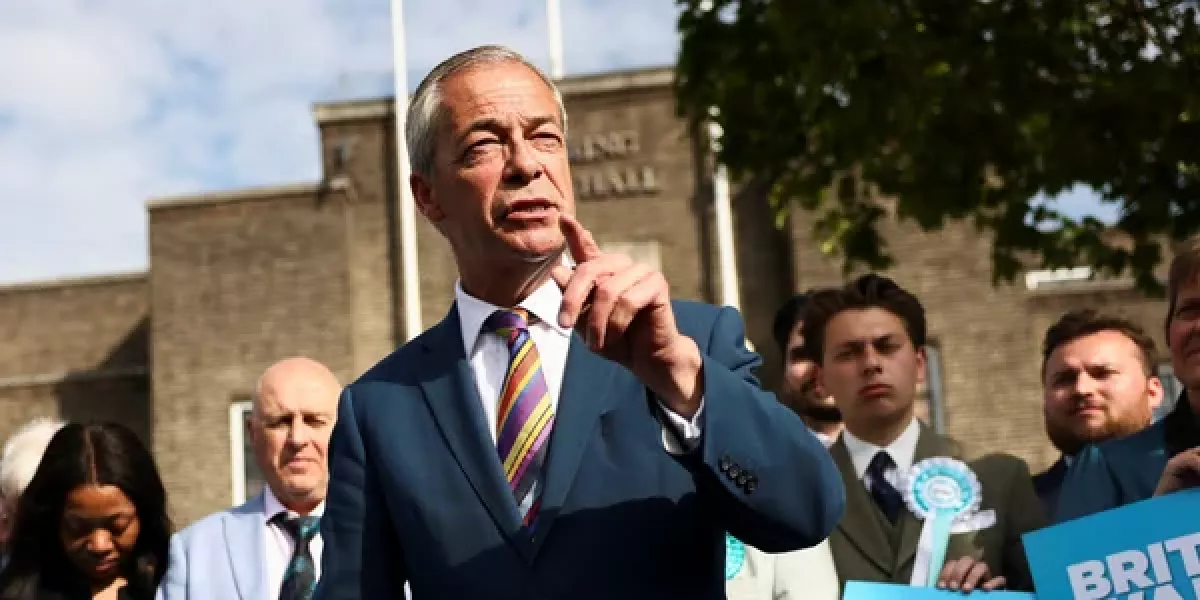
The instability has been compounded by the breakdown of the two-party system that underpinned British politics throughout the past century. In recent years, the country's leading political force has become the opposition Reform UK party, led by Nigel Farage, a close ally of Donald Trump.
Over the past year, Reform UK has consistently attracted the support of between a quarter and more than a third of the electorate, making it Britain's most popular political party, while Farage himself enjoys even higher approval ratings. In May, the party emerged as the largest force in the local elections, which Labour lost. Yet rather than resigning, the governing party has simply opted to replace its prime minister.
Money for weapons instead of roads and power lines
Ideologically, there appears to be little difference between the two politicians from the same party. Nevertheless, on Monday Burnham unveiled an ambitious programme of sweeping reforms.
The first set of proposals focuses on improving living standards. To achieve this, Burnham intends to bring water and electricity services, public transport, and housebuilding under greater state control. In addition, he plans to reform the private housing market and overhaul the education system.
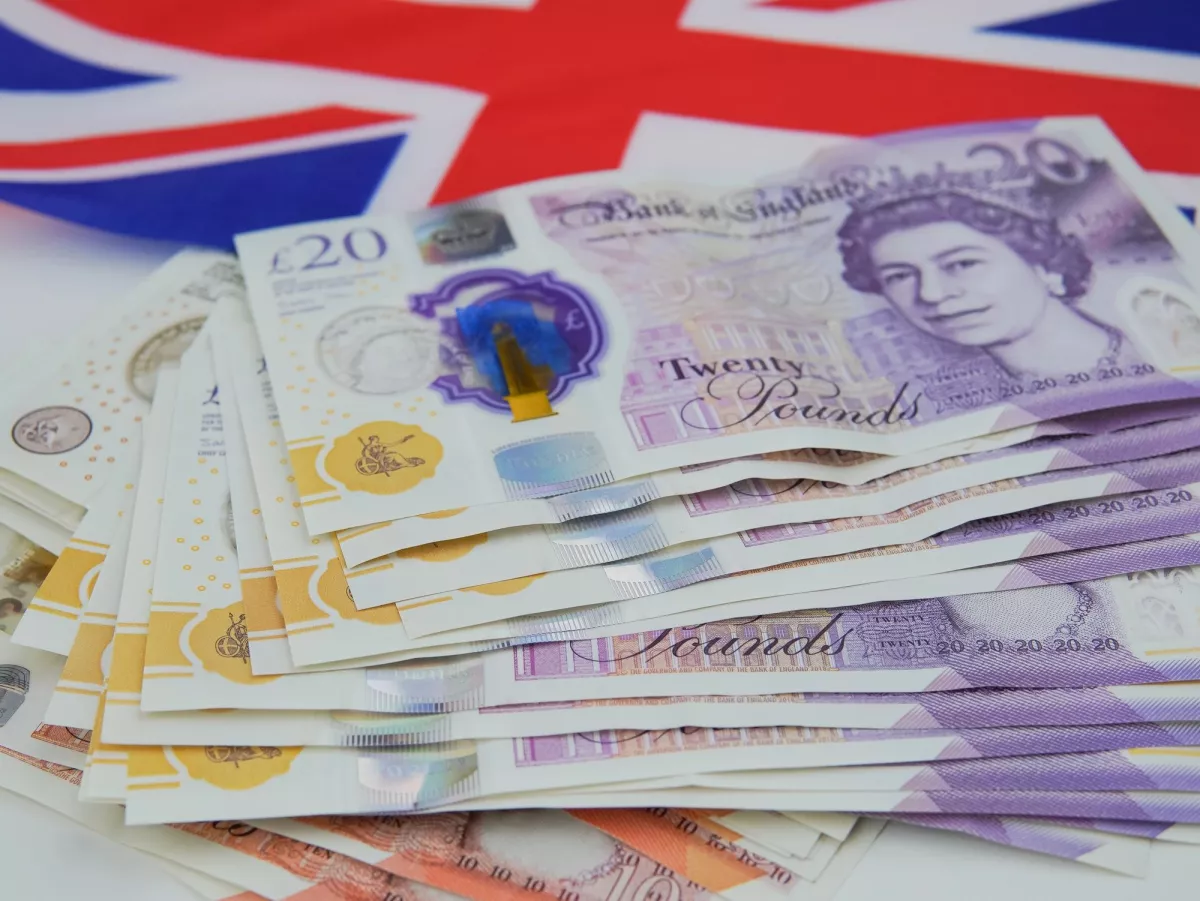
All of this may sound appealing, but it is highly unrealistic given the state of Britain's public finances. In recent years, the UK's national debt has exceeded 100 per cent of GDP for the first time since 1961. Admittedly, the figure is far higher in the United States, but thanks to the dollar's status as the world's dominant reserve currency, Washington can effectively finance additional borrowing by exporting much of the resulting inflation to the rest of the world.
Britain enjoys no such privilege. Faced with severe financial constraints, the Foreign, Commonwealth & Development Office has, since late last year, begun selling off government-owned properties overseas. It is also preparing to reduce its UK-based workforce by nearly a third, while cutting a further 250 positions across its diplomatic missions abroad.
The rearmament programme announced only days ago by the outgoing prime minister is likewise set to be financed in part through another one per cent reduction in the Foreign Office's budget. That may appear modest, but Whitehall has resorted to similarly drastic measures on several occasions over the past decade. Since the revolving door of prime ministers began, the government has gradually sold off diplomatic properties—including embassy buildings in Bangkok and Tokyo—leaving British diplomacy noticeably diminished in both resources and reach.
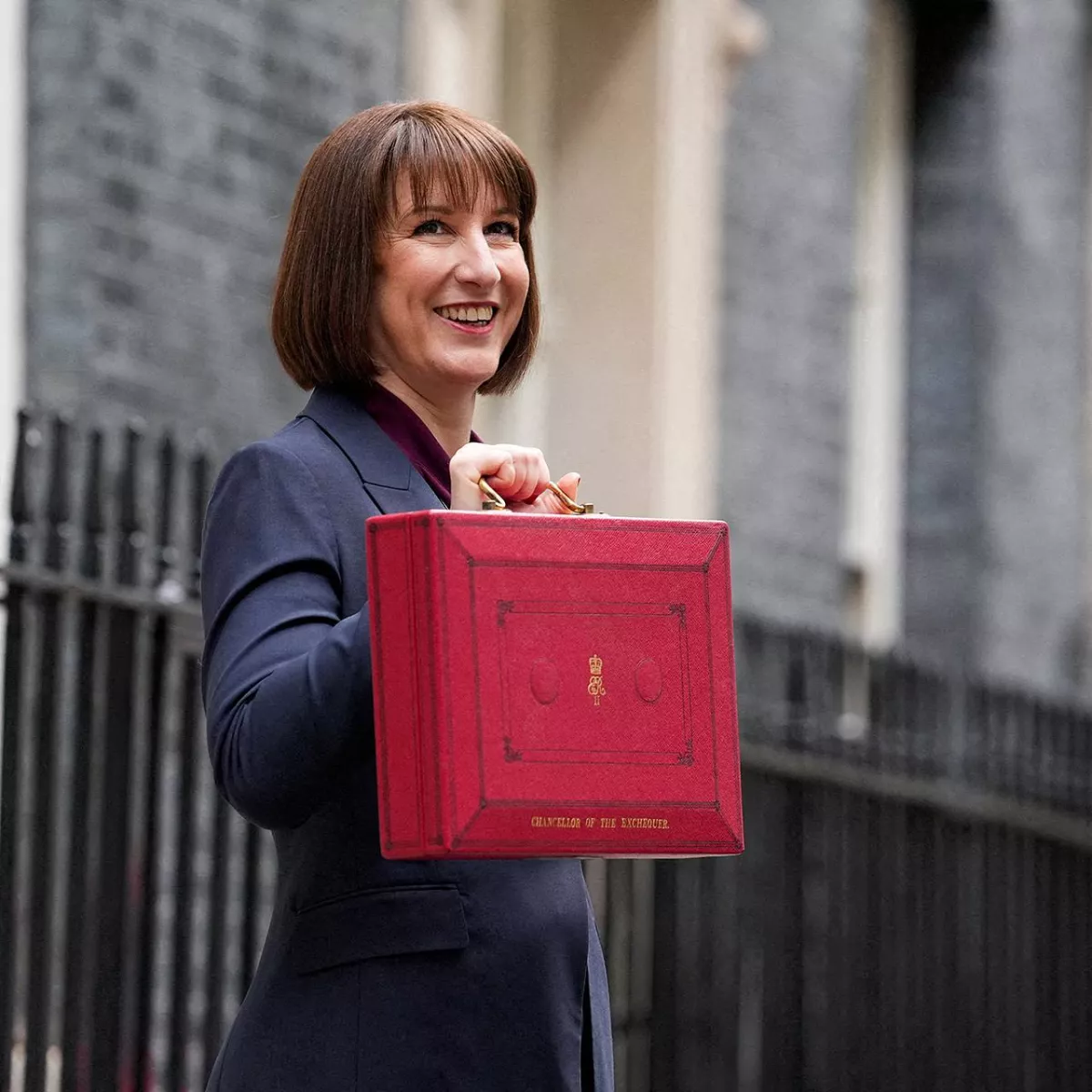
The sale of such "family silver" should come as no surprise. According to Chancellor of the Exchequer Rachel Reeves, the British economy is in its worst condition since the Second World War. Without tax reform, a change in economic policy, and the revival of the country's productive sectors, neither the new prime minister's reforms nor any similar political programme is likely to succeed.
Yet Reeves has also insisted that the government has no intention of raising National Insurance contributions, income tax, or VAT. At the same time, an ever-growing share of public funds is being diverted towards military preparedness. The decision taken by Starmer last week to increase the defence procurement budget by a further £15 billion will be financed through additional cuts to infrastructure and energy projects, including the cancellation of two road schemes and an electricity transmission link.
The government argues that higher defence spending will create new jobs. Independent experts disagree, maintaining that the number of jobs lost in civilian industries will exceed those created in the defence sector by at least 10,000. Moreover, many of the new positions are expected to be generated primarily in the defence industries of foreign countries rather than in Britain itself.
Will the country hold together?
The second pillar of the new government's programme is the decentralisation of the United Kingdom along what Burnham describes as the "German model", granting local authorities broader powers and greater spending capacity, financed in part through increased transfers from central government.
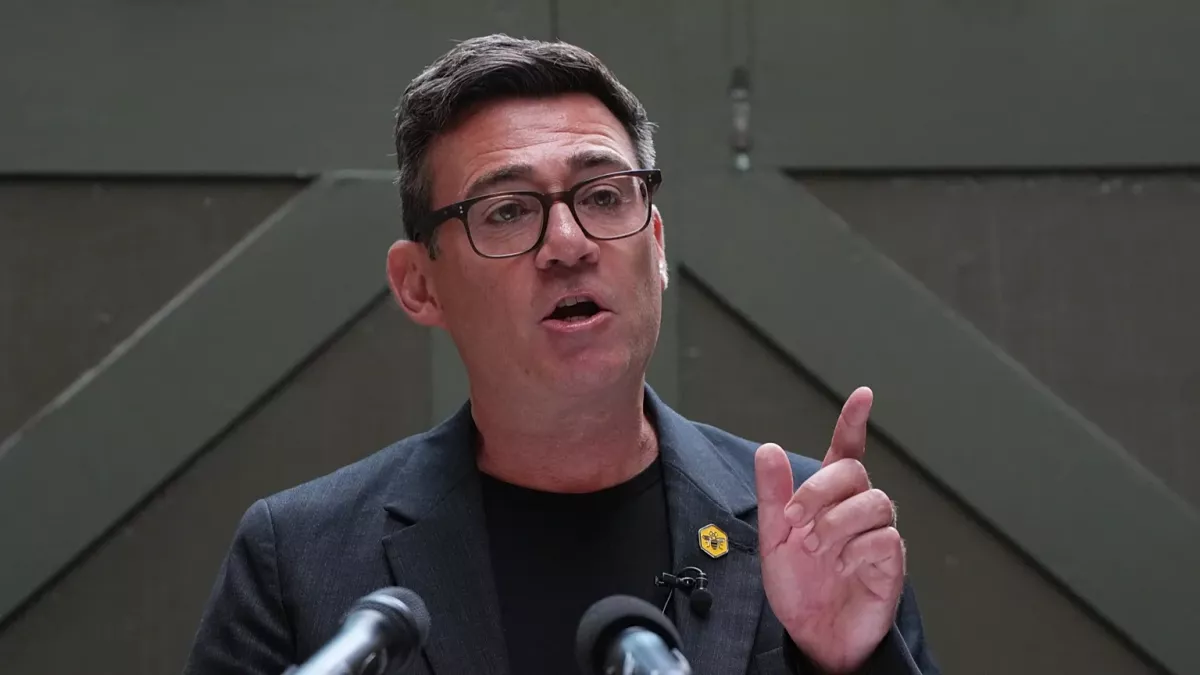
Burnham described the initiative as the "biggest rebalancing of power our country has seen" and even pledged to establish an additional government office to help run the country from Manchester.
There is, however, an obvious irony. In Germany, the very model of decentralisation that Burnham seeks to emulate is now being gradually rolled back, with government institutions increasingly being consolidated in Berlin. The federal system was originally shaped under the supervision of the Allied powers after the Second World War. Today, Germany is steadily casting off what many regard as the last remaining constraints of that era—not only those affecting its military capabilities but also the informal restrictions on centralisation.
To be sure, the model worked reasonably well for a time in Germany, a country with no strong separatist traditions and where ethnic minorities are largely the result of relatively recent immigration.
But how can such a system be transplanted to the United Kingdom—a state composed of England, Wales, Scotland, and Northern Ireland? The latter two have long-standing and deeply rooted separatist movements, with independence sentiment remaining a powerful force in both.

In Scotland's 2014 independence referendum, nearly 45 per cent of voters backed independence. The Scottish nationalist movement has by no means disappeared, and the Scottish National Party continues to enjoy significant representation in the UK Parliament.
Nor is there any need to dwell on the armed groups seeking the reunification of Northern Ireland with the Republic of Ireland, or on the political parties associated with that cause, many of which are also represented in public institutions. They are unlikely to miss any new opportunities created by a further devolution of power.
Weapons instead of schools and hospitals
Even more striking, however, is the fact that the new British prime minister made no mention of foreign policy or defence in his speech. That omission is unlikely to have been accidental. More likely, the new Labour leader recognises that the public wants to hear about restoring order at home rather than pursuing new foreign-policy ambitions and military projects—the defining priorities of his predecessor.

Voters clearly were not impressed. Nor is that surprising: London simply lacks the financial resources to sustain ambitious foreign-policy and military agendas. Before leaving office, Prime Minister Starmer rushed on Tuesday to unveil an expanded Defence Investment Plan, increasing its funding by another £15 billion and bringing its total value to £298 billion. Yet he made little effort to explain how the programme would actually be financed. Its strategic credibility is equally open to question.
The plan identifies three priorities for building the "army of the future": comprehensive military digitalisation driven by artificial intelligence, the large-scale production of unmanned aerial vehicles, and the deployment of laser-based air defence systems.
Some of these ambitions, however, appear little more than political theatre. In particular, the promise of operational laser air defence systems sits uneasily with the current state of British scientific research, industrial capabilities, and, above all, public finances. To compound matters, Starmer ordered the accelerated development of the DragonFire laser weapon system, demanding that it enter service next year rather than in 2032 as originally planned.
Yet no political directive can bring a highly complex defence technology into service five years ahead of schedule—especially in an industry where major programmes are far more likely to be delayed than accelerated.
Indeed, the original timetable envisaged only a basic naval version for destroyers by 2032, with a land-based variant to follow afterwards. In other words, Starmer's announcement amounted to little more than political grandstanding.
The second part of his military programme is no less revealing. It appears to amount to an implicit admission of financial constraint. Hence the emphasis on placing parts of the armed forces under artificial intelligence-based control (despite the fact that recent conflicts, including with Iran, have demonstrated that the effectiveness of such systems against a serious adversary remains highly questionable), alongside increased investment in unmanned aerial vehicles.
For comparison, around £1 billion is being allocated to the procurement of 12 F-35A aircraft intended for nuclear delivery roles, while spending on drones is reportedly five times higher. Unmanned systems are undoubtedly important, but as one element of a broader military structure—not a substitute for it.
Smaller states such as Iran have attempted to compensate for their inability to acquire or develop advanced manned aviation by relying heavily on drones, effectively treating them as a substitute for entire categories of conventional weaponry. In their circumstances, this may represent a rational adaptation. But it is hardly a viable model for a country that still aspires to a serious role in the global hierarchy.
Yet it appears that this is precisely the kind of cost-driven logic underpinning Starmer's approach, albeit disguised in the rhetoric of technological innovation. At the same time, it has been announced that further development of the Storm Shadow missile system will be suspended in the name of efficiency savings, while the most notable headline from his statement was the decision to scale back plans for a substantial surface fleet.
Significant funding—£47 billion—has been allocated only to the nuclear submarine programme, the sole delivery platform for Britain's nuclear deterrent. This comes amid recent controversy over reports that none of the current submarines are fully combat-ready.
What is emerging, therefore, is a so-called "hybrid" naval model, which appears less like bold innovation and more like a reflection of financial desperation.
In particular, London is abandoning plans to build the new Type 83 destroyers, which were intended to form the backbone of the Royal Navy’s future surface fleet. Instead, six command vessels equipped to control swarms of drones are expected to be constructed.
However, such ships are not a substitute for destroyers, and none of the world’s leading naval powers—neither the United States nor China—are pursuing comparable replacements on the same scale. Britain’s shift in this direction therefore looks driven by financial constraints rather than technological superiority or strategic innovation.
These are important considerations, because the weakening of Britain’s naval power as a US ally further disrupts an already deteriorating balance of power on the seas in favour of China. Yet maritime control remains the foundation of global hegemony in the current technological era. Political instability has contributed to the depletion of the national treasury, and in the absence of sufficient resources, London appears to have few alternatives.
Like houses of cards
In reality, Britain’s problems are not unique; they are broadly typical of a number of Western European countries. As the unofficial mouthpiece of the Chinese government, the South China Morning Post wryly observed, "Britain’s political stability now rests less on strong leadership than on institutional inertia."
To translate this into more familiar terms, the situation resembles the late Soviet Union under Brezhnev or Chernenko: everything still appears to function, but it is increasingly unclear whether the country has effective leadership at all.
A Chinese analyst highlights the initially less visible but most serious consequences of the current situation: “For decades, Western liberal democracy derived much of its international appeal not simply from its electoral procedures but from its ability to generate prosperity, stability and effective governance.”
But the problems are not limited merely to inefficiency in governance; they have long been compounded by blatant, demonstrative corruption and contempt for the foundations of human morality. Having learned to manipulate democratic instruments, liberal elites have discarded all sense of propriety—after all, what is there left to fear or be ashamed of? The old mechanisms for prosecuting criminals have also been weakened and undermined.

For example, just six months ago it was revealed that Keir Starmer’s closest ally, Peter Mandelson, was deeply entangled in various dealings with Jeffrey Epstein, the leader of an international network of high-ranking politicians and businesspeople involved in pedophilia and cannibalism, but so far he has only been sidelined from active politics temporarily.
How close is he to Starmer? It was precisely Mandelson, known for his cynical political manipulation and nicknamed the “Prince of Darkness,” who orchestrated Starmer’s victory in 2024, and in return Starmer rewarded Mandelson with the most coveted diplomatic post in Britain—the position of ambassador to the United States!
What kind of dealings did Mandelson have with Epstein? It was not just visits to the den of pedophiles. Mandelson allegedly passed confidential government reports to the financier, enabling him to make enormous profits, and even discussed how to change the UK’s policy on taxing bank bonuses in a way that would allow JPMorgan to profit from it!
If liberal elites are capable of such behaviour, it is hardly surprising that the situation with electoral procedures in the West is deteriorating as well. Elections and the transfer of power based on their outcomes have increasingly become a formality. Euro-liberal leaders (British prime ministers are no exception, nor are recent German chancellors) with catastrophically low approval ratings, in their drive to retain power, resort to legal manoeuvres and backroom deals in order to counter emerging opposition.
Yet after each election, their positions weaken again, requiring new schemes and intrigues that preserve the rule of those long entrenched in office, while simultaneously eroding the authority of the system itself. The situation has gone far, and the house of cards of pseudo-liberal regimes may begin to collapse one after another in the near future.
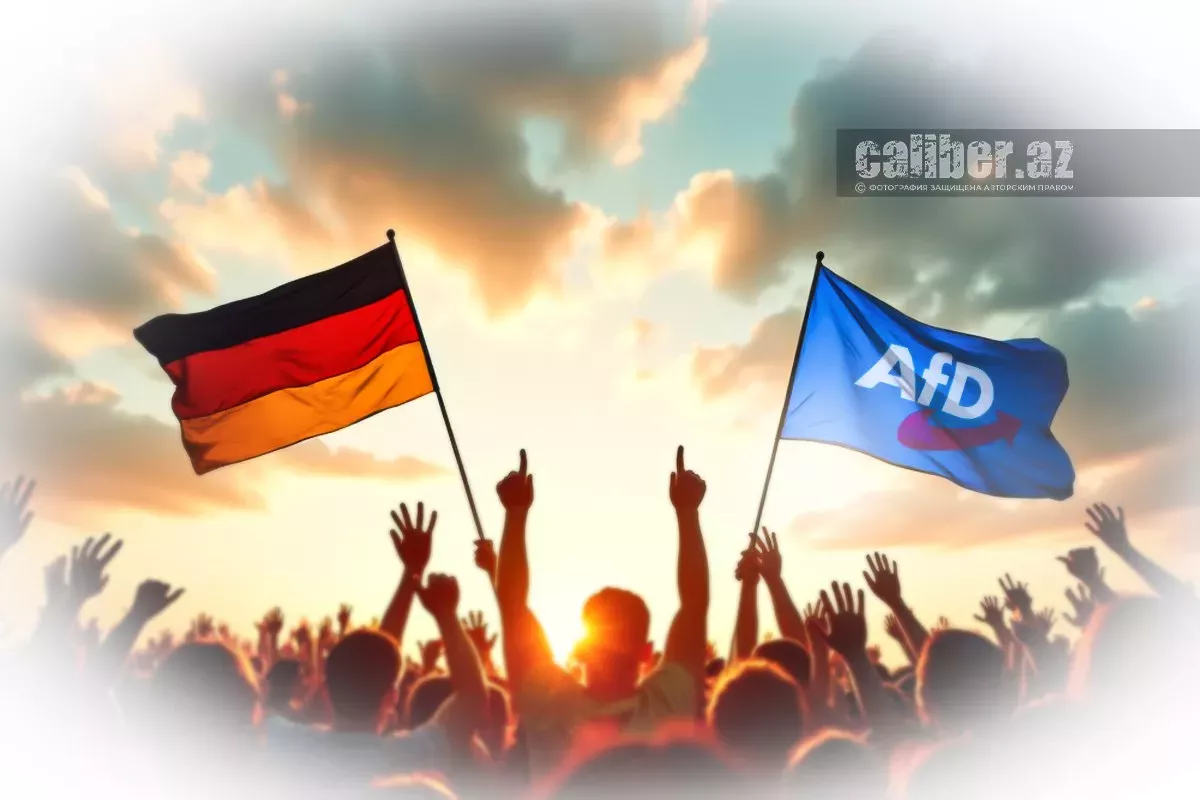
For example, after the autumn regional elections in Germany, where the non-systemic and most popular party in the country, “Alternative for Germany”, may be able to form a government on its own in one of the federal states, and subsequently take power at the federal level as well. Or perhaps the domino effect will be triggered by the presidential elections in France in less than a year, where the old parties stand no chance of putting forward viable candidates? Or will the chain of changes in Euro-liberal regimes begin in the Netherlands, where the situation is similar to that in the aforementioned countries?
In other words, within a maximum of a couple of years we may be living under radically different regimes in key Western countries. And the displacement of Euro-liberal parties at the level of the largest EU states will lead not only to a change of personnel, but also to a shift in ideological milestones at the level of the European Union itself.
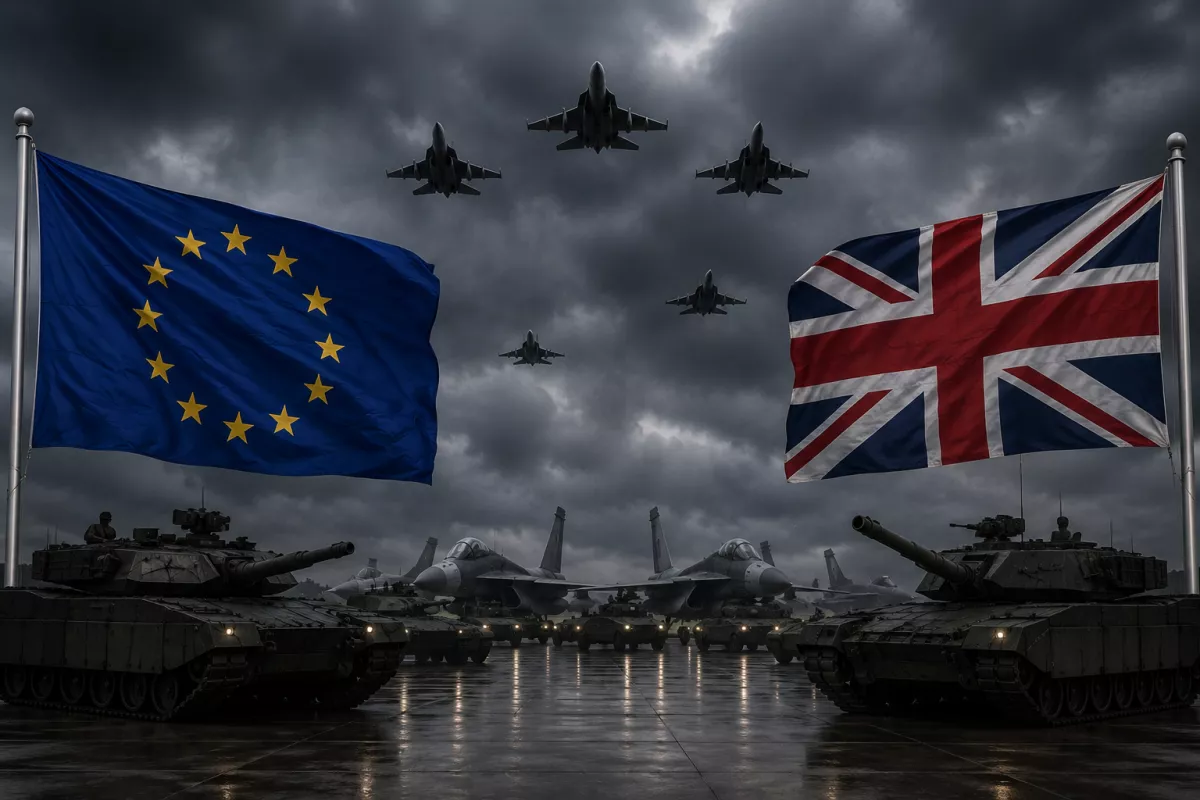
Of course, nothing in history is absolutely inevitable. The processes described above will occur if the situation in Europe remains at the level of the current “strange war” with Russia. But everything could change if the situation escalates into a “hot” military confrontation — not only in Brussels, but also in London there is talk of preparations for a war with Russia by 2030. Preparation for such a confrontation, and the war itself, would give the ruling circles new opportunities to tighten control over their societies and counter their opponents. However, these countries may simply not withstand such a war — there are neither sufficient financial nor demographic resources. They could be undone by the very preparations for it — this is precisely the outcome suggested by recent British news.







 editor@caliber.az
 +994 55 444-88-98
 Азербайджан, Баку, ул. Низами, 203, Af Business House, 5-й этаж