










Macron’s African fiasco deals blow to Gallic gendarme legacy Article by Business Day
A South African outlet, Business Day, has published an article exploring France’s gradual erosion of influence across Africa, set against the backdrop of President Emmanuel Macron’s increasingly disputed legacy in shaping Paris’ role on the continent. Caliber.Az brings readers the main takeaways from the article.
Editor's note: The author of the article is Adekeye Adebajo, professor and senior research fellow at the University of Pretoria’s Centre for the Advancement of Scholarship.
“Last month’s Franco-African summit in Nairobi was the first to be held in a non-Francophone country. However, the event in Kenya was in effect a ‘talk shop’ that brought together more than 4,000 government, business and civil society actors to engage in debates around energy, finance, agriculture, health, industrialisation and the blue economy.
The gathering marked the African swansong of French President Emmanuel Macron, who leaves office next year after a decade in the Elysée amid plummeting approval ratings now at an abysmal 18%. Without any sense of irony given France’s history of four centuries of brutal slavery and colonialism in Africa, Macron announced in Nairobi that he and France were the ‘true Pan-Africanists’, an utterly blasphemous statement from the representative of the most exploitative external power in Africa over the past seven decades.
Macron pledged at the start of his presidency in 2017 that he would end the corrupt network of political, military, economic and cultural ties with France’s former African colonies, known as Françafrique. Yet he ended up pursuing the same neocolonial policies all his seven predecessors since Charles de Gaulle did since 1959. France intervened more than 50 times with troops to prop up or depose assorted African tyrants.
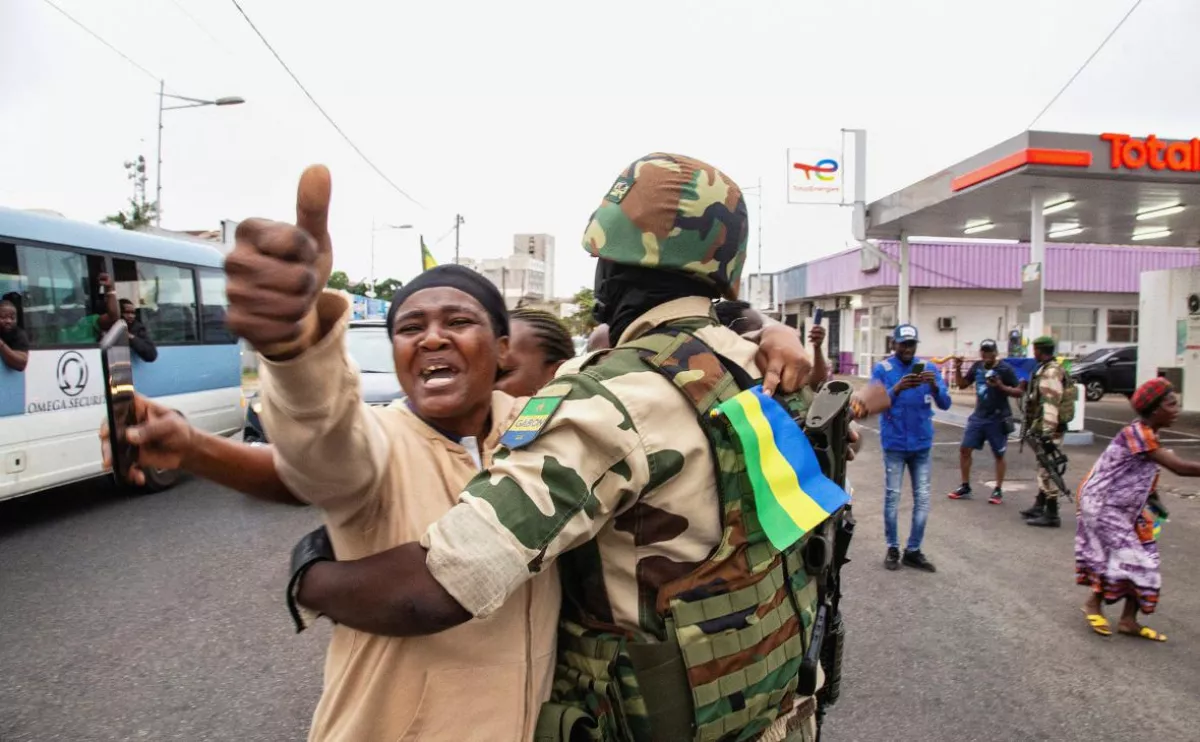
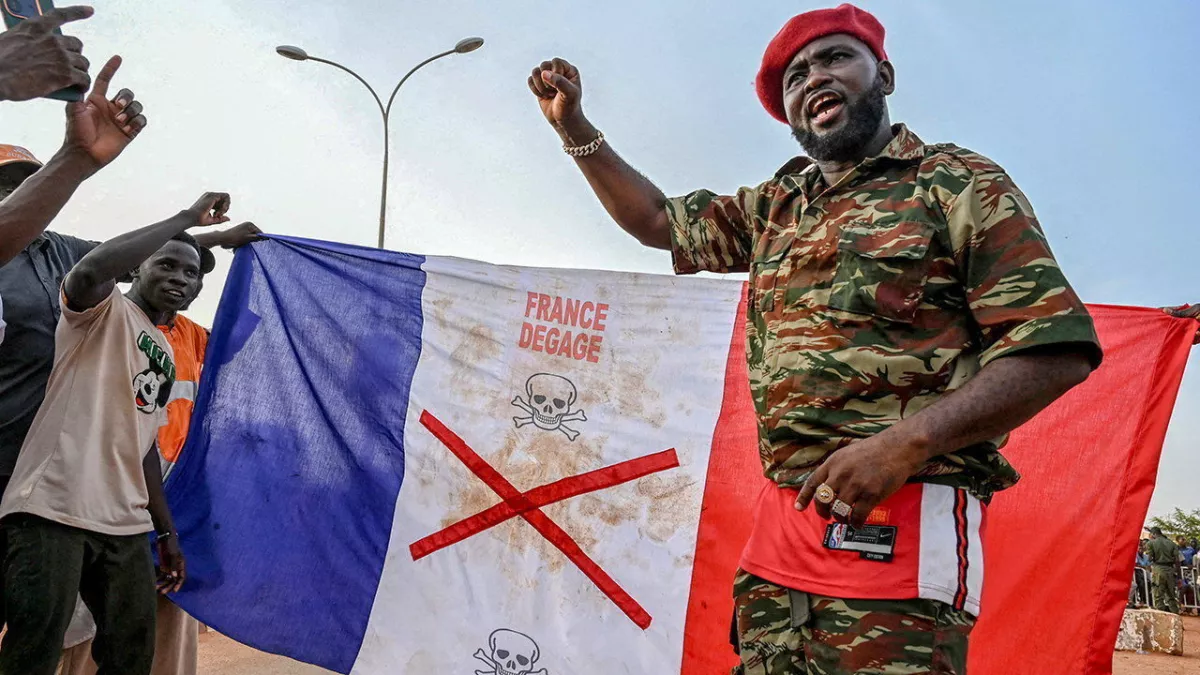
The French president duplicitously condoned a coup d’état in Chad in 2021 and only a few weeks later condemned another military putsch in Mali. On his watch Gallic troops were humiliatingly expelled from Mali, Burkina Faso, Niger, Senegal, Ivory Coast and Chad, often amid fierce anti-French mass protests.
Macron’s hectoring, ‘Jupiterian’ style has not gone down well in Africa. His prejudiced description of the continent’s challenges as ‘civilisational’ in 2017, and his notorious statement that African women having seven or eight children was ‘destabilising’ the continent echoed former president Nicolas Sarkozy’s racist speech in Dakar a decade earlier.
At the recent summit in Nairobi, the French president crassly asked members of an African audience at a youth forum to keep quiet or leave the venue. At home, Macron’s administration has often criminalised and brutalised African and Arab migrants and citizens.
Despite his grandstanding as a global leader, France is clearly no longer a great power. Its seat on the UN Security Council has become an anachronism. It is the seventh-largest economy in the world, behind China, Japan and India. French aid declined to €3.5bn this year, a staggering 77% reduction from the €15.3bn in 2022.
The €23bn pledge Macron grandiosely announced in Nairobi unsurprisingly envisaged €14bn to be delivered by the French private sector and €9bn from its African partners. Paris clearly can no longer afford its historical neocolonialism.
The recent Franco-African summit glaringly exposed Macron’s continuing folie de grandeur (delusions of grandeur). Sensing growing Gallic weakness, before the meeting he lashed out at China, its seventh-largest trading partner, describing Beijing as an ‘economic predator’ in Africa, while portraying Russian military assistance to its former Gallic pré carré (backyard) as a direct threat to its own interests.
Amid a humiliating rejection of French tutelage across the continent, Macron has disingenuously sought to sell the necessity of finding new African allies as a foresighted strategy. His decade in power has, however, clearly accelerated the demise of the discredited Gallic gendarme (policeman) in Africa,” Adebajo wrote.







 editor@caliber.az
 +994 55 444-88-98
 Азербайджан, Баку, ул. Низами, 203, Af Business House, 5-й этаж