










A city of skyscrapers and crime Frankfurt am Main through the eyes of an Azerbaijani journalist
Frankfurt begins to impress even at the airport — one of the ten largest in the world. It is hard to imagine, but from here you can fly to 265 destinations in virtually every part of the globe. And the city itself is just a short distance away: the airport is only a 10–15-minute drive from the centre of Frankfurt am Main, which is usually shortened simply to Frankfurt.
The city greets visitors with its numerous skyscrapers. In terms of the number of buildings taller than 150 metres — there are currently 20 — Frankfurt ranks behind only Moscow, Istanbul, London and Paris in Europe, sharing fifth place with Warsaw.
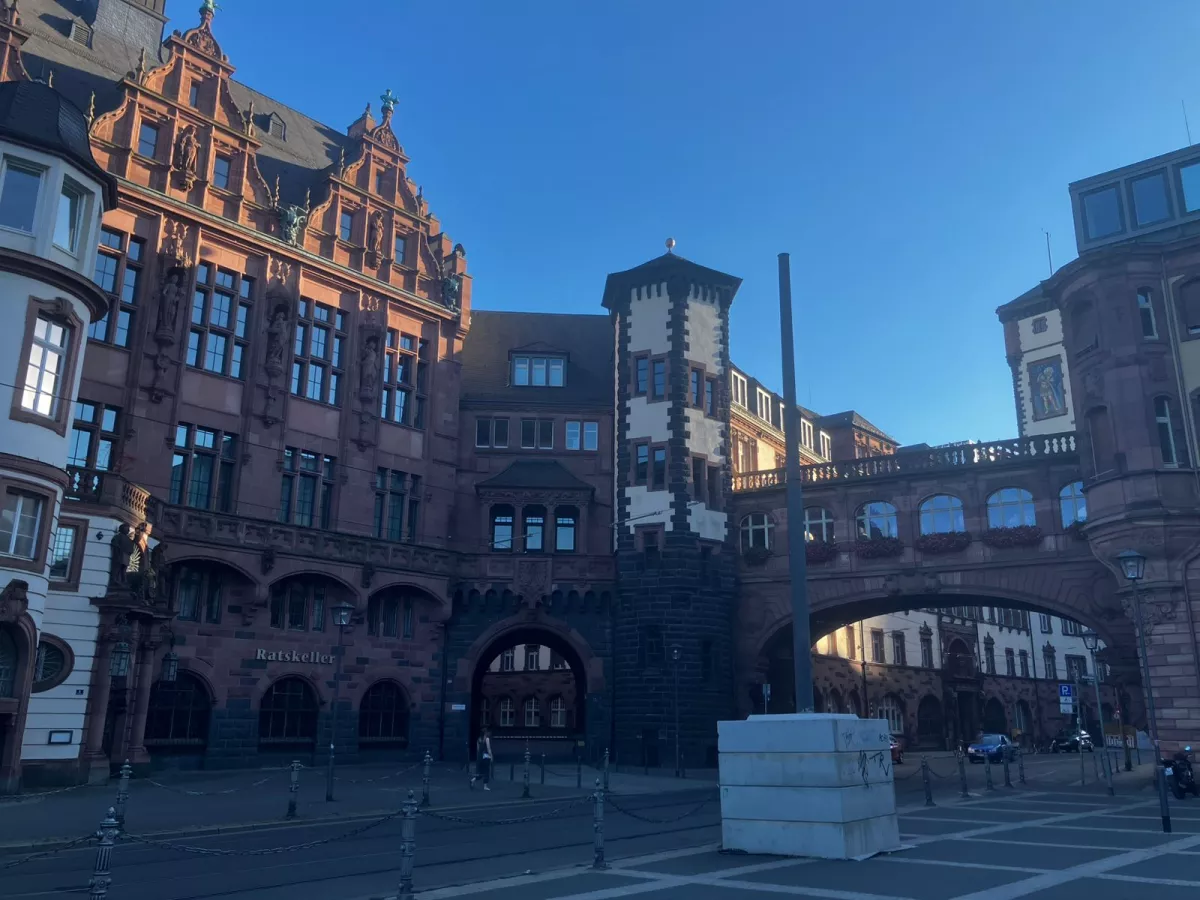
During the day, the city that gave the world Goethe (his former home, now a museum, is located here) looks quite beautiful and interesting. Its historic architecture blends well with its modern buildings. There are also plenty of places to enjoy your time, from cafés and restaurants to huge shopping centres.
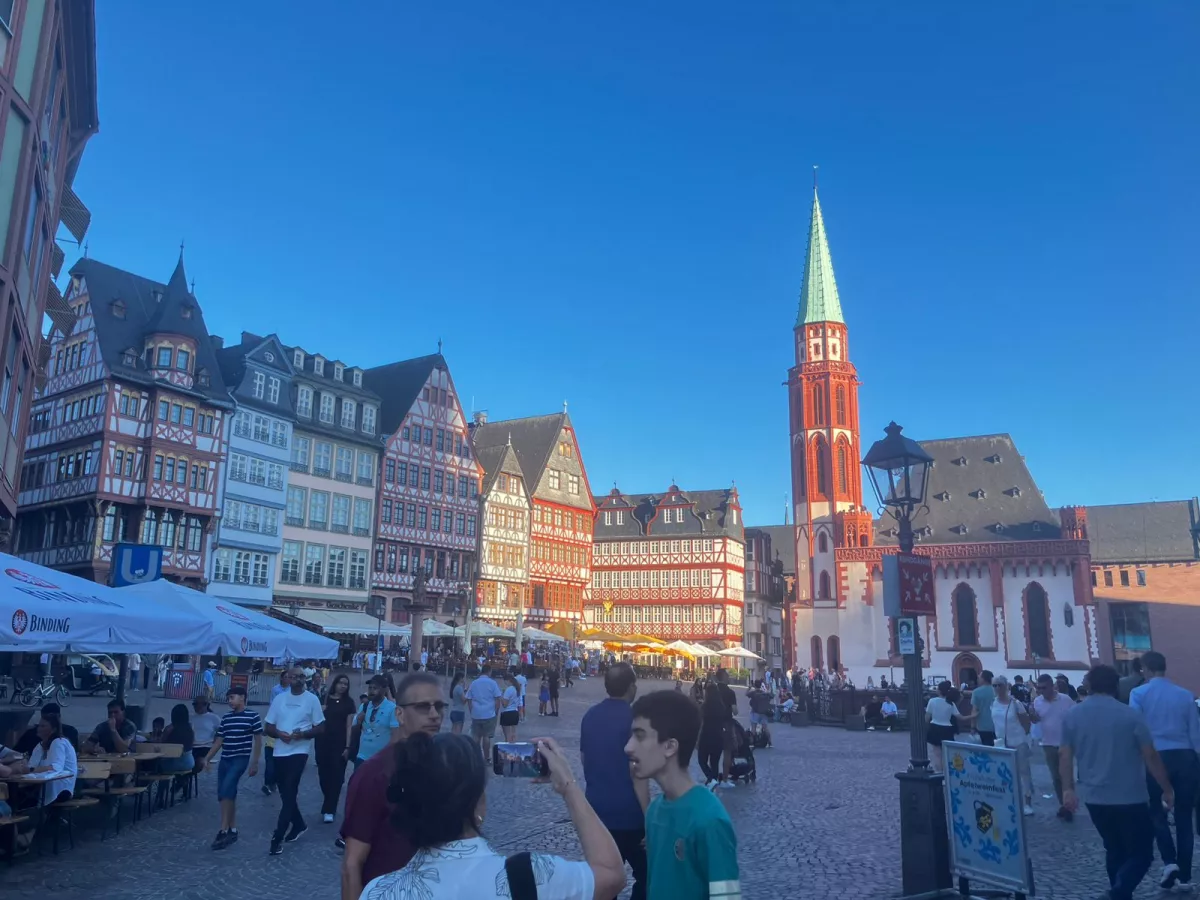
Getting to central Frankfurt is easy by bus, tram or metro. A ticket costs around €2–3 (author’s note). The city offers everything from upscale restaurants to modest cafés serving cuisines from around the world. There is a particularly large selection of Arab, Lebanese, Turkish, French, Italian, Afghan, Filipino, Chinese and Japanese restaurants.
However, after 10 p.m., the city changes noticeably. This is when it becomes clear why Frankfurt has gained a reputation as one of Germany’s most crime-ridden cities. In the evening, it is best to avoid walking alone, particularly around the main railway station. The streets are crowded with people who are drunk or under the influence of drugs, as well as individuals clearly living on the margins of society. At times, the city centre can genuinely resemble some of the more troubled areas of Paris or New York.
Even the large number of police officers patrolling the streets at night does little to make the situation feel significantly safer. In short, anyone looking for a taste of adventure should think twice before heading out for a late-night walk.
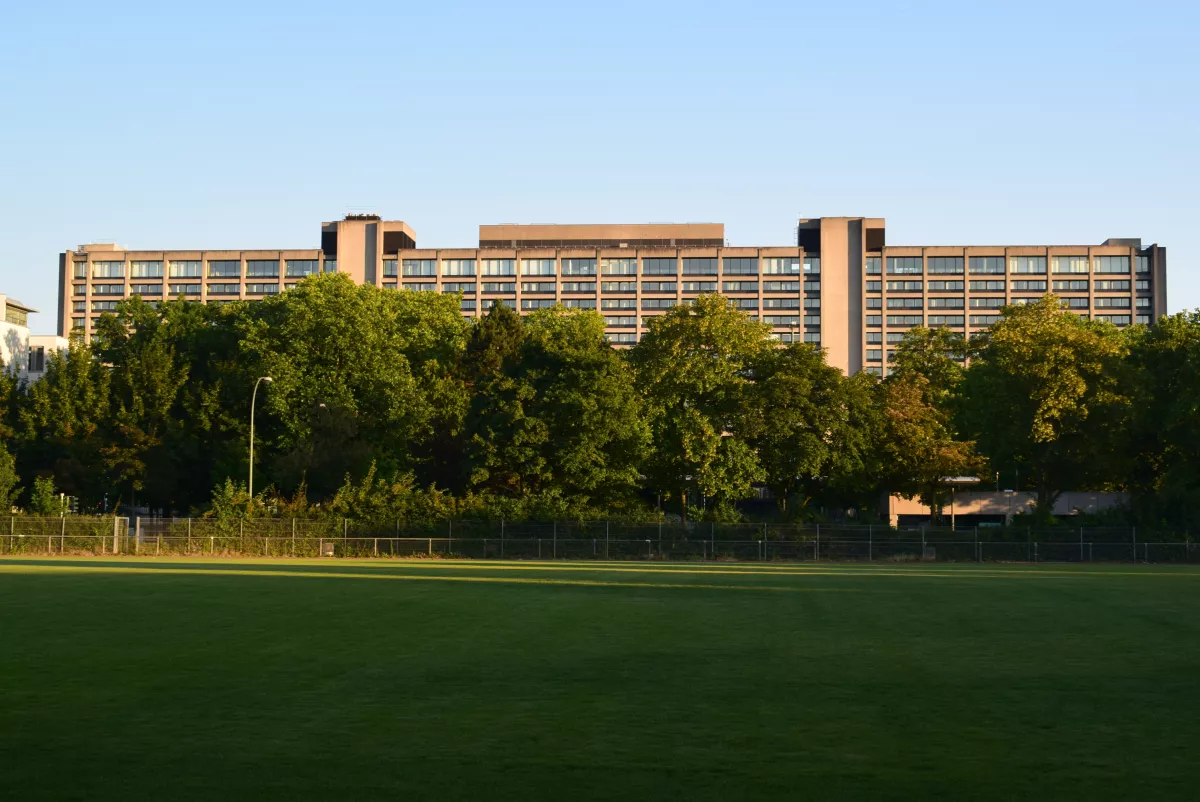
Frankfurt is also Germany’s banking capital. The city is home to the German Federal Bank and the European Central Bank, as well as around 300 branches and representative offices of various German and international banks. After taking a nighttime walk through the city, you cannot help but look at the many films about bank robberies a little differently: you realise that, for some movie plots, this setting is actually quite realistic.
In my view, Frankfurt lacks ordinary supermarkets. Most large stores are located in shopping centres, while smaller ones often specialise in products from particular countries or regions. If you are looking for German sausages, cold cuts and beer, it is better to head to a large supermarket, where the selection is wider and the prices are lower.
You will have to pay an additional 25–50 cents for drinks sold in cans and bottles — this is a refundable deposit for the container. And when it comes to local products, be sure to try German cheeses and bread. The bread is particularly good, although not exactly cheap.
All in all, remember a few simple rules, and Frankfurt is more likely to remain in your memory as a bright experience than a dark one.
By Vugar Vugarli, Frankfurt am Main, exclusively for Caliber.Az







 editor@caliber.az
 +994 55 444-88-98
 Азербайджан, Баку, ул. Низами, 203, Af Business House, 5-й этаж