










Tbilisi — a city of style and hidden contradictions Report from the Georgian capital
The last time I visited Tbilisi was about eight years ago, and, to be honest, I did not really expect to find anything in the Georgian capital capable of surprising me. However, I must admit that I was wrong, as the city has changed quite significantly over this period.
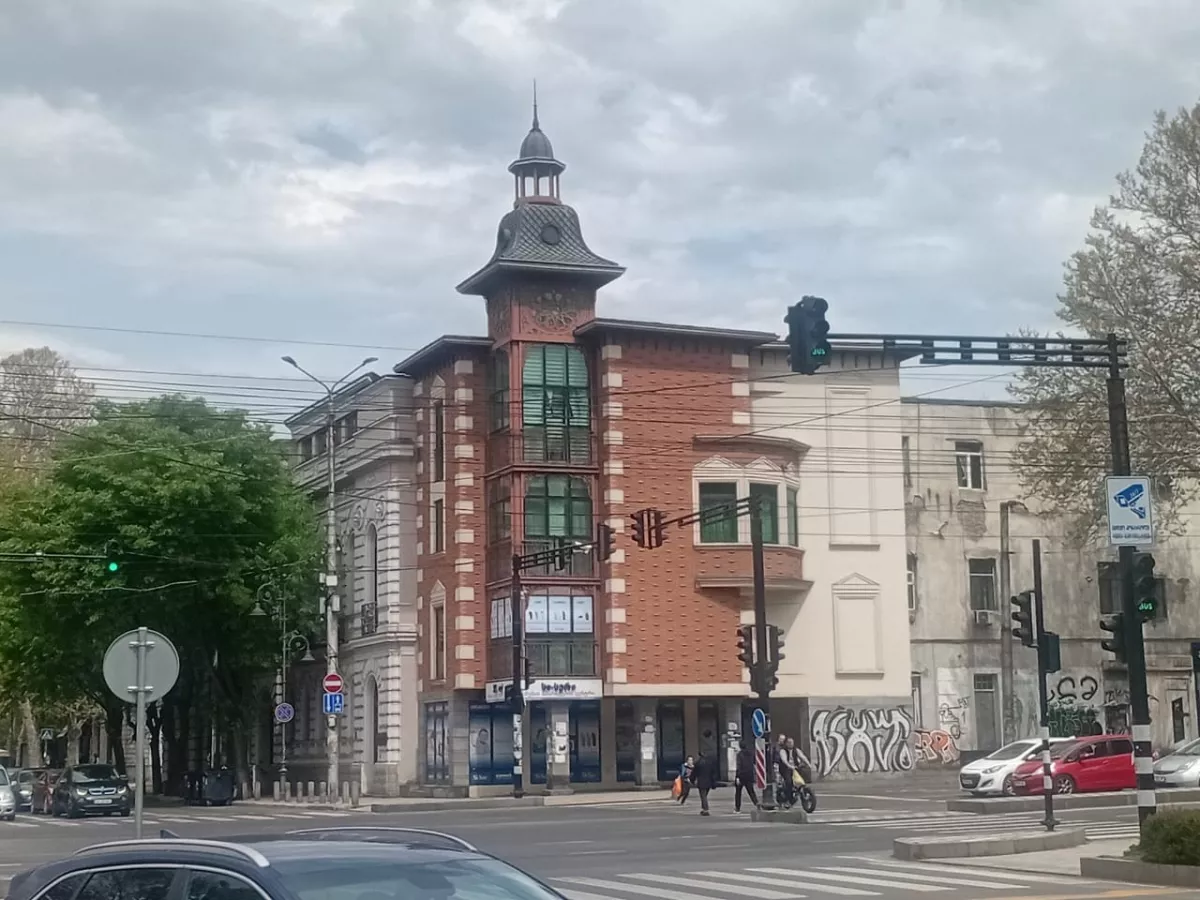
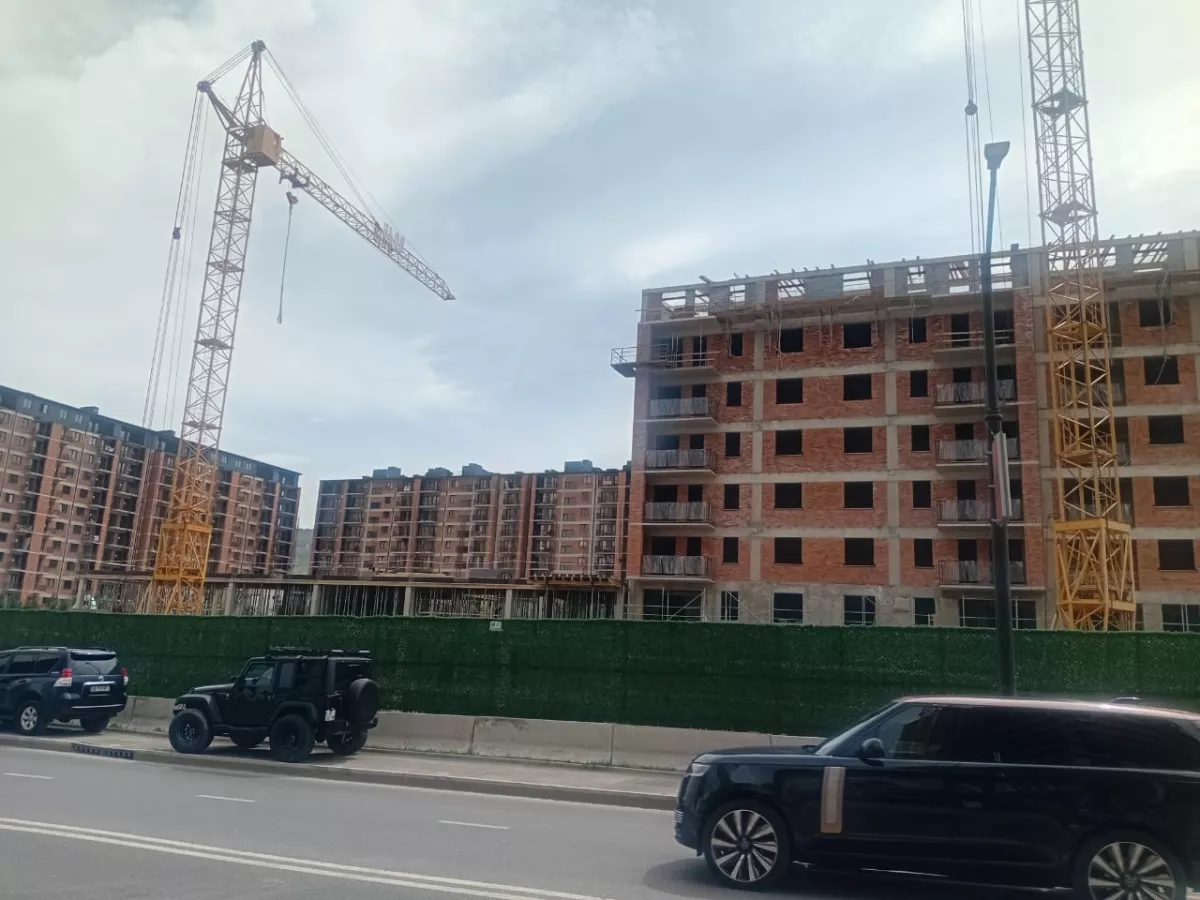
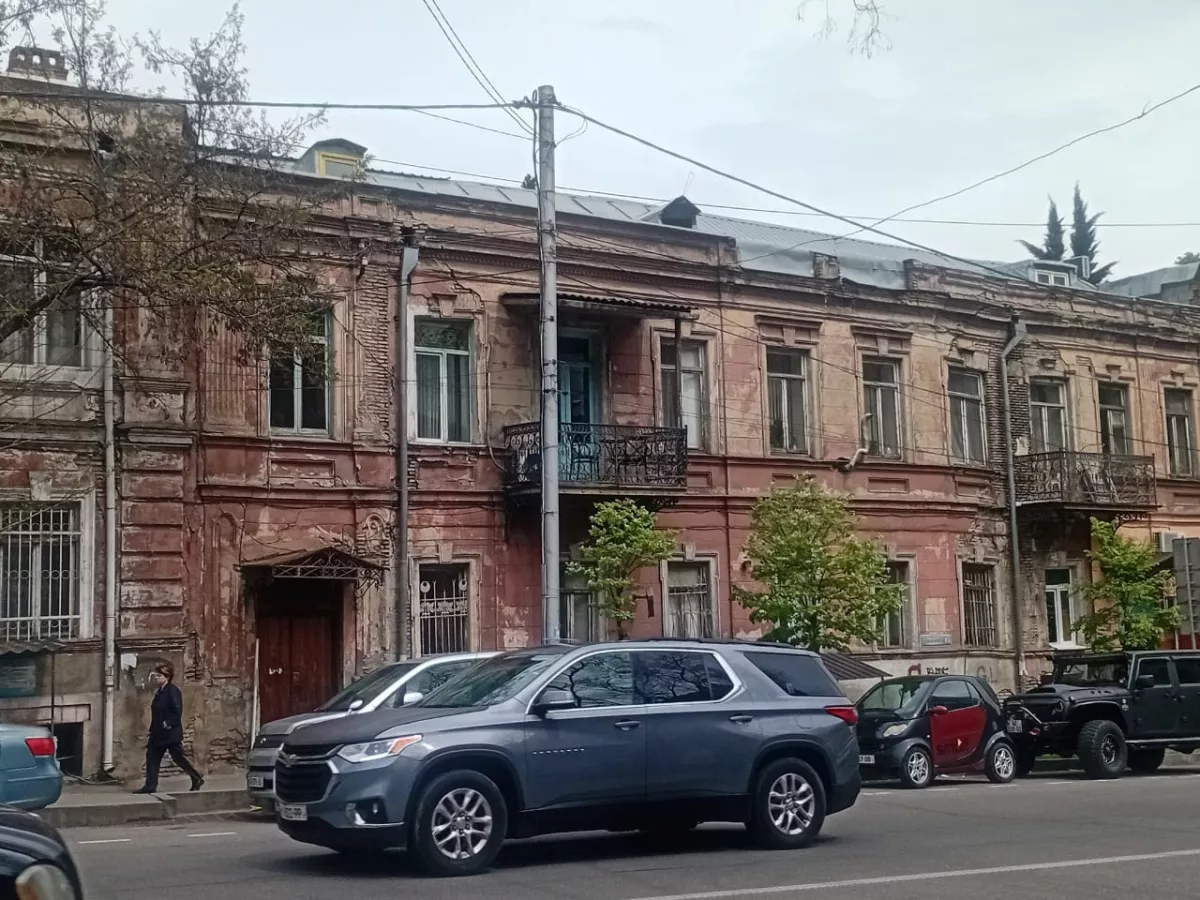
First of all, Tbilisi, which once resembled Baku of the 1970s–80s, has undergone intensive development, and not at the expense of its historic buildings. The municipality has managed to build modern infrastructure without destroying its historical heritage. Unfortunately, in most cases the old buildings are not being restored and, as a result, are gradually falling into decline on their own.
However, if previously the only notable modern structure was the Bridge of Peace, which quickly became a symbol of Tbilisi, today the capital of Georgia is home to a large number of creatively designed skyscrapers. And again, I would like to emphasise that they do not spoil the city’s appearance, as they are built in a way that skillfully complements its “new face”.
For shopping enthusiasts, I also have good news: Tbilisi has around a dozen large shopping malls where you can both shop and dine. I will mention at least three that will satisfy all your needs: Tbilisi Mall, City Mall, and Galleria Mall. The latter, in my opinion, is the best shopping centre in Tbilisi in terms of product variety and reasonable prices.
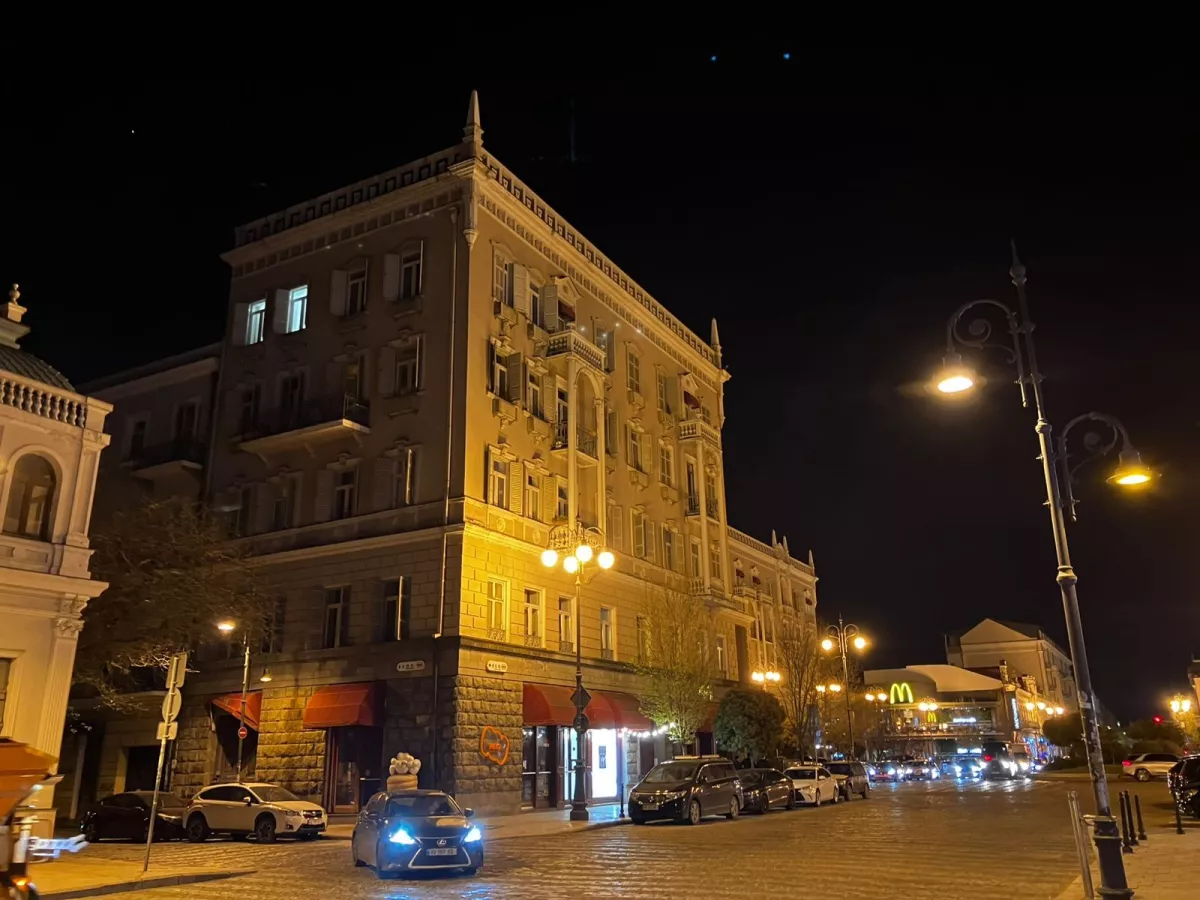
In Tbilisi, there is an enormous number of cafés and restaurants at your service, offering a pleasant atmosphere and live music. They are especially concentrated on two central streets — David Aghmashenebeli Avenue and Shota Rustaveli Avenue. If in the past they were predominantly Georgian, or at best you could spend time in British pubs, today the situation has changed dramatically. You can now find virtually everything here: Lebanese, Indian, Turkish, Arab, and Azerbaijani restaurants.
By the way, only in Azerbaijani restaurants will you be served real brewed tea, while in the vast majority of other places you will most likely be offered a tea bag.
The number of Azerbaijanis in Tbilisi, incidentally, has increased several times over. Previously, Azerbaijani speech could be heard only on the streets of Marneuli, Rustavi, or Gardabani, and very rarely somewhere near Tbilisi’s Sulphur Baths. Today, however, you can encounter Azerbaijanis on almost every street of the Georgian capital. This includes well-off youth driving expensive foreign cars, adults who appear to have moved from the aforementioned Georgian towns, and a significantly less affluent segment of the population.
At the same time, Azerbaijanis today, much as they were 10–15 years ago, remain largely socially passive, with limited interest in politics, the cultural life of this theatrical capital of the Caucasus, or even in major sporting events. It was rather disappointing that Azerbaijanis — the second-largest ethnic group in the city after the titular nation — almost completely ignored the European Judo Championships held in Tbilisi. Out of more than 220,000 Azerbaijanis, only around 15–20 people attended the competitions, most of them embassy staff.
Georgians themselves are noticeably more benevolent and friendly towards us. They still tend to “not hear” you if you speak Russian, but as soon as they learn that you are from Azerbaijan, they switch to Russian themselves, often mixing it with all the Azerbaijani words they know.
One more thing. If Istanbul is known as the “city of cats”, then Tbilisi still remains the “city of dogs”. I have visited more than fifty countries around the world, but I have never seen so many dogs anywhere else. What is more, the street dogs are all chipped, and, I would say, there are even more pet dogs than stray ones — the care and affection Georgians show toward their four-legged friends is truly worthy of respect.
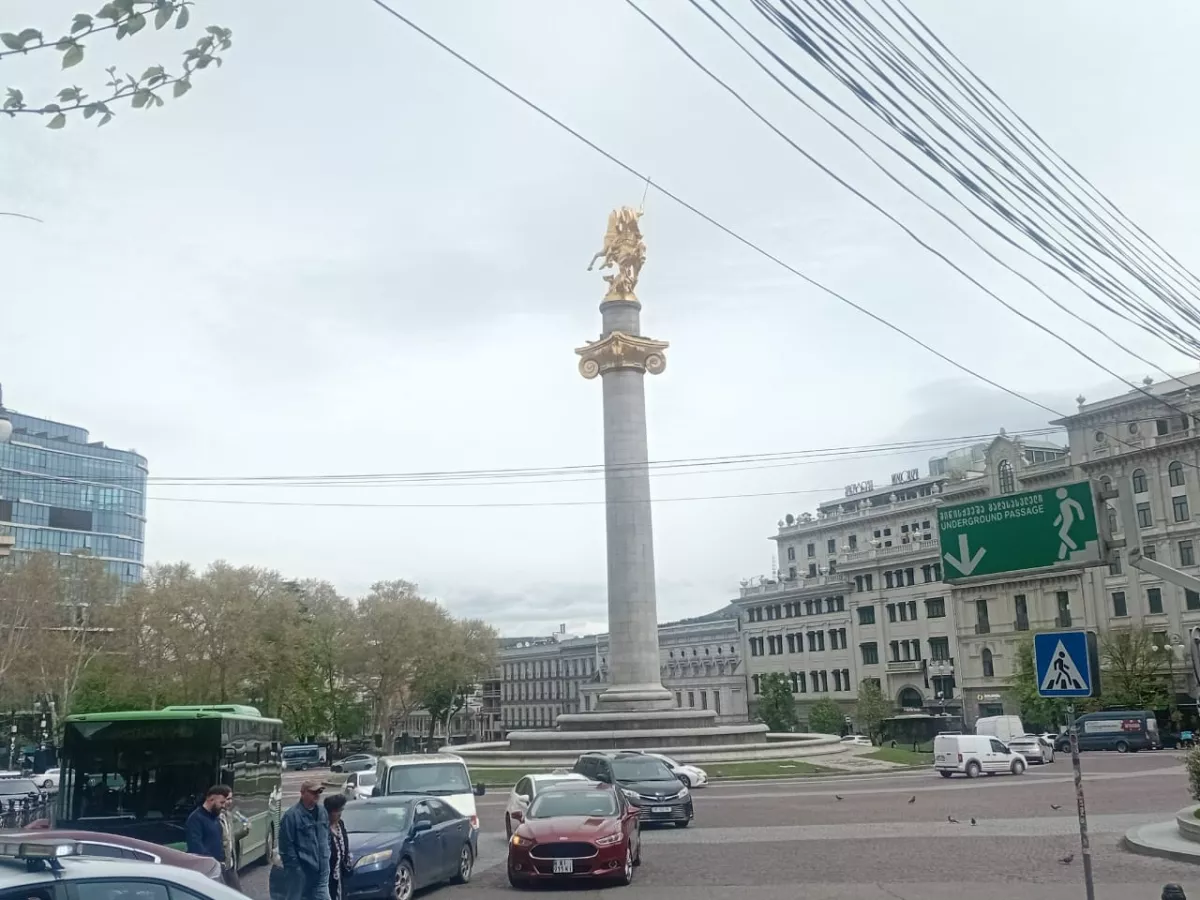
What is particularly appealing about Tbilisi residents is their sense of style — in this respect, they are practically indistinguishable from inhabitants of European capitals. There is no excessive use of cosmetics; people dress not to “show off” or to display brands, but to feel comfortable and at ease. And, most importantly, not to feel embarrassed. You will not see women struggling to squeeze into trousers as if testing the strength of the seams, nor will you encounter girls wearing mini-skirts just for the sake of wearing mini-skirts. Very few people put on clothes that look, from the outside, ridiculous, awkward, or vulgar. And even fewer men can be seen in suits and ties, even in the unbearable summer heat.
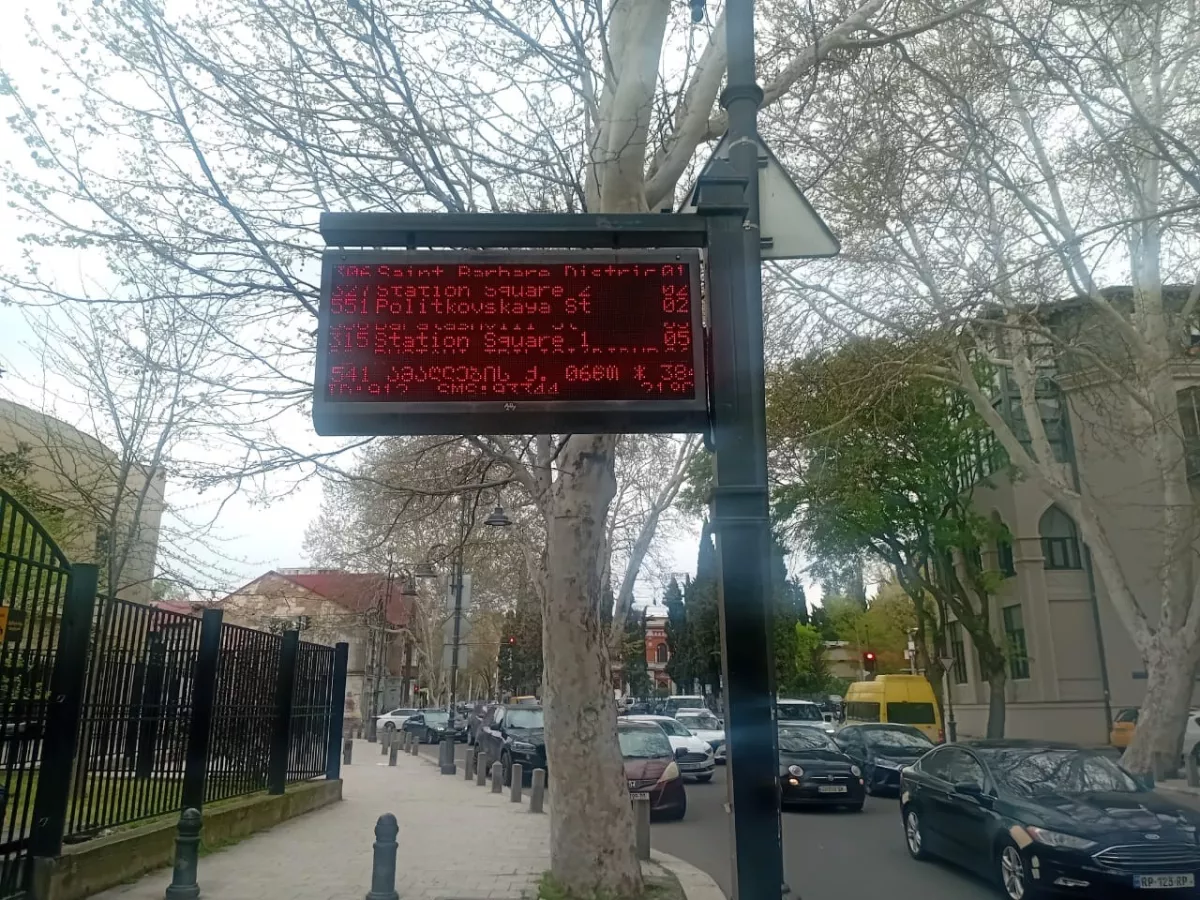
Tbilisi’s bus stops also look distinctly European — each one is equipped with a display showing the arrival times of buses or marshrutkas. And, surprisingly, they all run with European-level punctuality.
To take home a memory of your visit to Tbilisi, you should go to the Dry Bridge, located in the city centre, where lively trading in antique items, paintings, and accessories bearing symbols of both the Georgian capital and the country takes place every day of the week. By purchasing any small item there, you take with you a piece of the city that captivates you from the very first sight.
By Vugar Vugarli, exclusively for Caliber.Az







 editor@caliber.az
 +994 55 444-88-98
 Азербайджан, Баку, ул. Низами, 203, Af Business House, 5-й этаж