










From war-torn Kyiv to peaceful Baku A journey home
The journey home is always emotional, especially when returning from a country that has been consumed by a brutal, bloody war for four years. Today, I want to share my experience of yet another trip — after six months — from Ukraine, still caught in conflict, to the peaceful surroundings of Azerbaijan. Anyone who thinks six months is a short time is gravely mistaken; it feels immense when you’re coming back from a place where every single minute is a fight for survival.
Carrier fraud and the Roshen factory
War leaves its mark on everything — including the operations of passenger transport companies running the Kyiv–Chișinău route. As Kozma Prutkov wisely advised, one must remain vigilant. Buying a ticket does not mean you can relax — a last-minute mishap can always occur. That’s exactly what happened to me.
Initially, I had purchased a ticket for 7:00 a.m. with one of the transport companies. Having woken up early and ready to call a taxi to the Central Bus Station, I discovered a message sent via Viber on behalf of the company informing me that the scheduled departure was cancelled. The message had been sent close to midnight, when I was already asleep. The company didn’t even bother to call to notify me of this force majeure.
I had to rearrange everything and urgently buy a new ticket to make it to the Moldovan capital on time. Luckily, there was literally one last seat available on a bus departing at 8:35 a.m. While I was already on my way, the original company finally offered the options of either rescheduling the ticket for 2:00 p.m. or a refund. Naturally, I chose the refund — and we decided never to deal with that company again.
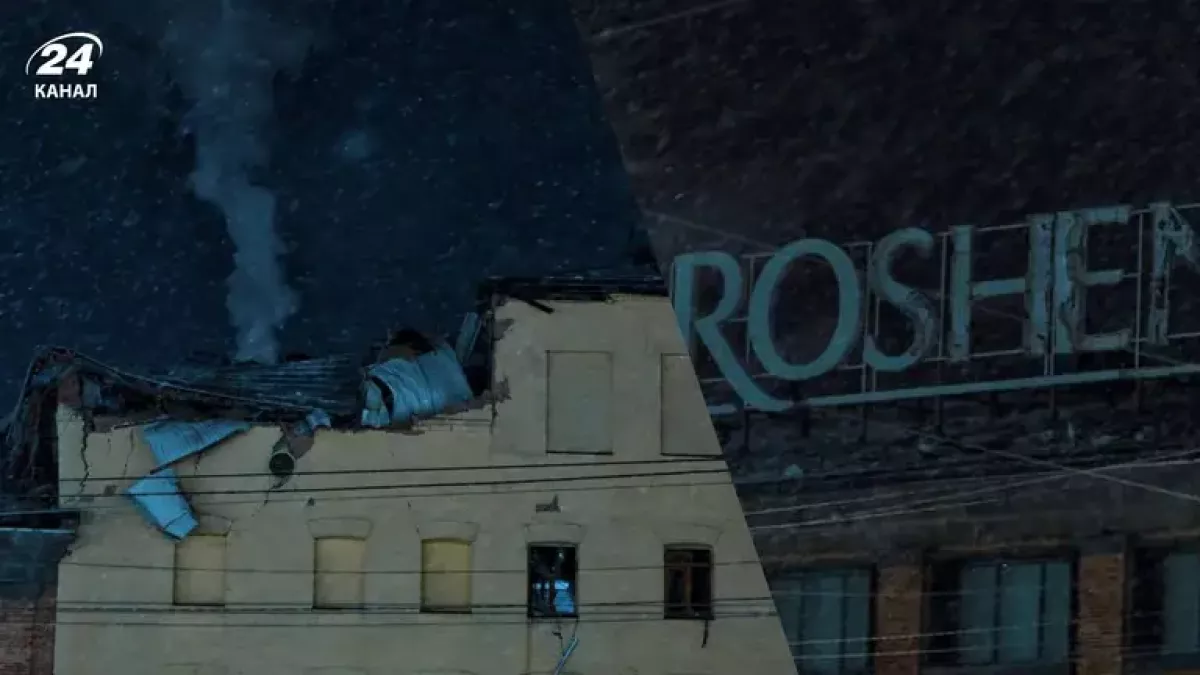
While I was waiting to board the bus, I had a chance to see the aftermath of the massive shelling of Kyiv that took place on the night of January 24. Russian forces had then damaged the Roshen chocolate factory.
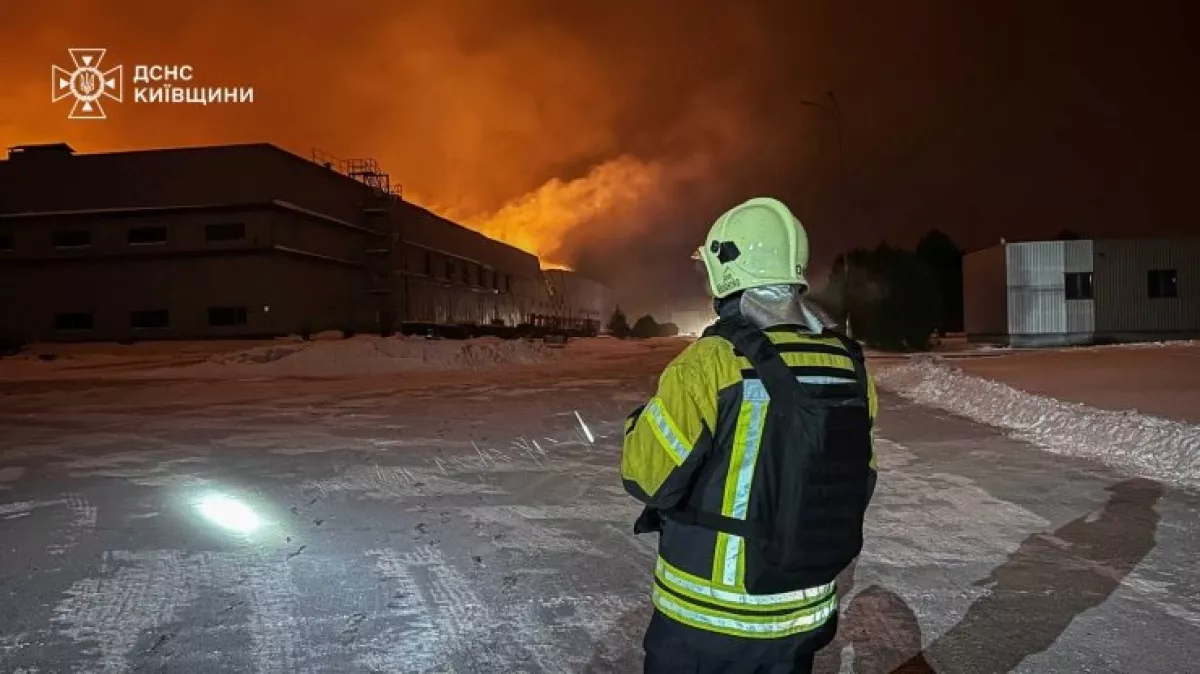
And this was far from an isolated case. On the night of February 7, another attack damaged the Roshen logistics centre in Yahotyn, Kyiv region.
The Russian Ministry of Defence cynically claimed that the strike — carried out with long-range precision weapons, both ground- and air-launched, as well as combat drones — targeted “a factory producing long-range unmanned aerial vehicles, as well as energy facilities used in support of the military-industrial complex.” In reality, this was a chocolate factory, producing sweets familiar to hundreds of millions across the former Soviet Union. Chocolate “unmanned aerial vehicles” simply do not exist.
In Azerbaijan, this is well understood. As Azerbaijani President Ilham Aliyev rightly noted during his speech at the Munich Security Conference, our diplomatic mission in Kyiv was struck three times.
Not just once, and not as a random incident, but systematically — even after the coordinates of all Azerbaijani diplomatic facilities had been officially provided to Russia. In “response,” the Russian Ministry of Foreign Affairs tried to shift the blame onto Ukraine, claiming the damage might have resulted from “malfunctioning Ukrainian air defences,” and even suggesting the possible fall of a Patriot missile.
This explanation is a perfect example of the cynicism and deceit that have become hallmarks of Russian foreign policy in recent years. The way the strike on the Roshen chocolate factory — owned by former Ukrainian President Petro Poroshenko — was justified is yet another instance of the same rhetoric.
Between suspicion and fatigue
Our bus was already on the road. Once again, I was struck by how comfortable the gas stations along Ukrainian roads are. You can always grab a quick and tasty snack, buy anything you need, and even use the 10–15 minutes of the stop to recharge your phone.

The bus was equipped with Starlink high-speed Wi-Fi, offering download speeds of up to 150 Mbps. Among the passengers were several recently demobilised Ukrainian soldiers. They were travelling with their families to Türkiye— for a vacation. You might ask: what kind of vacation is possible in February, long before beach season? That question comes from those who don’t grasp the main point: people need, even if only briefly, to replace the image of war with one of peace and calm.
Many in Ukraine live one day at a time. There is only the present; tomorrow is uncertainty, anxiety, and the unknown. So, when an opportunity arises to go to Türkiye, they do not postpone it. This is especially true for soldiers, who will have to live with the memories of the horrors of this monstrous war waged against their country for a long time to come.
It’s also worth noting the overly suspicious attitude of the Moldovan border guards — including toward me. They wanted to know everything literally: why I hadn’t gone straight to Chișinău Airport, why I had spent the night in a hotel… I had to explain the obvious: I’m no longer young, and long bus rides get harder with each passing year. After 12–14 hours on the road, waiting for a flight and then enduring a more-than-two-hour flight becomes a serious challenge. The Moldovan guards listened, but with an inexplicable air of suspicion.
The Ukrainian side was surprised as well. They carefully questioned why I was wearing a khaki jacket and carrying a khaki backpack — “it looks too military.” I calmly explained that both the jacket and backpack had been purchased long before the full-scale Russian invasion, at a regular store.
“Well, and what’s this?” asked the Ukrainian customs officer, pointing at a small souvenir figurine labelled “Rukozh…” I explained that I had planned to give it as a gift to a friend with a good sense of humour. The officer paused for a moment, then smiled — and the figurine escaped confiscation unharmed.
What’s worth cherishing
I arrived in Chișinău around 9:00 p.m. local time. After checking into my hotel, I decided to grab a bite to eat. The driver, who had met me on behalf of the local diaspora leadership, suggested visiting one of the La Plăcinte restaurants, known for Moldovan national cuisine. He assured me everything was very tasty. Unfortunately, I didn’t get a chance to check — the restaurant closed at 10:00 p.m. As I later found out, almost all cafés and restaurants in Chișinău close around this time. For those accustomed to late dinners, the city is hardly convenient. In this regard, Baku is certainly more accommodating.
And not only in that respect. Once again, I was impressed by Heydar Aliyev International Airport in Baku. It is far more spacious and comfortable than Chișinău’s airport. The latter clearly needs expansion: with the current passenger flow, it is under considerable strain.
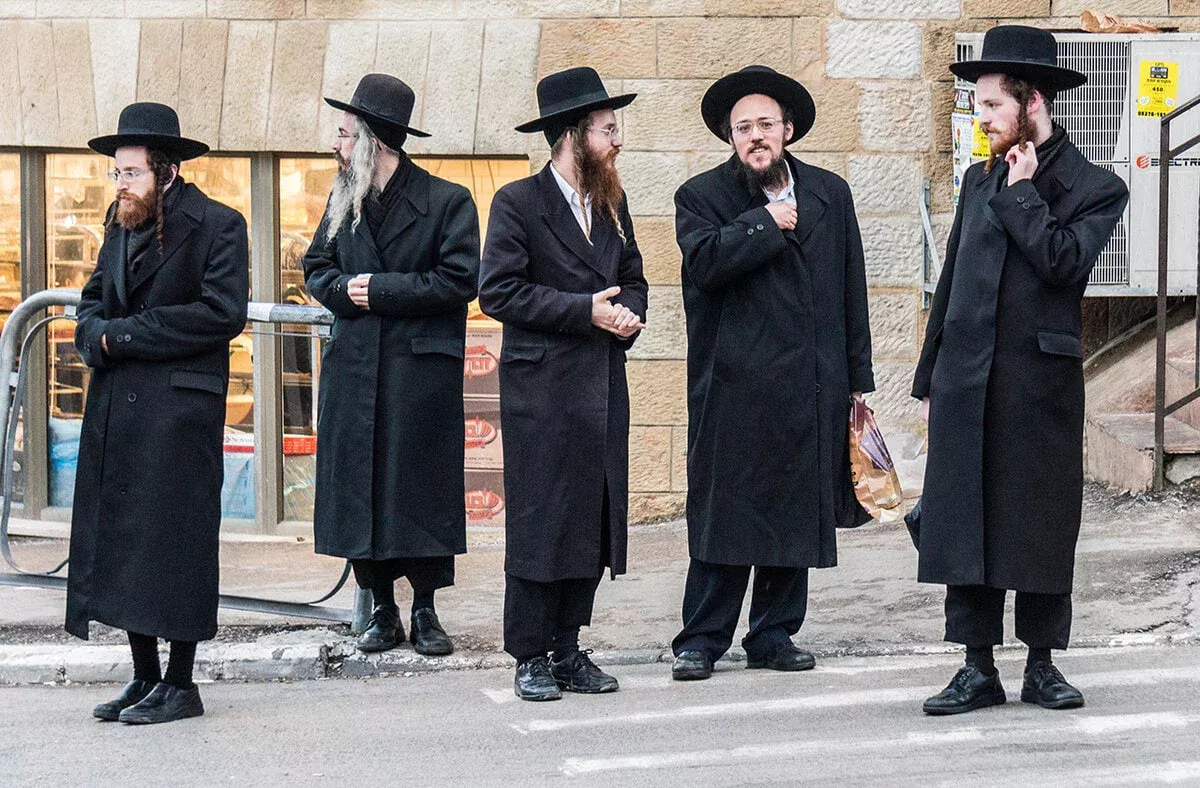
What struck me in Chișinău was the large number of tourists from Israel. Most of them were Orthodox Jews, easily recognisable in their black coats and frock coats, as well as their distinctive headwear — shtreimels.
There were also many Ukrainian citizens on our flight. Later, I learned that most of them were using Baku as a transit hub to connect to other flights — primarily to Türkiye. I wish them a safe journey.
As for me, I gladly breathed in the familiar air of Baku. And you know what I’ll say, dear readers? There’s a well-known phrase: “the intoxicating air of freedom.” I first heard it in the famous Soviet television series Seventeen Moments of Spring. It’s time, I think, for an equally common expression to appear: the intoxicating air of peace. It has a special quality — one that can truly be felt only by those returning from countries living through a long and bloody war.

Ukraine has been living in exactly this state for a long time. That is why the contrast feels so sharp: from snow-covered, burdened Kyiv to sunny Baku — with its well-maintained roads, express buses quickly and affordably carrying passengers from the airport to the 28 May metro station, and its cafés, restaurants, pubs, and teahouses open late into the night.
At times, the difference borders on the absurd. As I write this article, I still catch myself glancing at the clock out of habit, wondering whether the electricity will be cut. That reflex has become part of everyday life in Ukraine in recent years. It is something that, thankfully, does not exist in Azerbaijan — and something we should value all the more.
Yes, the scent of peaceful life is truly intoxicating for those who have grown unaccustomed to it because of the tragedy, destruction, blood, and tears that Russia continues to sow in Ukraine.







 editor@caliber.az
 +994 55 444-88-98
 Азербайджан, Баку, ул. Низами, 203, Af Business House, 5-й этаж