










Venice from the inside: Azerbaijan’s quest to break into world cinema
The Venice International Film Festival is one of the world’s three major film festivals, alongside Cannes and Berlin. For the 83rd time, the Lido is welcoming some of the biggest names in international cinema, from acclaimed directors and producers to leading actors. This year, the opportunity to experience the festival from the inside came thanks to the Cinema Agency of the Republic of Azerbaijan (ARKA), which sent a small delegation of Azerbaijani filmmakers to Venice.
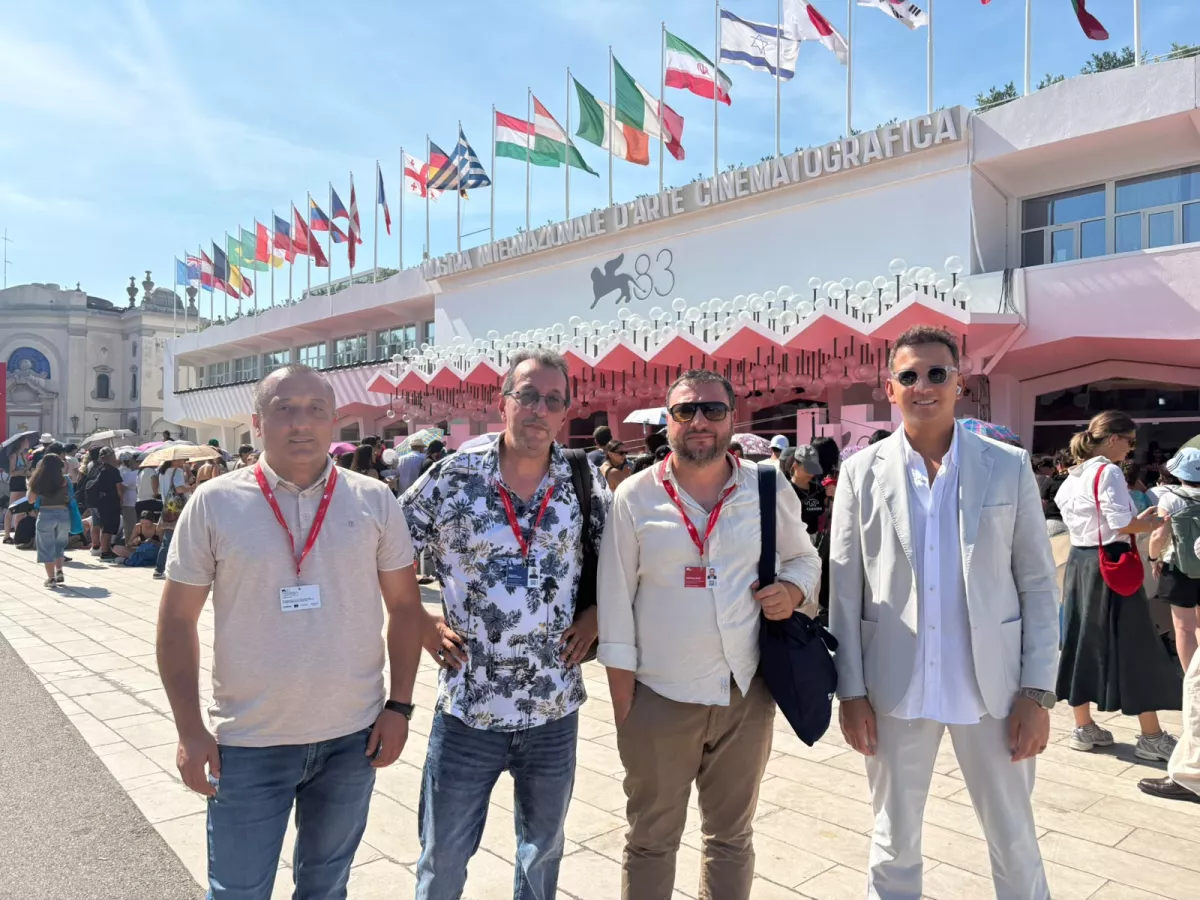
Each participant arrived with their own goals, but they shared a common ambition: to strengthen existing professional relationships, establish new contacts, explore opportunities for international cooperation and, ultimately, promote Azerbaijani cinema on the global stage.
Azerbaijan did not have a film in this year’s main competition, unfortunately. But that could change in the years ahead.
The festival offers a range of accreditation categories for film-industry professionals and media representatives. This brings together a diverse crowd: some come simply to experience the atmosphere of one of the world’s most important cinematic events, while others are there to pitch projects, build professional networks, forge international partnerships and compete for the festival’s top prize, the Golden Lion.
Azerbaijan already has a success story in Venice. In 2003, director Murad Ibragimbekov won the Silver Lion for his short film Oil. Yet Azerbaijani cinema has not managed to repeat that achievement since.
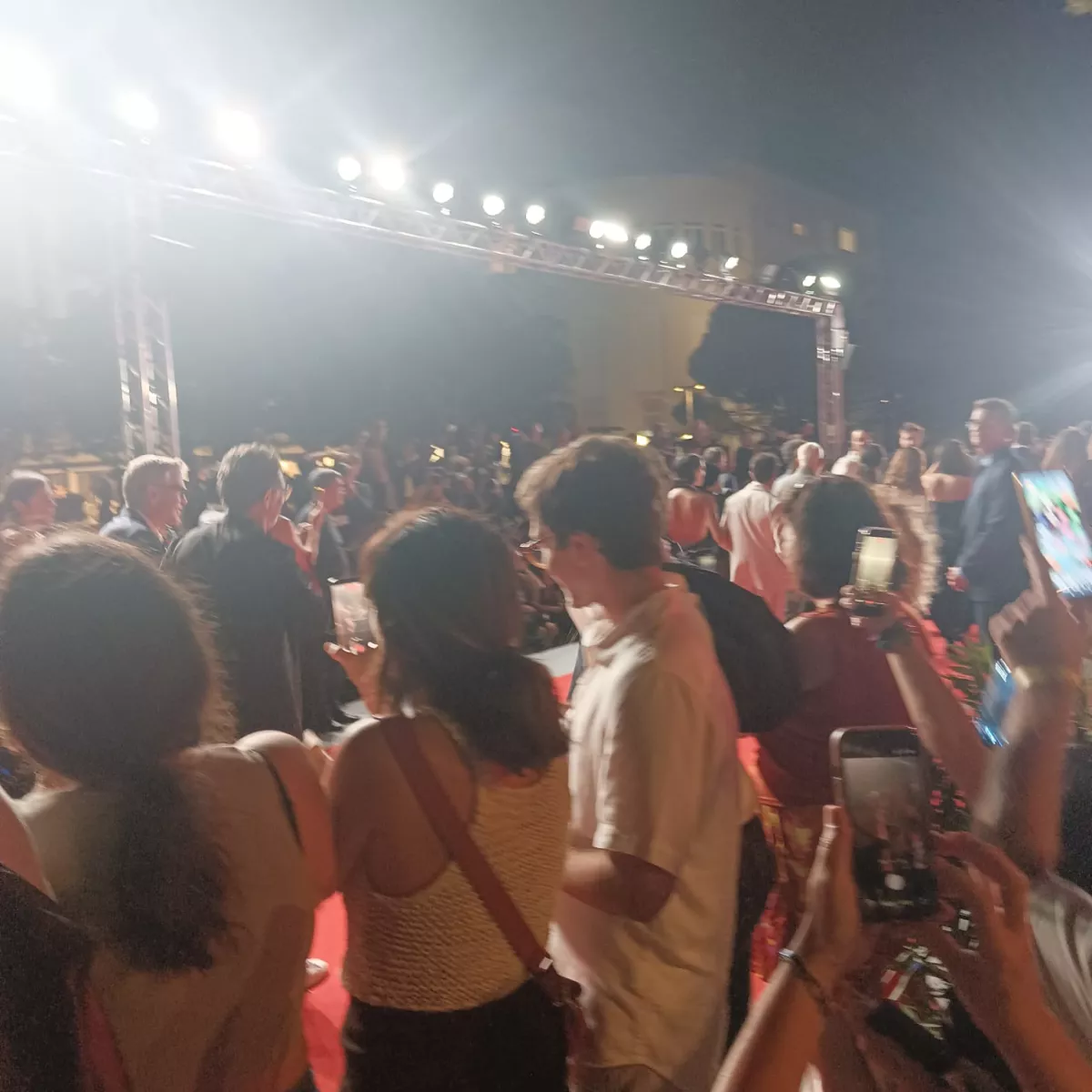
This year, the festival welcomed such stars as George Clooney and his wife, Amal Clooney, as well as John Malkovich, Robert Pattinson and other leading figures of world cinema. American actress and director Maggie Gyllenhaal chaired the jury of the main competition.
The stars arrived at the festival by boat, as is customary in Venice, drawing crowds of spectators gathered along the piers. I even had the chance to come face-to-face with George Clooney. What struck me was how calm and unobtrusive the security arrangements were. There was no massive security cordon, unlike, for example, during Jackie Chan’s visit to Azerbaijan. At the same time, security at the festival was clearly well organised.
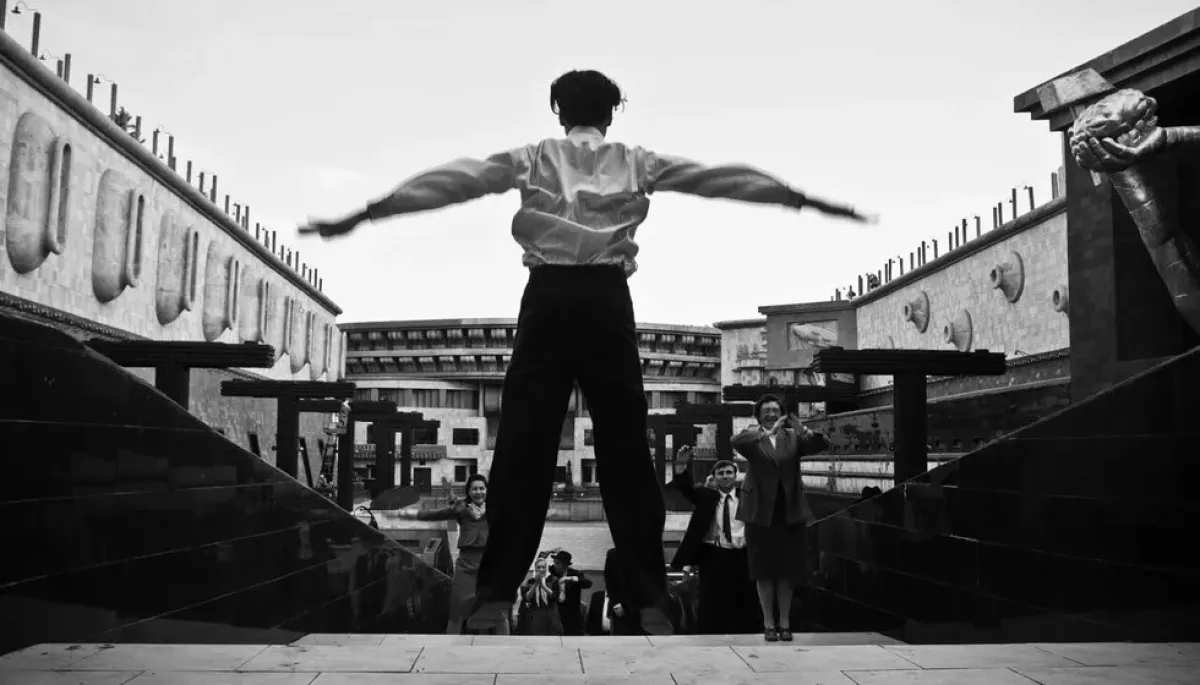
Politics, meanwhile, was impossible to keep out of the festival. Against the backdrop of restrictions on Russian filmmakers, the inclusion of Ilya Khrzhanovsky’s film DAU in the main competition prompted sharp criticism from Ukraine. It soon emerged, however, that Khrzhanovsky had not lived in Russia since 2007 and had renounced his Russian citizenship in 2024.
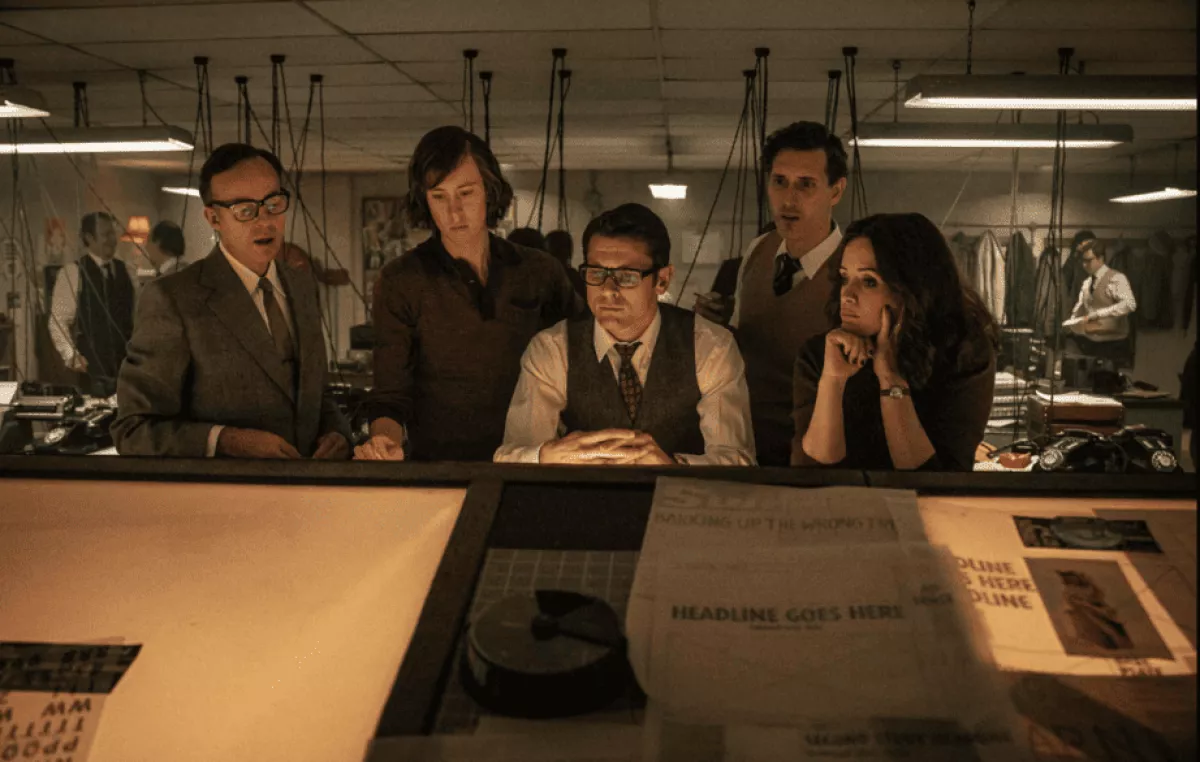
The festival opened with Danny Boyle’s competition film Ink, which explores the transformation of the British newspaper The Sun into the country’s best-selling tabloid.
The main competition also featured Lance Oppenheim’s Primetime, Florian Zeller’s Bunker, Martin McDonagh’s Wild Horse Nine, Werner Herzog’s Bucking Fastard, Casey Affleck’s Company and Iranian director Ali Asgari’s A Bit of Light. The competition lineup also included documentaries focusing on Elon Musk.
Director and producer Fariz Ahmadov, who was part of the Azerbaijani delegation, noted the growing interest in socially and politically themed films that make use of archival footage, citing Imperium by German filmmaker of Ukrainian origin Sergei Loznitsa as an example. According to him, keeping track of current industry trends is essential for promoting Azerbaijani cinema on the international market.
And what about us? This was perhaps the central question for the Azerbaijani participants at the festival. Promoting Azerbaijani films that are nearing completion or have already been shot, searching for international partners, and discussing joint projects — all of this was happening right before my eyes.
Another important focus was attracting foreign filmmakers to Azerbaijan. As director Ali-Sattar Guliyev noted, during the trip, meetings were held with representatives of the Italian and Polish film industries to discuss joint projects, cooperation in post-production, as well as the restoration and preservation of Azerbaijan’s cinematic heritage. The talks resulted in a number of concrete agreements.
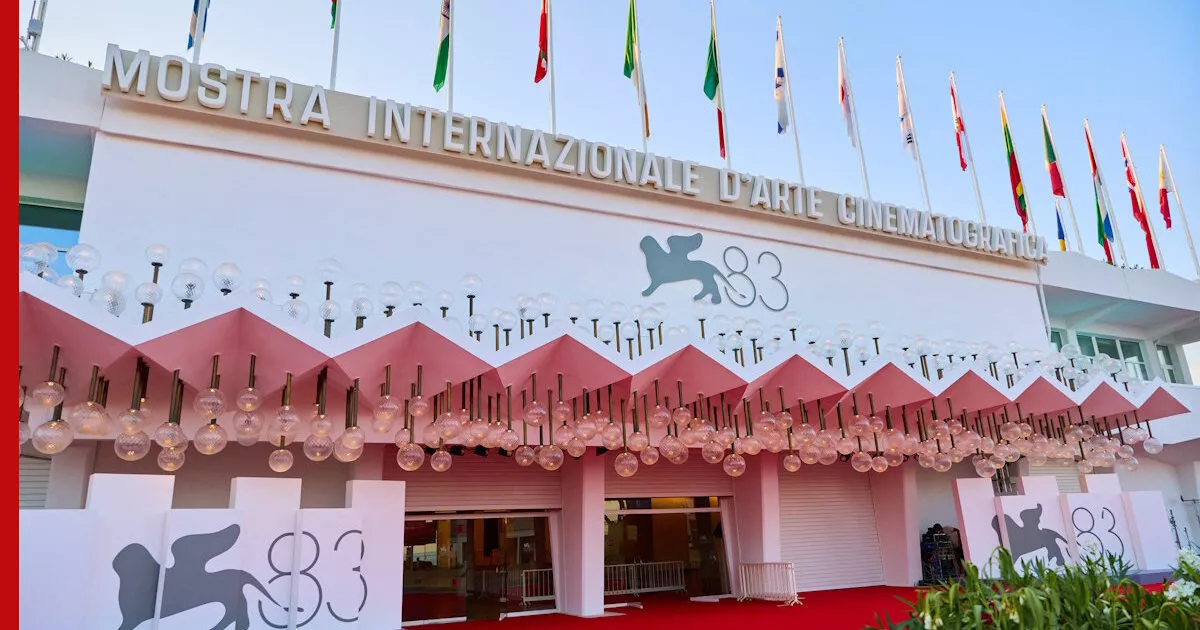
Participation in the Venice Film Festival allowed our delegation not only to experience world cinema firsthand, but also to assess the industry’s latest trends, find partners and explore new opportunities for Azerbaijani filmmaking. One can only hope that in the coming years, films by our own directors will also make their way to the Lido. After all, Murad Ibragimbekov’s Oil has already paved the way once.
By Vugar Vugarli, exclusively for Caliber.Az from Venice







 editor@caliber.az
 +994 55 444-88-98
 Азербайджан, Баку, ул. Низами, 203, Af Business House, 5-й этаж