










Spiritual platform of the Turkic World New OTS cooperation format Launched in Shusha
Throughout human history, religion has been, and continues to be, one of the fundamental pillars of social development, influencing not only spiritual life and individual value systems, but also culture, state-building, and international relations.
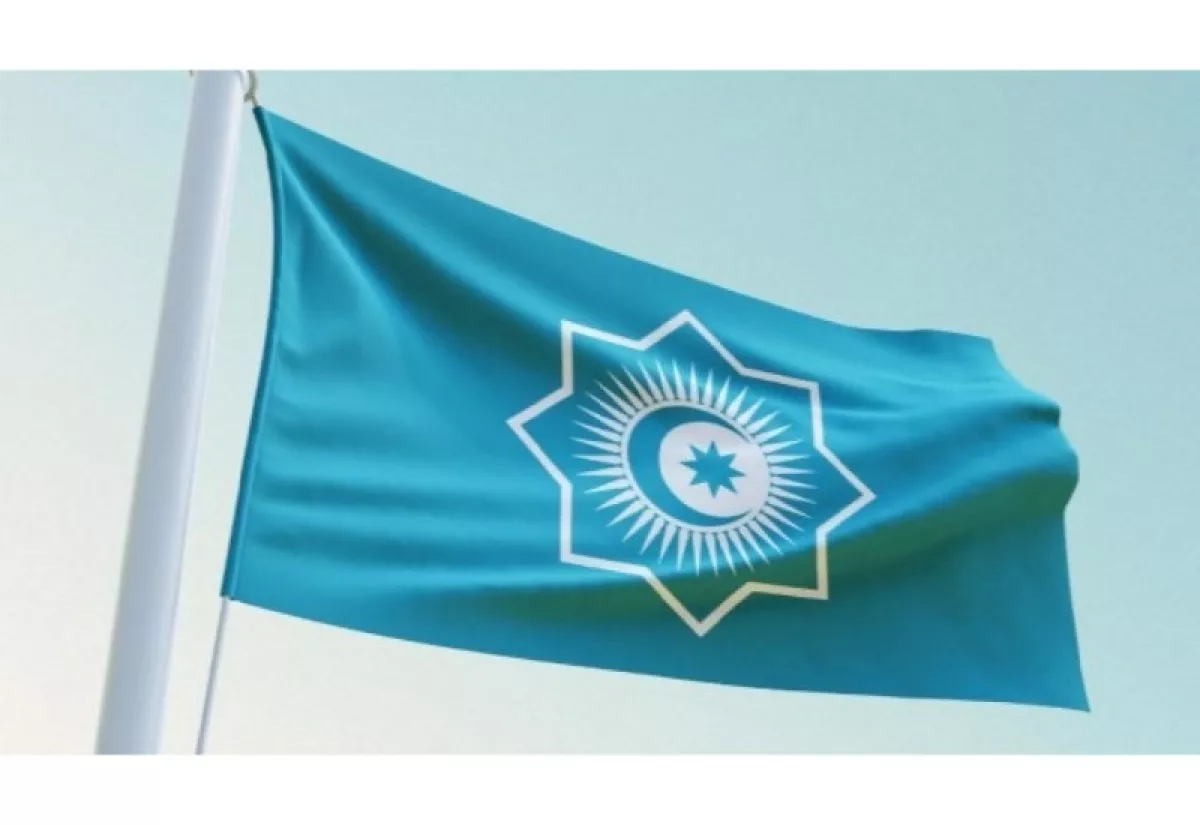
In the modern world, the significance of religion extends far beyond confessional boundaries, becoming an important instrument for preserving national identity, strengthening social solidarity, and fostering intercivilisational dialogue. For this reason, international cooperation in the field of spiritual and moral development, the protection of traditional values, and the strengthening of interreligious understanding is gaining increasing importance.
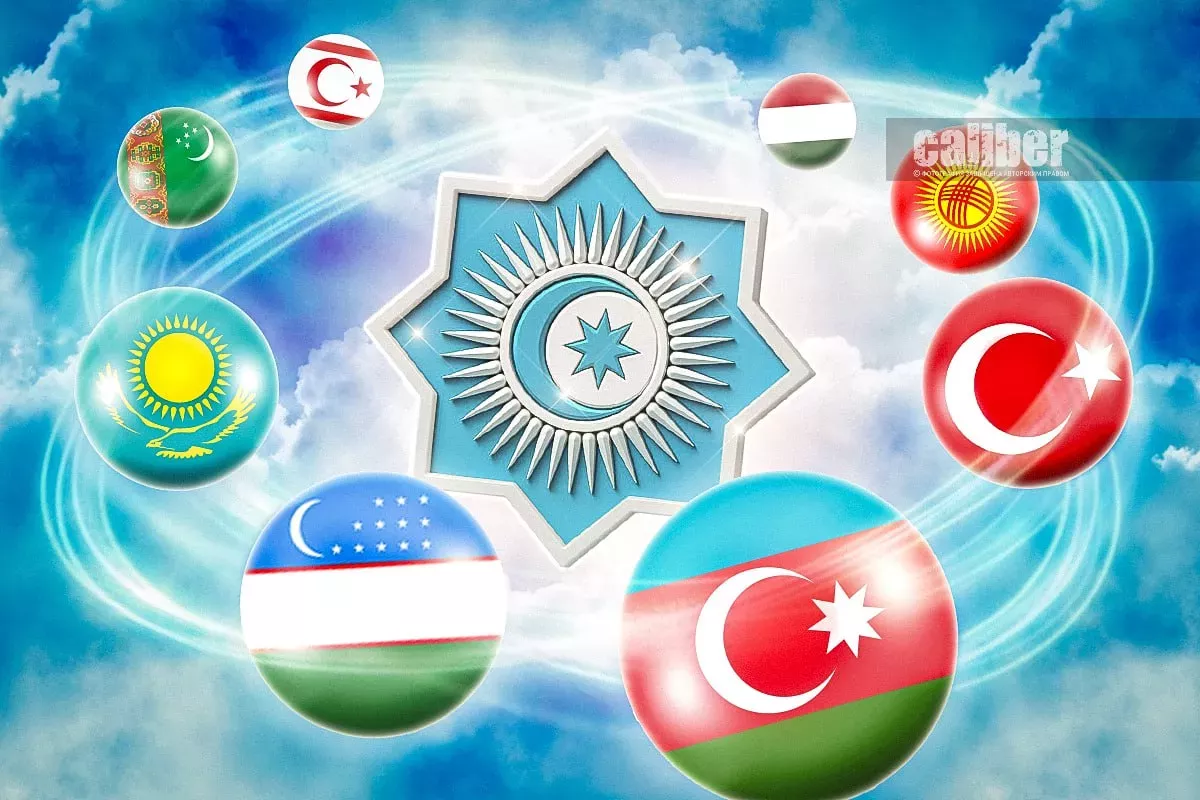
In this context, the growing activity of the Organisation of Turkic States in this direction deserves special attention. The first meeting of heads of state bodies responsible for religious affairs in the member states of the OTS, held on June 30 in Shusha — the pearl of Azerbaijan — marked an important step towards the formation of a new platform of cooperation in the field of religion, spiritual and moral development, and the preservation of national traditions. The initiative was launched by the Republic of Azerbaijan, and Shusha was by no means chosen accidentally as the venue for such a significant event. The city, liberated from Armenian occupation, is today returning to life and, in essence, serves as a symbol of the consolidation of the entire Turkic world.
Prior to their trip to Karabakh, the heads of state religious bodies of the OTS member countries visited the Alley of Honour in Baku and paid tribute to the memory of the National Leader of the Azerbaijani people, Heydar Aliyev, laying a wreath at his grave. They also honoured the memory of the distinguished ophthalmologist and academician Zarifa Aliyeva, laying flowers at her grave. Afterwards, guests from Türkiye, Kazakhstan, Kyrgyzstan, and Uzbekistan visited Victory Park, created to immortalise the bright memory of the martyrs and preserve for future generations the monumental historical Victory achieved by the Azerbaijani people in the Patriotic War, and laid a wreath at the monument.
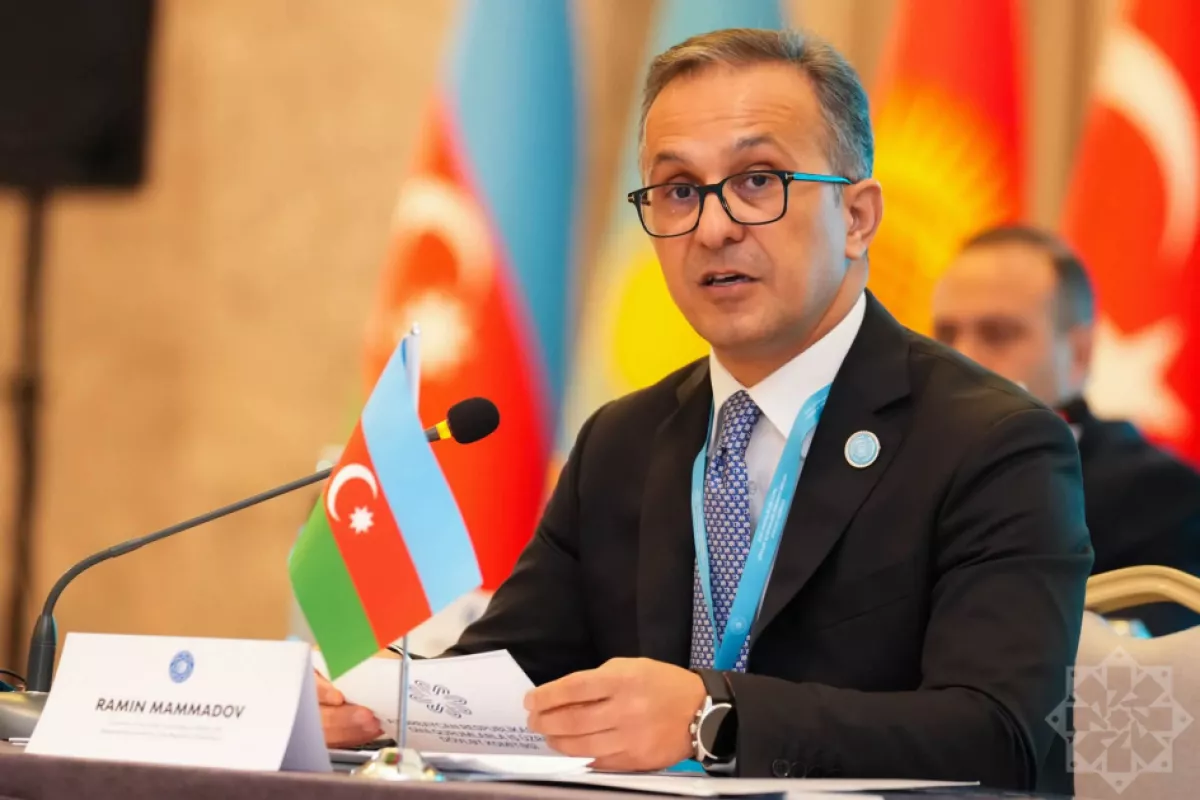
Opening the event in Shusha, Chairman of the State Committee of the Republic of Azerbaijan for Work with Religious Organisations, Ramin Mammadov, welcomed the guests and noted that the first meeting in such a format should contribute to the formation of institutional foundations for multilateral cooperation between the relevant state bodies of the Organisation of Turkic States (OTS) responsible for religious affairs.
In his speech, Mammadov also emphasised that today the Organisation of Turkic States has become one of the important platforms for regional stability and international cooperation. He highlighted the key role of the OTS Secretariat in strengthening inter-agency coordination within the organisation, stressing that it was precisely the political will of the heads of state that had brought the integration of the Turkic world to a qualitatively new level.
The head of the State Committee also stated that strengthening the unity of the Turkic world is one of the strategic priorities of the foreign policy course developed by the President of Azerbaijan, Ilham Aliyev, and that the ideological foundation of cooperation between Turkic countries is the principle: “We are one family — the Turkic world.”
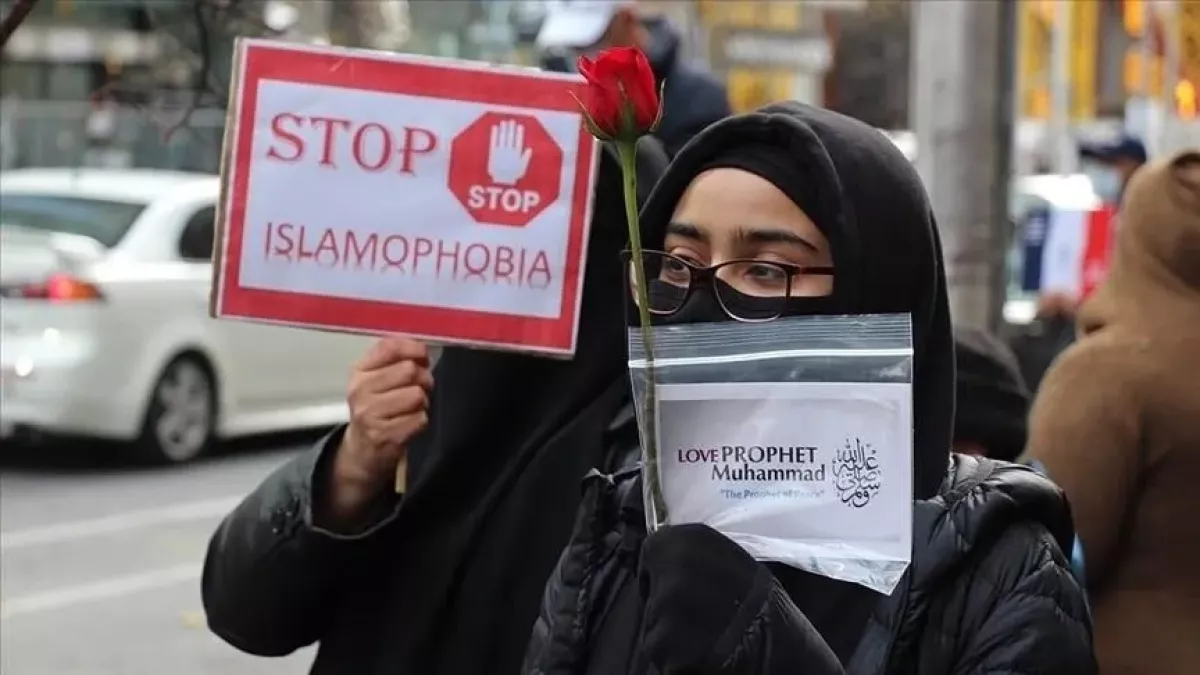
Ramin Mammadov further articulated an important point, noting that in the modern era, religious radicalism, Islamophobia, and attempts at ideological manipulation represent new challenges for states, and that these threats can only be effectively countered through coordinated efforts.
“For the first time, we are expanding our capacity to express a unified position against radicalism, external ideological interference, and threats to the foundations of our societies, while implementing centralised information and experience exchange at the state level. I am confident that the new cooperation platform, the foundations of which we are laying in Shusha, will further strengthen our state institutions responsible for religious affairs around common goals and will become one of the most solid moral and legal pillars on the path to the future,” he said.
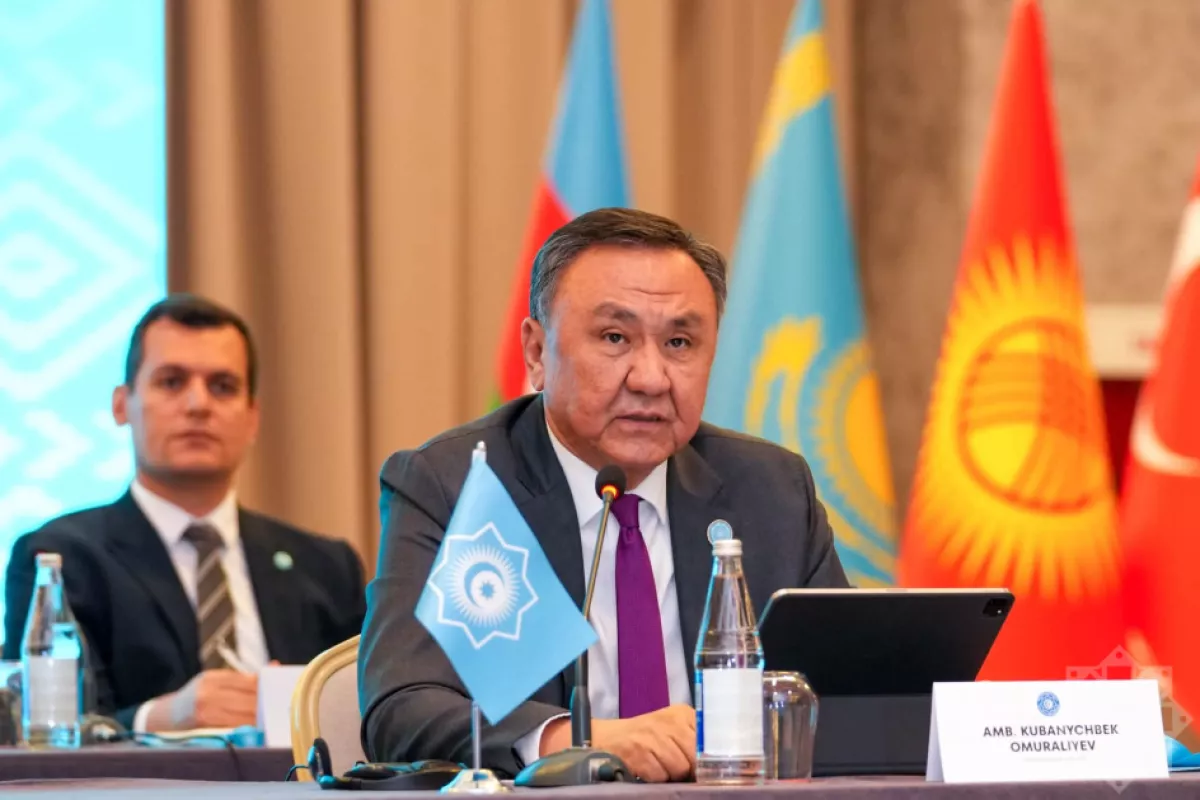
In turn, the Secretary-General of the Organisation of Turkic States, Kubanychbek Omuraliev, expressed gratitude for the high level of organisation of the event and the sincere hospitality, noting that shared history, culture, and spiritual values are the main pillars of solidarity among Turkic states and of strengthening mutual trust. He stressed that the emerging new format of cooperation will play an important role in expanding the exchange of experience between the member states of the Organisation in the religious sphere. He also drew attention to the importance of joint action against challenges such as religious extremism, radicalism, and intolerance in the modern era.
“Today, the OTS coordinates cooperation through 59 different mechanisms covering various fields — from foreign policy, economy, transport, customs, and digitalisation to education, youth, culture, tourism, space, and religion. The creation of a new format of cooperation in religious affairs is another important step in this process and reflects our shared understanding that religion, when approached wisely, responsibly, and with respect, can serve as a powerful force for social cohesion, peace, and the development of human potential,” said Omuraliev.
According to the Chairman of the Presidency of Religious Affairs of the Republic of Türkiye, Safi Arpaguş, today, the societies of Turkic countries are facing serious challenges such as geopolitical tensions, economic crises, wars, mass migration flows, and identity-based conflicts, all of which have a strong impact on both the Turkic and the wider Islamic world. In his speech, he also recalled that a significant portion of the population in OTS member states consists of young people, which makes it necessary to focus on initiatives specifically aimed at this segment of society in the Turkic countries.
“Here, a major role could be played by the development of joint programmes between our educational institutions, and we should also consider the creation of shared educational platforms and research centres, both in physical and digital formats. It is necessary to develop new methods of transmitting religious knowledge to the younger generation in the language of the era, effectively using the opportunities and prospects of our time. The better the young people of the Turkic world know each other today, the stronger our solidarity will be tomorrow,” Arpaguş expressed confidence.
Deputy Minister of Culture and Information of the Republic of Kazakhstan, Rustam Ali, in his speech emphasised the importance of developing ties and cooperation between Turkic countries on the basis of the latest developments in IT technologies and the Internet, as well as the use of artificial intelligence capabilities.
“We believe that AI will become a key tool in combating extremist ideas; therefore, Kazakhstan is interested in developing joint online prevention tools and a safe digital environment and proposes to more actively utilise these initiatives across Turkic countries,” he said.

Meanwhile, Chairman of the National Agency for Religious Affairs and Interethnic Relations under the President of the Kyrgyz Republic, Talantbek Tashibekov, emphasised the importance of strengthening coordination in the field of religious policy, expanding expert and academic cooperation, improving religious literacy, and implementing joint programmes aimed at promoting a culture of tolerance. In his view, the development of ties among young people will also contribute to further strengthening the unity of the Turkic states.
Speaking at the event, Chairman of the Committee on Religious Affairs of the Republic of Uzbekistan, Sodik Toshboev, proposed the creation of a working group consisting of representatives of the relevant bodies of OTS member states, as well as the expansion of academic exchange between religious educational institutions, the implementation of joint scientific projects, and the development of pilgrimage tourism in order to further strengthen the foundations of cooperation in the field of religion and religious education.
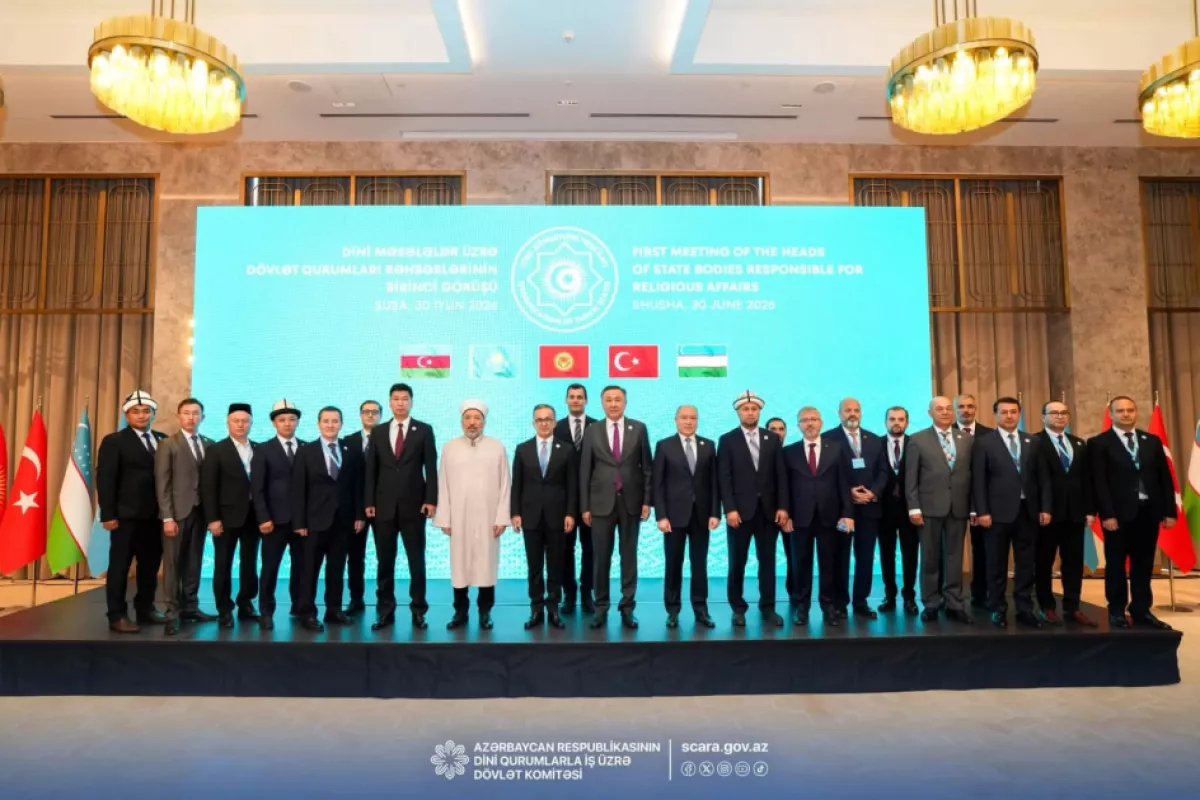
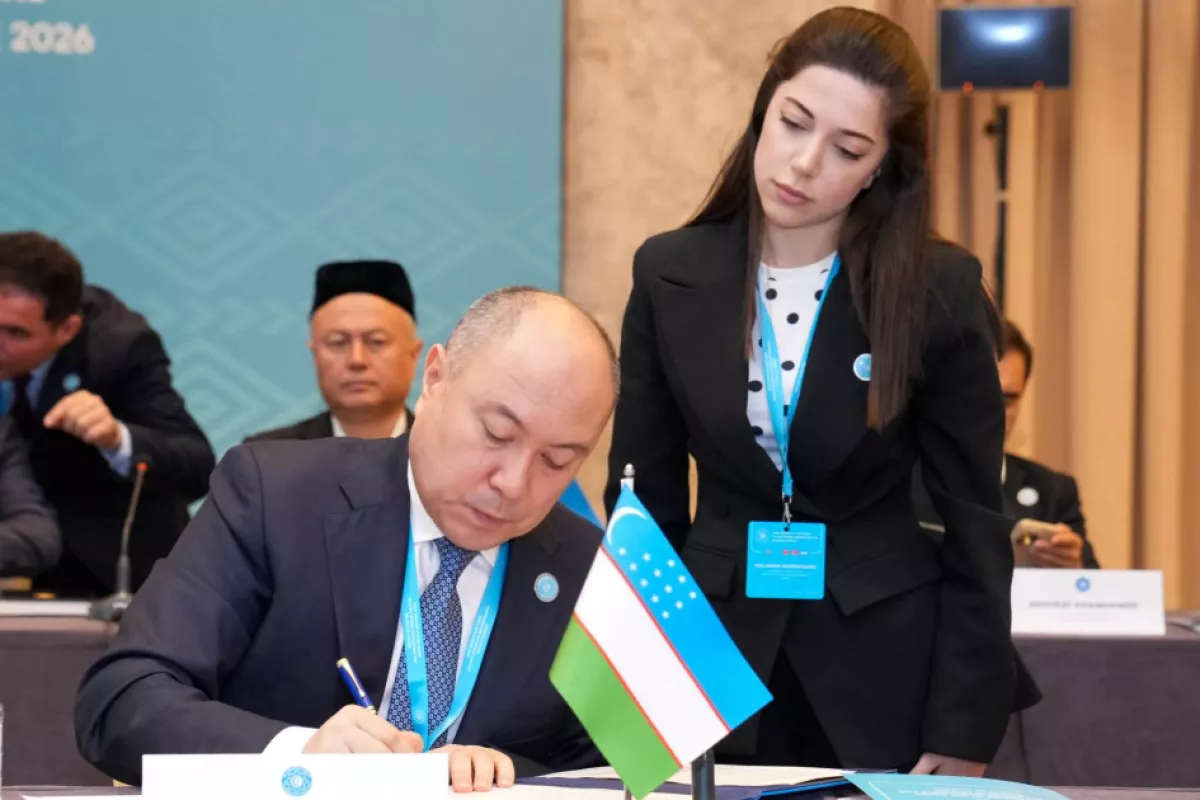
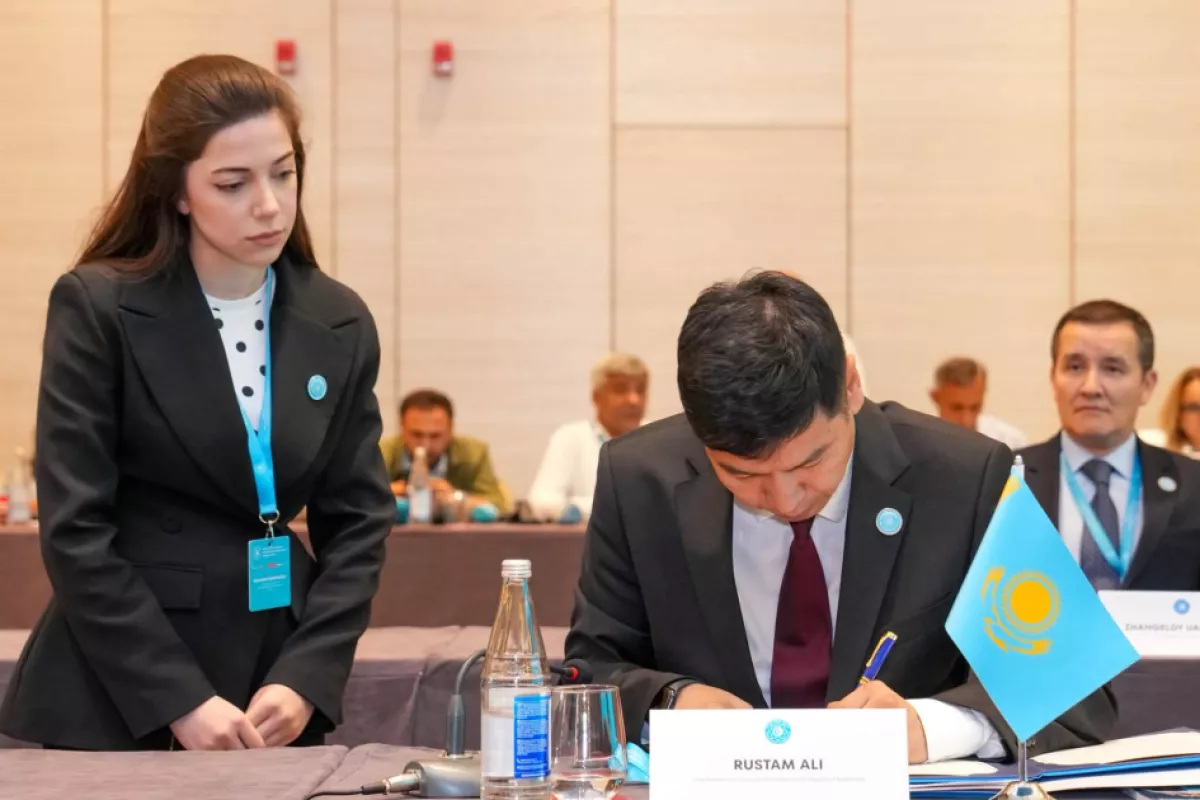
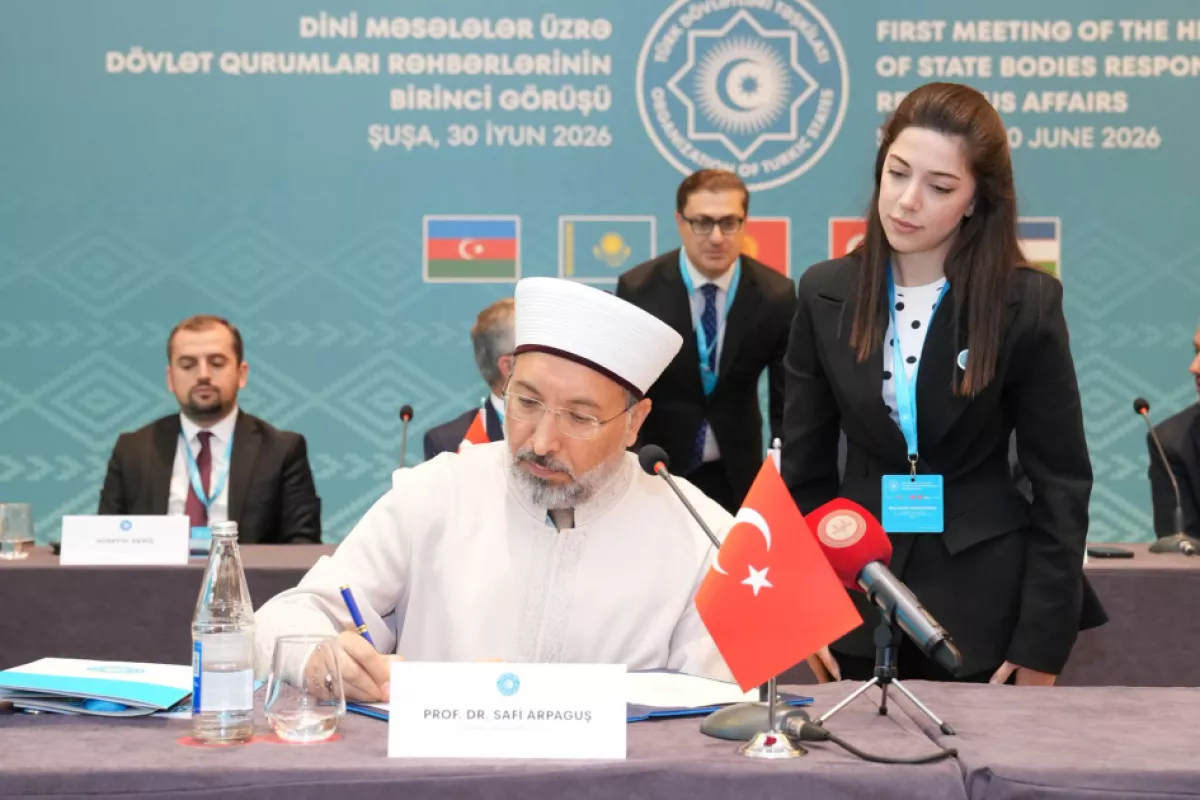
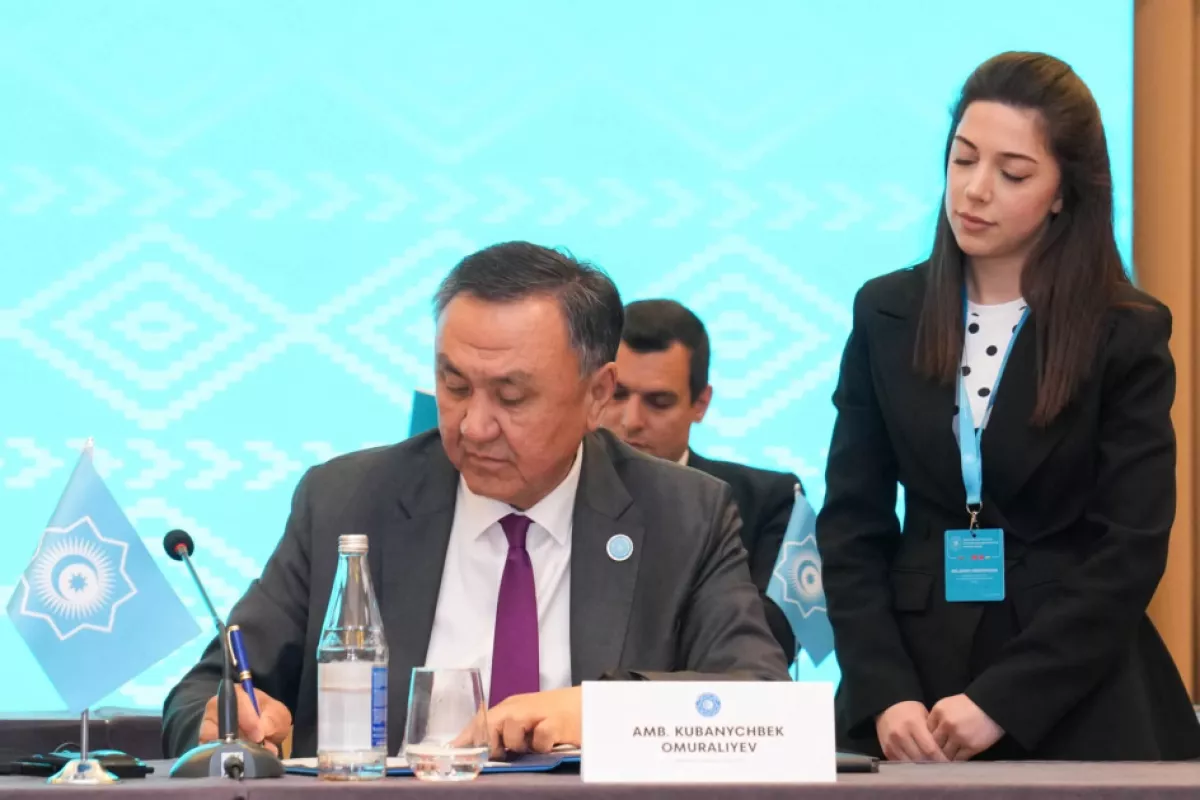
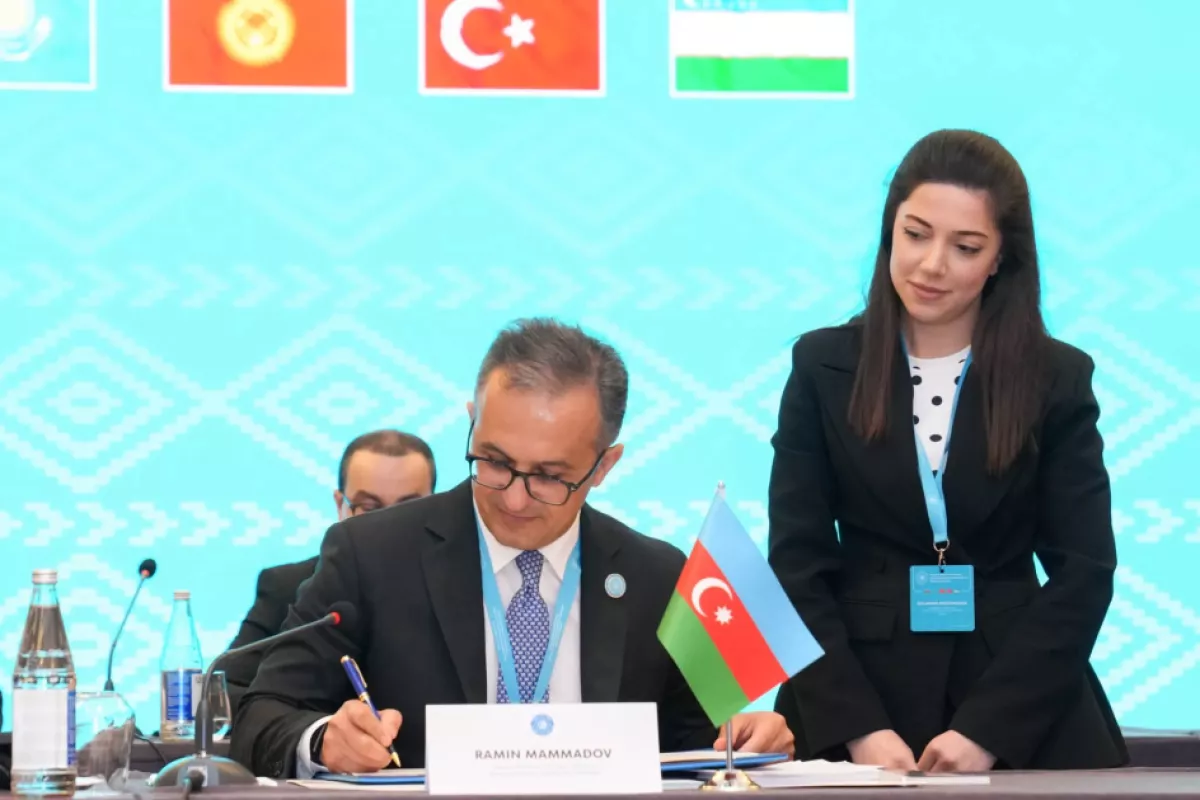
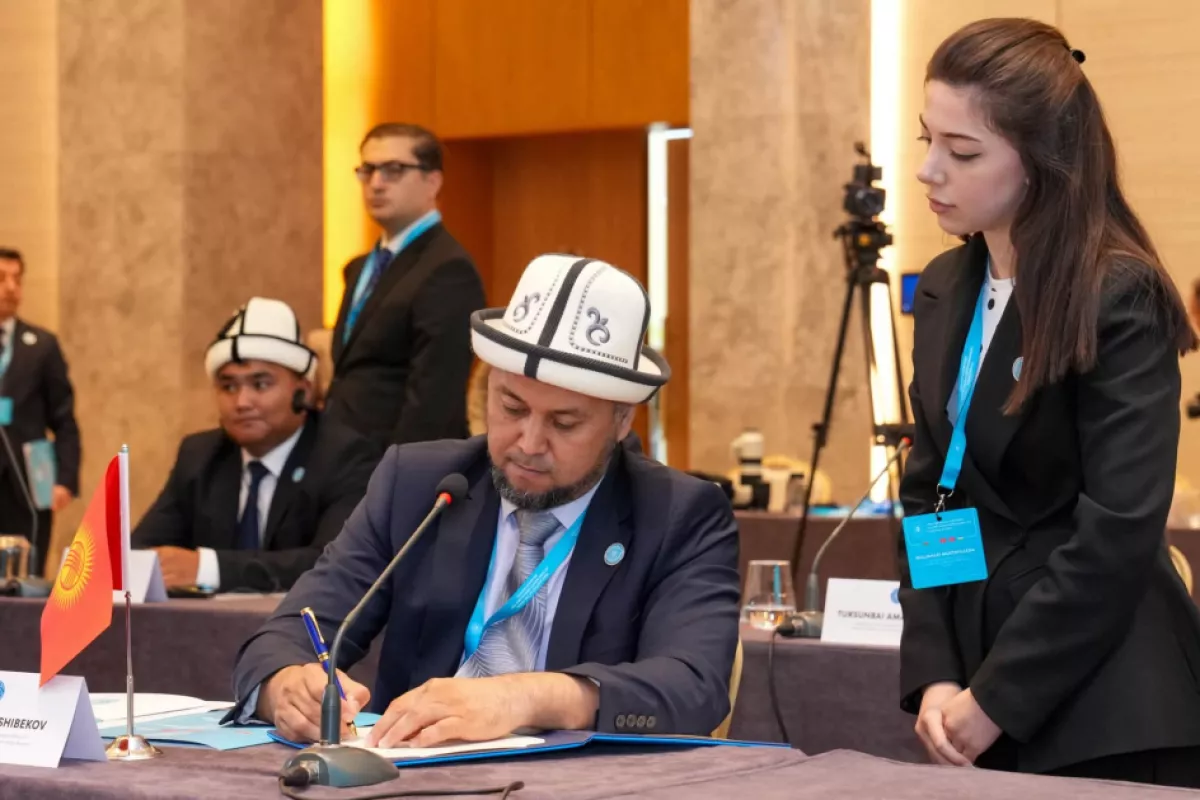
As a result of the meeting, a joint communiqué consisting of 11 points was signed, outlining the institutional foundations of cooperation between the institutions and future areas of joint activity. The document reflects the specifics of the development of state–religious relations among Turkic states based on the principles of secularism, the expansion of experience-sharing in the religious sphere, the development of cooperation in religious education, issues related to raising youth in the spirit of national and spiritual values, and enhancing the role of women in strengthening the family institution.
In addition, the communiqué emphasises the importance of expressing support for the restoration of historical, religious, and cultural heritage in the territories of Azerbaijan liberated from occupation, promoting interfaith understanding and Islamic solidarity across the Turkic space, advancing Turkic-Islamic cultural heritage on the international stage, as well as strengthening joint efforts against religious radicalism, extremism, and other destructive manifestations.
The document also expresses gratitude to the President of the Republic of Azerbaijan, Ilham Aliyev, for his support in ensuring the high-level organisation of the event and the conditions created for it, as well as to the Government of Azerbaijan and the OTS Secretariat for their contribution to the coordination process.
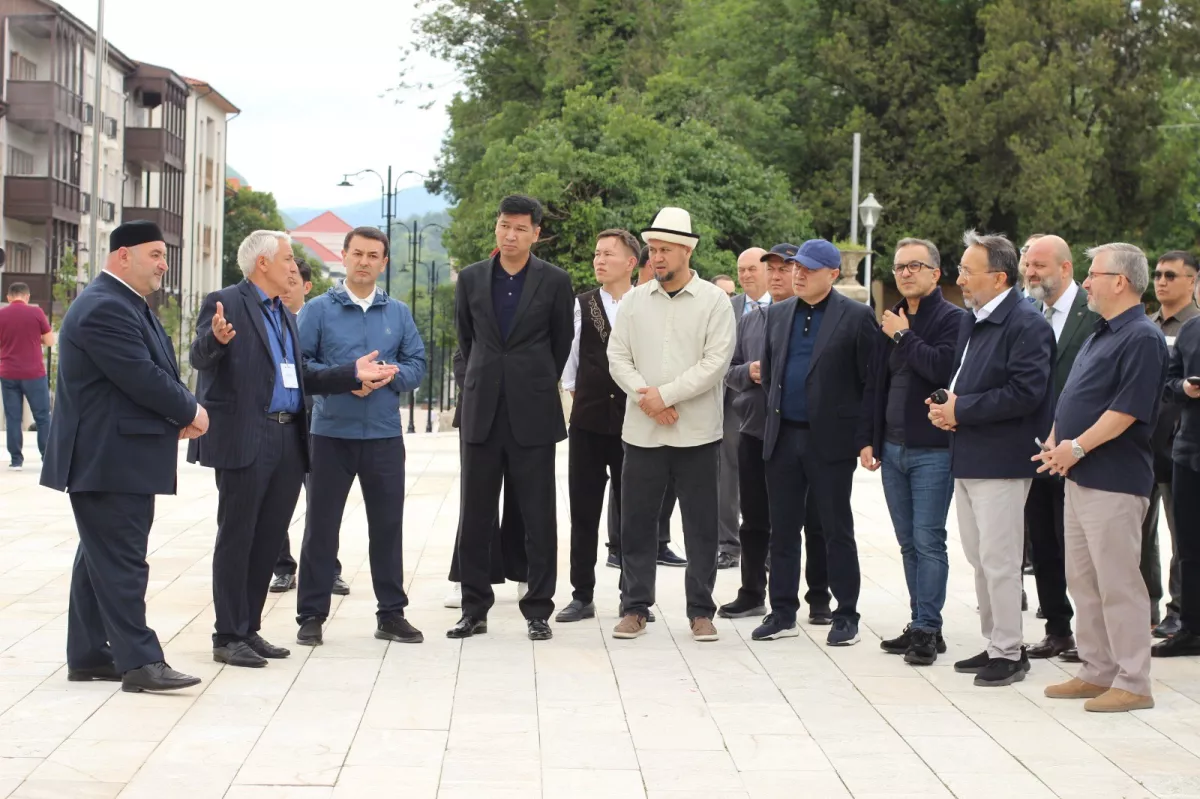
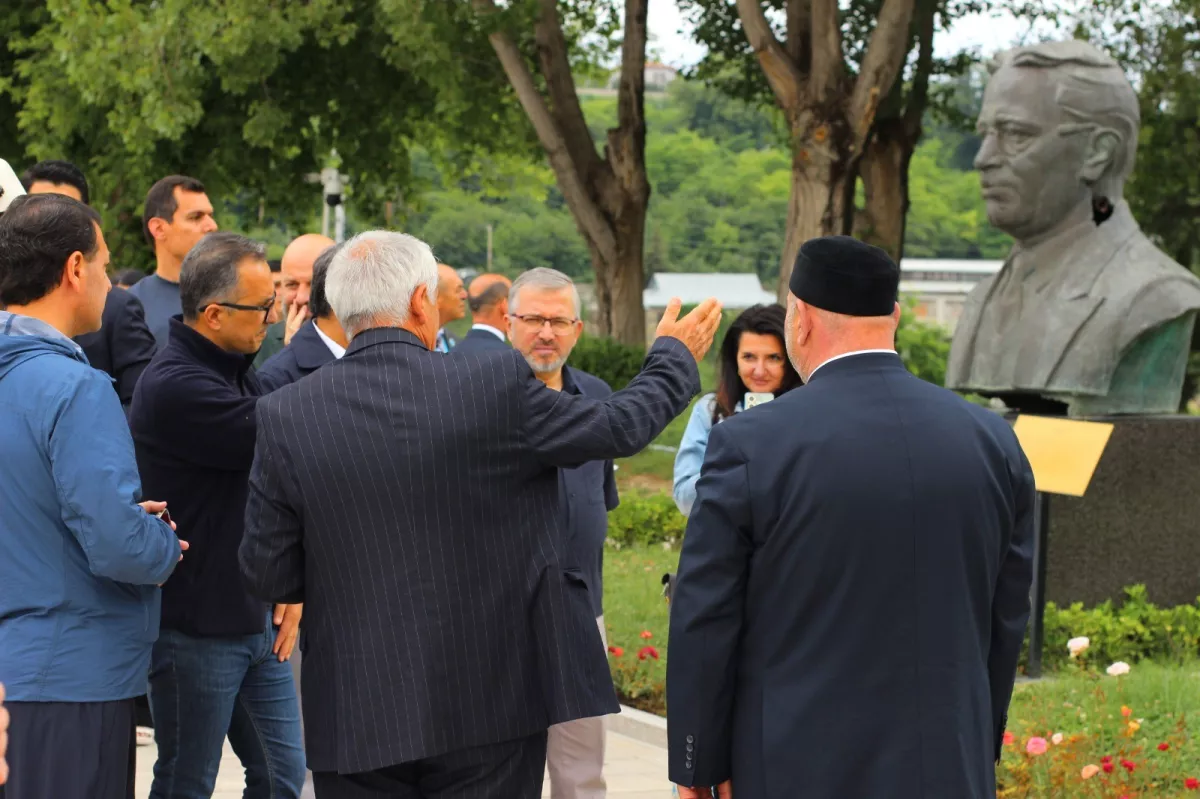
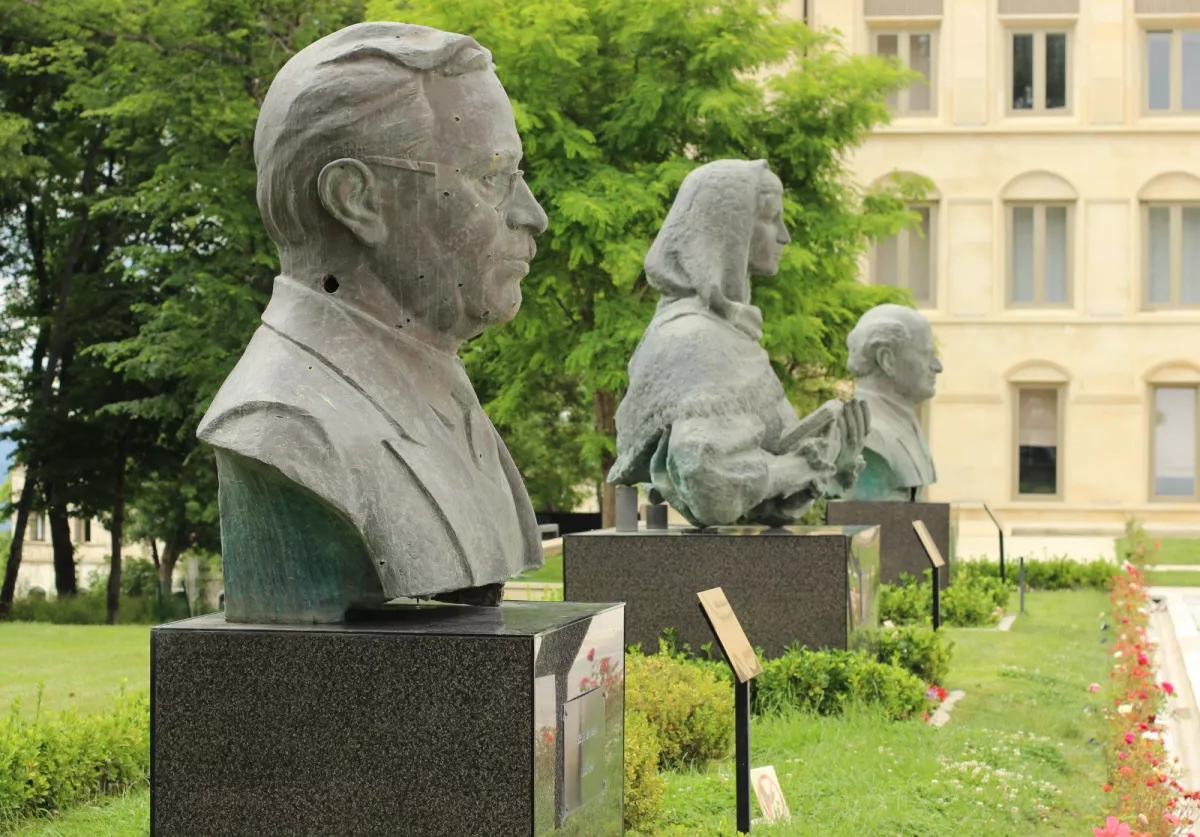
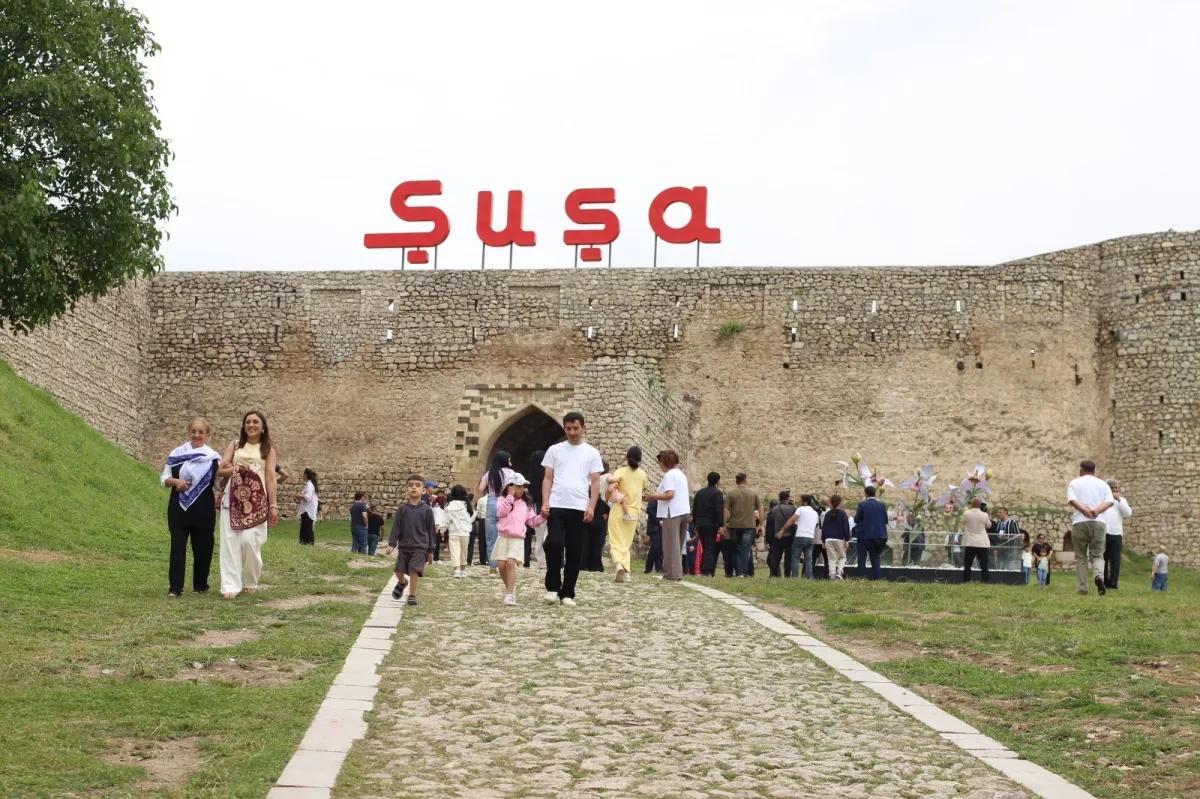
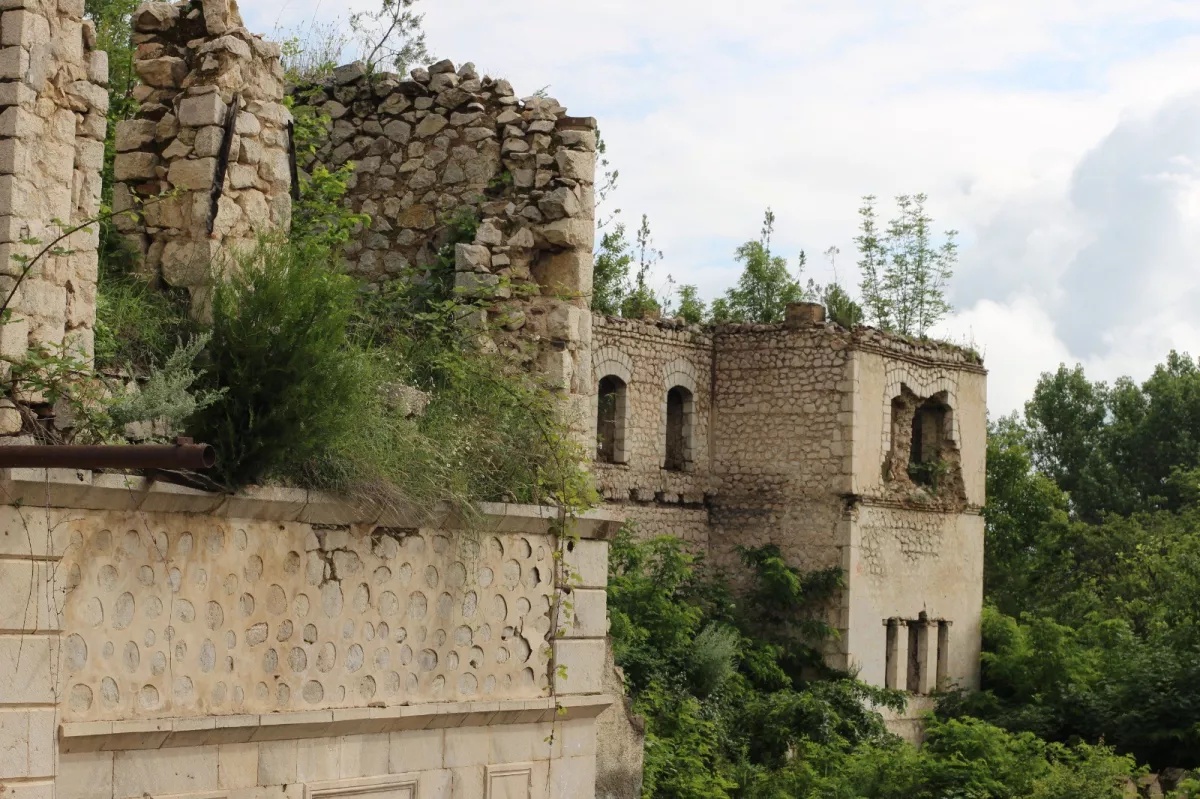
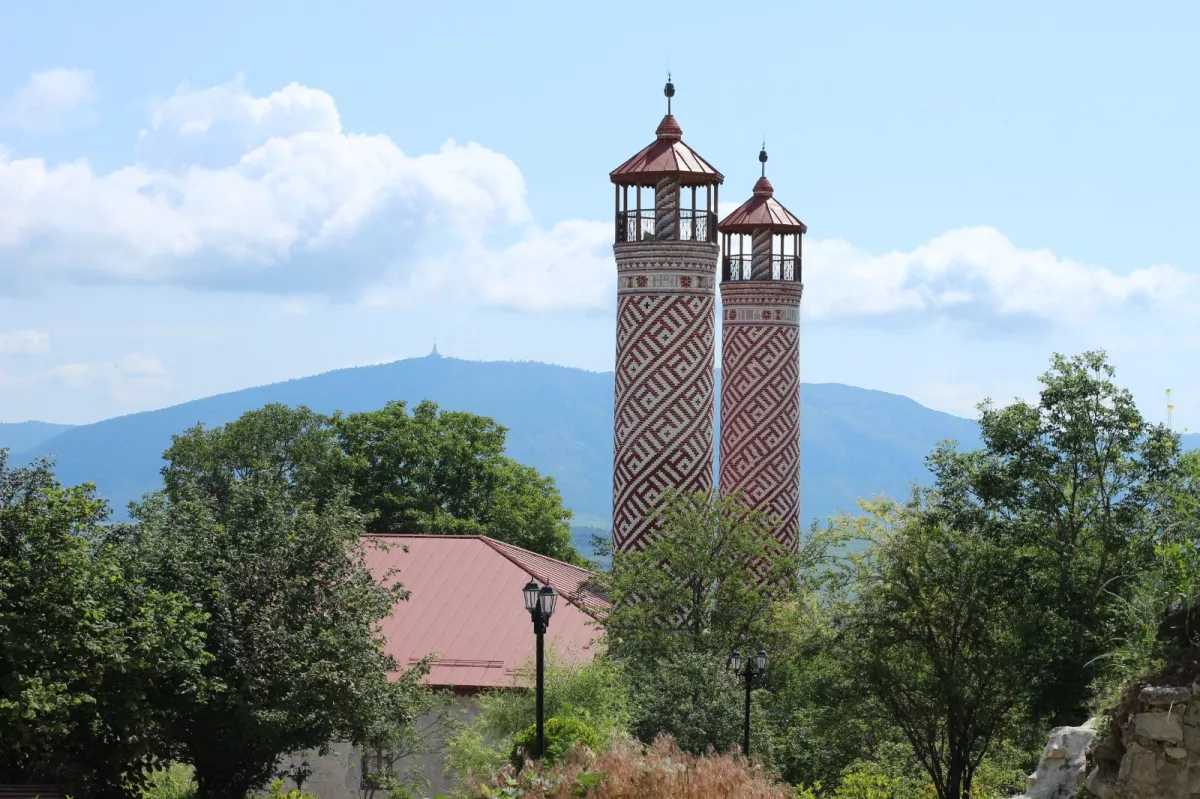
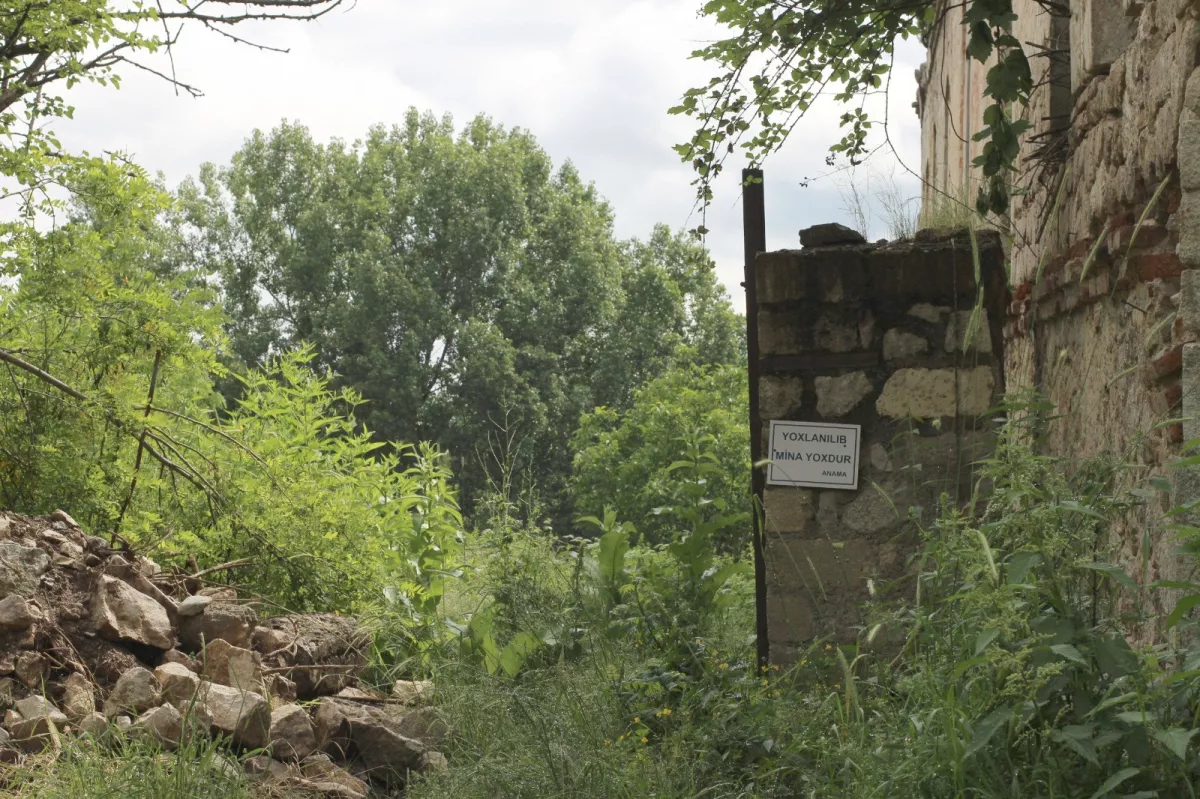
A key part of the meeting in Shusha was the cultural programme. Delegations from OTS member states were introduced to the city’s most iconic landmarks, which are closely linked to the historical heritage of the Azerbaijani people. Notably, the guests explored the city on foot, allowing for a deeper immersion in the atmosphere of the ancient town.
The delegations visited Shusha’s central square, where the “bullet-riddled” busts of prominent Azerbaijani cultural figures are located, and attended the photo exhibition “Heydar Aliyev and Karabakh,” displayed at the Shusha Creativity Centre, which features rare archival images from the life of the National Leader.
The guests also visited the house of poetess Natavan, destroyed by the Armenian occupation forces, and the “Khan Gizi” spring, as well as learning about the city’s history at the Ganja Gates of the Shusha Fortress, and the Ashaghi Govhar Agha and Yukhari Govhar Agha mosques, which are examples of Azerbaijan’s rich religious and cultural heritage.
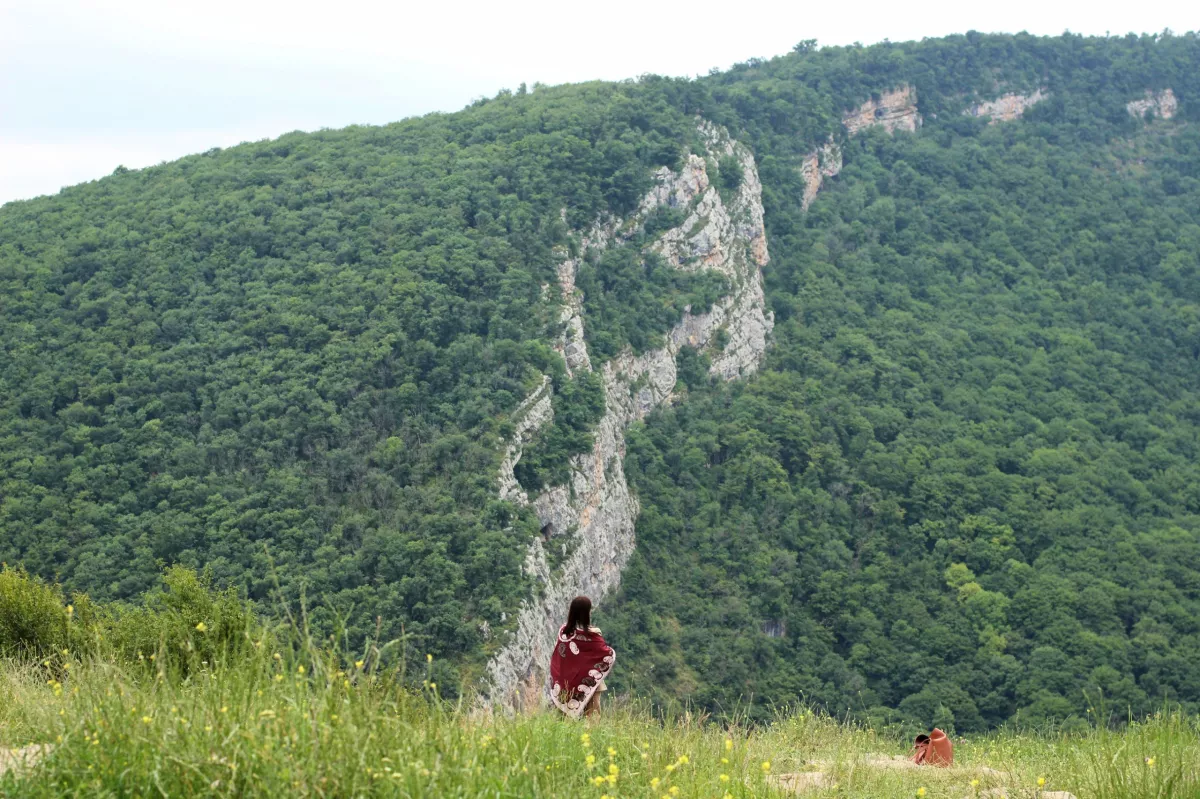
The climax of the programme was a visit to Jidir Duzu, surrounded by majestic mountain ranges, which for centuries has been a centre of numerous cultural and sporting events and is believed in local tradition to be the symbolic heart of Karabakh.
At this sacred site, confidence further strengthened that the platform launched in Shusha will continue to develop — a sentiment reinforced by the announcement from the OTS Secretary-General that the next meeting of the Council of Heads of Religious Administrations of Turkic States will be held in Baku on September 14–15, where two key topics are expected to be discussed: “Promoting marriage in Islam: causes of late marriages and obstacles” and “Islam’s attitude towards science and technology.” Thus, the tone set in the Pearl of Azerbaijan will be continued in the City of Winds and beyond.
Baku — Shusha — Baku







 editor@caliber.az
 +994 55 444-88-98
 Азербайджан, Баку, ул. Низами, 203, Af Business House, 5-й этаж