










Arctic gambit: Brussels moves to counter Washington in Greenland Analysis by Matanat Nasibova
Against the backdrop of growing interest in the Arctic from global powers, European Commission President Ursula von der Leyen’s upcoming visit to Greenland on September 6–7, 2026, underscores Brussels’ determination to strengthen security in the region and deepen ties with the strategically important autonomous territory of Denmark.
The centrepiece of the visit is expected to be the signing of a joint EU–Greenland declaration. According to European news outlet Euractiv, the European Commission has proposed more than doubling EU funding for Greenland to €530 million over seven years, starting in 2028. An additional investment package worth more than €150 million is also under consideration.
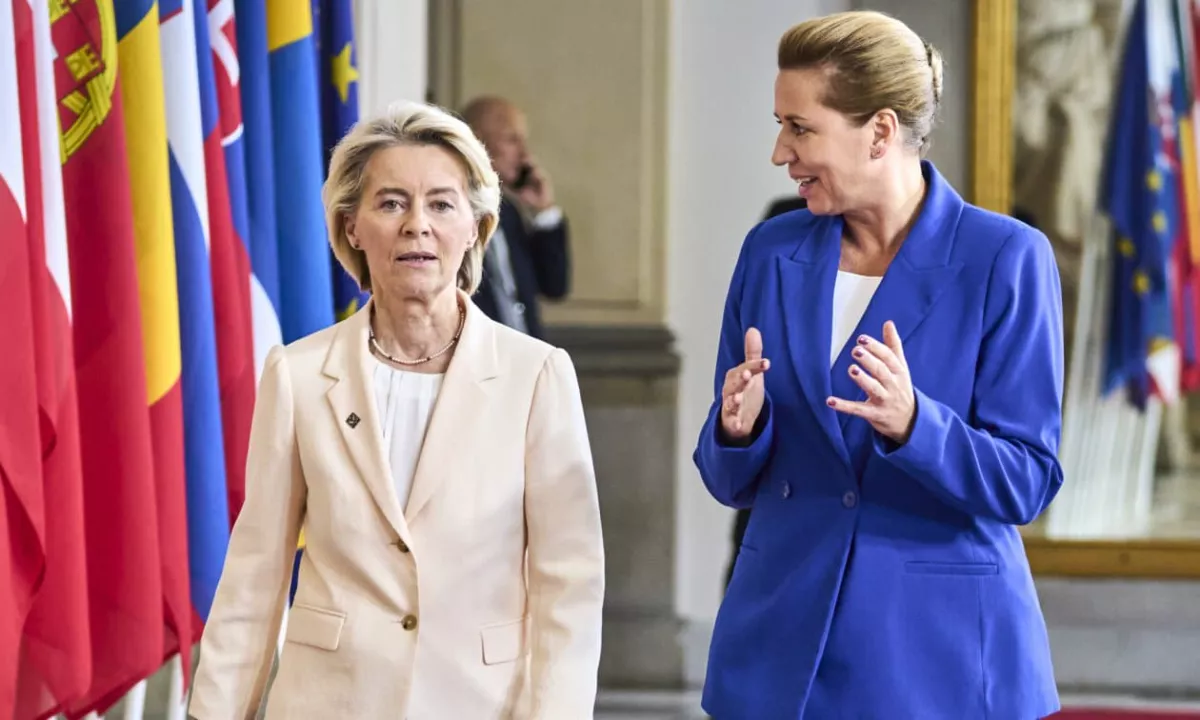
During the visit, the President of the European Commission is expected to meet with the prime ministers of Greenland, Denmark, and the Faroe Islands — Jens-Frederik Nielsen, Mette Frederiksen, and Aksel Johannesen, respectively. Von der Leyen will be accompanied by European Commissioner for International Partnerships Jozef Síkela and the European Commission’s Special Adviser on EU Arctic Affairs.
The visit carries both political and economic significance, particularly amid growing competition between Washington and Brussels for influence in the Arctic.
Historical context
The Arctic is rapidly emerging as a major arena of strategic competition among the world’s leading powers. US interest in Greenland dates back to the 19th century, when the idea of acquiring Greenland and Iceland was first proposed by William Henry Seward, the 24th US Secretary of State.
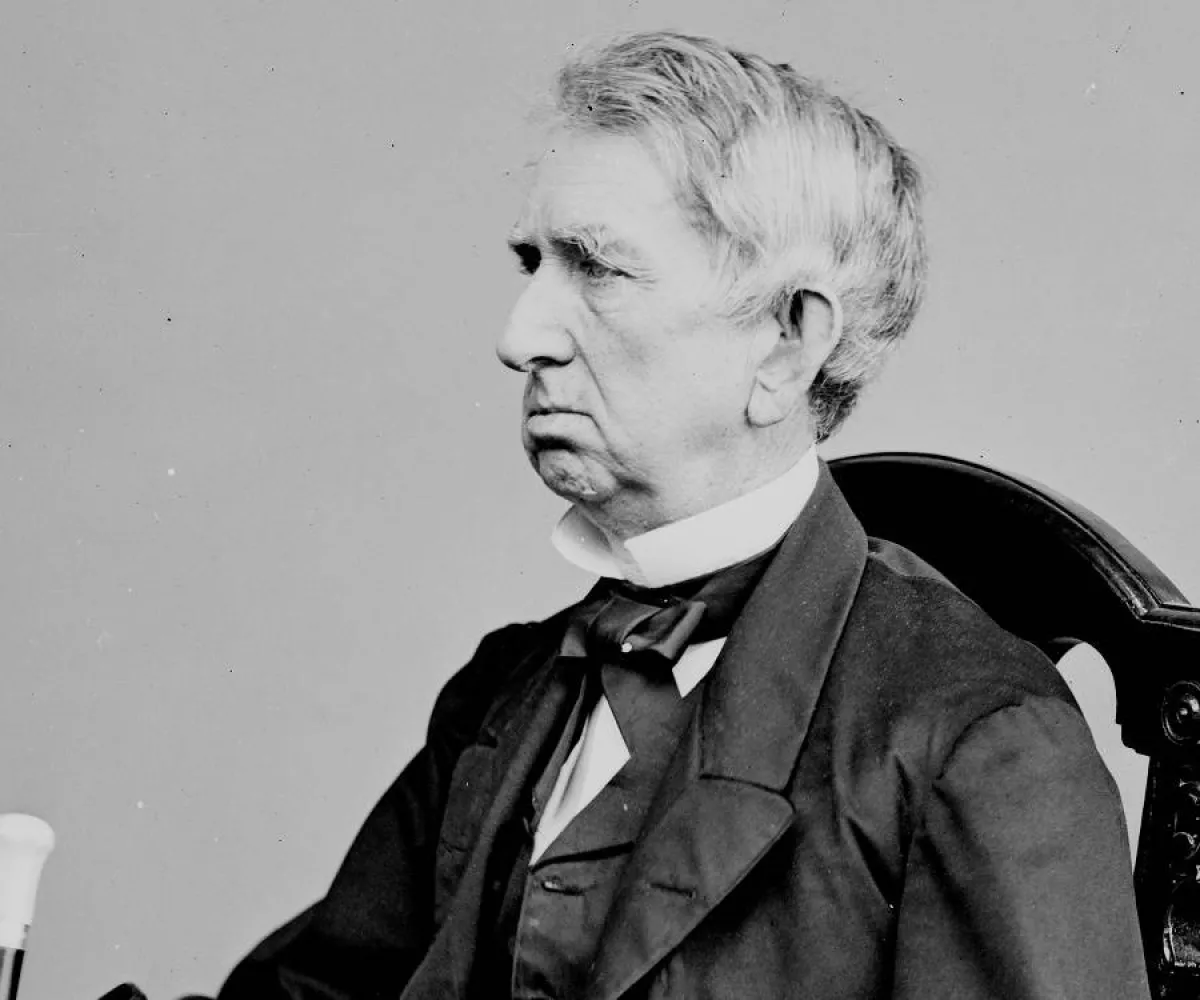
Shortly after the United States purchased Alaska from the Russian Empire in March 1867, Seward commissioned a confidential report examining the natural resources and strategic importance of the northern territories. A year later, a 72-page document titled A Report on the Resources of Iceland and Greenland was published. It detailed the region’s deposits of coal and cryolite, as well as its fishing and whaling resources.
Seward believed that acquiring Greenland would strengthen the United States’ position in global trade while helping to contain British North America, which corresponds roughly to present-day Canada.
However, the project, estimated at around $5.5 million in gold, was abandoned. Congress and the press heavily criticised the purchase of Alaska, while President Andrew Johnson faced impeachment proceedings in 1868. Nevertheless, Seward laid the groundwork for Washington’s long-term interest in the island, which later resurfaced in Harry Truman’s initiative in 1946 and in statements by Donald Trump.
Brussels’ strategy
Greenland has the status of an Overseas Country and Territory associated with the EU. Brussels has been steadily expanding its presence there, a process reinforced by the opening of a permanent EU office in Nuuk in 2024. Ursula von der Leyen’s visit represents an attempt to secure a political role for the European Union amid mounting US pressure.
Brussels’ move is driven by a key factor: Washington’s efforts to strengthen its control over Greenland have turned the island into an epicentre of geopolitical competition. In January 2026, EU leaders declared their full solidarity with Denmark and the people of Greenland, based on respect for the sovereignty and territorial integrity of the Kingdom of Denmark.
The EU is now moving to institutionalise its presence. The signing of the declaration ahead of the Arctic Forum in Rovaniemi on September 13–14 is intended to demonstrate Europe’s engagement in the region’s security. Brussels’ primary economic interest lies in Greenland’s vast reserves of critical raw materials and rare earth elements, which are essential to the EU’s industrial and technological independence.
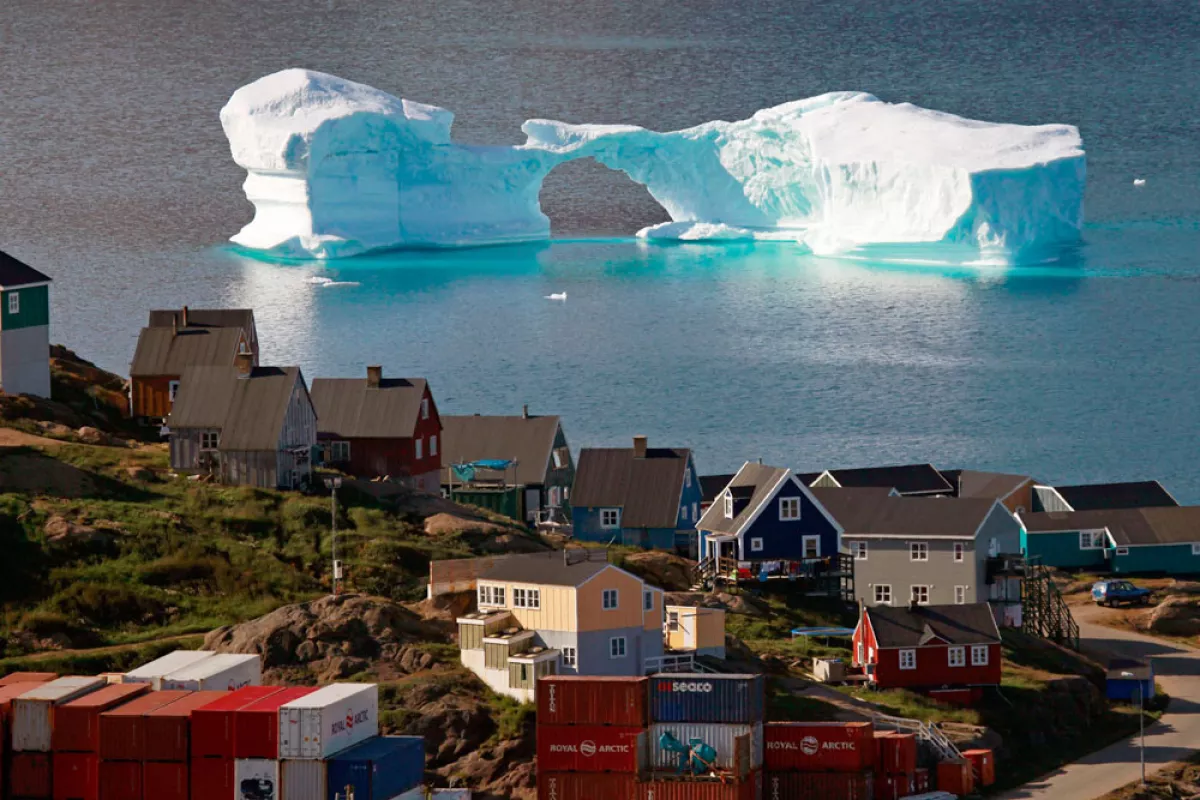
Key areas of the EU–Greenland declaration:
Financial and investment foundation: Increasing funding to €530 million for the 2028–2034 period, along with a €150 million investment package, is intended to offer Nuuk a sustainable economic alternative to external pressure, laying the groundwork for infrastructure modernisation and digitalisation.
Raw materials security and energy: Developing projects focused on extracting critical minerals and expanding local renewable energy sources, including hydropower and green hydrogen. This would allow the EU to diversify its raw material supplies while helping Greenland reduce its dependence on the fishing industry.
Human capital development: Long-term programs supporting vocational education and workforce retraining would strengthen the island’s institutional ties with the European space.
Statements by the President of the European Commission on strategic autonomy are turning Greenland into a barometer of Brussels’ geopolitical ambitions. Through the new declaration, the EU seeks to establish Greenland as a key partner with greater agency in the Arctic.







 editor@caliber.az
 +994 55 444-88-98
 Азербайджан, Баку, ул. Низами, 203, Af Business House, 5-й этаж