










Barrels of pragmatism Trump strikes deal with Rodríguez government
US President Donald Trump has announced an agreement with Venezuela’s interim authorities, calling it “the biggest oil deal in world history.” The agreement reportedly provides access to 17 oil fields with proven reserves of around 65 billion barrels — roughly one-fifth of Venezuela’s total reserves. Investment is expected to amount to approximately $100 billion. Thirty-five per cent of the Venezuelan company North American Blue Energy Partners, which will manage the project, will immediately come under US ownership, while the United States will have the right to take 20% of all oil produced at cost. According to sources, some of this oil will go to the Strategic Petroleum Reserve and be used to meet the needs of the US military.
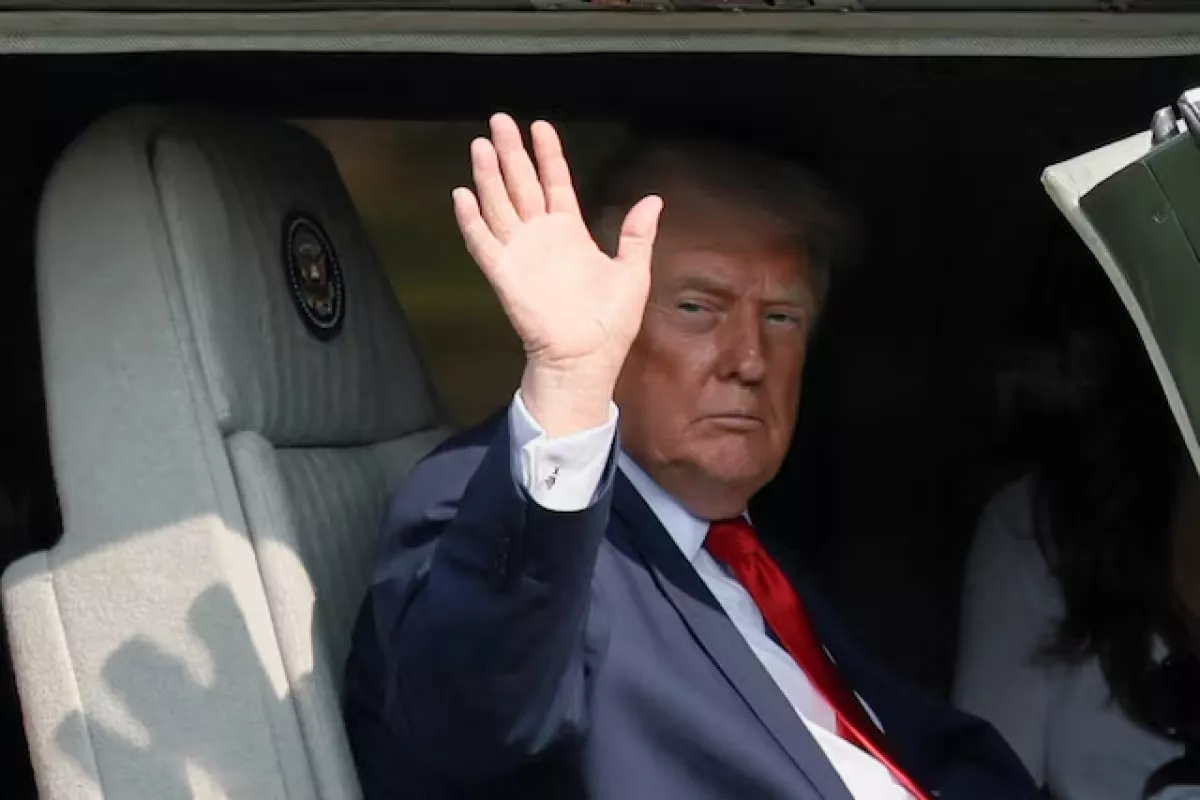
“This Historic Transaction MORE THAN DOUBLES American Oil Reserves, greatly increases our Oil Supply, and will substantially lower Gas Prices for all Americans,” Trump wrote on his social media platform Truth Social.
Caracas is emphasising the benefits for its own economy. Delcy Rodríguez insists that “Venezuela retains the ownership and sovereignty over its resources.” According to her, the United States will provide capital and technology, while the country will gain an opportunity to rebuild its oil industry. At an oil price of $65 per barrel, the government could receive around $209 billion in tax revenues, while production is expected to exceed 1.5 million barrels per day, up from the current 1.25 million.
For Trump, the oil calculus is closely intertwined with politics. After the ouster of Nicolás Maduro in January, the US president promised to control the sale of Venezuelan oil. That pledge is now taking economic shape. Trump hopes to increase US oil supplies and lower gasoline prices, which is particularly important amid inflation and the approaching midterm elections to Congress. And although, for a number of reasons, the deal will not physically have time to affect retail gasoline prices before the November elections, it will nevertheless play an important psychological role for Republicans. The agreement is intended to demonstrate to voters that the administration is actively addressing the fuel crisis.
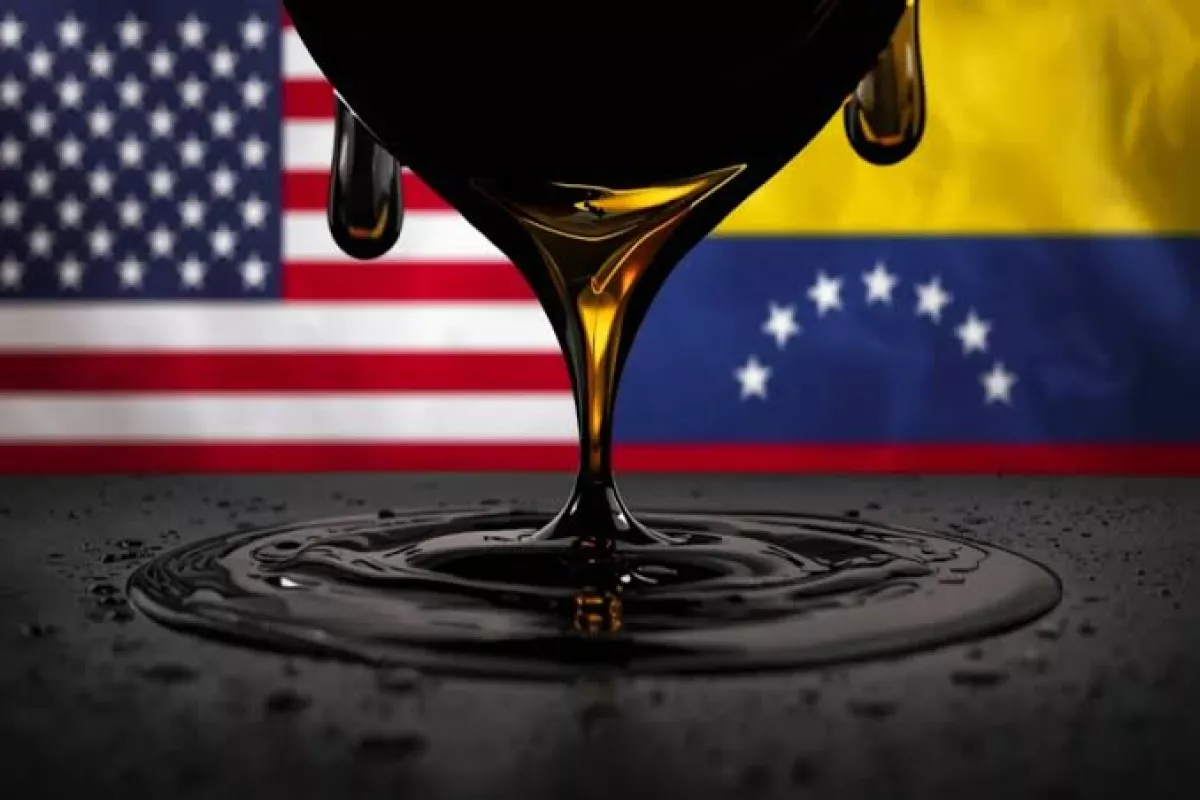
There is also a geopolitical dimension. Washington is consolidating its influence in the largest oil-producing country in the Western Hemisphere and gaining an opportunity to push competitors, above all China, out of a key sector of Venezuela’s economy.
However, behind the White House’s triumphant statements lies a deep divide within Venezuela itself. The deal was signed by Delcy Rodríguez’s interim authorities, while the full text of the agreement has yet to be published. Opponents are already warning that a future democratic government may refuse to recognise the current arrangements. Former Planning Minister Ricardo Hausmann called the deal “shameful,” accusing Washington of legitimising a transitional Chavista government for the sake of short-term gains.
For Venezuelan opposition leader María Corina Machado, the deal has been a particularly serious blow. She had previously cultivated close ties with Trump — even giving him her Nobel Peace Prize medal — but the current pragmatic US pact with Rodríguez pushes the issue of democratic elections in Venezuela into the background. US investment could now be directed toward stabilising the Rodríguez government rather than supporting a transition of power to Machado.
That is precisely why the deal’s main weakness is its political sustainability. Trump gains economic leverage over Venezuela’s oil industry and the prospect of additional supplies to the US market, while Rodríguez gets investment and Washington’s support. But the fate of the agreement will ultimately hinge on a question that remains open: “Can the current political arrangement survive a change of power in Caracas — and will that change happen at all?”
If someone had said a couple of years ago that Trump would support Chavistas in their struggle against Venezuela’s right-wing liberals, many would have dismissed the scenario as absurd fantasy. Now, however, that storyline appears to be becoming reality. It is a good illustration of the fact that in great-power politics, ideological affinity is often less important than strong personal relationships.







 editor@caliber.az
 +994 55 444-88-98
 Азербайджан, Баку, ул. Низами, 203, Af Business House, 5-й этаж