










Vicious circle: The US-Iran war of attrition is tearing the Middle East apart Analysis by Serhey Bohdan
The week began with the US leadership’s triumphant announcement of economic war on Iran. Yet few of Washington’s allies have backed the operation. After all, countries across the region are suffering severely from Iran’s blockade of the Strait of Hormuz and attacks on US and other targets throughout the region. Tehran and Washington have clearly reached an impasse, but even more alarming is that both sides have the resources to remain stuck in that deadlock for years. This dangerous situation, which threatens the entire Middle East, is pushing regional countries to seek alternative, home-grown solutions to the crisis.
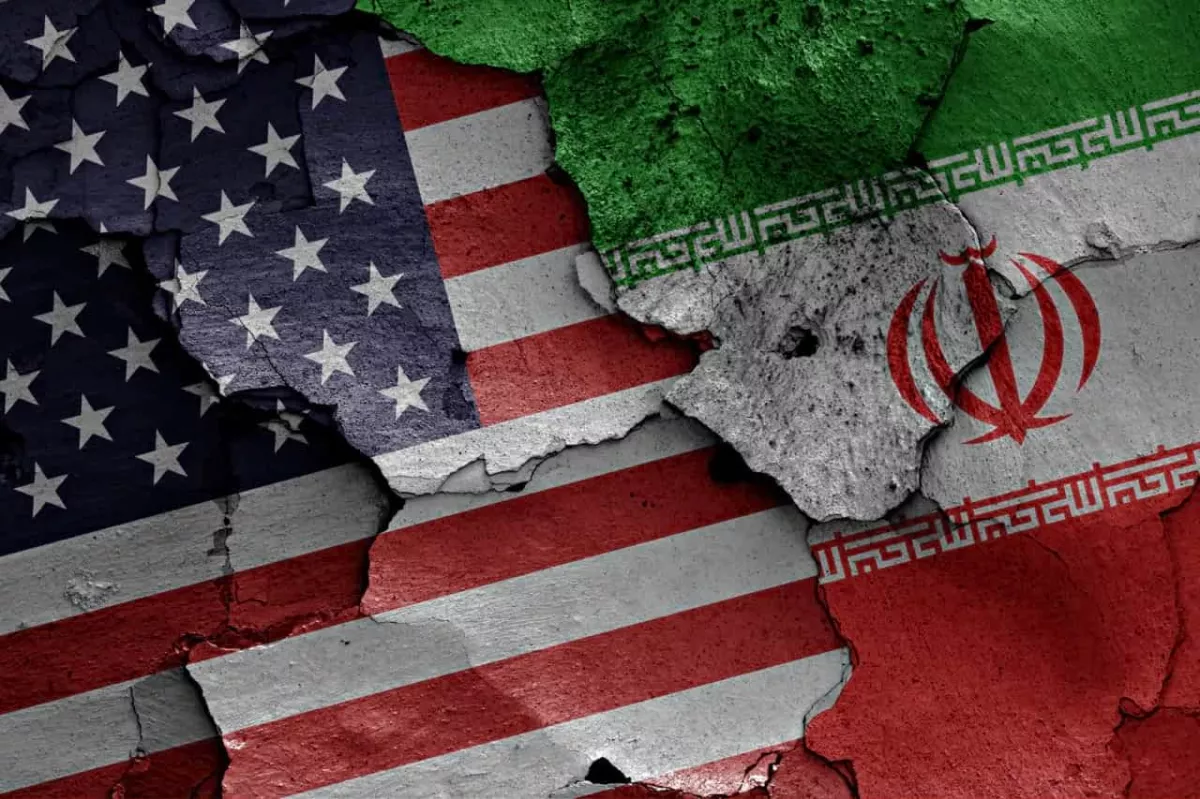
Sanctions on missiles
A particularly telling situation has emerged in the Middle East following the final collapse of the ceasefire between the United States and Iran in the first half of July. The Americans have effectively concluded that they lack adequate military means to destroy Iran. After all, the global hegemon cannot simply expend its entire arsenal on a single country and then leave itself vulnerable to other major powers and the sheer number of crises unfolding around the world. The depletion of US missile stockpiles, difficulties in rotating aircraft carriers in the region, and the destruction of a key US naval logistics base in Bahrain have all vividly illustrated the problem.

As a result, Washington has opted for economic warfare, seeking to strangle Iran through a blockade of its ports and sanctions. As US Defense Secretary Pete Hegseth put it bluntly on Monday: “If we need to use kinetic strikes, we'll use them [...] But economic pressure, we know, hurts them the most right now.”
Since the United States has long since exhausted its arsenal of direct sanctions against Iran, the economic war announced the other day is focused on secondary sanctions — that is, pressuring third countries to sever all ties with Iran. China and Russia are the primary targets.

On Monday, while presenting plans for the Operation Economic Outcast, US Treasury Secretary Scott Bessent stressed that the economic blockade of Iran must also target China: “They should be prepared to face U.S. sanctions, and no one is above this. We are going to hold everyone accountable. This is economic asphyxiation of this regime, and no one should test our resolve.” China is being pressured to stop buying Iranian oil above all. In theory, the idea may appear feasible to US officials. After all, Iranian hydrocarbon supplies are not particularly important to Beijing, which has diversified its energy sources. In practice, however, it has become clear that the Chinese do not want to set a precedent by making concessions to Washington on such issues.

Beijing has instead chosen to establish its own precedent — one of firmly refusing to comply with Washington’s demands. On Tuesday, just a day after the US announced its economic war on Iran, Chinese Foreign Ministry spokesman Lin Jian said: “Economic warfare and maximum pressure do not help resolve problems. They only further exacerbate contradictions and conflicts, spread risks, disrupt the global financial and economic order, and undermine the legitimate rights and interests of other countries. China’s cooperation with Iran is conducted consistently within the framework of international norms and must not be subject to interference or disruption. The Chinese side is closely following all developments and will take all necessary measures to safeguard its rights and interests.”
Washington has managed to get further with Moscow. Although there has been no official confirmation, it appears that Moscow, unlike Beijing, is willing to engage in talks with the Americans on the issue. Following the announcement of the economic war on Iran, the United States sent the CIA director to Moscow on Tuesday, apparently with the specific aim of persuading Russia, at the very least, not to obstruct Washington’s efforts to step up pressure on Tehran.
Washington and its allies have good reason to believe that the Kremlin may be willing to do so. The current Russian leadership — albeit with reservations — has regularly participated in Western pressure campaigns against Iran over the past quarter-century. For today’s Russia, closer ties with Tehran have generally been more of a temporary departure from its traditionally cool policy toward Iran. Moreover, Moscow’s willingness to pressure Iran in order to reach agreements with the West on other issues has consistently gone hand in hand with maintaining loyal, if not friendly, relations with Israel.
More importantly, Washington had also taken note of a statement issued by the Russian Foreign Ministry on August 19, in which Moscow firmly opposed one of Iran’s key positions in its confrontation with the United States — control over the Strait of Hormuz. Although Tehran granted Russian vessels, along with Chinese and Iraqi ships, the right of free passage from the very beginning, Moscow called for freedom of navigation through the Strait of Hormuz in general. In other words, it sided with Tehran’s opponents.
Missiles vs. sanctions
Iran has taken a diametrically opposite approach to that of the United States. It is finding it difficult to cope with economic pressure. The country has adapted to such hardships since the 1979 revolution, but its situation has become particularly difficult after two wars with the United States and Israel.
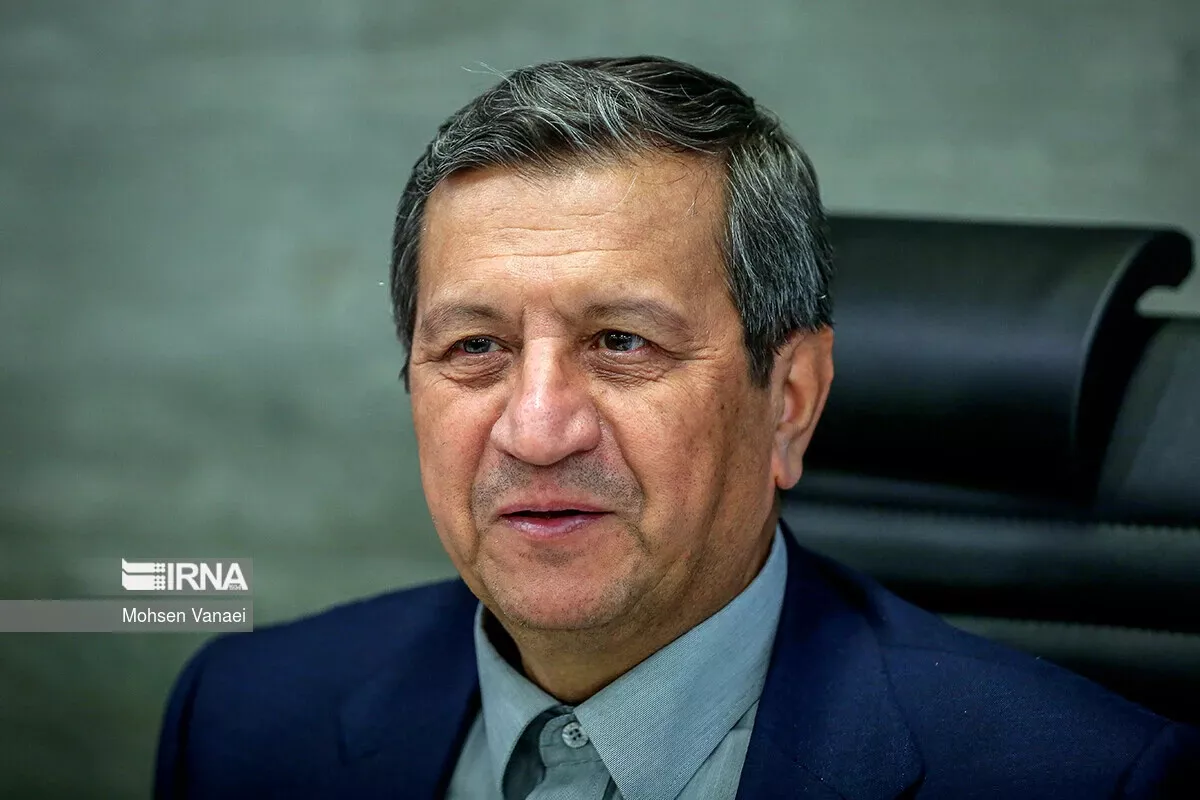
For example, just a week earlier, on August 19, Abdolnaser Hemmati, governor of the Central Bank of Iran, reported that Iranian oil exports had almost completely come to a halt. He stressed that foreign-currency reserves were available and that “there is no need to worry about supplies of essential goods and medicines. The Central Bank and the government are ensuring them.”
The Iranian economy has been under sanctions for decades. And the arbitrary and sweeping sanctions imposed by Western countries have led to the emergence of a parallel economy beyond the West’s control. Nevertheless, Iranians are now feeling the effects of the latest US pressure particularly acutely.
After the outbreak of the current conflict, Iran has, for the first time since the 1980s, been hit by widespread power shortages. Yes, such shortages are commonplace in a number of Middle Eastern and Central Asian countries — including some that have not been at war for decades. But in Iran, reliable electricity was part of the basic standard of living guaranteed by the government across the country. This was particularly striking when, over the past few decades, one travelled from Iraqi Kurdistan, Pakistan or Afghanistan into the bordering areas of Iran — admittedly, some of them quite remote and peripheral. Suddenly, there were decent roads and a reliable supply of electricity at the flick of a switch.

In recent months, electricity in Iran has been cut off not just occasionally, but on a regular basis, with outages lasting several hours at a time. And this is happening not only in remote areas, but in the very heart of the country. Even in Tehran, power was regularly cut for a couple of hours during this sweltering summer. In major cities and industrial centres such as Kashan, the outages have lasted not just a couple of hours, but considerably longer.
Against this backdrop, the Iranian leadership is relying on military means in its confrontation with the United States. Immediately after the US announced its economic war and sanctions against Iran, the Islamic Revolutionary Guard Corps (IRGC) pledged to respond with strikes against vital US interests in the region and key energy infrastructure if Iran’s own infrastructure came under threat. Certain features of the current situation work in favour of this strategy.
The problem is that the United States launched its economic blockade in a situation of “neither war nor peace,” giving Iran an opportunity to exploit the uncertainty and continue launching drones and missiles at the territories of neighbouring countries. And there is no shortage of targets. In the immediate vicinity of Iran’s borders, there are not only US military installations. Iranian drones and missiles can easily strike vital communications infrastructure and economic hubs in the Arab states allied with the United States.
The first strike, as is well known, hit the easiest and most consequential target — the Strait of Hormuz. The Americans have failed to neutralise the Iranian threat to this globally vital maritime artery. Doing so would require a large-scale amphibious landing along Iran’s extensive coastline. Precision strikes alone will not work against the motivated, trained and well-equipped armed forces of a major state. This is not a matter of dealing with insurgents or the army of thieves and looters that served the Assad regime in Syria.
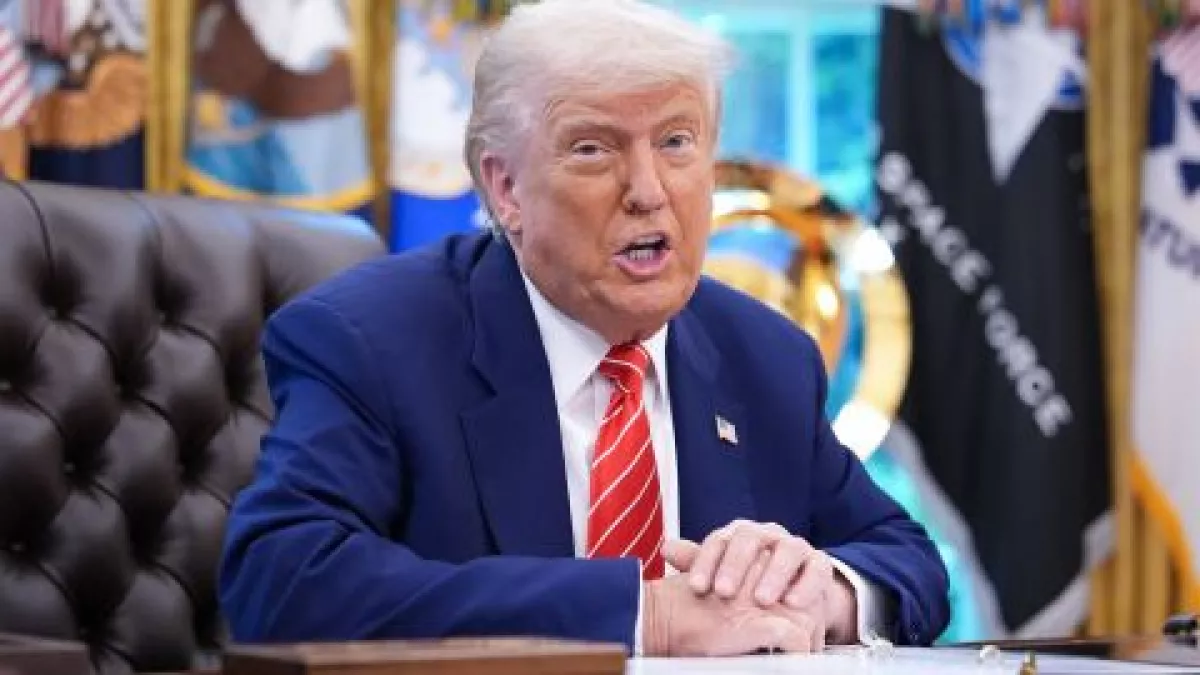
At the beginning of this week, Trump, of course, declared that the Strait of Hormuz had been fully cleared of mines, after Iranian forces had mined it starting in early March. He said that “Iran has been notified that any ship or boat placing new mines will be immediately and systematically destroyed.” However, given the heavy traffic through the strait even during the blockade, preventing new mines from being laid from civilian vessels is virtually impossible.
And creating obstacles to navigation does not require mining every shipping lane or destroying every vessel attempting to pass through the strait. It is enough for a vessel to hit a mine from time to time or take a missile strike to its hull. For example, US officials said last week that 15–20 vessels a day had begun regularly passing through the southern corridor of the Strait of Hormuz under US military protection. Last weekend, they managed to increase traffic through the corridor to around 40 tankers a day, carrying some 16 million barrels of oil.
Is that a lot? Before the US-Israeli war with Iran began, around 100 commercial vessels passed through Hormuz every day without any protection whatsoever. And, once again, the merchant fleet will not be willing to take the risk even if a certain number of vessels manage to pass through unharmed. Periodic incidents are enough to wipe out any optimistic statistics. For example, immediately after the US announced that escorted shipping through the strait was being successfully restored, an Iranian missile seriously damaged a Greek tanker attempting to circumvent the restrictions on the night from Monday to Tuesday.
US and Iran could keep fighting for years
The current stalemate, in which both sides have their own means of exerting pressure on the other but neither can gain the upper hand, could last for years. And this is not about the fiery rhetoric coming from Tehran or Washington’s stubbornness. It is about the very real capabilities available to both sides.
Last weekend, the Iranians showcased one of their missile production facilities, where, almost casually, a solid-fuel mixing unit could be seen in the background. Solid fuel is what gives missile units greater mobility, making the launch process faster and safer. This is why US and Israeli forces have hunted down such equipment in recent years, seeking to eliminate it as a critical link in Iran’s missile production chain. These units are not only bulky but also require special operating conditions. It was believed that the Americans and Israelis had succeeded in destroying them. But it appears too early to speak of complete success. It is no coincidence that US sources have acknowledged in recent months that Iranian missile production has not only continued but actually accelerated.
This means that Iran and the United States, along with their allies, could keep firing missiles at each other for years, while in the process laying waste to the entire Persian Gulf region.
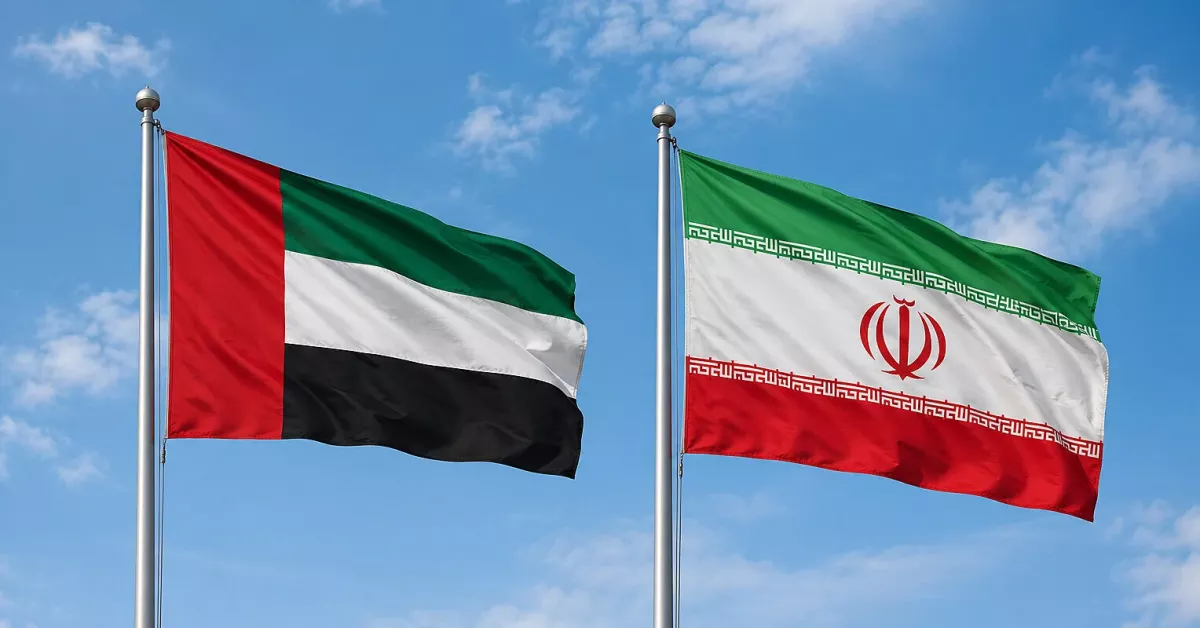
In response, one regional country, the United Arab Emirates (UAE), has opted for confrontation. Even before the United States announced its economic war, the UAE authorities suspended trade and financial transactions with Iran on August 19. This is particularly notable given that, over the past several decades, the Emirates have quite successfully sought to position themselves as a “new Switzerland” — a neutral platform and safe haven for people and their capital. This was especially important for sanctions-hit Iran: as recently as this spring, one-third of all Iranian imports passed through the Emirates. In June, reports emerged that Iranian assets worth $10–20 billion might be unfrozen, but the UAE authorities subsequently denied that they had unfrozen or transferred any such funds to Iran.
The Emirati authorities say they were prompted to reconsider their policy toward Iran by the launch of two Iranian missiles at UAE territory — the first such attack since April. Tehran denies this, and there is no clear picture of what happened. However, the speed with which the UAE made such a radical policy shift — on the morning immediately following the August 18 incident — does raise questions, particularly given the limited scale of the incident: one missile failed to reach its target, while the other fell in territorial waters. In light of Washington’s subsequent moves and the UAE’s close ties with both the United States and Israel, the whole episode looks less like a spontaneous reaction of outrage and more like coordinated allied preparatory fire ahead of Washington’s subsequent declaration of economic war on Iran.
It should also be noted that the UAE occupies a distinctive position in the region. To put it mildly, it tends to stand apart and, among other things, competes with the emerging axis of Riyadh–Doha–Ankara–Islamabad. It is therefore unsurprising that the UAE initiative has found little resonance across the region. Other countries have preferred to seek less confrontational solutions.
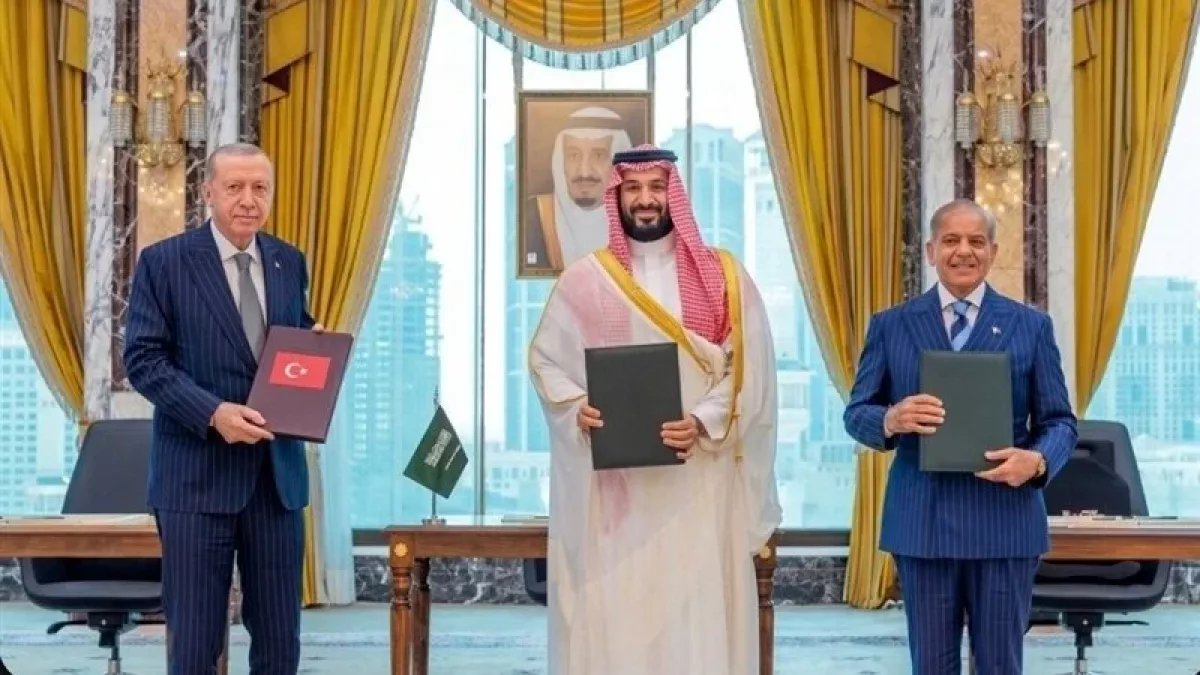
Last Sunday, an Iranian official stated that his country had been invited to join the Mecca Agreement. The Iranian authorities had initially welcomed the initiative by Türkiye, Saudi Arabia and Pakistan on collective defence. Mehdi Rahimi, director of the Iranian parliament’s news agency, told the Lebanese Al Mayadeen channel that Tehran was considering the invitation to participate in the Mecca defence pact and was ready to join it. According to him, Iran itself had long called for the creation of such a regional alliance.
Later, however, Iranian Foreign Ministry spokesman Esmaeil Baghaei clarified that what was being discussed was merely an offer to engage in security dialogue, rather than full-fledged membership in a military alliance.
Adding an intriguing twist to the story is the fact that US President Trump has also backed the Mecca Agreement. It is highly likely that the visit by Pakistan’s senior military leadership to Tehran last weekend was connected to this invitation.
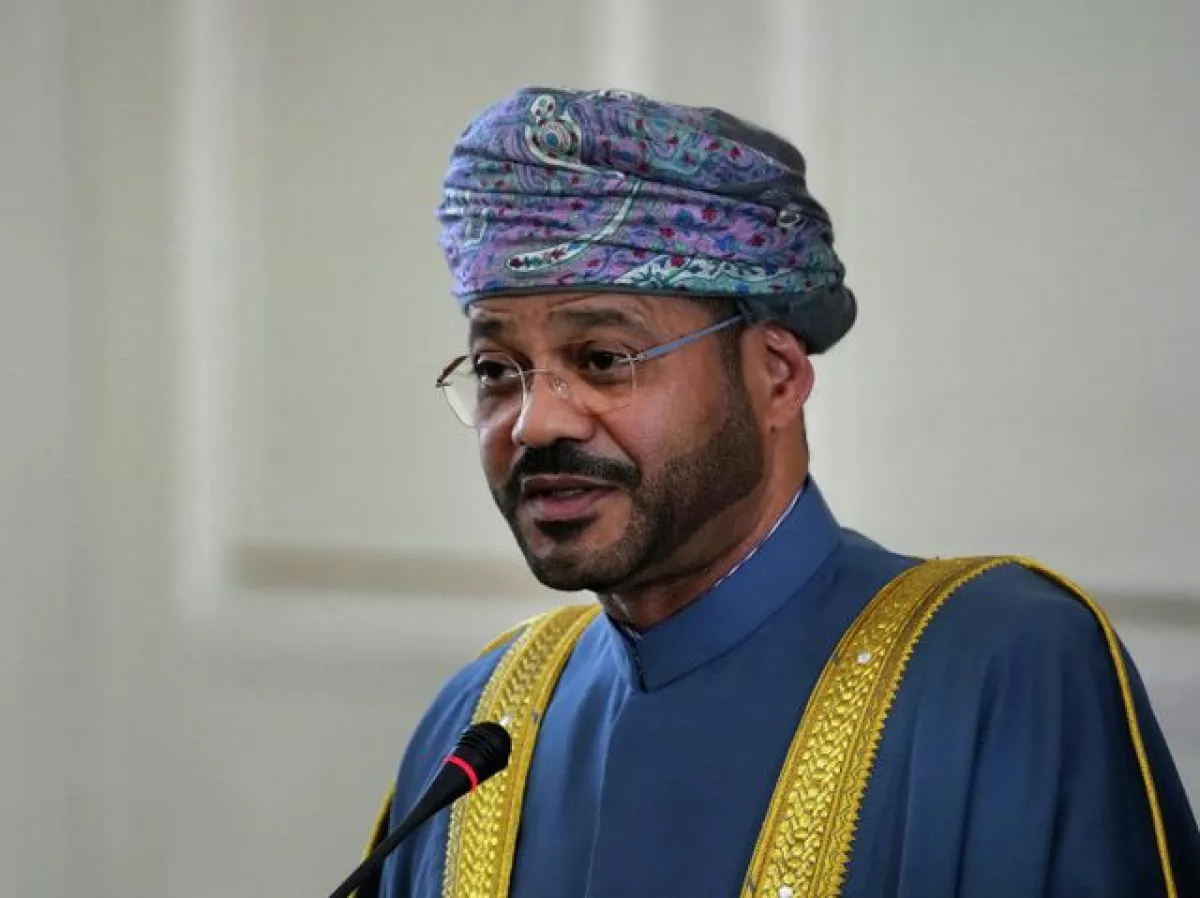
On Tuesday, Oman announced progress toward an agreement with Iran on a shipping corridor through the Strait of Hormuz. Omani Foreign Minister Badr al-Busaidi said that discussions on navigation issues with other countries in the region would begin soon. Naturally, this would put an end to Iran’s current practice of unilateral interference with shipping in Hormuz. At the same time, however, it would prevent the United States from continuing its blockade of Iranian ports, helping to break the current deadlock that is proving so damaging to all the surrounding states.
The importance of these regional efforts is growing because the Americans themselves are struggling to find a political solution. As President Trump recently said, the difficulties in reaching a peace agreement with Iran are linked to the destruction of the country’s top leadership. In a recent interview, he said: “Part of the problem is that so many of the leaders are gone; it's not easy to make a deal. Nobody knows who's leading.”
His remarks are a telling illustration of how resorting to military means without a clear political strategy can only make an already difficult situation worse.
In conclusion, it is important to emphasise that Middle Eastern states are now seeking solutions to the problems arising from the US-Iran confrontation not in opposition to Washington and not against Iran. They are doing so amid the chaos that has engulfed the region. This chaos stems from the apparent inability of either the United States or Iran to resolve their differences in the region through political means.
Oman, Saudi Arabia, Türkiye and Pakistan — the states that have been working most actively in recent months to overcome the blockade of the Strait of Hormuz and prevent further escalation — cannot be described as anti-American. At the same time, however, they have refused to participate in US attacks on Iran. More broadly, they have rejected the logic that has shaped international relations in recent decades, whereby countries defined their foreign-policy positions primarily through their relationship with the West. In this sense, even Iran was not an alternative to the United States so much as its antithesis.
Yet it is precisely these countries that are now creating new structures for the Middle East. It is no coincidence that both Tehran and Washington are beginning to take notice of their ideas, at times paradoxically endorsing what is, in essence, the same approach.
After all, no number of economic sanctions and no arsenal of missiles can compensate for a simple lack of ideas in Washington and Tehran about how to escape a US-Iran confrontation that offers little prospect of resolution but poses an enormous danger to the entire region.







 editor@caliber.az
 +994 55 444-88-98
 Азербайджан, Баку, ул. Низами, 203, Af Business House, 5-й этаж