










CFA franc and the legacy of French colonialism in Africa All Africa article
A recent article published by AllAfrica has reignited debate over the CFA franc system, arguing that discussions surrounding the currency often miss the central issue of monetary sovereignty in African states.
“The debate surrounding the CFA franc is constantly being conducted in the wrong arena, while the central question remains why the monetary policy of fourteen sovereign African states is still tied to decisions made in France,” the article says.
The material notes that most discussions about the CFA franc focus on issues of monetary stability and the advantages of pegging the currency to the euro; however, the key issue is the question of monetary sovereignty of African countries.
The author recalls that the CFA franc was created in 1945 as a mechanism to maintain French economic influence over African territories. It is noted that France guaranteed the currency’s convertibility, member states deposited part of their foreign exchange reserves into an operations account at the French Treasury, and French representatives sat on the governing boards of the two central banks managing the currency. The exchange rate, meanwhile, was fixed.
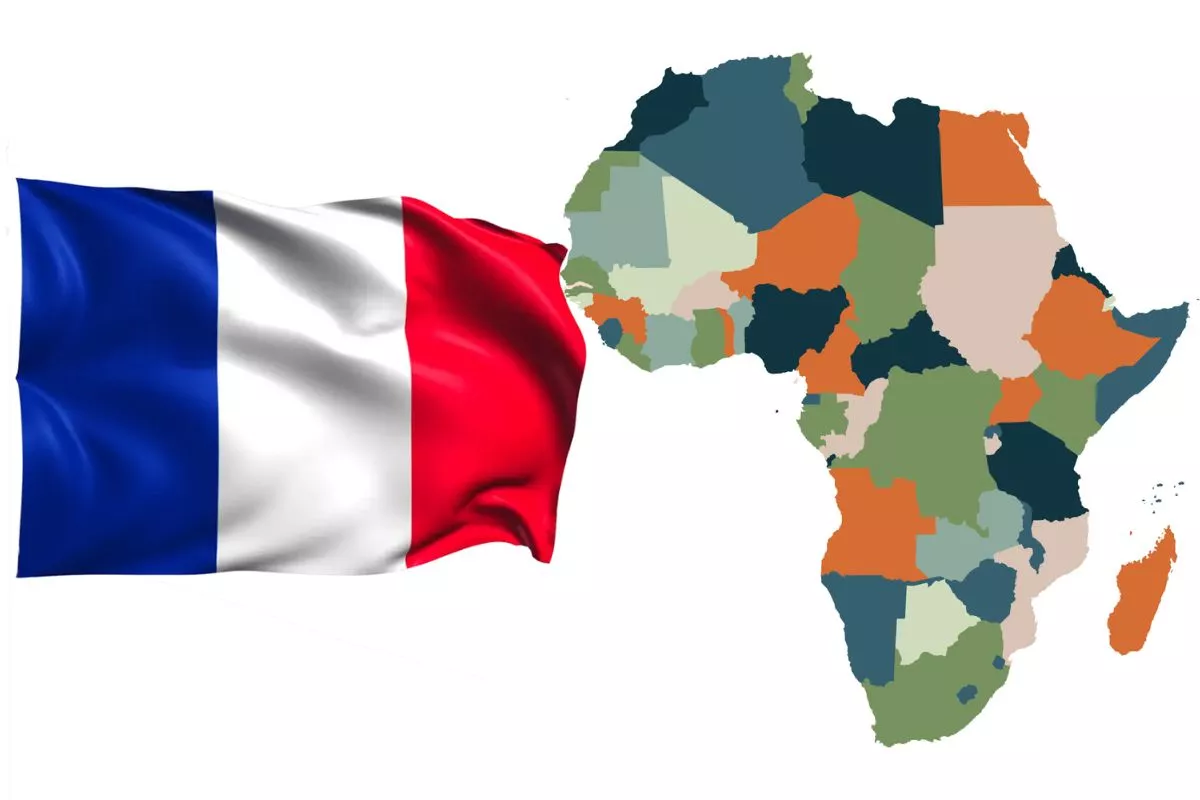
As early as 1980, economist Joseph Tchuindjang Pouemi wrote in his book Monnaie, Servitude et Liberté (Monetary Policy, Servitude and Freedom) that monetary policy is not a technical issue but a political one. In his view, every choice regarding the exchange rate, every decision on reserve requirements, and every condition attached to credit reflects a decision about whose interests will be protected and whose development may be enabled or constrained.
The author of the article emphasises that the CFA monetary arrangement was not designed to promote Africa’s development. Rather, it was intended to ensure the stability of the French monetary system and preserve France’s access to trade with its former colonial territories after they gained independence.
In his view, exiting the monetary union is extremely difficult, as it requires either a collective decision by several states or a costly and potentially destabilising unilateral withdrawal. This is why the issue of exit has long remained on the margins of the political agenda.
The article also notes that the situation began to change following the rise to power of military governments in Mali, Burkina Faso, and Niger. Having united in the Alliance of Sahel States, they made withdrawal from the CFA franc zone an official goal and, in December 2025, created a confederative financial structure to prepare their own currency, temporarily called the “Sira.” The author stresses that as of 2026, these countries continue to use the West African CFA franc, and the creation of a new currency remains a political project whose implementation may take years.

The article states that the system remains beneficial for France. It preserves economic and political influence in the region, as well as a stable currency zone open to French businesses. However, according to the author, the issue is not whether the CFA zone is important for Paris, but rather that, because of this system, African countries are deprived of their monetary autonomy.
The article notes that the argument in favour of African monetary sovereignty is the creation of a monetary system that would serve the development needs of African economies, rather than the preferences of an external power. The author argues that a country with full monetary sovereignty can respond independently to shocks, adjust interest rates according to domestic conditions, and use its own reserves to stimulate economic development.







 editor@caliber.az
 +994 55 444-88-98
 Азербайджан, Баку, ул. Низами, 203, Af Business House, 5-й этаж