










Euronews on Azerbaijan’s social media ban for under-16s PHOTO
Social media addiction, low self-esteem and cyberbullying are having documented psychological effects on teenagers. Unlike traditional bullying, online harassment can follow children into their homes, making it much harder to escape, according to Euronews.
Azerbaijan has joined a growing list of countries imposing social media restrictions on minors, passing a law that bars under-16s from platforms at a time when governments worldwide are questioning whether the digital industry can regulate itself.
Australia became the first country to implement a nationwide social media ban for children under 16.
France has tightened its laws on the age of digital consent, the UK passed the Online Safety Bill, and the EU has been increasing pressure on technology companies.
Now Baku has decided to move in the same direction.
Social media addiction, self-esteem problems and cyberbullying are producing documented psychological consequences among teenagers. Unlike bullying, online harassment follows children into their homes and is harder to escape.
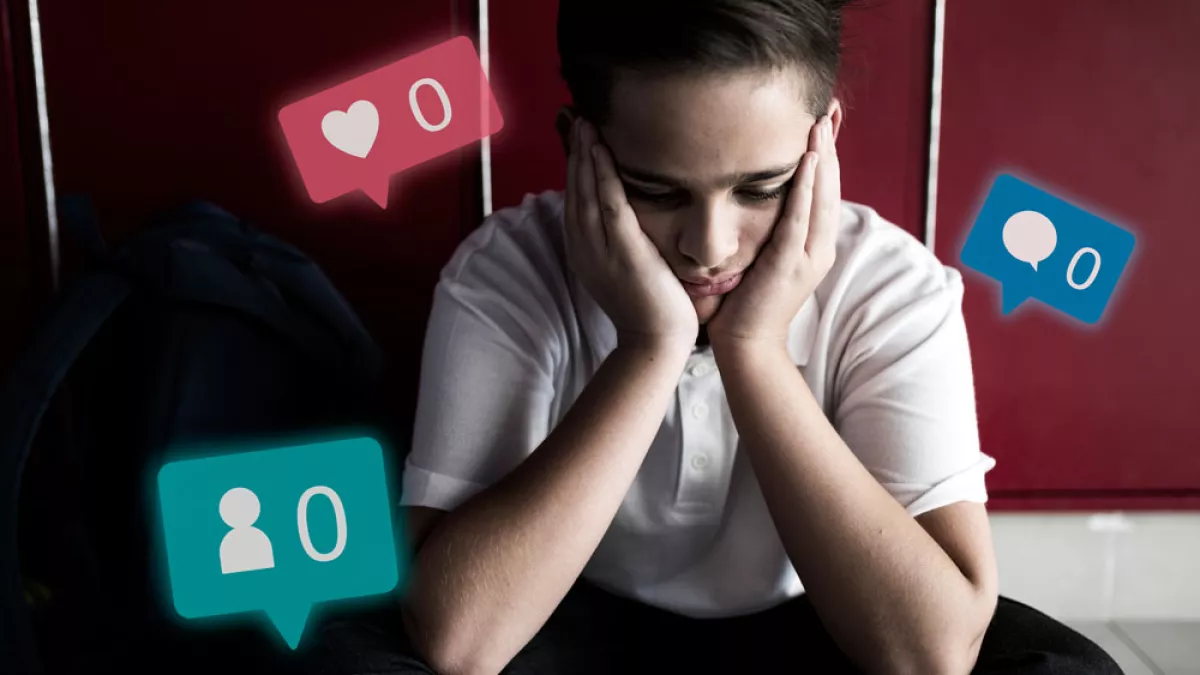
Narmina Ismayilzada, a child and adolescent psychologist with 16 years of experience, told Euronews teenagers exposed to digital bullying frequently develop "a very strong sense of shame, decreased self-confidence, and anxiety," leading to social isolation and school avoidance.
She supports state-level age restrictions but warns that a ban alone will not solve the underlying problems.
"Prohibiting something at this age can create reverse psychology," Ismayilzada said.
"Children show more interest in what is prohibited and may try to use these things in hidden ways," she pointed out.
"If parents forbid something without explaining the reasoning behind it, children simply hide their actions. A healthy approach requires supervision paired with mutual trust and open dialogue."
She said algorithmic feeds exploit adolescents' heightened sensitivity to physical appearance and social acceptance, damaging attention spans and academic motivation.
"Concentration problems and divided attention are among our most serious issues today. It makes them more aggressive and impulsive," Ismayilzada said.
"When children compare themselves to idealised images on social networks, it naturally leads to self-confidence problems, body-image dissatisfaction, and, in worst cases, depressive symptoms."
The solution, she said, begins at home. "How a parent bonds with their child is crucial. If a proper emotional connection is established, then every word the parent says will be accepted normally by the adolescent," Ismayilzada said.
How to teach children to use the internet safely
The debate among politicians and psychologists looks different from the perspective of teachers. VPNs and fake birth dates are widely used by children, and the gap between legislation and technical enforcement remains significant.
Kamala Dadashova, an informatics and digital skills teacher at School No. 161, said the ban addressed real problems she observed every day — peer comparison, "like" dependency, cyberbullying and disrupted sleep — but questioned whether restriction alone was the right frame.
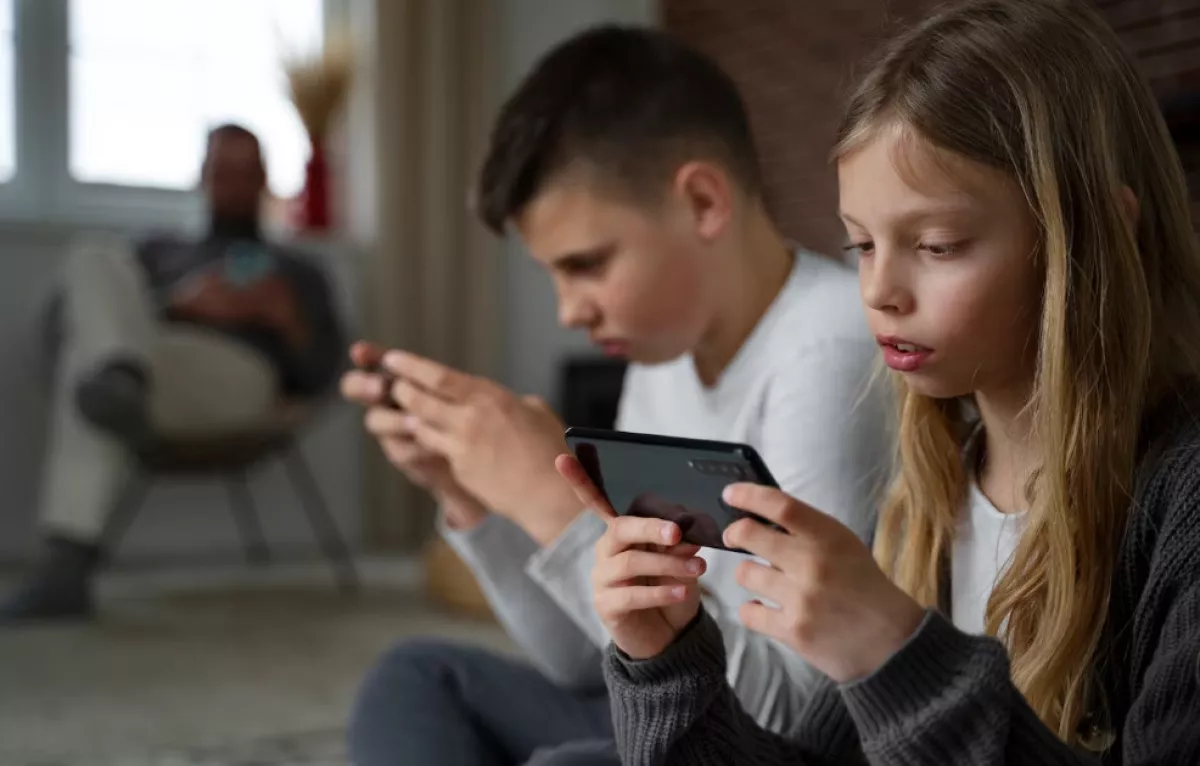
"The aim should not be to distance children from the internet, but to prepare them to use it safely," Dadashova told Euronews. "In the 21st century, escaping the digital environment is impossible; the priority is making it safer."
"Furthermore, it is wrong to place the entire burden solely on the child or the parents. Platforms themselves have an obligation to create safe environments for minors," Dadashova said.
She said schools needed to go beyond restricting access. "Schools should focus on replacing screen time with meaningful digital activities, such as programming, robotics, and media literacy clubs," Dadashova explained.
"While a social media ban can offer positive effects, the real solution lies in cultivating healthy digital behaviour and real-world communication skills."
What do digital platforms actually do?
Laman Nazarova, a geopolitical analyst at the Caspian Analytical Centre, argued that the legislative push reflected a broader reassessment of what digital platforms actually do.
"Platforms have become one of the main environments where children acquire language, values, and social norms," Nazarova told Euronews.
These functions previously belonged to families and schools, she added. "Governments have begun to recognise that digital platforms do not merely transmit information. They organise social experience, and they shape habits before beliefs, and attention before judgment."
Nazarova described recent legislation as an attempt by states to rebuild protective barriers around childhood that digital feeds had dismantled.
"From this perspective, the proposed age limit in Azerbaijan reflects a transformation in the way states understand their role," she said.
The practical test of Azerbaijan's law, experts agree, will come after its adoption: whether the restrictions can be enforced in practice, and whether they are accompanied by the education and support structures needed to change behaviour rather than simply push it underground.







 editor@caliber.az
 +994 55 444-88-98
 Азербайджан, Баку, ул. Низами, 203, Af Business House, 5-й этаж