










How much has Iran war added to your petrol bill?
Petrol prices have risen in at least 145 countries since the United States and Israel began their war on Iran six months ago, adding to pressure on consumers worldwide, according to data from GlobalPetrolPrices cited by Al Jazeera.
The data, which tracks fuel prices in 170 countries and territories, showed Myanmar recorded the largest increase, with the price of 95-octane petrol rising 56% from $0.77 per litre on February 23 to $1.20 on August 17.
Bhutan recorded the second-largest increase at 55%, followed by Cuba at 51%, the United Arab Emirates at 50% and Nigeria at 48%.
In 25 other countries, most of them oil producers with heavily subsidised fuel, petrol prices either remained unchanged or fell by single-digit percentages.
In the United States, the national average price of regular petrol rose to $4.09 per gallon from $2.94 before the war, an increase of 39%, according to AAA Fuel Prices.
The increase has also reduced the amount of driving that the same amount of money can cover. Before the war, $50 of petrol could take a family sedan about 718 km, compared with around 536 km today, a reduction of roughly 25%.
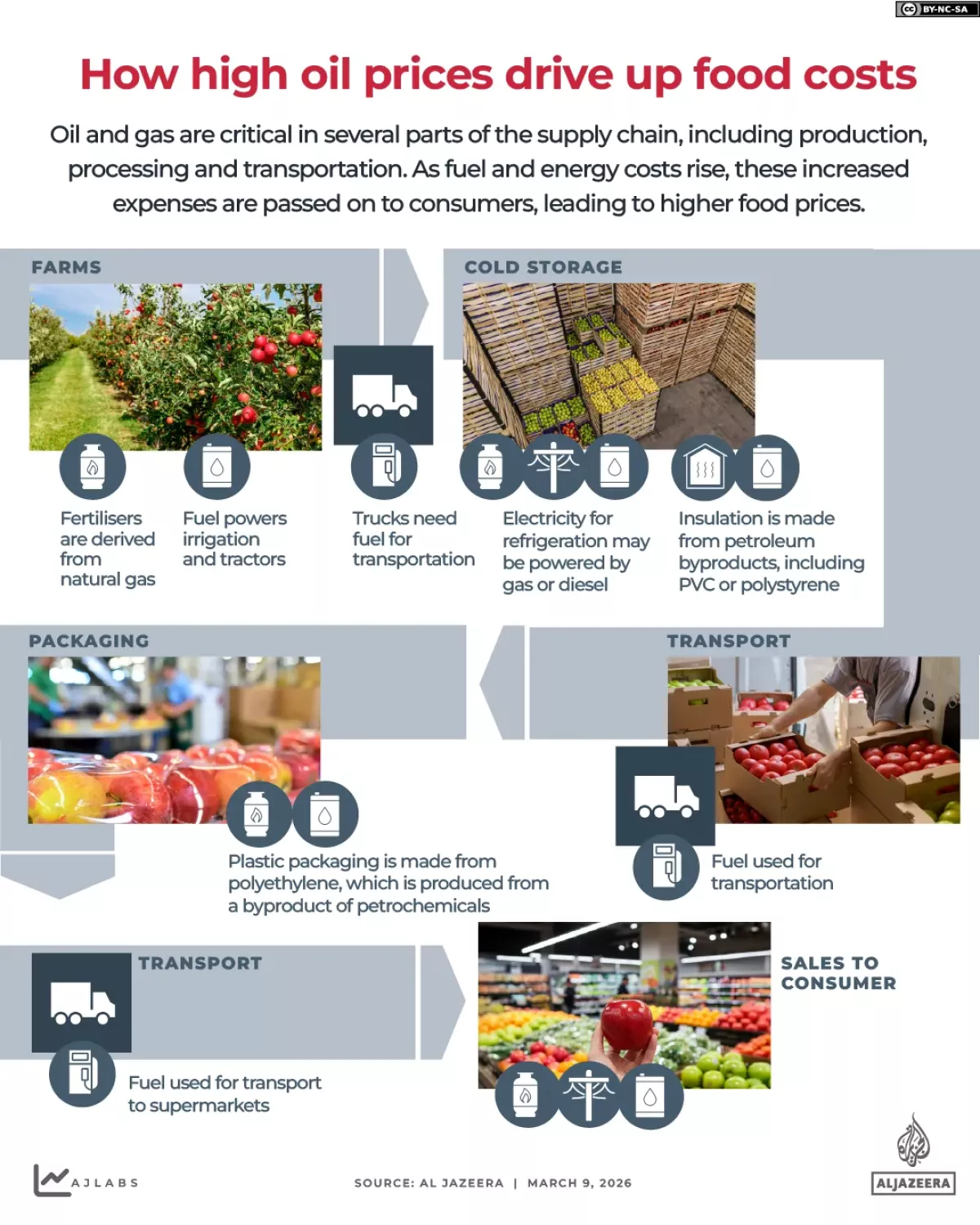
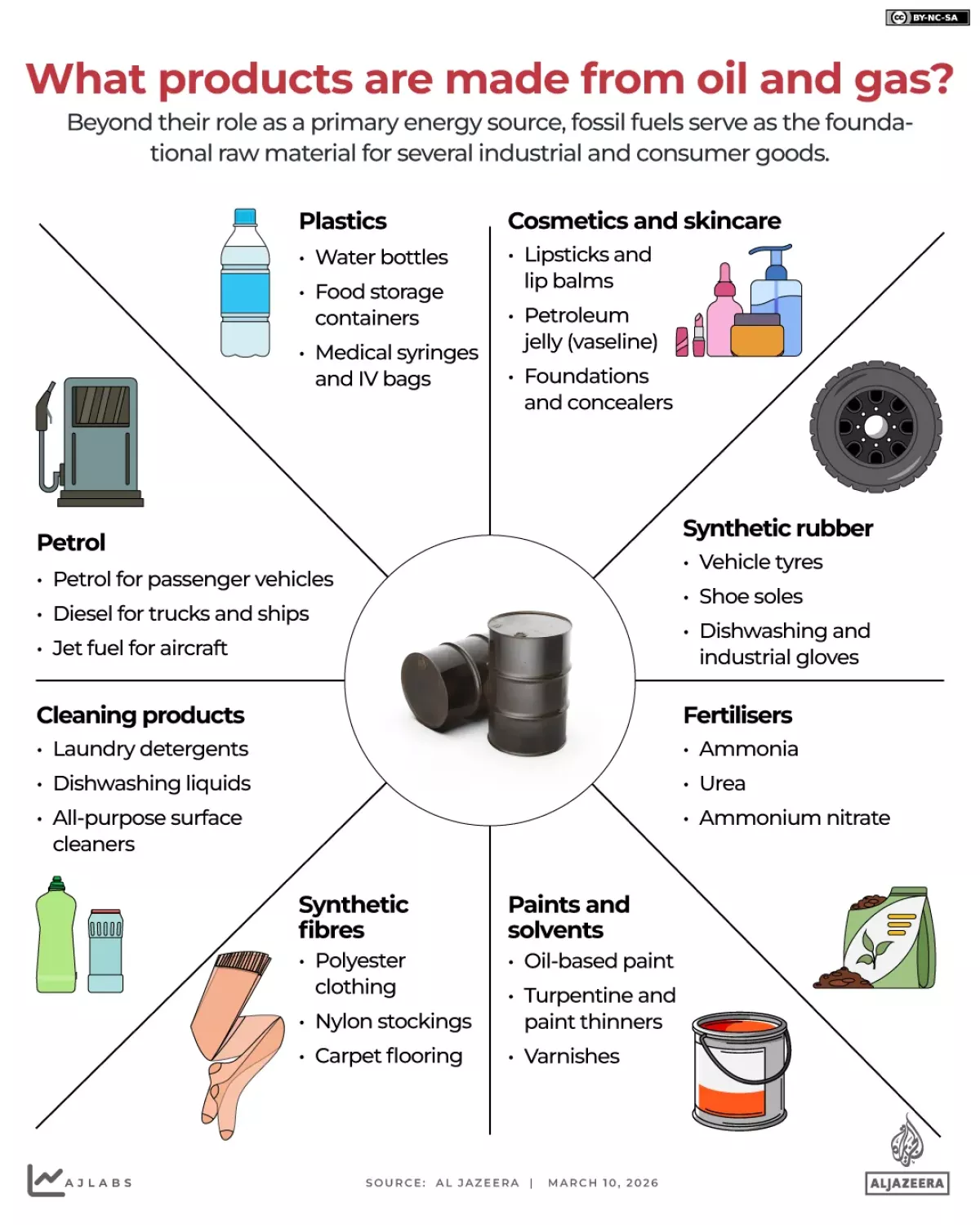
Higher oil prices can also feed into food costs by increasing expenses across the supply chain, including fertiliser production, transport and shipping. Oil and gas are also used as raw materials in a wide range of products, including plastics, synthetic fabrics, cosmetics, detergents and paints.
Economist David McWilliams told Al Jazeera that transport is central to the global economy, with higher energy costs affecting logistics and supply chains.
The impact can be particularly significant in lower-income countries, where households spend a larger share of their income on food and many countries rely on imports of grain and fertiliser.
By Aghakazim Guliyev







 editor@caliber.az
 +994 55 444-88-98
 Азербайджан, Баку, ул. Низами, 203, Af Business House, 5-й этаж