










Israel accused of complicity in settler demolition of Palestinian homes near Jericho PHOTO
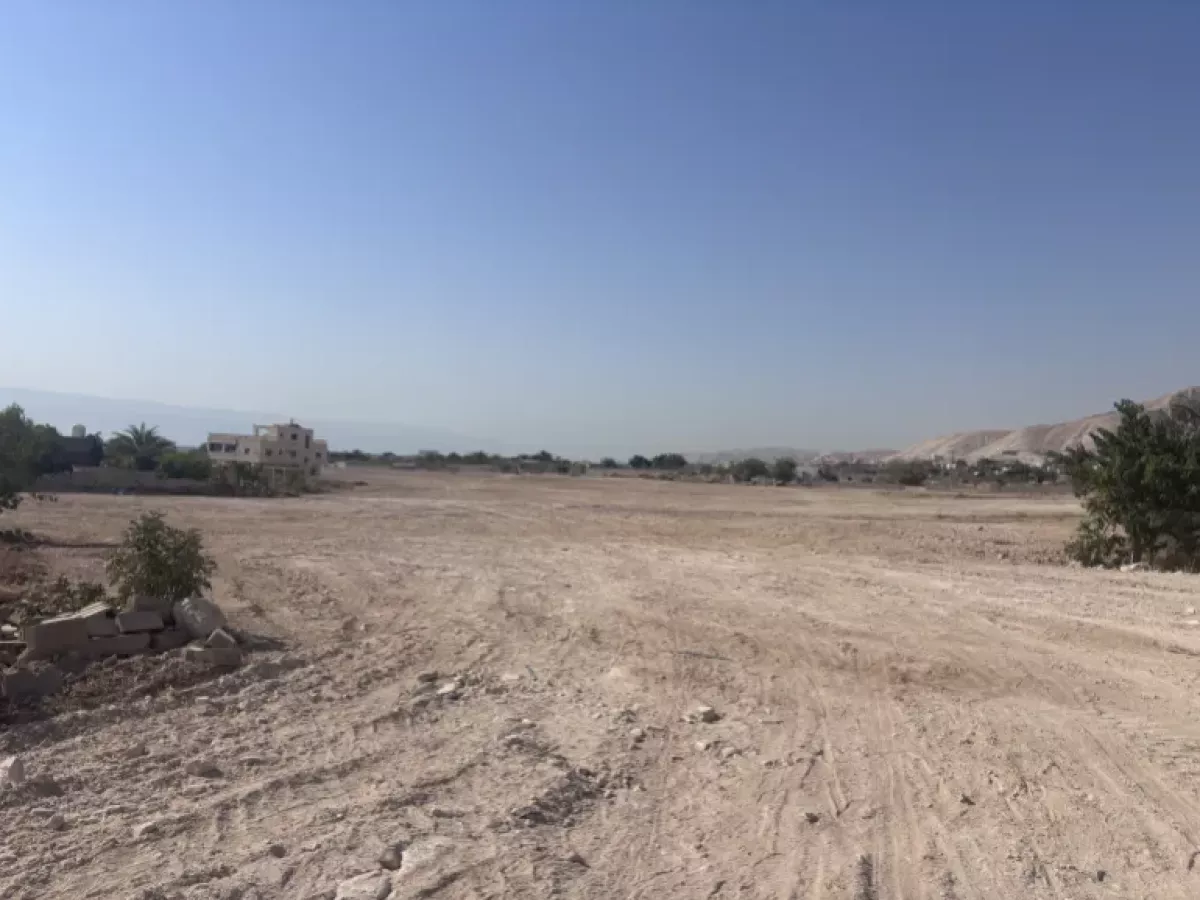
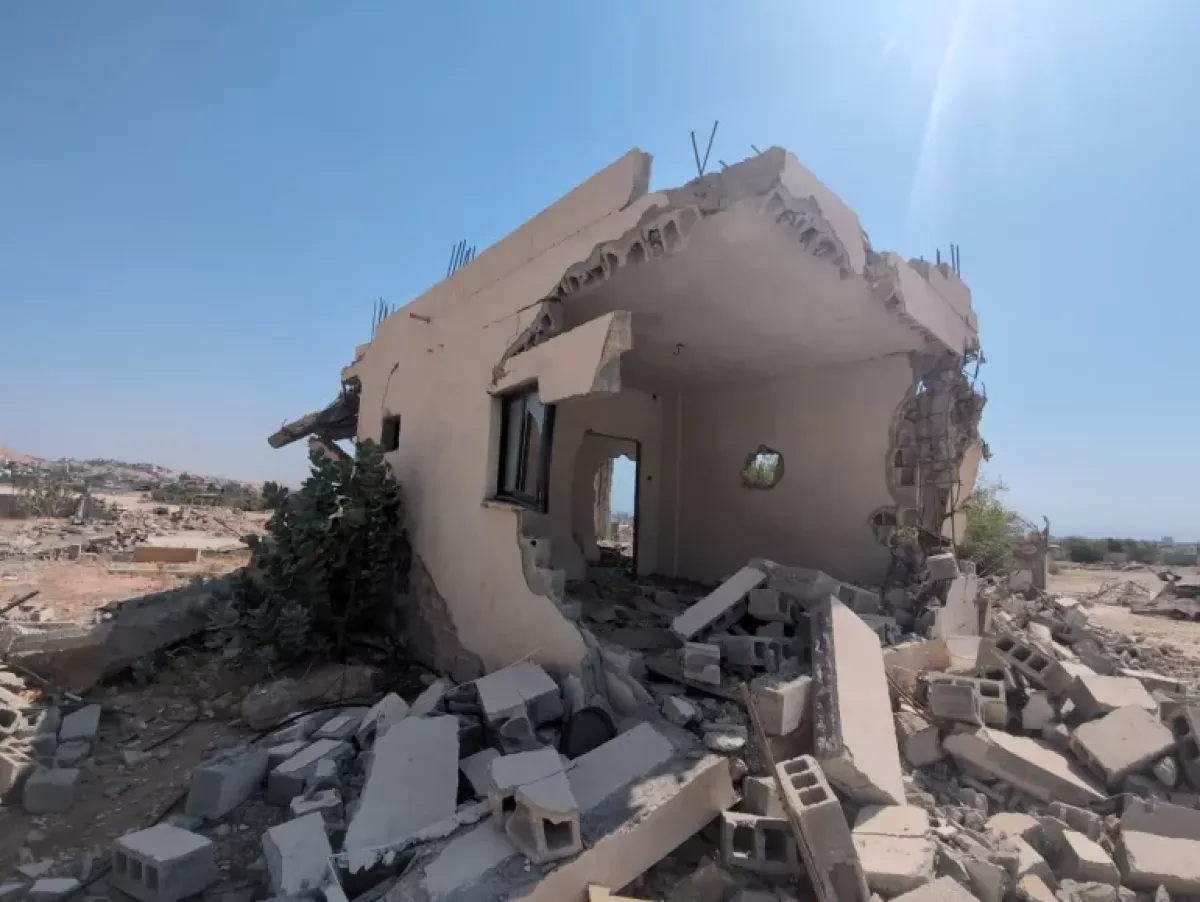
Palestinian residents of Ein al-Duyuk say a campaign of demolitions by Israeli settlers has left homes destroyed, families displaced and large areas of land flattened, while Israeli soldiers have escorted the machinery carrying out the work.
The demolitions resumed on July 19, when settler Hanan Herbst arrived with a bulldozer, ostensibly to clear rubble left after a February attack on the community. Residents and activists say the operation quickly expanded, damaging or destroying additional houses, gardens, orchards and access routes.
According to Israeli state filings obtained by Al Jazeera, Herbst had an agreement with the Settlement Division of the World Zionist Organization to cultivate land designated by Israel as state land. Following the February violence, the Binyamin Regional Council asked the Civil Administration to allow him to remove building waste, and the request was approved.
The Jordan Valley Brigade commander subsequently authorised a military escort for Herbst, according to the state’s account.
Palestinian lawyer Tawfiq Jabareen, who petitioned Israel’s High Court over the demolitions, accused the authorities of using the settler to circumvent court protections.
“The settler has demolished, and continues to demolish, buildings and uproot trees, despite the existence of restraining orders from the court in Jerusalem barring the army from demolishing them,” Jabareen said.
He argued that the arrangement effectively blurred the distinction between state authorities and settler groups.
The dispute follows a February 10 attack in which Palestinian residents said masked settlers entered the area, expelled families and demolished homes. Ali Kaabneh, a Bedouin resident, said 13 families were driven from their homes during the violence and that his 150 sheep scattered.
Herbst’s outpost, Armonot Farm, was initially established without Israeli authorisation in 2024 but was formally recognised by the Israeli cabinet in March under the name Daya.
Residents say they fear the latest demolitions could permanently alter the area and facilitate agricultural use by settlers.
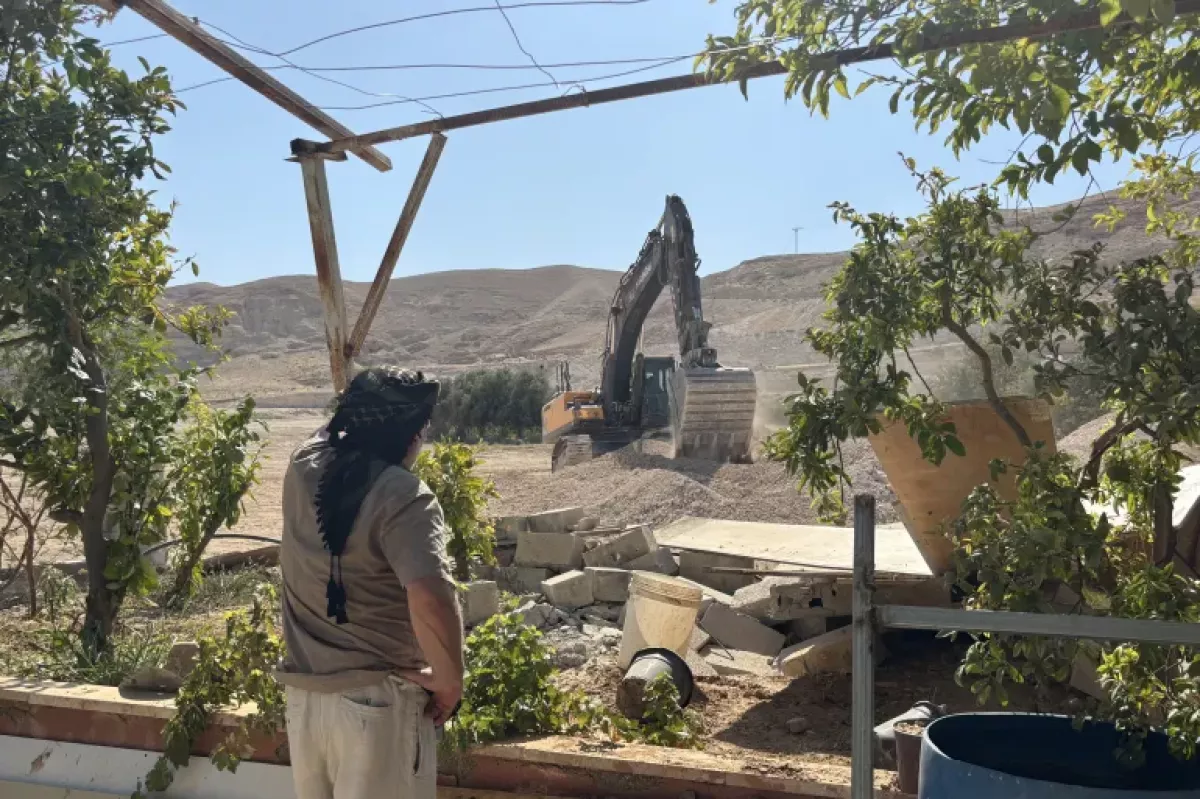
For displaced resident Mohammad Salah, the consequences are deeply personal. He has moved his wife and four children to a rented apartment in Bethlehem while returning to his damaged home when possible.
“I feel like I’m weak,” Salah said. “In front of my son, I’m weak – I can’t protect him, I can’t get him back to his home.”
By Aghakazim Guliyev







 editor@caliber.az
 +994 55 444-88-98
 Азербайджан, Баку, ул. Низами, 203, Af Business House, 5-й этаж