










Kabul, Baku and Central Asia: outlines of a new partnership Afghan media article / PHOTO
The Afghan news agency AVA Press has published an article by Milad Azizi devoted to cooperation between Afghanistan, the countries of Central Asia, and Azerbaijan. Caliber.Az reprints the article with minor adaptations.
The recent rapid developments in the Middle East and its surrounding regions have not only changed some political equations, but have also brought signs of the formation of new patterns of cooperation among regional actors. In such circumstances, the regional meetings between Afghanistan, Central Asian countries and Azerbaijan can be evaluated within the framework of the gradual rearrangement of the regional order and the actors’ efforts to define their new roles and positions.
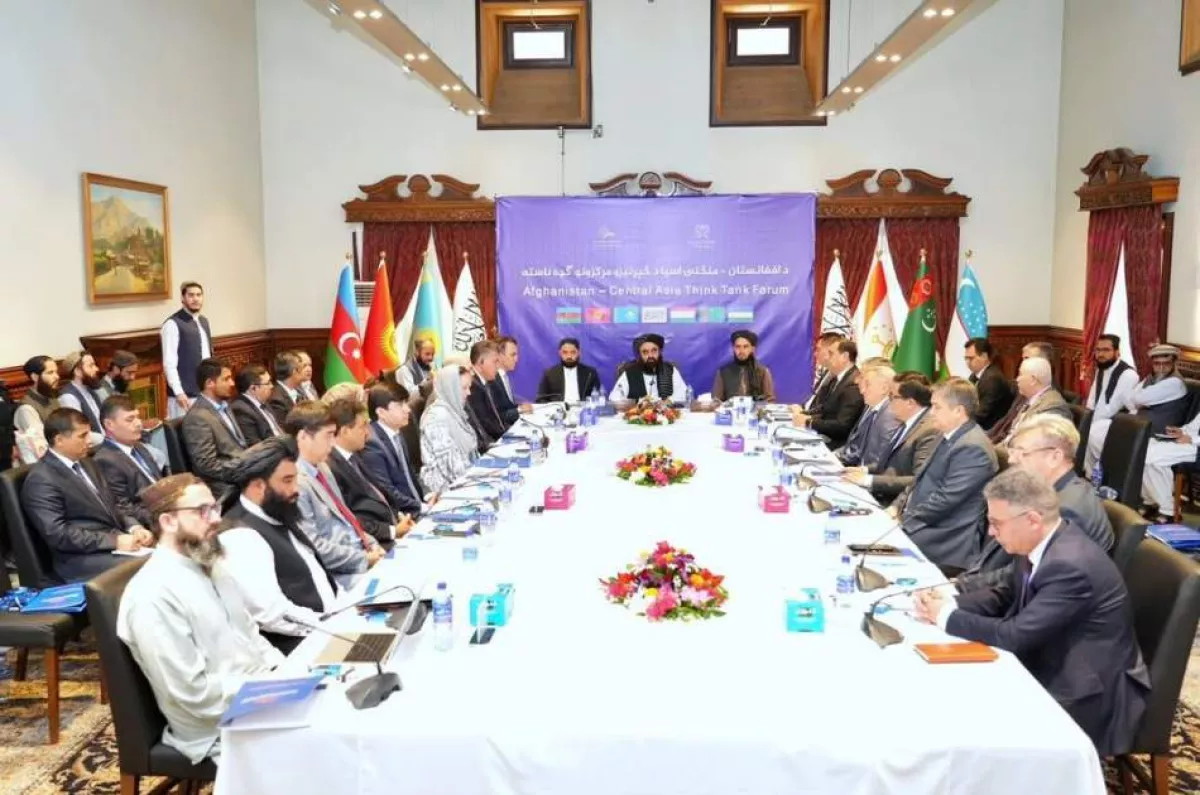
The recent developments in the Middle East have led many governments in the region to reconsider their traditional approaches to foreign and security policy. One of the most important consequences of these developments has been the increased desire of countries to diversify their foreign relations. The new realities of the region have shown that excessive dependence on a foreign actor cannot guarantee the long-term interests of governments; Therefore, many countries in the region are seeking to expand a diverse network of political, economic, and security cooperation.
Along with this trend, the agency of regional countries has also increased. Today the regional governments are trying to play a more active role in determining their own destiny and participating in shaping the political and security architecture around them.
In such a context, the development of cooperation between Afghanistan and the countries of Central Asia is of particular importance. The countries of Central Asia are looking for new partners, and Afghanistan is also trying to expand its regional relations based on mutual interests and multilateral cooperation.
A closer relationship between Afghanistan and the Central Asian countries could lead to the development of economic, trade, transit, security and political cooperation. From a strategic perspective, such a process would help Afghanistan to form a wider network of regional relations. This would not only increase Afghanistan’s diplomatic maneuvering capacity, but also provide more opportunities for the country’s active participation in regional equations.
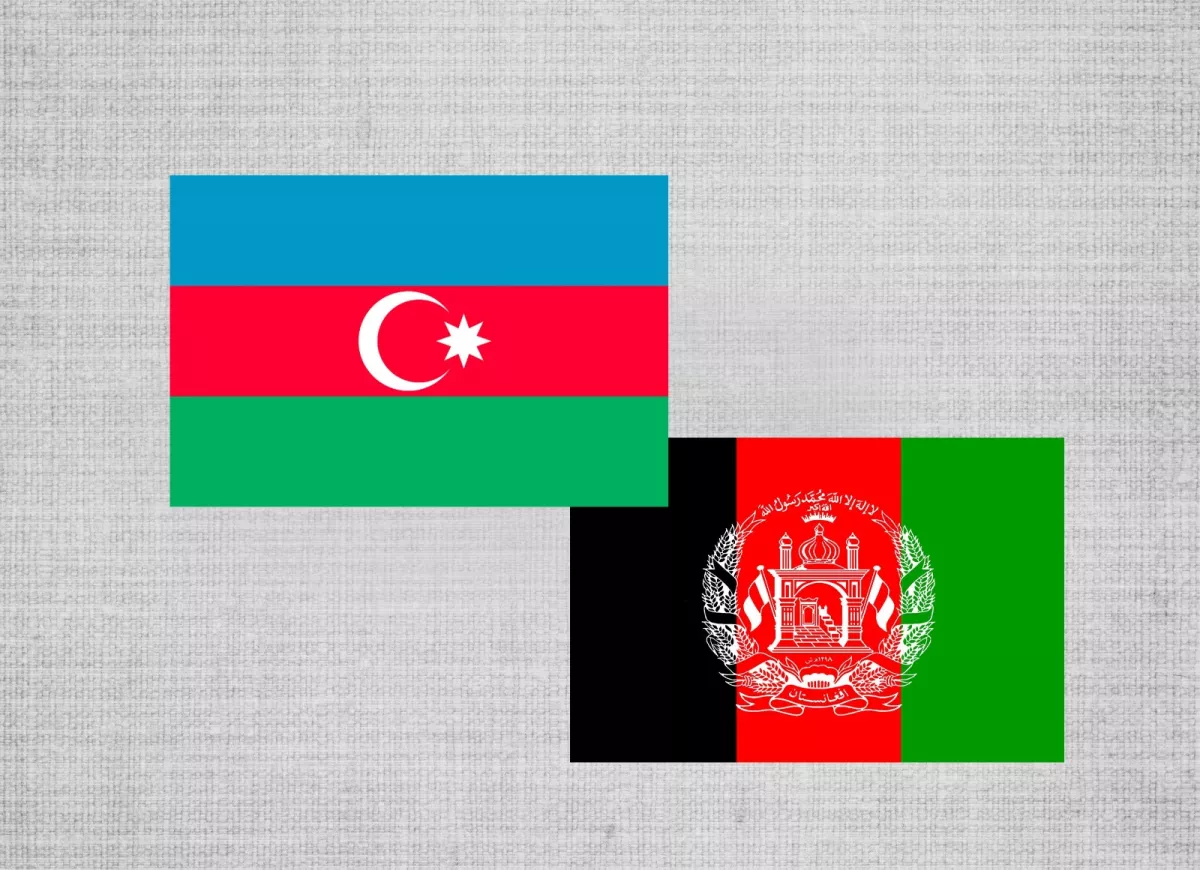
In the meantime, the Republic of Azerbaijan, as one of the important players in the South Caucasus, also enjoys a special position. Azerbaijan’s geopolitical location in one of the most sensitive regions of the world has made it an important link in the connection between the Caucasus, Central Asia, Türkiye and the Caspian Sea basin. In recent years, Azerbaijan has been able to play an active role in many political, economic and transit equations in the region, and for this reason, the development of relations with this country can open new horizons for Afghanistan's foreign policy.
Cooperation with Azerbaijan can not only help expand Afghanistan's political interactions, but also provide new grounds for economic, trade and transit cooperation. In a situation where the countries of the region are trying to create new routes of connection and cooperation, the expansion of Kabul's relations with Baku can help increase Afghanistan's ties with the Caucasus and other peripheral regions.
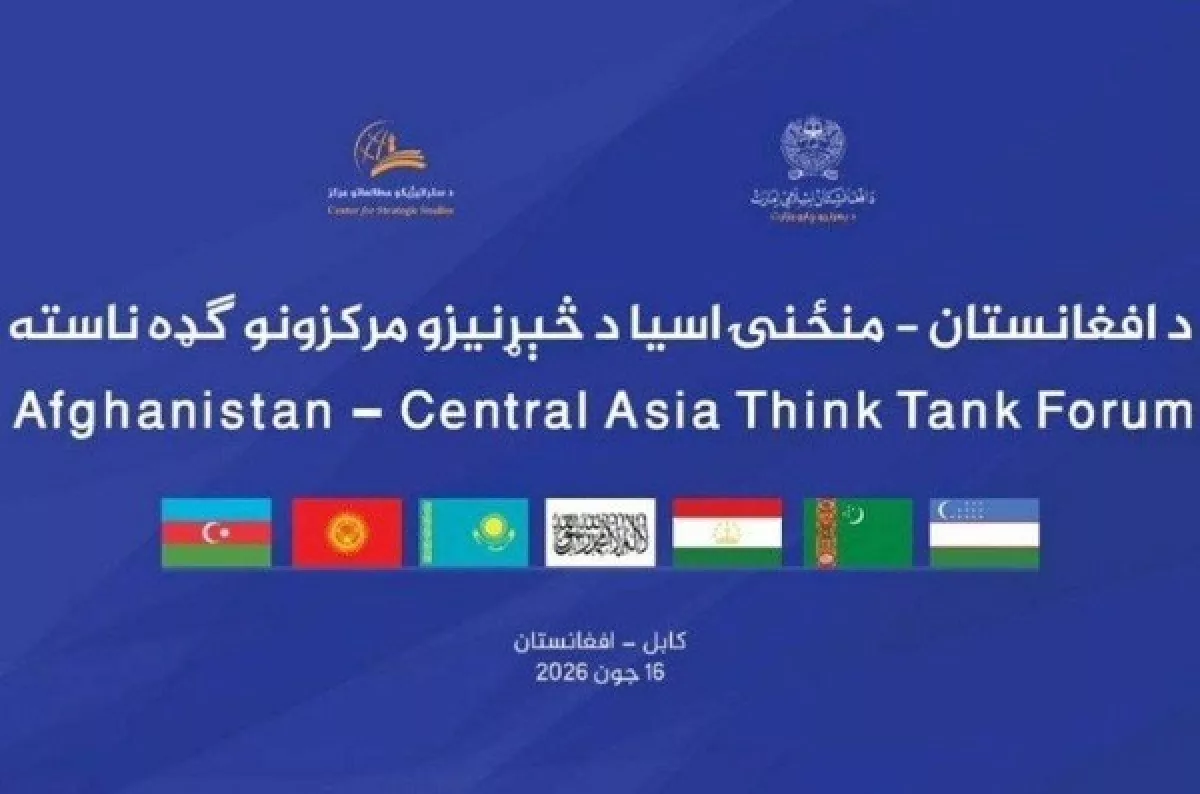
Along with political and economic cooperation, scientific and intellectual interactions are also of particular importance. Cooperation between the Center for Strategic Studies of the Ministry of Foreign Affairs of Afghanistan and research institutions of Central Asian countries and Azerbaijan can provide a platform for exchanging views, producing strategic knowledge and shaping a common understanding of regional developments. In addition to strengthening scientific diplomacy, such cooperation can help enhance Afghanistan’s diplomatic standing.
Overall, Afghanistan’s meeting with Central Asian countries and Azerbaijan can be seen as a reflection of new trends in the regional environment; trends that are based on multilateral cooperation, diversification of foreign relations, increasing the role of regional actors, and efforts to shape more stable security arrangements.







 editor@caliber.az
 +994 55 444-88-98
 Азербайджан, Баку, ул. Низами, 203, Af Business House, 5-й этаж