










Netherlands braces for possible US sanctions targeting The Hague court “Hands off the ICC”
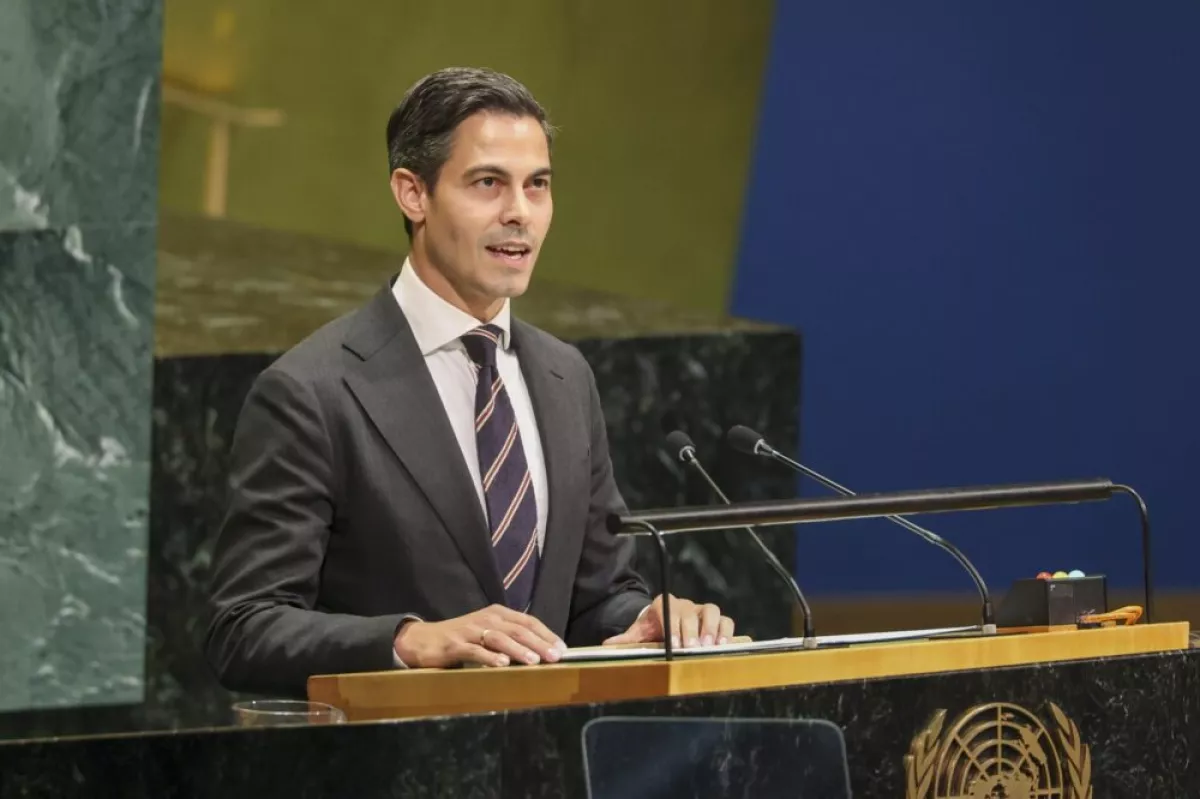
In his first speech at the United Nations General Assembly, Dutch Prime Minister Rob Jetten defended the International Criminal Court (ICC), which is based in his country, amid the threat of new US sanctions against the tribunal by the Trump administration. His remarks echo calls from several political parties in the Netherlands, which have increasingly stressed that any attack on the court, hosted by The Hague, would directly affect the city and its residents.
Jetten was responding to recent statements by US President Donald Trump, although he did not mention the American president by name.
“I believe there can be only one response. To say: hands off the ICC, and all those other institutions that protect the international legal order,” Jetten fired back in a speech that largely focused on the need for greater international cooperation to preserve the “international legal order.”
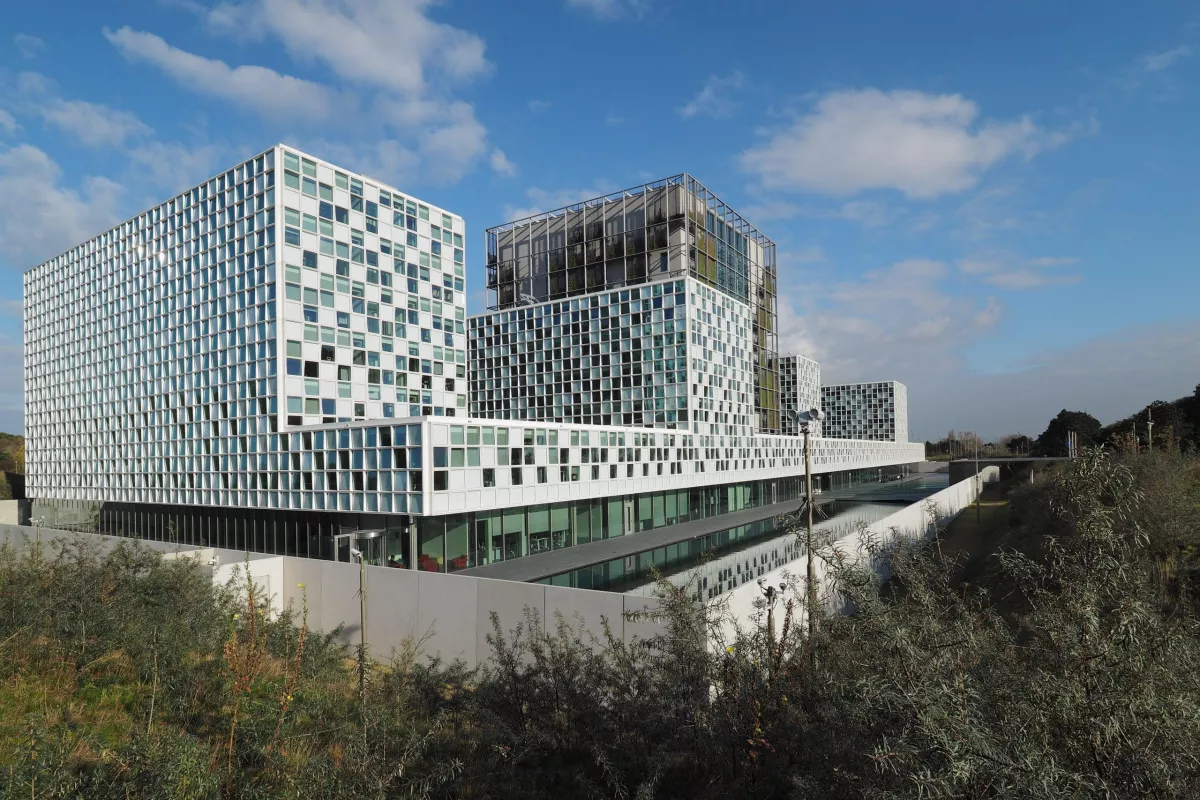
The Netherlands is preparing for the possibility that the United States will impose sanctions on the ICC, in what would represent the latest escalation in the Trump administration’s attacks on the international tribunal. As the ICC’s host state, the country is obliged to provide assistance to the court, including security cooperation, facilitating visas and transporting defendants and witnesses.
The United States has already imposed sanctions on several ICC judges but is seeking to go further by targeting the court as a whole. Several Dutch political parties are calling for the municipality of The Hague to support the international institution, as local media outlets note.
For judges and other ICC staff, such sanctions could have far-reaching consequences.
“For example, they can no longer withdraw cash,” said Mylène Tabernal, a council member from the Volt party. “That means they cannot pay rent or buy groceries,” referring to potential sanctions on banking institutions.
Tabernal is also concerned about the consequences for the court and the city.
“It affects everyone who works there,” she said. “That includes residents of The Hague. It impacts the people, the services surrounding it, and therefore our city as a whole.”
The impact extends beyond residents and businesses working at or with the ICC, she said, and could also affect The Hague’s reputation as the “city of peace and justice”.
“The Hague bears responsibility for its people and as the namesake. If we do nothing, that is problematic,” Tabernal said.
Volt, together with parties including Denk, D66, SP, Pro Den Haag, Partij voor de Dieren and ChristenUnie-SGP, is therefore calling for an action plan to examine how the municipality can provide greater support to the ICC.
“We must map out the risks and consequences of the sanctions and create an action plan for better protection,” Tabernal said. “We cannot abandon the people of the International Criminal Court. They are important to us as a city and to the world.”
Beyond concrete assistance, Tabernal believes the municipality can also help by seeking support from other authorities. She said the mayor already has a role to play in this area and praised his efforts.
The Hague Mayor Jan van Zanen was also in New York last weekend, where he discussed the issue with other mayors.
Concrete restrictions
According to Dutch media reports, Foreign Minister Tom Berendsen is already in talks with the European Union about new measures to support the ICC.
The ICC has been preparing for possible sanctions for months. Earlier this year, the court stopped using Microsoft products and switched to a German software provider, according to three ICC employees talking to AP. The court has also changed its insurance companies and other financial service providers, opting for firms without operations in the United States.
Unless the Netherlands and the European Union switch to European alternatives, they have few other options for protecting the institution. The EU’s so-called “Blocking Statute” can protect European employees working at the court by preventing European companies from complying with US measures.
However, it remains unclear whether the regulation can also protect the ICC itself, as the court is an international rather than a European institution.
By Nazrin Sadigova







 editor@caliber.az
 +994 55 444-88-98
 Азербайджан, Баку, ул. Низами, 203, Af Business House, 5-й этаж