










Scars of war beneath the surface: Karabakh's mine tragedy Article in Pakistani media
The Pakistani newspaper The Nation published an article by Tazeen Akhtar, an expert on Central Asia, examining the persistent and deadly threat posed by landmines in Azerbaijan’s Karabakh region. Caliber.Az presents an adapted version of the piece.
The Karabakh region of Azerbaijan is one of the most heavily mined areas in the world, with one million mines planted in civilian infrastructure, agricultural lands, and cemeteries. This situation remains unchanged even after the Second Karabakh War. Azerbaijanis continue to fall victim to mines manufactured in Armenia and laid throughout Karabakh.
The landmines have caused thousands of casualties since the early 1990s, with a significant surge in deaths and injuries following the September–November 2020 Second Karabakh War. Victims include civilians, journalists, and state officials, particularly in areas like Kalbajar.
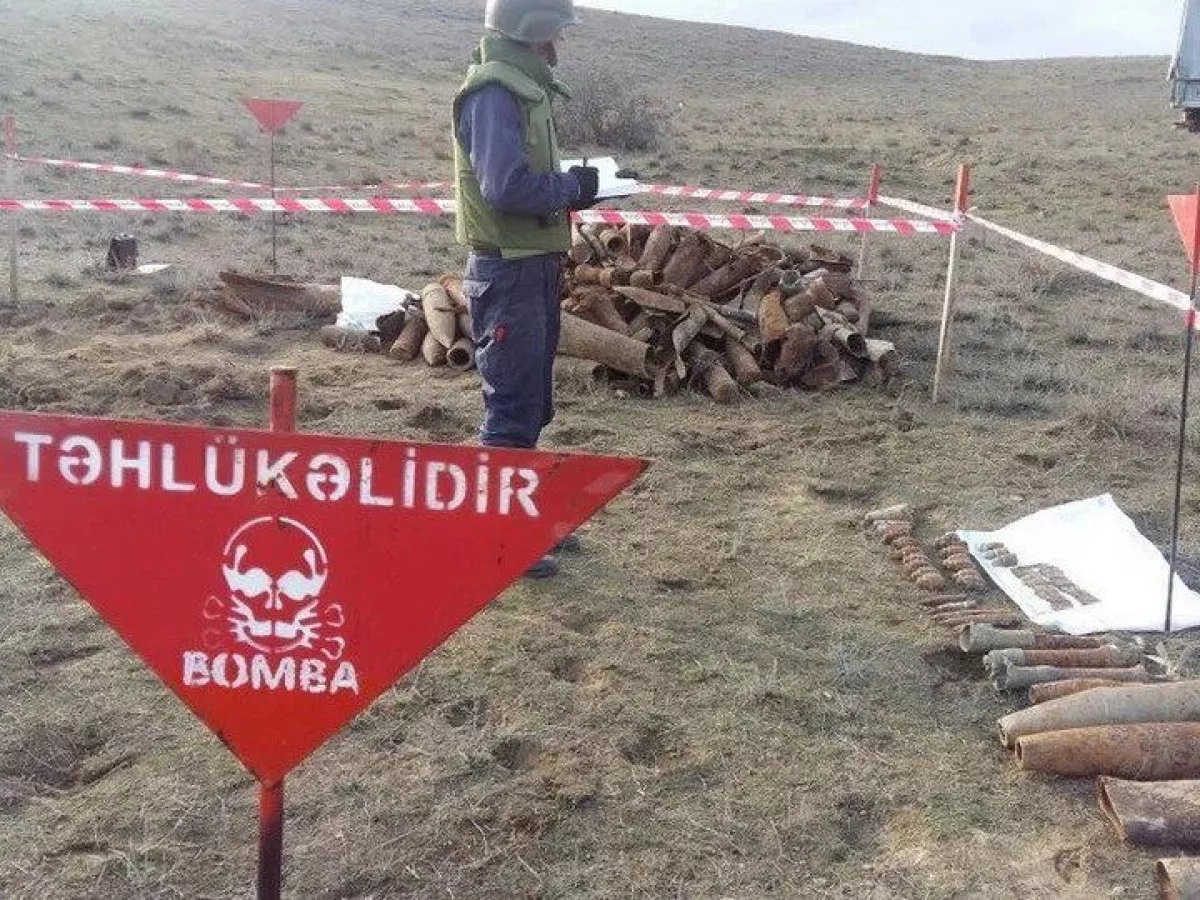
Based on official data from the Mine Action Agency of the Republic of Azerbaijan (ANAMA) and the Prosecutor General’s Office as of late 2025/early 2026, over 415 Azerbaijani citizens have become victims of landmines and unexploded ordnance since the end of the 44-day Patriotic War in November 2020. Of these, 71 people have been killed, including civilians, children, and soldiers, while 344 have been injured, also including civilians, children, and soldiers. Approximately 253 mine-related incidents have occurred since November 2020.
Since the beginning of the conflict in the early 1990s, more than 3,400 Azerbaijani citizens have been killed or injured by landmine explosions.
Azerbaijan estimates that over 1.5 million landmines were planted by Armenian forces during the decades-long occupation. Many of these mines are located in unmarked areas not covered by maps provided by Armenia, according to ANAMA.
Since 2020, over 248,000 hectares of land have been cleared, with more than 236,000 mines and explosive devices neutralised. Still, the situation remains critical, as many minefield maps are missing or inaccurate, leaving the region heavily contaminated.
Mines have rendered large tracts of agricultural and woodland unusable, severely impacting local livelihoods and food security. The landmines damage the environment and hinder the socio-economic development of the region.
On August 8, 2025, Armenia and Azerbaijan signed a landmark agreement at the White House in Washington, brokered by President Trump, to end decades of conflict. The agreement includes mutual recognition of sovereignty, the opening of transport routes, specifically the Trump Route for International Peace and Prosperity (TRIPP), and a commitment to cease hostilities.
The main step Armenia was supposed to take immediately to move towards the end of hostilities should have been sharing the exact maps of the landmines and cooperating with Azerbaijan in clearing them, but Armenia turned a deaf ear to this matter. Instead, mines continued to be delivered from Armenia and planted in the Karabakh region even after the 2020 war, which constitutes deliberate terrorism.
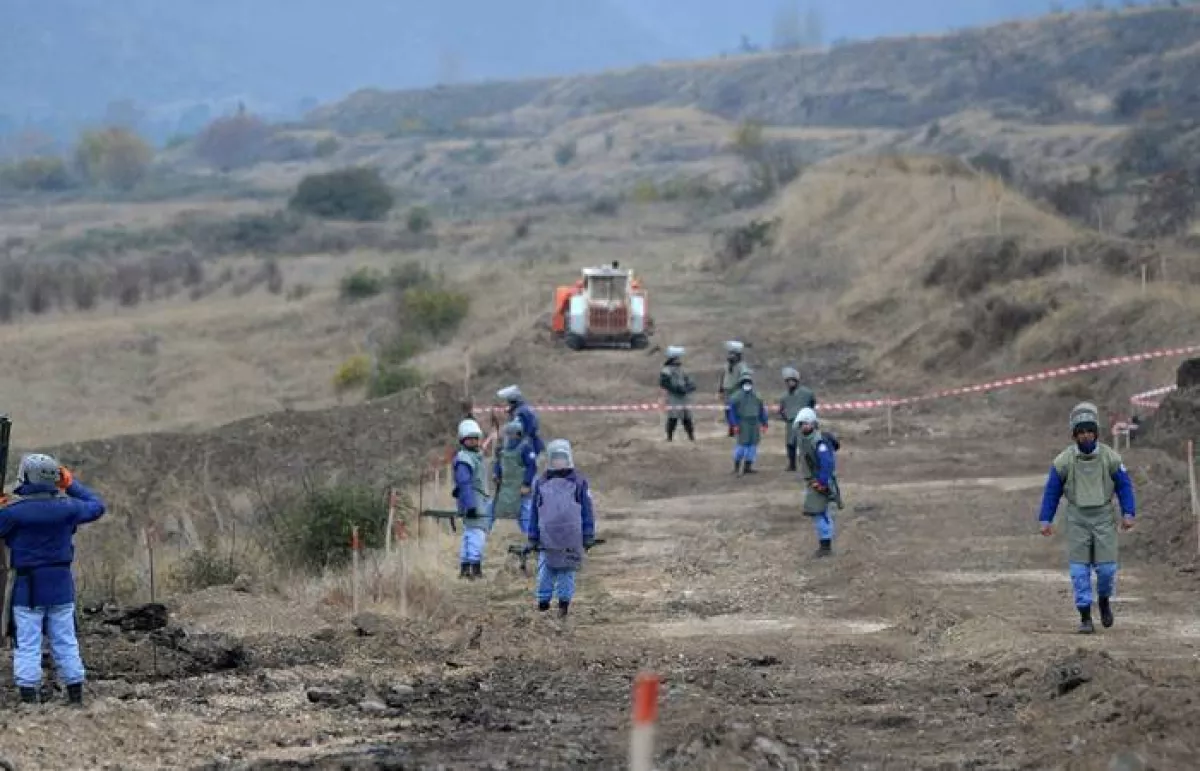
President of Azerbaijan Ilham Aliyev characterises Armenia’s alleged planting of over one million landmines as a major war crime and a significant barrier to post-conflict reconstruction and the return of displaced persons. The President has repeatedly demanded that Armenia provide accurate maps of the mines and has called for international support in the demining process.
The persistent presence of landmines is not only a humanitarian crisis but also a significant barrier to long-term peace and stability in the region. In light of the growing toll on civilian lives and the continuing risk to both local populations and those involved in post-war reconstruction efforts, Azerbaijan is calling for immediate and sustained international support to address this critical issue.
Wars come to an end one day, but the scars of war are healed only with the passage of time, leaving their marks behind for decades. Mines can bring devastating consequences for civilians returning to their ancestral lands. The world community, especially the major regional and global players, is expected to play its part here.







 editor@caliber.az
 +994 55 444-88-98
 Азербайджан, Баку, ул. Низами, 203, Af Business House, 5-й этаж