










The United States’ Israel dilemma How Netanyahu challenges Trump
U.S. officials condemned Israeli Prime Minister Benjamin Netanyahu for the killing of senior Hamas leader Raed Saad in the Gaza Strip. However, ties between Trump and Netanyahu remain very strong.
According to Axios, U.S. officials warned the Israelis that this killing was a blow to the ceasefire in Gaza and, at the same time, to international trust in President Donald Trump as a mediator in the peace process. Representatives of the Trump administration literally “scolded” Netanyahu, telling the Israeli leader: “If you want to ruin your reputation and show that you don't abide by agreements be our guest, but we won't allow you to ruin President Trump's reputation after he brokered the deal in Gaza.”
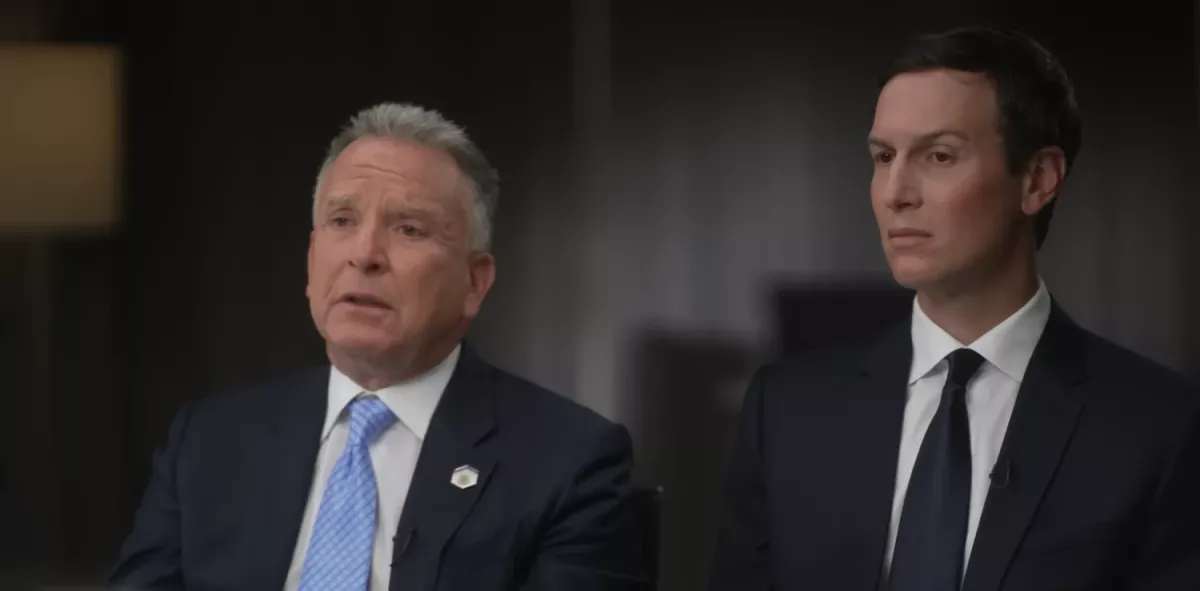
Meanwhile, Israeli media reported that Trump’s aides were furious and, according to their sources, the incident revealed a significant rift between the positions of the U.S. and Israel. It is reported that key figures such as Trump’s son-in-law, Jared Kushner and his special envoy—a close friend and golf partner, Steve Witkoff—are “frustrated” with Netanyahu’s actions in Gaza.
It is reported that U.S. officials have described Israel as a “pariah state” due to its actions in the occupied West Bank, the Gaza Strip, and Syria—actions viewed as violations of international law. They pointed to Prime Minister Netanyahu’s growing isolation, noting that Egyptian President Abdel Fattah el-Sisi refuses to meet with him and that he remains an unwelcome guest in the UAE, even years after the Abraham Accords recognising Israel were signed.
A senior U.S. official warned: “But if Netanyahu doesn't want to take the steps that are needed to de-escalate, we are not going to waste our time on trying to expand the Abraham Accords.”
Despite the ceasefire in Gaza announced in October, Israel has effectively not been adhering to it. The Israeli Air Force bombs Gaza almost daily, while the Palestinian group Hamas, which controls Gaza, rarely responds to these strikes. It is clear that the killing of one of Hamas’s leaders was aimed at undermining the ceasefire.
A similar situation exists in Lebanon. There, in November 2024, a U.S.-brokered ceasefire agreement was reached between Israel and another group, Hezbollah. However, Israel regularly bombs and shells Lebanon, where the head of Hezbollah’s general staff was recently killed in an airstrike. Both groups are closely linked to Iran, are part of the pro-Iranian coalition known as the “Axis of Resistance,” and are considered strategic adversaries by Israel. Yet Hezbollah, like Hamas, does not retaliate against Israeli strikes.
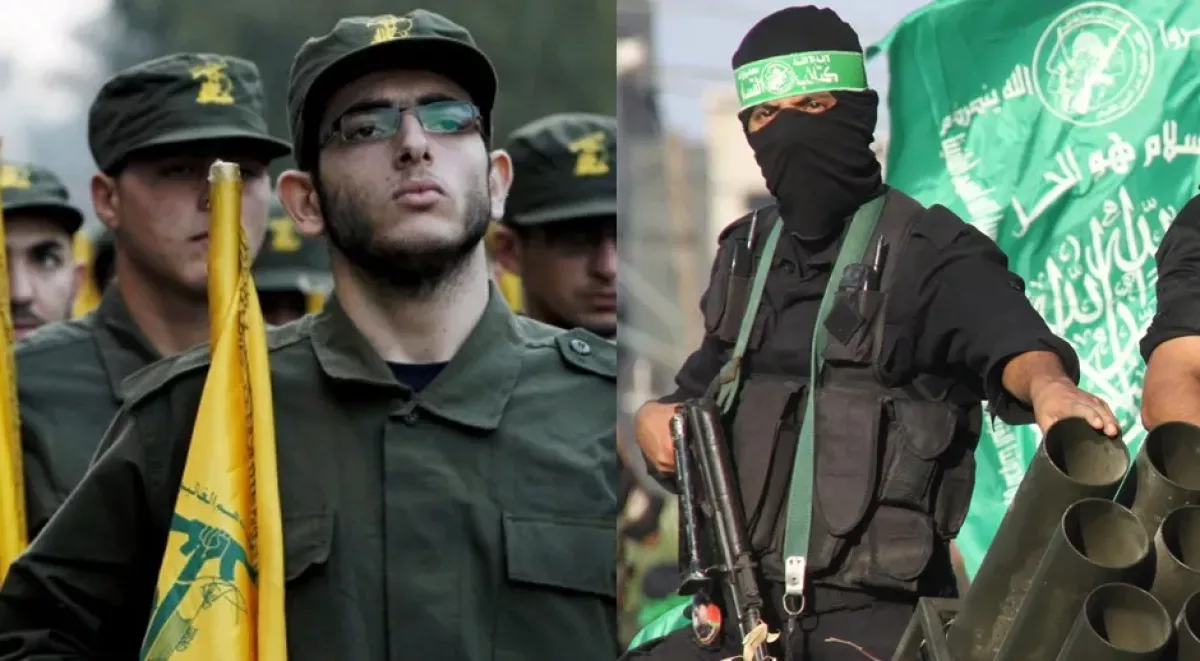
Israel claims that Hezbollah and Hamas are not fulfilling the terms of the ceasefire agreements, refusing to disarm. However, Israel itself is not complying, refusing to withdraw troops from five strategic heights it occupies in southern Lebanon. Moreover, in the case of Hamas, the U.S. does not insist on the group’s full disarmament, requiring only the surrender of heavy weaponry.
The dispute between Netanyahu and the Trump administration also extends to Syria policy. After the fall of the pro-Iranian Bashar al-Assad regime in December 2024, power in Syria passed to the Hay'at Tahrir al-Sham (HTS) group led by Ahmed al-Sharaa. Al-Sharaa has not shown hostile intentions toward Israel and succeeded in securing the withdrawal of Hezbollah and Iranian forces from the country, who were considered his adversaries. Despite this, Israel has expanded its occupation zone in southern Syria, carries out military raids and arrests of Syrians, demands the demilitarisation of the country up to the capital—Damascus—and its air force regularly strikes Syrian territory, targeting heavy weapons depots.
The new Syrian administration has shown no hostility toward either Israel or the U.S. On the contrary, during a visit to Washington, the Syrian president expressed interest in partnership. U.S. officials believe that Israel’s cross-border strikes in Syria undermine efforts to stabilise the country under President Ahmed al-Sharaa and hinder the possibility of a new security agreement.
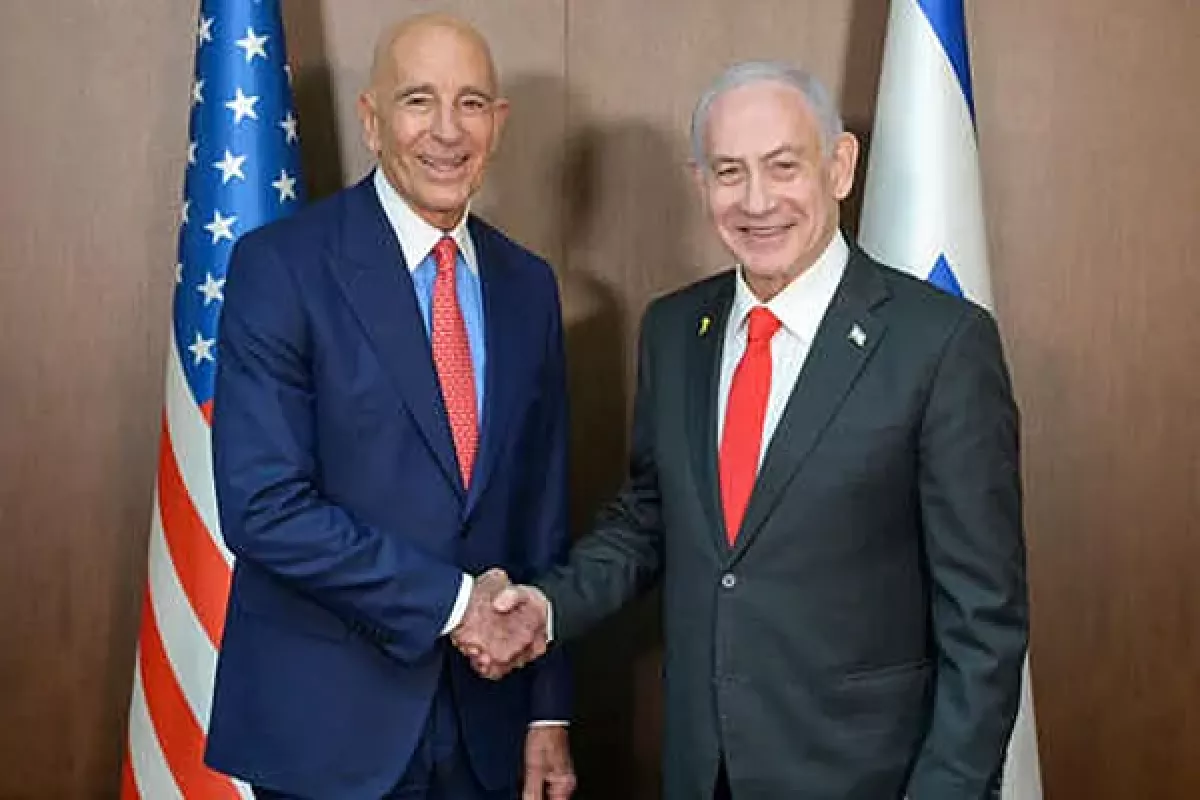
Following the reprimand over Gaza, U.S. Special Representative Thomas Barrack met with Netanyahu in Jerusalem to convey messages from President Trump regarding Syria, before travelling to Ankara for talks with Turkish Foreign Minister Hakan Fidan. This sequence of actions underscores Türkiye’s role as a key regional player—from Gaza to Syria. As for Israel, the United States had previously expressed its dissatisfaction with the actions of the Israeli military in Syria.
Israel’s attacks on Syria can be seen as preventive measures against a state that is not hostile toward Israel but, in Tel Aviv’s view, remains unpredictable given the new leadership’s past. Moreover, Israel is wary of deepening cooperation between Damascus and Ankara, fearing that Syria could become a zone of Turkish military influence. Turkish-Israeli rivalry has become an important factor in Middle Eastern politics. However, a natural question arises: who else might Israel suspect of disloyalty and target next? Who could become the next target?
Previously, Benjamin Netanyahu ordered the Israeli Air Force to strike Iran to eliminate its top military leadership as well as its defence and nuclear programs. Iran is indeed an openly hostile state toward Israel. However, following this, the Israeli Air Force also attacked Qatar, attempting to eliminate Hamas members who were holding a meeting at a private villa.
Qatar holds the status of a major U.S. ally outside of NATO. While this status does not obligate Washington to directly defend the partner, it implies that the country is within the sphere of American strategic influence. Moreover, it has traditionally been assumed that the U.S. ensures the security of the oil-rich Gulf states against external aggression—as was the case in 1991, when American forces defeated Iraq after it invaded Kuwait.
In 2025, a new reality has taken shape in the Middle East. Backed by the U.S., the Israeli Air Force, relying on overwhelming military superiority, conducts strikes with virtually no restrictions, eliminating anything Tel Aviv deems undesirable—including U.S. allies or states with which Donald Trump intends to build partnerships.
Having defeated its main adversary—Iran—Israel has gained confidence in its own power. It appears to be reshaping the Middle East according to its own discretion, preferring to keep regional regimes under constant pressure and fear. Israeli analysts close to the government increasingly state openly that Israel must prevent Syria from becoming a zone of Turkish influence and, moreover, is interested in fragmenting the country into ethnosectarian enclaves with their own armies and governing bodies.
The situation is further complicated by the fact that Benjamin Netanyahu has effectively declared himself a supporter of the “Greater Israel” concept. This religious-messianic doctrine envisions expanding the state’s borders at the expense of neighbouring territories and establishing Israeli settlements on lands that come under its control. In an interview with i24 News, the Israeli prime minister stated that he is fulfilling a “historic and spiritual mission,” directly linking it to the idea of “Greater Israel.” Such statements provoked a strong reaction even in the United Arab Emirates—a country that signed the Abraham Accords and normalised relations with Tel Aviv.
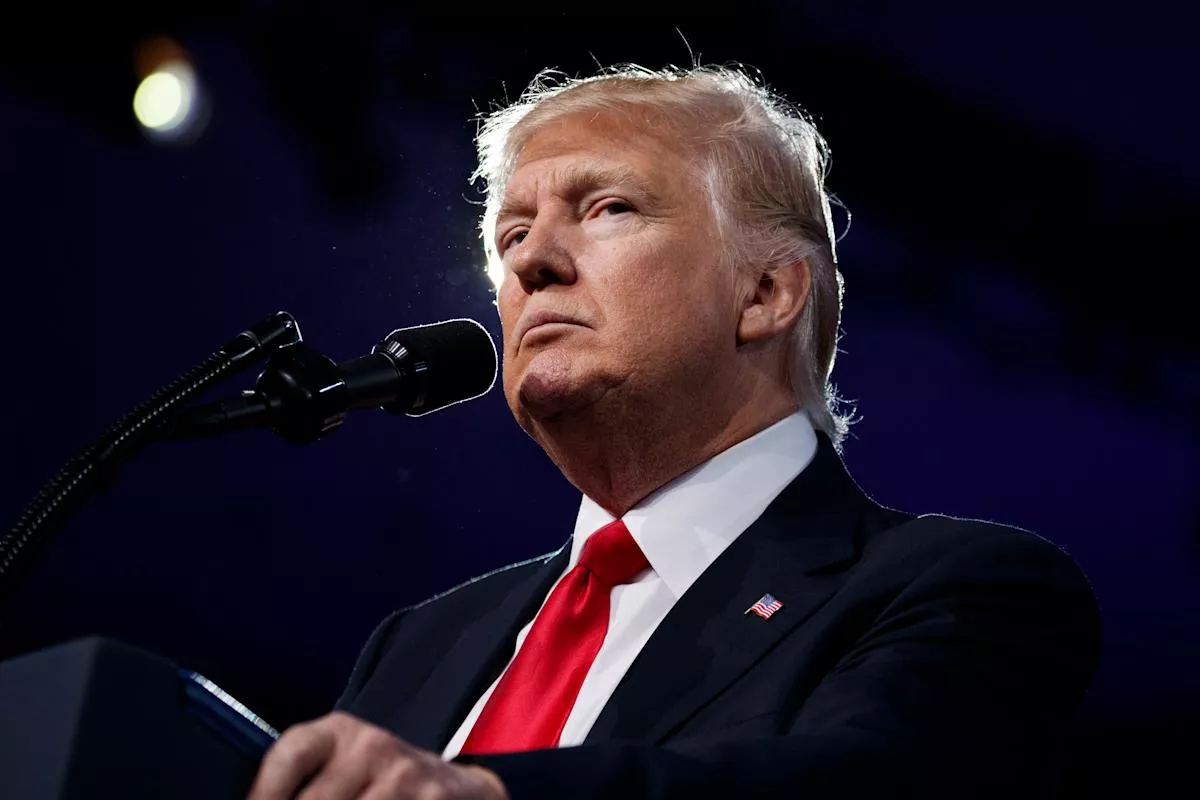
Against this backdrop, a key question arises: how serious are Donald Trump’s intentions? Is he truly willing to limit Israel’s actions?
On one hand, Netanyahu’s actions have indeed undermined confidence in the U.S. president—both internationally and within the United States. After the Trump administration succeeded in securing a ceasefire in Gaza, his approval rating rose to 50 per cent. Today, amid the breakdown of the truce and ongoing escalation, that figure has fallen to 36 per cent.
On the other hand, the American president’s position remains inconsistent and prone to shifts. Trump publicly expressed dissatisfaction with the bombing of Qatar, yet almost immediately afterward Israel received a new military contract worth around $6 billion, including the supply of thousands of advanced armoured personnel carriers. This is in addition to already signed large-scale agreements to deliver dozens of cutting-edge fighter jets to Israel in the coming years. Notably, a significant portion of these contracts is effectively funded by the U.S. budget itself under programs of military and financial aid to Israel.
Amid the cooling of relations between the U.S. and its European NATO partners, Israel remains, perhaps, Washington’s key strategic ally in the world. The U.S. not only continues to provide it with substantial financial assistance but also participates alongside Israel in military strikes against Iran.
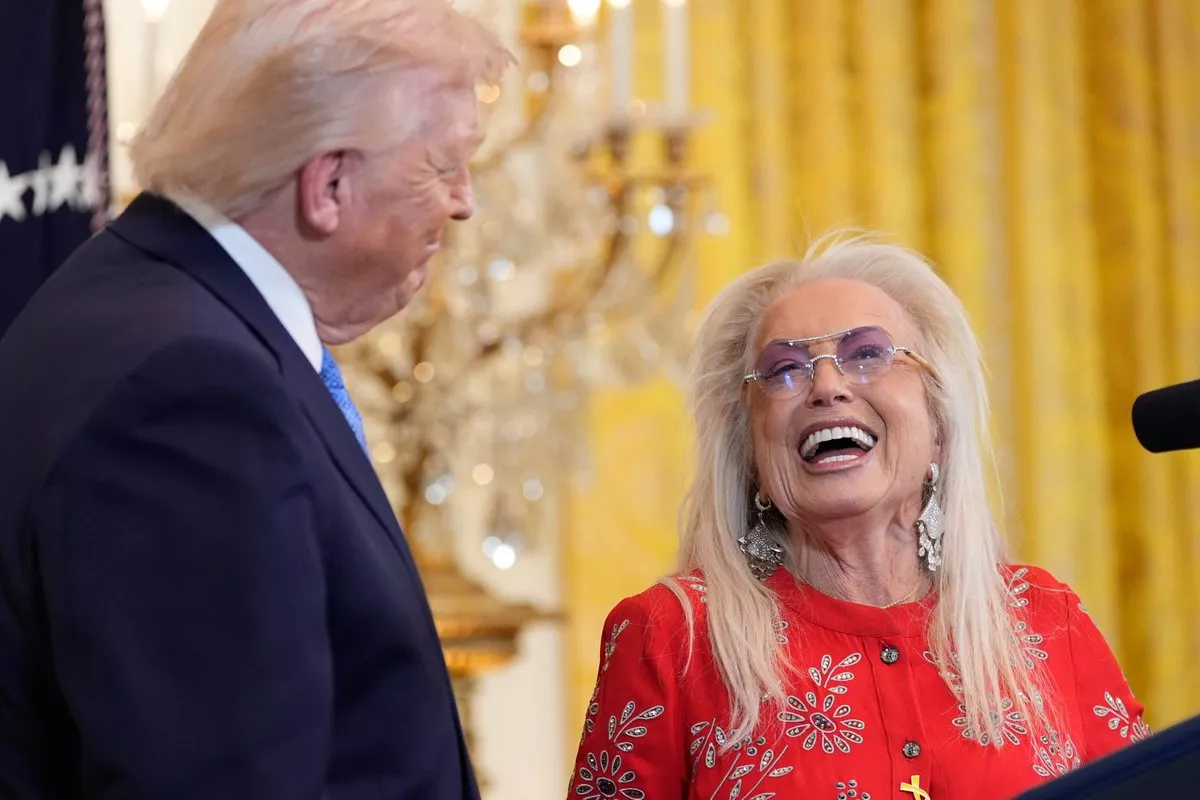
Among the sponsors of Donald Trump’s election campaign are numerous ultra-wealthy figures closely connected to Israel. Notably, Miriam Adelson—the widow of billionaire Sheldon Adelson and, by some estimates, one of the richest women in the world with a net worth exceeding $30 billion—is among them. The Adelson family is known as a major financial backer of both the U.S. Republican Party and Israel’s Likud party, led by Benjamin Netanyahu. Finally, Netanyahu himself is part of the small circle of politicians close to Trump; their families have maintained strong personal ties for many years.
Veteran Israeli journalist Ben Caspit, well-informed about the country’s internal politics, notes that Netanyahu’s influence over Trump is significant but extremely unstable. The Israeli prime minister engages in long and detailed conversations with the American president. Sometimes he manages to sway Trump to his side; other times he does not, and in such cases, according to Caspit, Netanyahu appears “pale and tired.” It is essentially a constant struggle: today Trump may fully support Netanyahu, and the next day behave as if no agreements between them ever existed, making statements of a completely opposite nature. For this reason, the question remains open as to whether Donald Trump’s policy toward Israel will prove favourable or, conversely, unfavourable in the future.







 editor@caliber.az
 +994 55 444-88-98
 Азербайджан, Баку, ул. Низами, 203, Af Business House, 5-й этаж