










US tests AI-powered combat drone in milestone for autonomous warfare
The United States has moved a step closer to integrating artificial intelligence into frontline combat after successfully testing an AI-powered combat drone capable of flying and fighting with minimal human intervention.
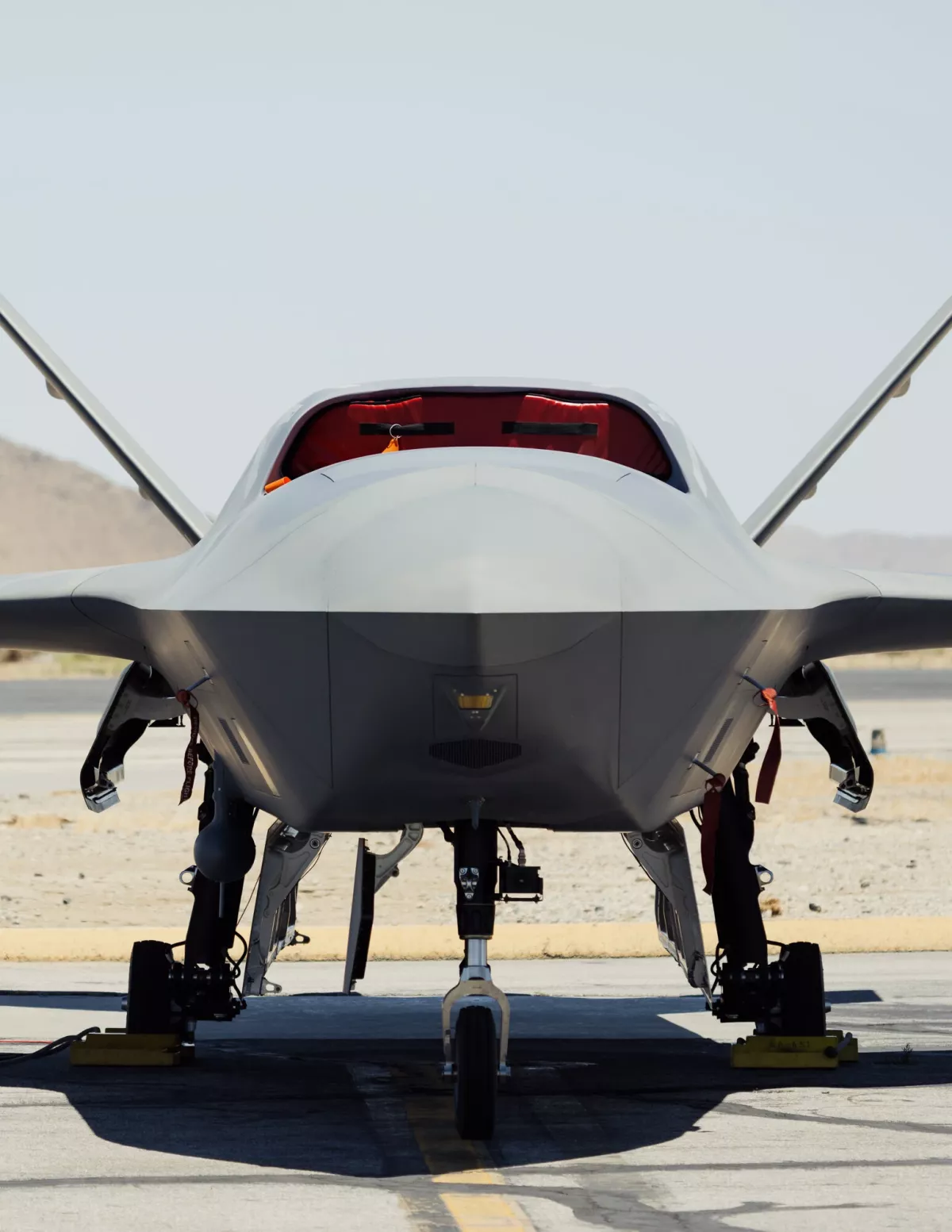
During a recent test over California's Mojave Desert, an autonomous drone developed by defence technology company Anduril launched a missile for the first time, marking a milestone in the US Air Force's Collaborative Combat Aircraft (CCA) programme.
A rival drone built by General Atomics is also undergoing flight testing and is expected to conduct a missile launch in the near future, according to The New York Times.
Unlike conventional military drones that rely on remote pilots, the new aircraft operate largely through onboard AI software. The systems make hundreds of rapid decisions during flight, including manoeuvring, avoiding threats and engaging targets. Human operators remain responsible for setting the mission, initiating and ending flights, and authorising weapons releases.
The programme forms part of a broader Pentagon push to integrate artificial intelligence across the US military. Defence Secretary Pete Hegseth has said he intends to make the armed forces "an 'A.I. first' warfighting force across all domains."
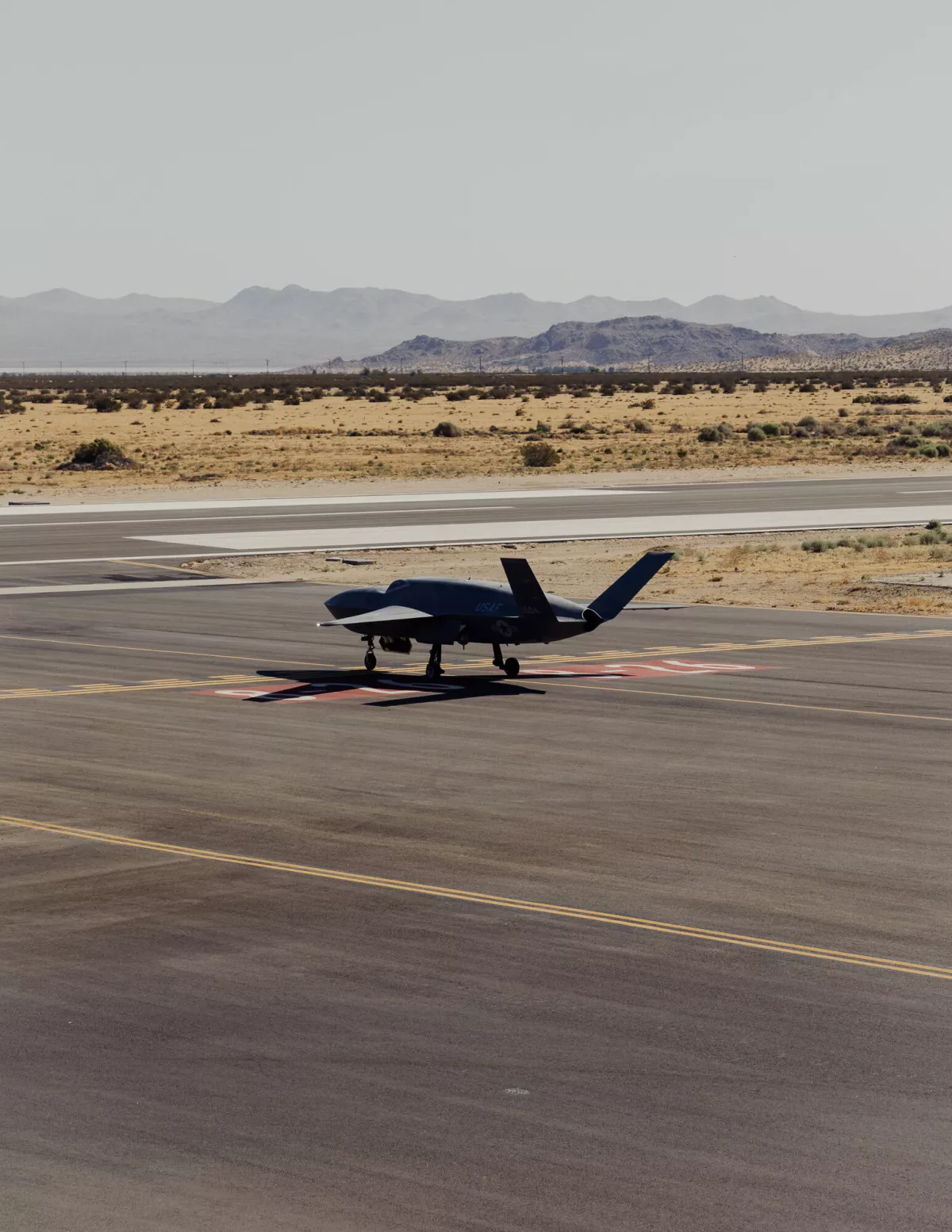
The Air Force aims to deploy more than 150 autonomous "robotic wingmen" alongside manned fighter aircraft by the end of the decade, with longer-term plans for at least 1,000 AI-enabled drones. Future missions could include air combat, reconnaissance, electronic warfare, decoy operations and ground strikes.
Military officials argue the technology could process intelligence faster, reduce costs and compensate for the Air Force's shrinking fleet of conventional aircraft.
The programme also reflects a broader global competition. China, Russia and several European countries are investing heavily in autonomous military systems, while AI-assisted weapons have already been reported in conflicts including Ukraine, Libya, Azerbaijan and Gaza.
However, the rapid development of autonomous weapons has raised growing ethical and legal concerns. The United Nations has spent years discussing international limits on such systems, but no binding agreement has been reached.
"Right now, we're racing in the dark," said Jack Shanahan, a retired Air Force lieutenant general and former director of the military's Joint Artificial Intelligence Center. "No one is talking to one another about the technology their nations are developing, and there's an incentive to rush it into the field. I do think, unfortunately, something may go horribly wrong before it gets better."
UN Secretary-General António Guterres also warned this month: "Our institutions were built to govern machines that follow commands. They are not ready for machines that decide. And some lines, once crossed, cannot be uncrossed."
Despite calls from humanitarian organisations for legally binding restrictions, the United States continues to accelerate AI adoption in defence while lawmakers debate legislation that would require meaningful human oversight over autonomous weapons.







 editor@caliber.az
 +994 55 444-88-98
 Азербайджан, Баку, ул. Низами, 203, Af Business House, 5-й этаж