










Will the Caspian Sea disappear? Environmentalist warns of a looming crisis
"The continuing decline in the level of the Caspian Sea has more far-reaching consequences than we can currently imagine – primarily for Russia and Kazakhstan."
This was stated to Caliber.Az by environmental expert Rauf Mammadov, who noted that this is because the northern part of the Caspian has historically and geologically been much shallower than the southern part.
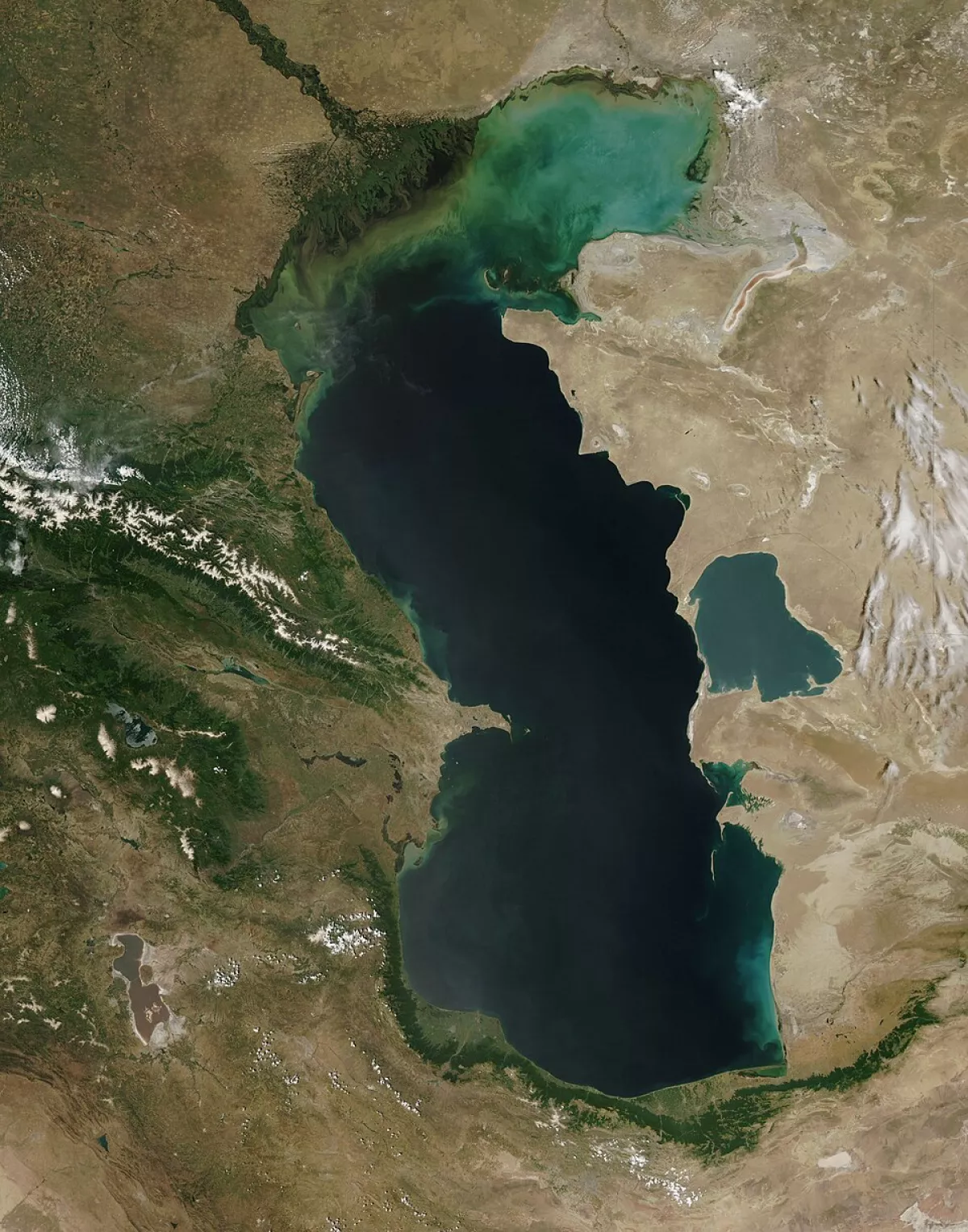
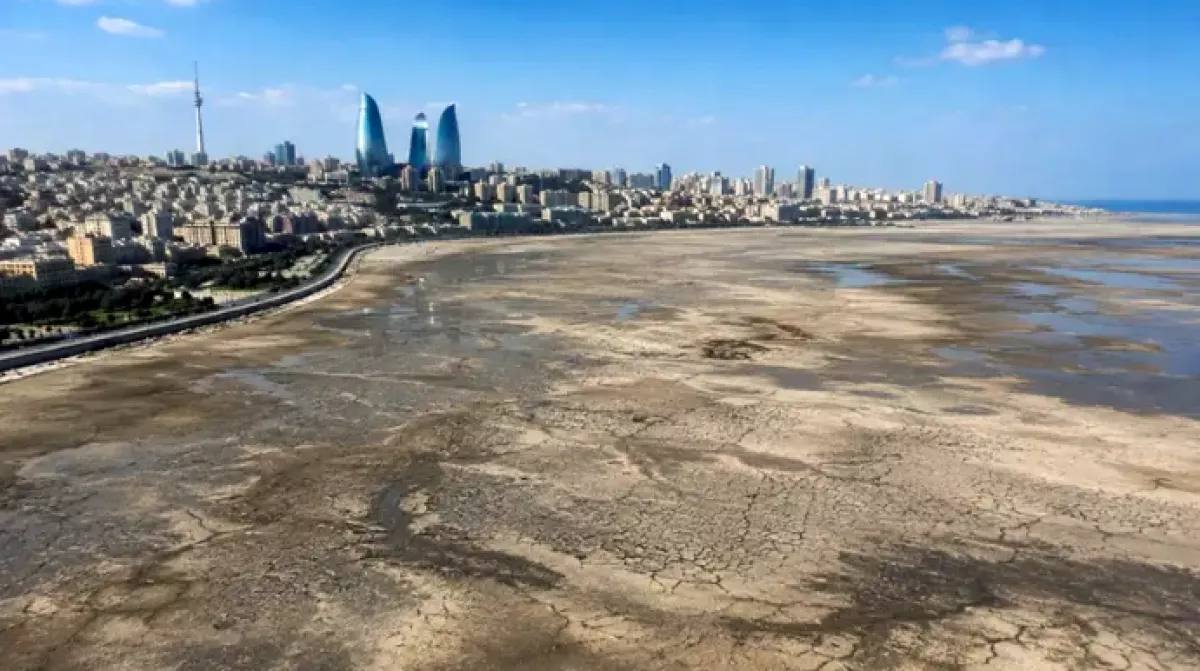
"Some European scientists have made pessimistic forecasts, predicting that by 2100 the northern part of the Caspian Sea will disappear completely, while the southern part will become significantly shallower (with the water disappearing entirely from Baku Bay as well).
Azerbaijani, Russian, and Kazakh scientists believe that rises and falls in the sea level have historically followed a cyclical pattern.
If we look back, the sea level in 1979 was much lower than it is today, and during the Middle Ages, half of what is now Baku Bay did not exist in its present form—it was dry land. Later, however, the Caspian's water level rose sharply, flooding coastal areas.
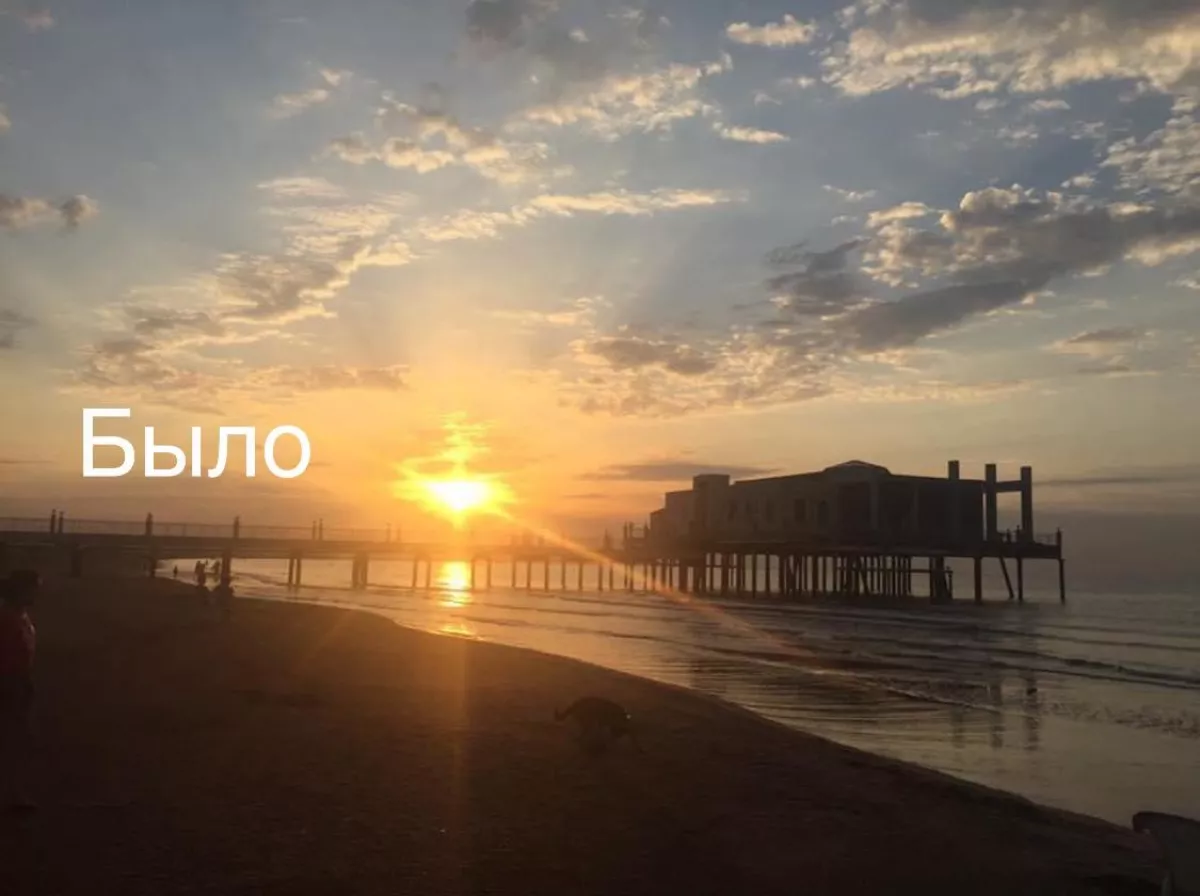

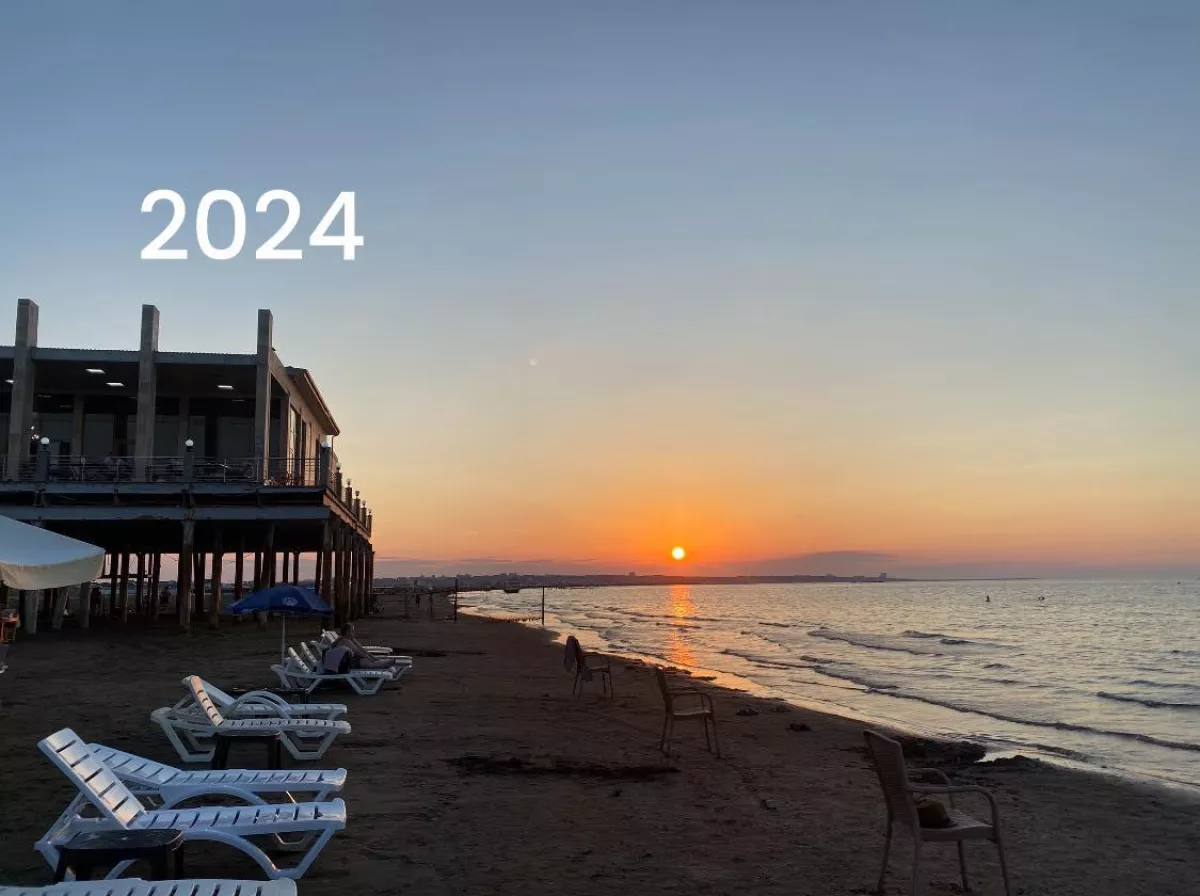
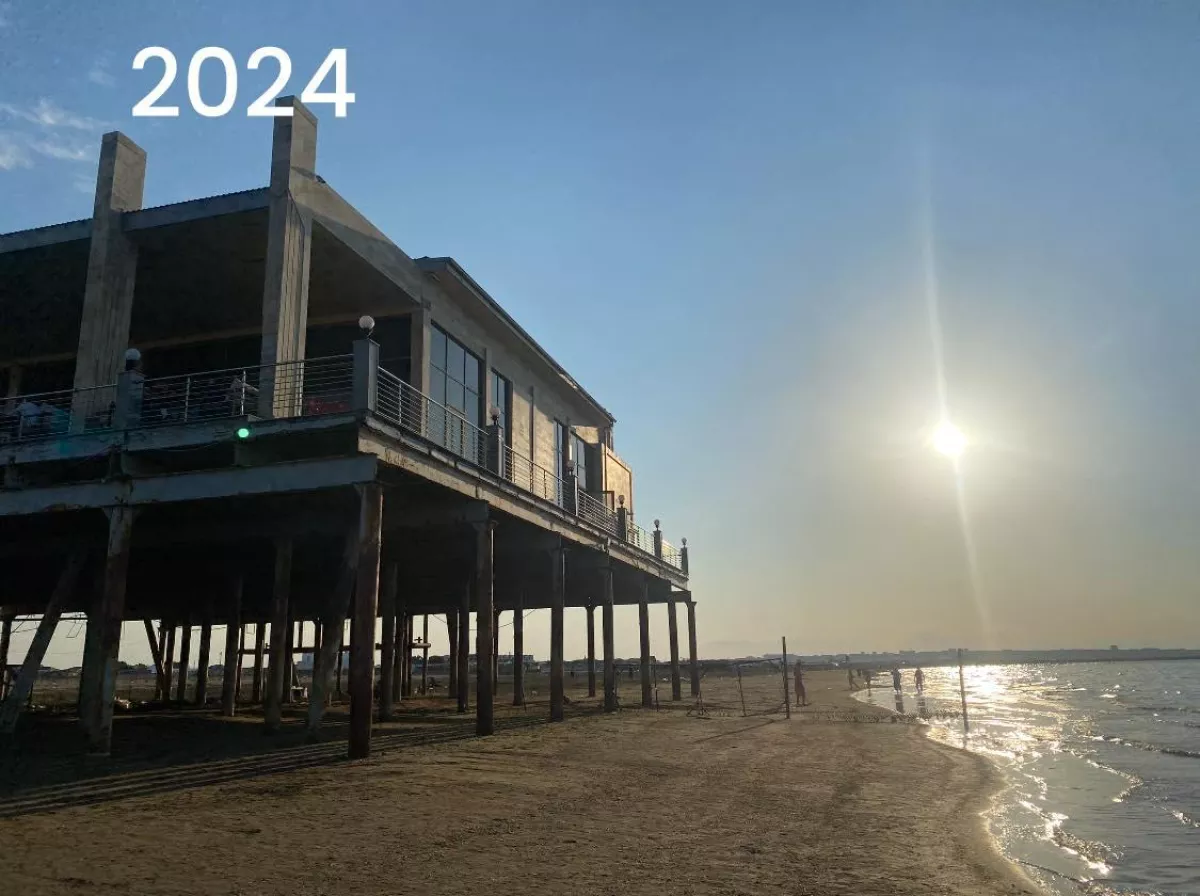
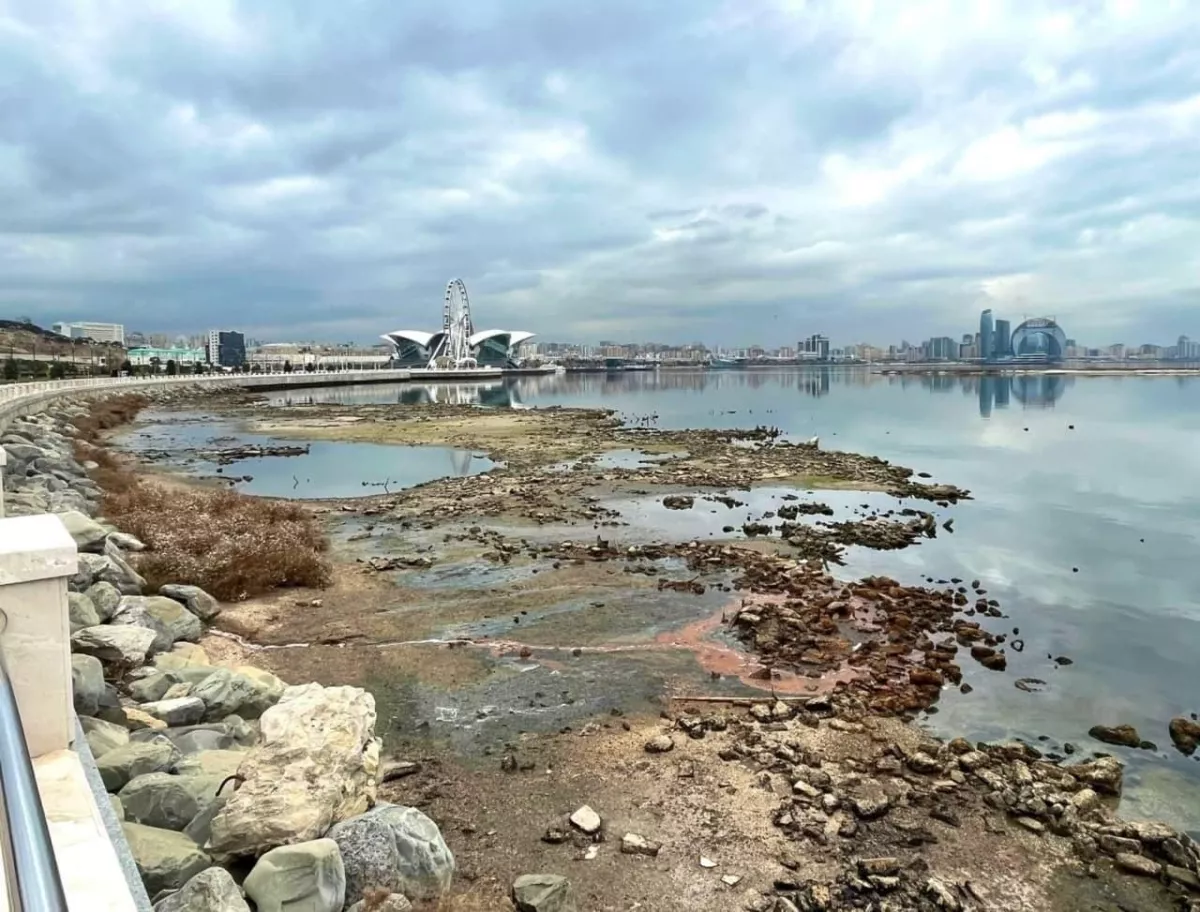
The fact remains that between 1996 and 2025, the Caspian's surface area shrank by 7.4 per cent, or approximately 30,000 square kilometres—an area comparable to the size of Albania. In other words, for the past 30 years, the Caspian has only been getting shallower, adversely affecting shipping, port operations, and the condition of coastal infrastructure.
Naturally, if all five Caspian littoral states want to preserve the Caspian Sea, they must act together. This is especially true for Russia, as the Volga River accounts for 85 per cent of the inflow into the Caspian. Unfortunately, some Russian environmentalists, politicians, and journalists firmly believe that because the Volga is not legally considered a transboundary river and its resources are not subject to international conventions, Russia can disregard the interests of the other Caspian states.
It is telling that some Russian media outlets publish headlines such as 'Kazakhstan Needs More of Russia's Volga' and 'Kazakhstan Plans to Obtain Water at Russia's Expense,' among others.
This is a profound misconception. The actual data clearly show a steady decline in the volume of Volga water flowing into the Caspian. This is happening because of the extensive network of Russian water-diversion hydraulic facilities and the growing volumes of water being redirected to meet agricultural needs.
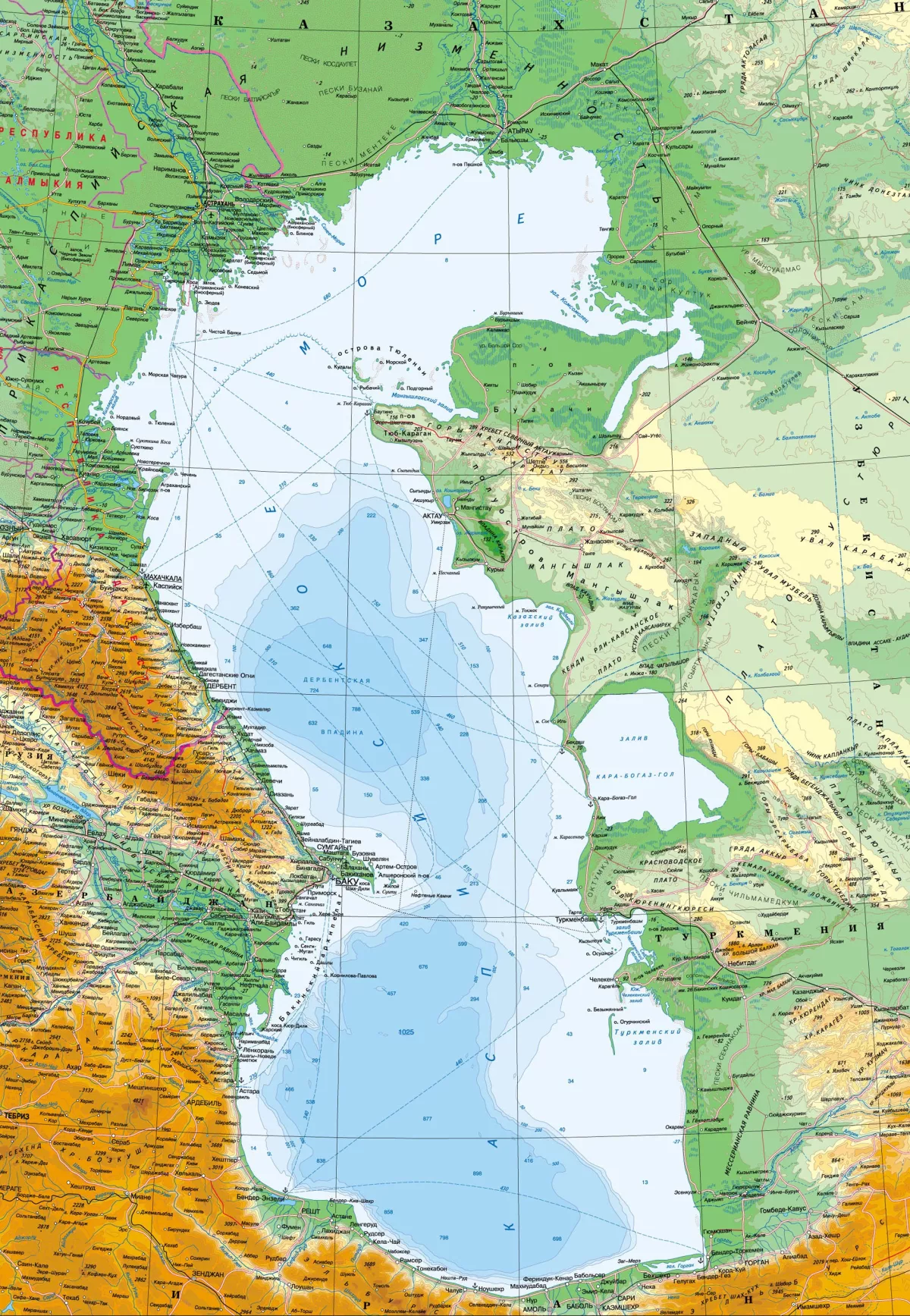
But one should not assume that Russia stands only to benefit from this process—far from it. It may gain to some extent in terms of electricity generation, meat production, and grain output, but beyond that...
The shallowing of the Caspian will lead to a sharp decline in Russia's maritime trade with the other Caspian littoral states, resulting in the disappearance of Russia's merchant fleet, along with the ensuing economic losses and job cuts. Then there is the fishing industry. If fish can no longer enter the Volga Delta near Astrakhan, we will lose the Caspian sturgeon forever.
Add to this the severe environmental consequences: if the Caspian dries up, the entire south of Russia—from Astrakhan to Voronezh and Volgograd, and perhaps even farther—will become much hotter. The fields will dry out no matter how much they are irrigated with Volga water. The climate will change, and drought will devastate grain crops.
Another issue is pests. At present, the Caspian serves as a natural barrier against locust swarms, preventing them from reaching Russia from the east or leaving them too weak to cause significant damage. If the northern Caspian becomes shallow, that barrier will disappear.
Add to this sandstorms caused by the exposed former seabed, the degradation of the environment and the maritime economy across entire coastal regions and cities—including Astrakhan, Kalmykia, Makhachkala, Derbent, and the whole of Dagestan. In addition, the traditional bases of Russia's Caspian Flotilla would disappear, while building new ones would be costly, and there would be few suitable locations left. Southern Russia would also suffer from internal migration...
So, when it comes to the Caspian, the water-related ambitions of certain circles in Russia, which stubbornly refuse to cooperate with the other Caspian littoral states to address the situation, amount to sawing off the branch they themselves are sitting on," the environmental expert concluded.
By Timur Rzayev







 editor@caliber.az
 +994 55 444-88-98
 Азербайджан, Баку, ул. Низами, 203, Af Business House, 5-й этаж