










Art in stone: The mosaics of Baku’s Ganjlik metro station A journey through history on Caliber.Az
Since the 1960s, mosaics have become an important part of the architectural landscape of Azerbaijan’s cities. Murals on building facades and in public spaces went beyond mere decoration, giving rise to a distinct artistic tradition in which national art traditions were combined with Soviet aesthetics and the spirit of the era. Many of these works have become iconic landmarks in the capital and across the regions.
Mosaics adorn not only streets, building facades and public spaces, but also metro stations, turning them into unique underground art galleries. At the Baku Metro, mosaic panels have become an important element of station design, creating a distinctive atmosphere beneath the city.
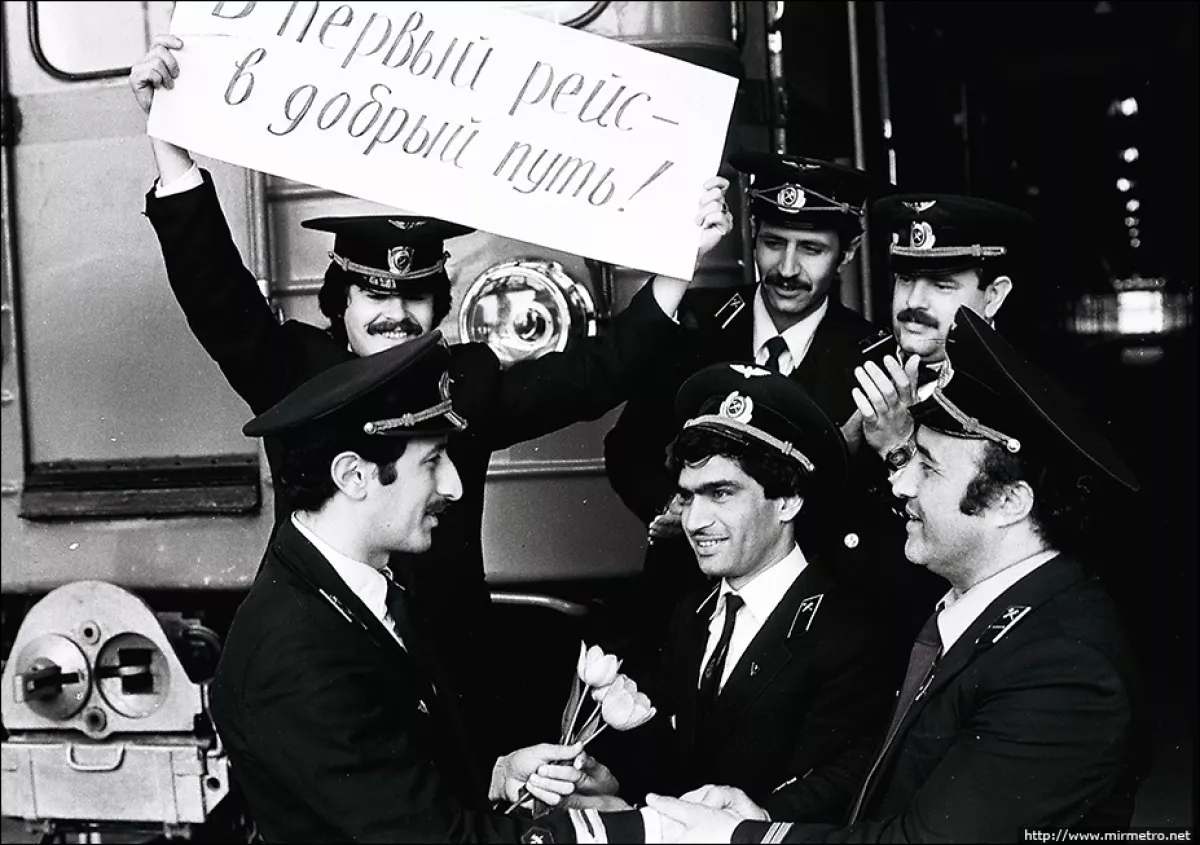
The Baku Metro opened to passengers on November 6, 1967, becoming the fifth metro system in the Soviet Union after those of Moscow, Leningrad, Kyiv and Tbilisi. From its earliest years, its artistic design and monumental mosaic panels made it not only an important part of the city’s transport infrastructure, but also a kind of underground museum.
Mosaic works are an integral part of the appearance of several Baku Metro stations, including Ganjlik, Nariman Narimanov, Neftchilar, January 20 and Nizami.
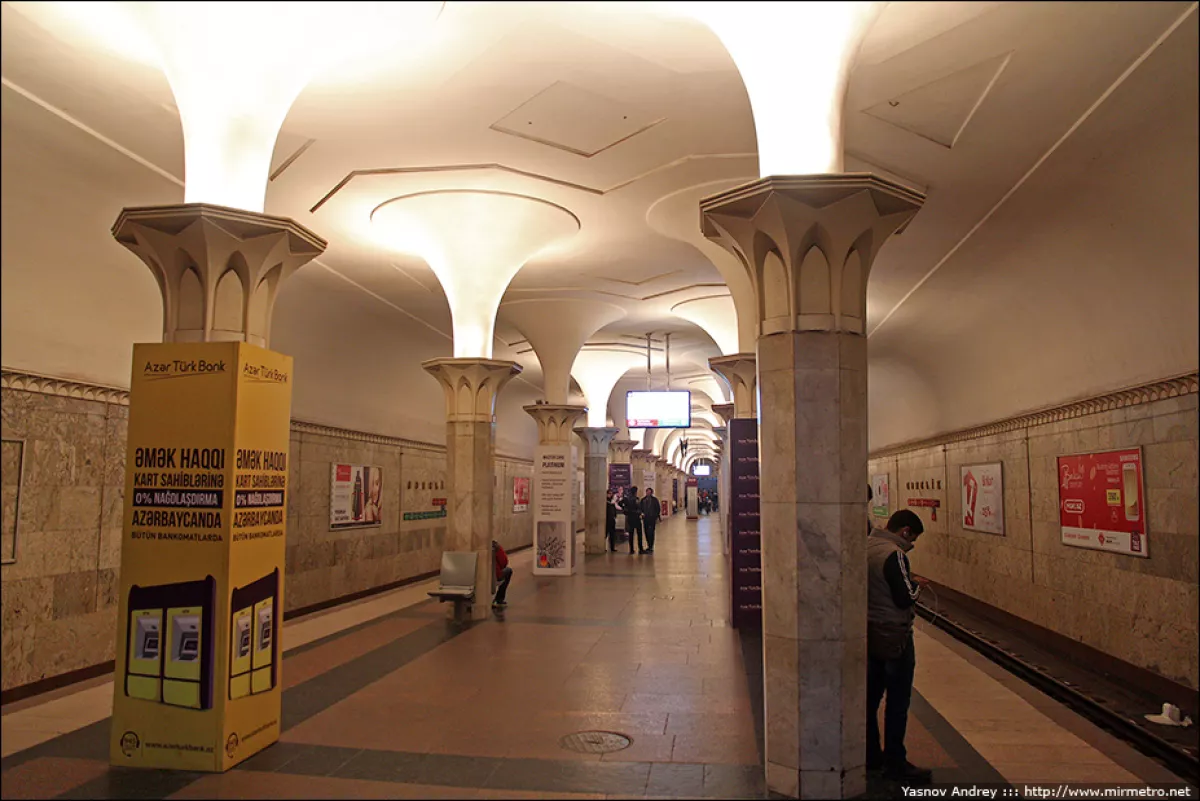
The Ganjlik station stands out from many other stations of the Baku Metro for its distinctive artistic design. While mosaics at most stations are made of smalti, Ganjlik features the Florentine mosaic technique, in which images are created from carefully selected pieces of natural stone.
This is a shallow-level column station that was commissioned in 1967. The columns consist of two parts: the lower, more massive section is clad in marble, while the upper section—the capital—is finished with adhesive whitewash. A special visual effect is created by the way the composite columns appear lower and seem to recede into the distance, creating a sense of perspective and depth.
The columns and cornices along the track walls feature oriental pointed-arch ornamentation. Combined with the soft lighting of the capitals, this visually raises the ceiling, making the station feel lighter, more spacious and brighter.
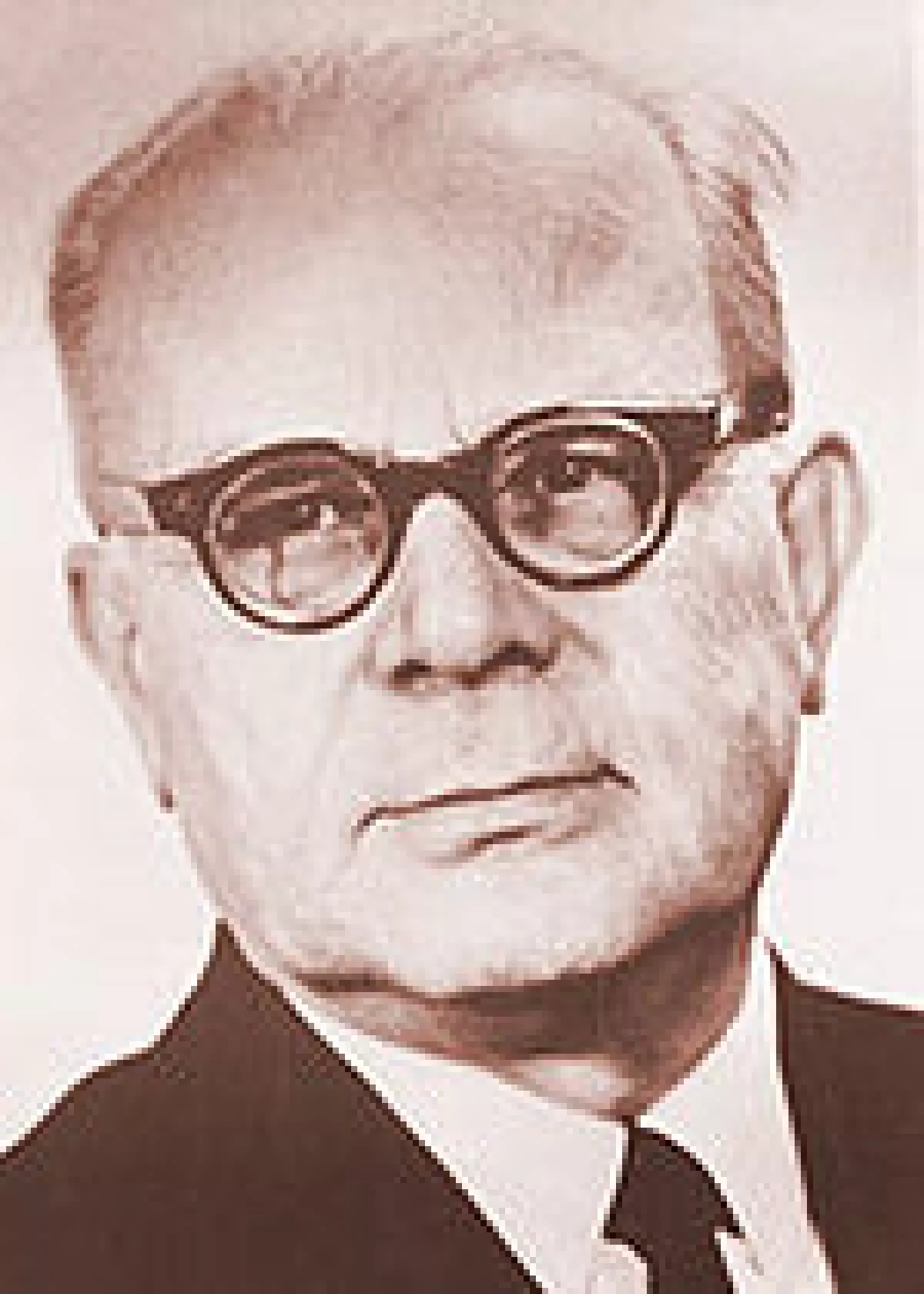
Ganjlik station was designed by the distinguished architect Konstantin Ivanovich Senchikhin, an Honoured Architect of Azerbaijan whose name is closely associated with the development of the architectural character of the Baku Metro. Senchikhin devoted many years to the development of the capital’s underground architecture, leading design projects and contributing to the creation of a number of landmark stations.
His architectural style was distinguished by a combination of engineering precision and artistic expression. In his designs, he sought to achieve a balance between functionality and aesthetics, paying particular attention to details, materials and decorative elements.
Thanks to this approach, Ganjlik station acquired a unique character, in which austere architecture is harmoniously combined with expressive artistic design, including the Florentine mosaic technique, which is relatively rare in metro architecture.
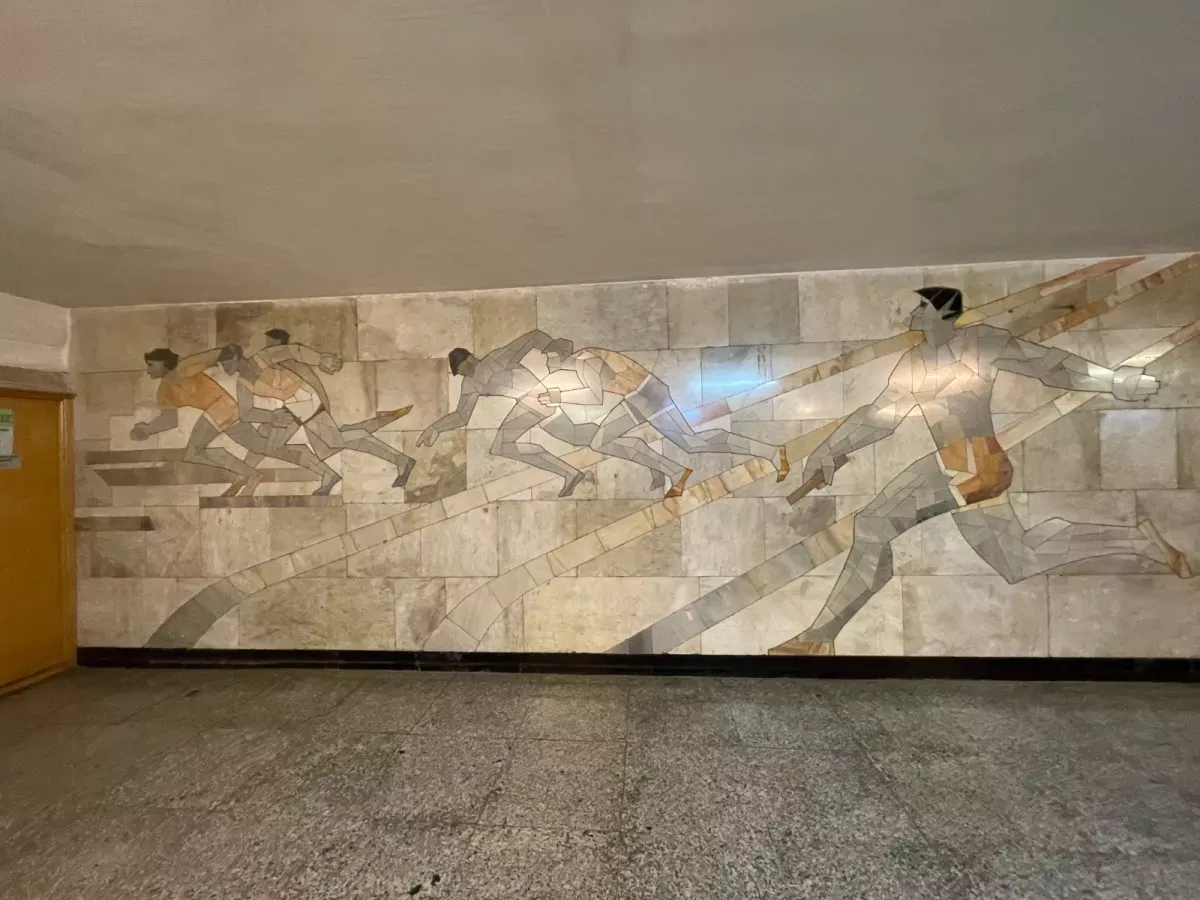
The station features two large mosaic panels created by artist Rasim Khalafov. Their sports theme was inspired by the station’s proximity to the stadium. The panels depict young men and women engaged in dynamic scenes of rowing, wrestling, basketball and running.
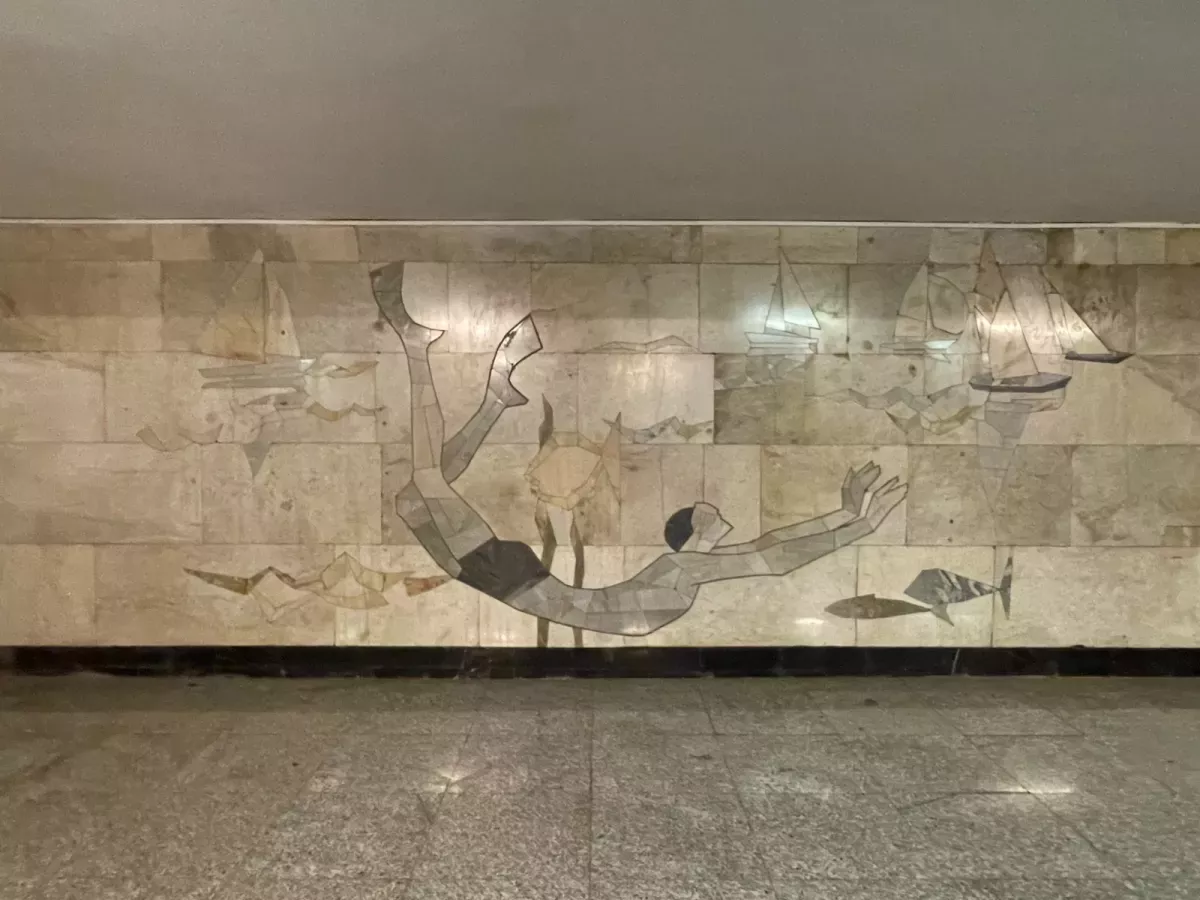
The rich colour palette and variety of textures accentuate the movement and energy of the athletes, symbolising youth, strength and the pursuit of victory. The panels were created by artist and ceramicist R. Khalafov with the assistance of Moscow-based marble craftsmen Yuri Polyushkin and Yevgeny Sinyukov.
Metro stations adorned with mosaics become unique spaces where art becomes part of everyday life. Ganjlik is a striking example of this synthesis of architecture and art. Maintaining a link between the past and the present, the station remains part of Baku’s cultural heritage while continuing to inspire future generations.
By Vahid Shukurov, exclusively for Caliber.Az







 editor@caliber.az
 +994 55 444-88-98
 Азербайджан, Баку, ул. Низами, 203, Af Business House, 5-й этаж