










Azerbaijan’s Army at 108: a legacy of service and victory
Today, June 26, marks the 108th anniversary of the establishment of the Armed Forces of Azerbaijan. On this day, by a decision of the government of the Azerbaijan Democratic Republic (ADR), the first regular military formation—the Separate Azerbaijani Corps—was created. The first major military success came on September 15, 1918, when the ADR Army, together with the Islamic Army of the Caucasus under the command of Nuri Pasha, liberated Baku and the surrounding districts from Armenian-Bolshevik occupation.
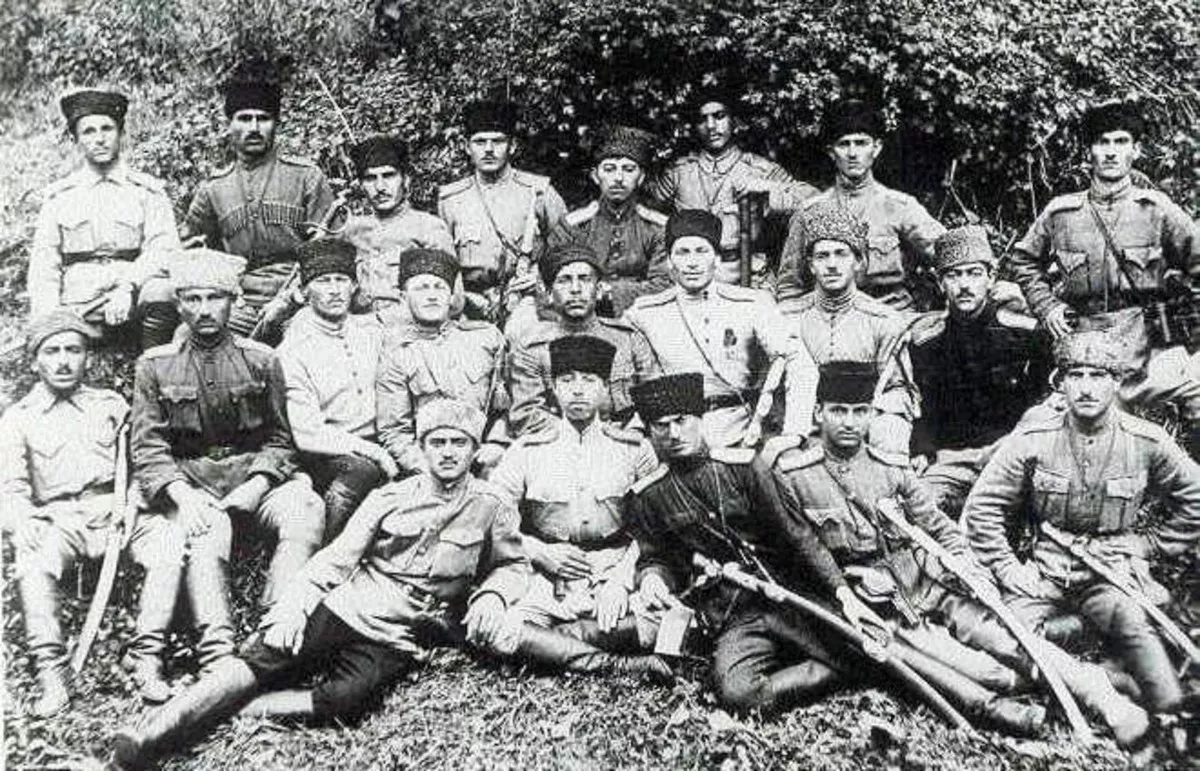
Following the occupation of the ADR in April 1920, the Bolshevik government disbanded the army of the first democratic republic in the Muslim East. From that moment and for the next 70 years, Azerbaijan was deprived of its own national army. The consequences of this became particularly evident at the end of the twentieth century, when the country, having only recently regained its independence, faced armed aggression from Armenia.
The forces that governed Azerbaijan during the first years of independence, due to their lack of professionalism, were unable to build regular armed forces, and the adversary fully exploited this weakness, expanding the occupation of Azerbaijani territories. The situation on the front line was further aggravated by the chaos, anarchy, and economic crisis that prevailed throughout the country, leaving Azerbaijan facing a very real threat to its independence.
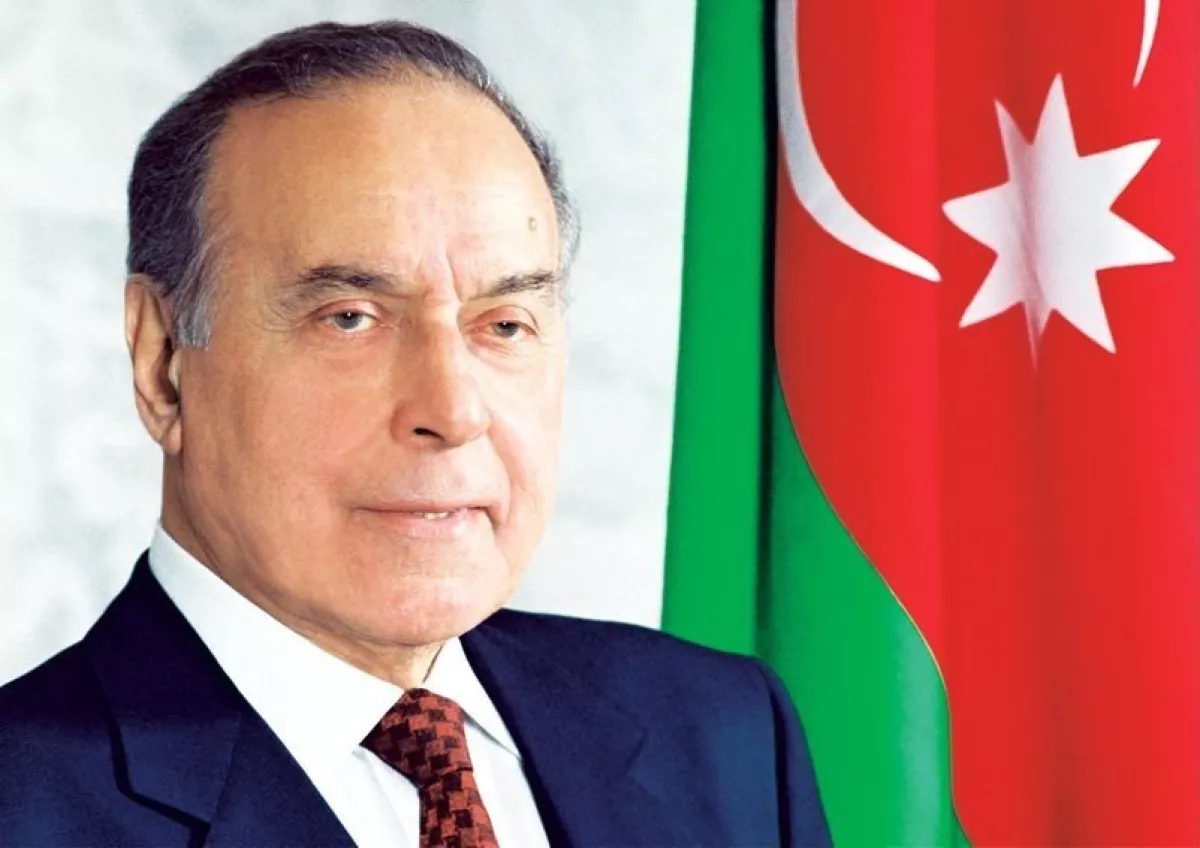
At this critical moment for the young independent republic, the Azerbaijani people made the only right choice—they called upon Heydar Aliyev to lead Azerbaijan. Upon returning to power, the National Leader immediately set the priorities of state policy, placing the formation of the Armed Forces at the forefront. Heydar Aliyev disbanded the uncontrolled armed groups and launched the process of building a regular army. A large-scale mobilisation campaign was carried out, and military units were fully staffed and equipped.
The results of this tremendous effort soon became evident. By order of the Supreme Commander-in-Chief, on the night of January 5–6, 1994, the Azerbaijani Army conducted operations in the Fuzuli direction and dealt crushing blows to the enemy. As a result, 20 villages of the Fuzuli district, the settlement of Horadiz, and the village of Jojug Marjanli in the Jabrayil district were liberated from occupation.
In May 1998, President Heydar Aliyev signed a decree declaring June 26 an official public holiday—Armed Forces Day.
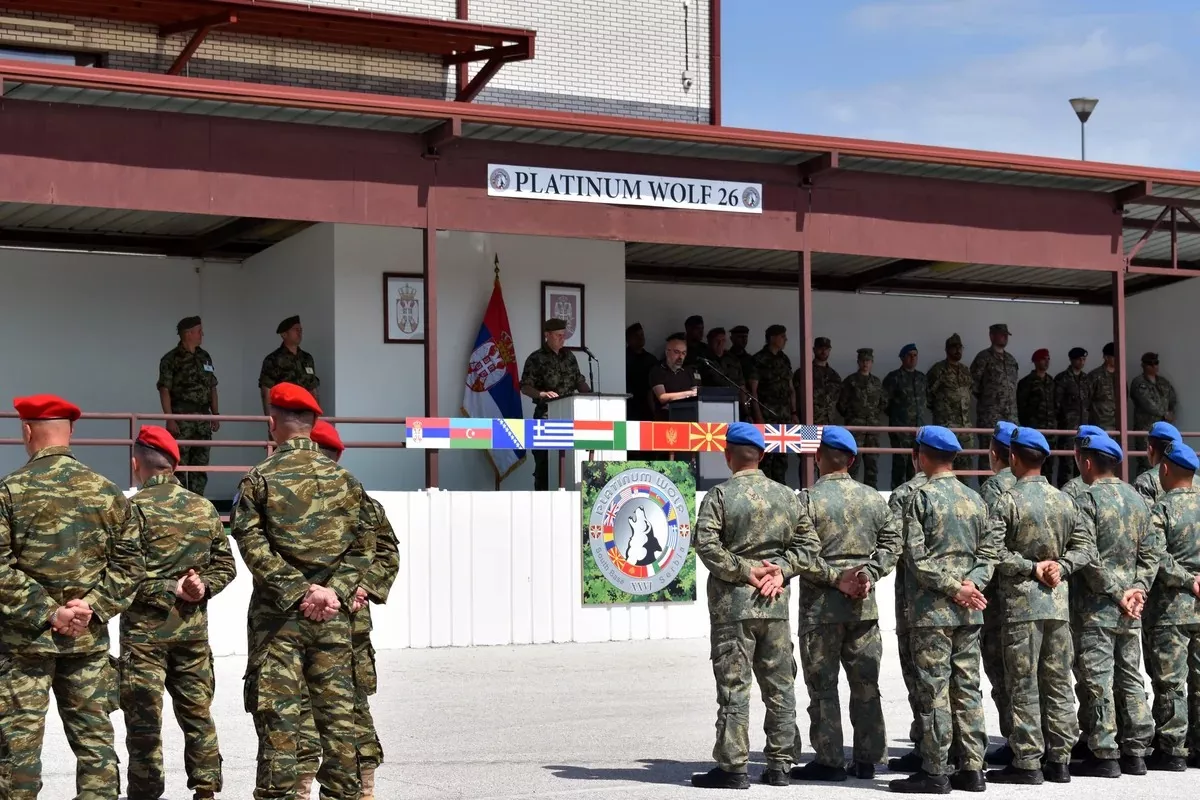
At the dawn of the new millennium, Azerbaijan found itself on the threshold of an era of change, facing historic challenges as well as global opportunities, and chose a course aimed at strengthening its sovereignty and defence capabilities. President Ilham Aliyev, continuing the military-building policy of the National Leader, decided to enhance the country's military power and reform the national Armed Forces in line with NATO standards.
The modernised Azerbaijani Army demonstrated its strength in April 2016, when a swift counteroffensive was launched in response to Armenian provocations. During the operation, Azerbaijani forces destroyed up to 30 tanks, more than 25 artillery systems, and other military equipment belonging to the enemy, while also inflicting heavy personnel losses, with 320 Armenian soldiers and officers killed and more than 500 wounded.
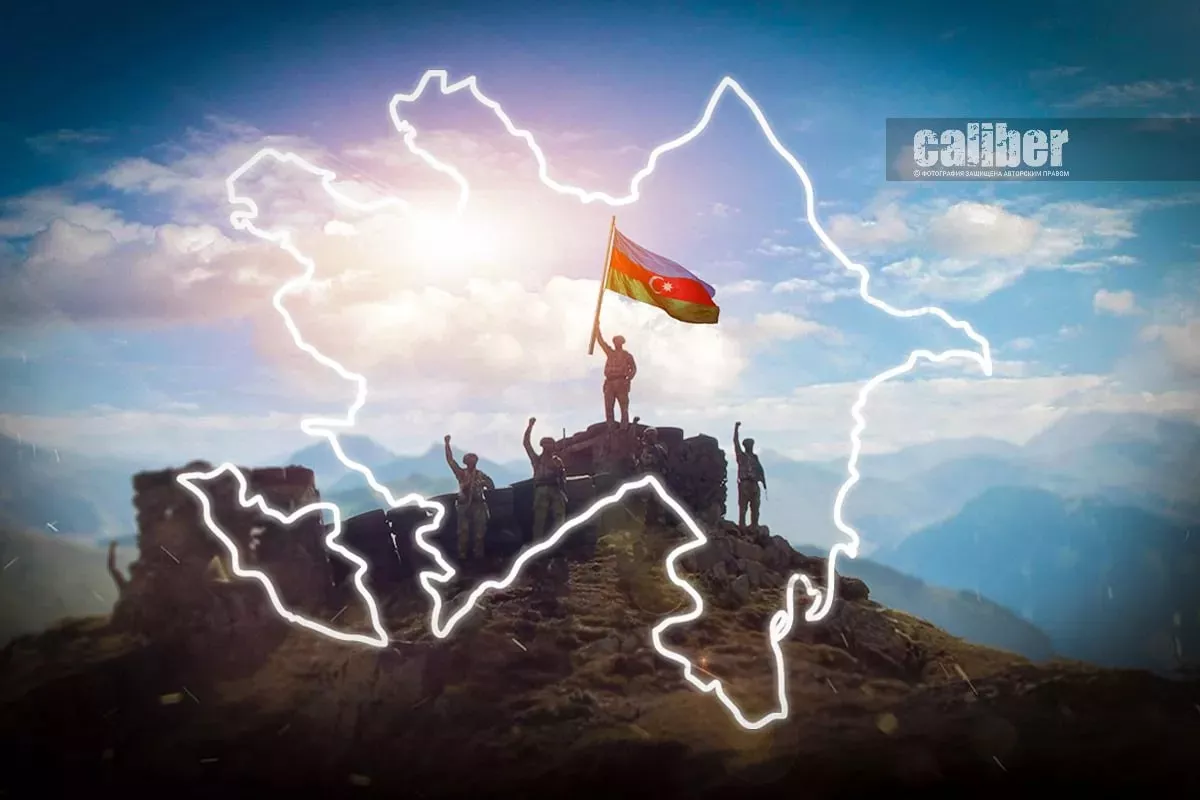
Unwilling to come to terms with this serious defeat, Armenia's military-political leadership staged another large-scale provocation in the Nakhchivan direction in 2018. The Armed Forces of Azerbaijan responded with yet another counteroffensive operation that entered the annals of military history. As a result, the village of Gunnut in the Sharur district, the Aghbulag height, and the Gizilgaya and Garagaya mountains were liberated. Azerbaijani units also established full control over the strategically important Yerevan–Yeghegnadzor–Goris road. In total, the Azerbaijani Army regained control of 11,000 hectares of territory during the operation.
In July 2020, the Armenian side once again carried out a provocation on the Azerbaijan-Armenia conditional border in the Tovuz district. However, all attempts by Armenian forces to seize Azerbaijani positions were decisively thwarted. As a result of the measures undertaken by the Azerbaijani Army, enemy firing positions along the front line, strongholds, armoured vehicles, reserves located deep behind defensive lines, artillery systems, military facilities of various types, and enemy personnel were destroyed.
While repelling the enemy attacks during the Tovuz battles, 12 servicemen of the Azerbaijani Army were martyred.
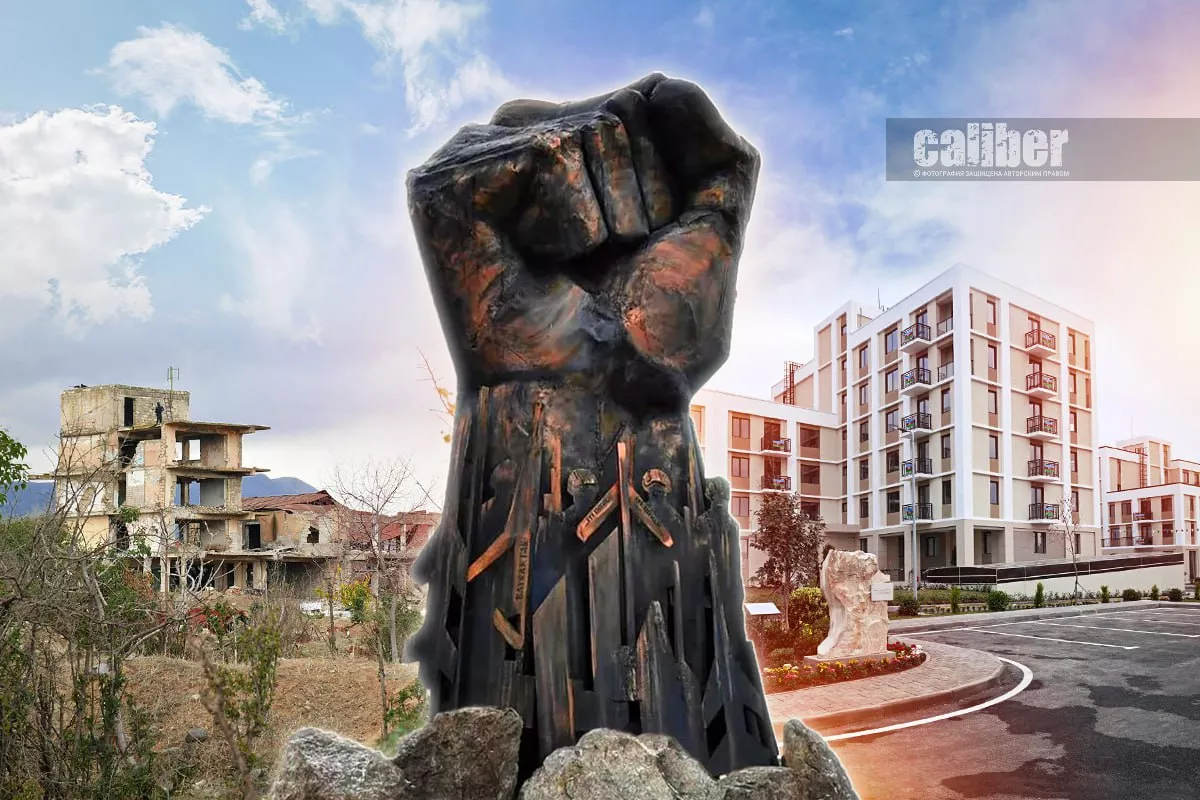
On the morning of September 27, 2020, units of the Armenian armed forces stationed in Azerbaijan’s occupied territories launched intensive shelling of Azerbaijani Army positions and settlements located in the frontline zone. As a result, civilians and servicemen were killed, while civilian infrastructure sustained serious damage. This proved to be the final straw, and by order of the Supreme Commander-in-Chief, President Ilham Aliyev, the Azerbaijani Army launched a counteroffensive operation known as “Iron Fist”.
Over the course of 44 days, the valiant Azerbaijani Army liberated its native lands from occupation step by step and inch by inch. On November 8, 2020, President Ilham Aliyev addressed the nation with the long-awaited news: Shusha, the pearl of Azerbaijan, had been liberated. The Second Karabakh War ended with Armenia’s complete capitulation, a fact formalised by Prime Minister Nikol Pashinyan’s signature on the Trilateral Statement of November 10, 2020.
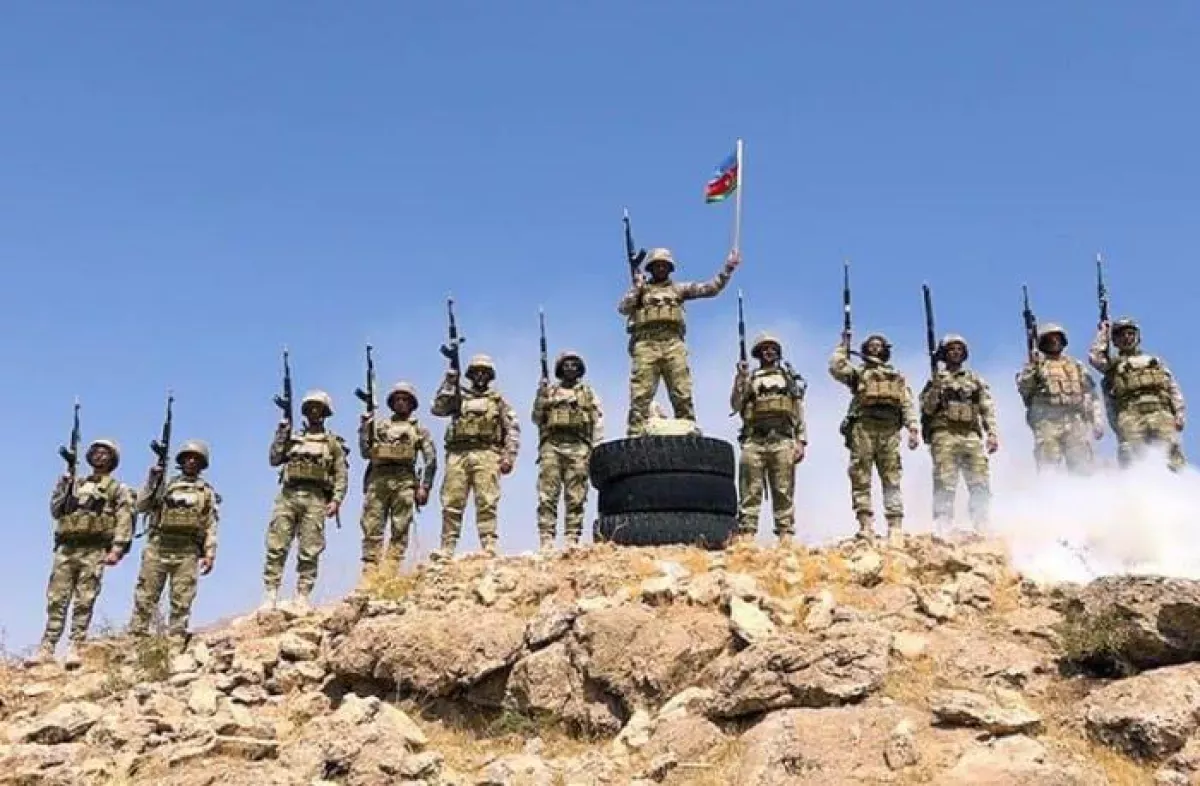
In 2022, in response to a series of Armenian provocations, the Azerbaijani Army conducted Operation Farrukh in March, as a result of which the strategically important Farrukh Mountain came under Azerbaijani control. In August, it carried out Operation Revenge, which resulted in Azerbaijani forces taking control of the Girkhgiz and Saribaba heights along the Karabakh range of the Lesser Caucasus, as well as Mount Buzdukh and the surrounding elevations.
On the night of September 12, 2022, units of the Armenian armed forces carried out a large-scale provocation along three sectors of the Azerbaijan-Armenia border: Dashkasan, Kalbajar, and Lachin. Enemy sabotage groups planted mines on routes between Azerbaijani positions and supply roads in various directions, while a number of Azerbaijani shelters and strongpoints came under intense fire from different types of weapons, including mortars.
The Azerbaijani Army responded decisively to this escalation. Armenian firing positions were suppressed, and the Armenian side suffered substantial losses. According to official Armenian sources, 224 servicemen were killed, three were reported missing, and more than 300 were wounded. The Azerbaijani Army gained control of 53 combat positions, two mortar firing positions, and eight strategically important heights. It also destroyed the permanent deployment site of an Armenian motorised rifle brigade, as well as the launch positions of two S-300 surface-to-air missile systems and two S-125 air defence systems.
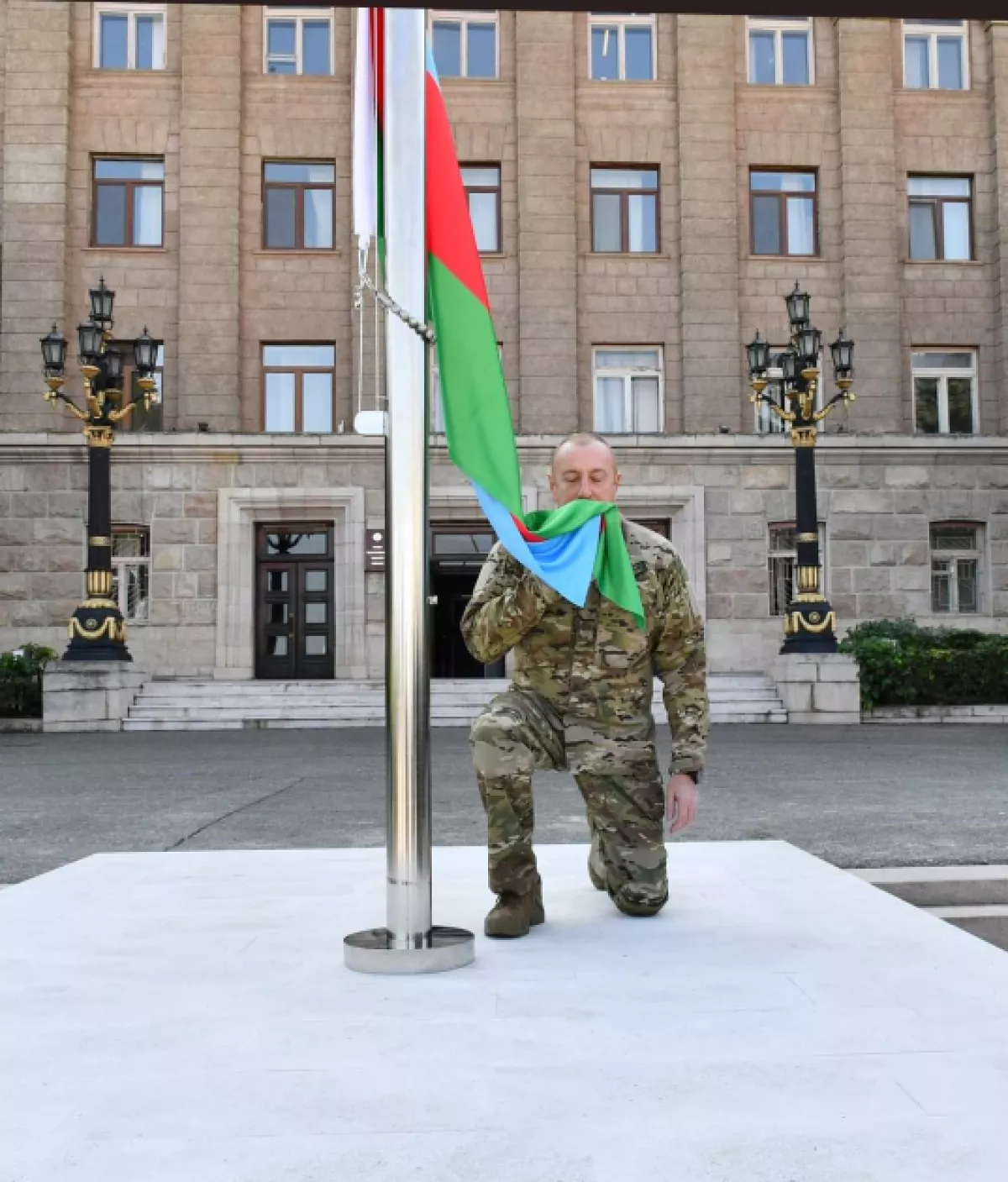
On September 19, 2023, landmines planted by sabotage groups of the Armenian armed forces exploded in Karabakh, killing civilians and servicemen of Azerbaijan’s Internal Troops. In order to prevent further large-scale provocations in the Karabakh region of the country, the Azerbaijani leadership decided to conduct local anti-terror measures, which lasted less than 24 hours.
Within the first hours of the operation, the Azerbaijani Army took control of more than 60 enemy positions. More than 20 pieces of military equipment, over 40 artillery systems and 30 mortars, two surface-to-air missile systems, more than six Mortar electronic warfare stations, and other military assets were destroyed.
As President Ilham Aliyev stated in his address to the nation, “Local antiterrorist measures were started, and all pending objectives were completed in one day. The terrorists were punished, and it was shown to Armenia again that all of their provocations would be met with a fitting response.”
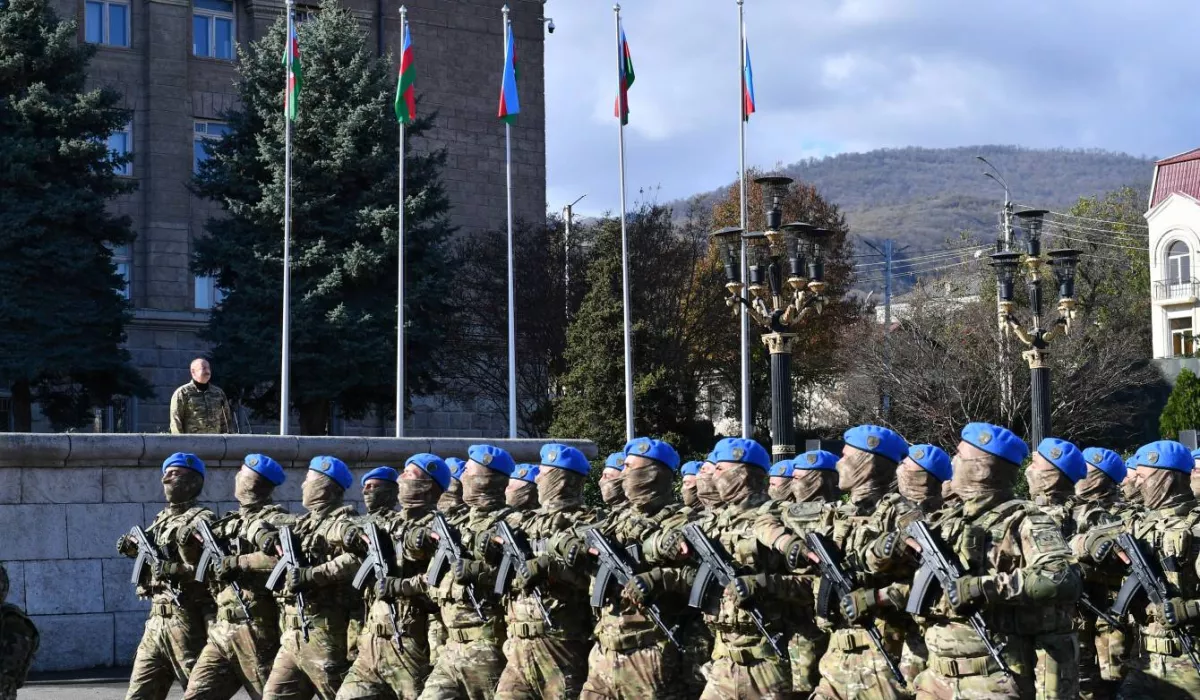
Following its victory in the Patriotic War and the full restoration of Azerbaijan’s sovereignty, the country did not rest on its laurels and has continued to strengthen both its military potential and the combat readiness of its armed forces. As Supreme Commander-in-Chief Ilham Aliyev has noted, today’s Azerbaijani Army is stronger than the one that achieved victory in 2020. This is not merely a figure of speech but a reflection of the extensive work carried out in recent years.
The lessons of war have been translated into reform. Highly mobile Commando brigades have been established, trained according to rigorous international standards and capable of carrying out complex tactical missions in any environment. Command and control structures have been modernised in line with advanced military practices, while military education has been consolidated into a unified system centred on the National Defence University, which is preparing a new generation of professional officers.
Equally important has been the transformation in the relationship between the armed forces and the domestic defence industry. Azerbaijan has ceased to be solely a purchaser of foreign military technologies and now manufactures its own unmanned aerial vehicles and loitering munitions, including the domestically developed Zarba and Arkan systems. This has strengthened not only the country’s arsenal but also its strategic position. A state capable of equipping its own armed forces is less dependent on foreign suppliers and less vulnerable to embargoes. At the same time, by expanding international military-technical cooperation, Baku continues to build a defence capability rooted in its own industrial base rather than relying entirely on imported systems.
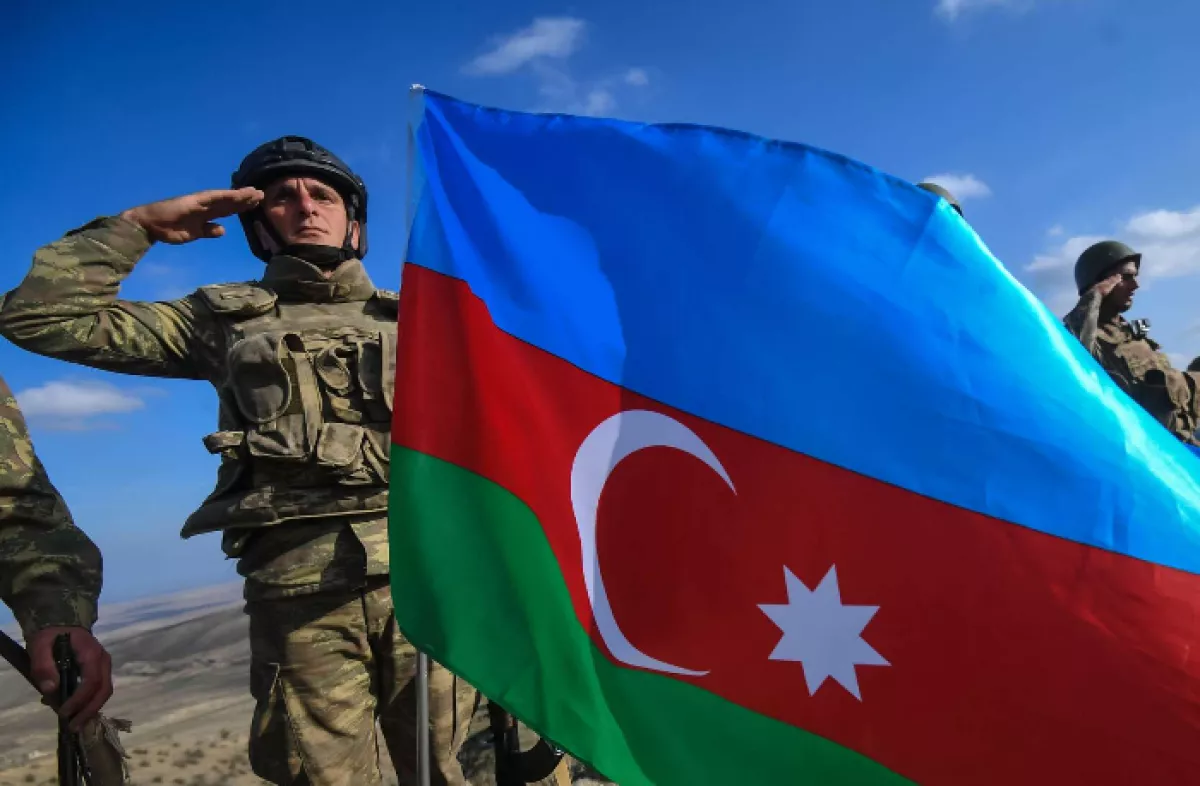
The result is an army whose strength is measured not only by what it has already proven on the battlefield, but also by what it is capable of proving in the future, as well as by its strict adherence to the norms of international humanitarian law—a commitment that was clearly demonstrated during the 44-day war. Not a single weapon of the Azerbaijani soldier was directed against civilians; all military operations conducted by Azerbaijani forces were aimed exclusively at legitimate military targets. This was guided by a fundamental principle: a victor who wages war according to the rules gains something that cannot be secured by force of arms alone—the moral legitimacy that never needs to be justified afterwards.
Today, the experience of Azerbaijan’s national army, which has undergone a difficult and demanding path of development, is studied at leading military institutions around the world. Meanwhile, the Azerbaijani soldier continues to serve in the defence and protection of the country, preserving the traditions of the Separate Azerbaijani Corps and looking to the example of those who gave their lives for the independence of their homeland.
The editorial team of Caliber.Az extends its congratulations to the personnel of the Azerbaijani Army and wishes our servicemen and servicewomen every success in their noble mission: safeguarding the independence, sovereignty, and territorial integrity of Azerbaijan.







 editor@caliber.az
 +994 55 444-88-98
 Азербайджан, Баку, ул. Низами, 203, Af Business House, 5-й этаж