










Azerbaijan: America’s strategic gateway to Eurasia The National Interest on TRIPP and Dead End of Section 907
The American magazine The National Interest has published an article focusing on Azerbaijan’s strategic role in U.S. foreign policy. Caliber.Az presents the most telling parts of the piece.
"The opportunity to solidify US influence and trade integration in the Caucasus won’t last forever. Azerbaijan sits in one of the world’s roughest neighbourhoods, squeezed between Russia to the north and Iran to the south.
Baku offers a rare strategic opening for Washington with immediate payoffs in trade, energy security, and regional deterrence.
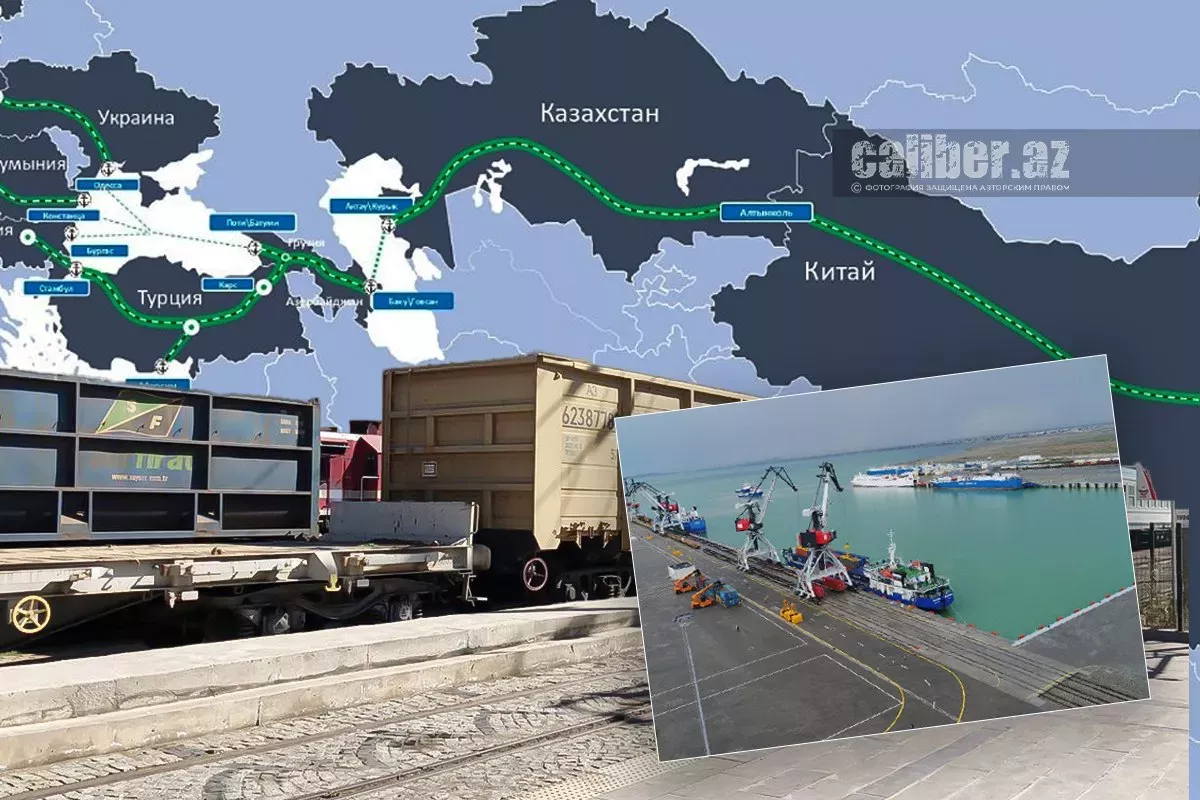
Azerbaijan controls a key stretch of the Middle Corridor—the only land route from Europe to Asia that bypasses both Russia and Iran. It already supplies natural gas to Europe and has helped ease tensions between Jerusalem and Ankara. It has become a bridge to Central Asia, a region the United States has recently prioritized as it seeks alternatives to Chinese rare earths.
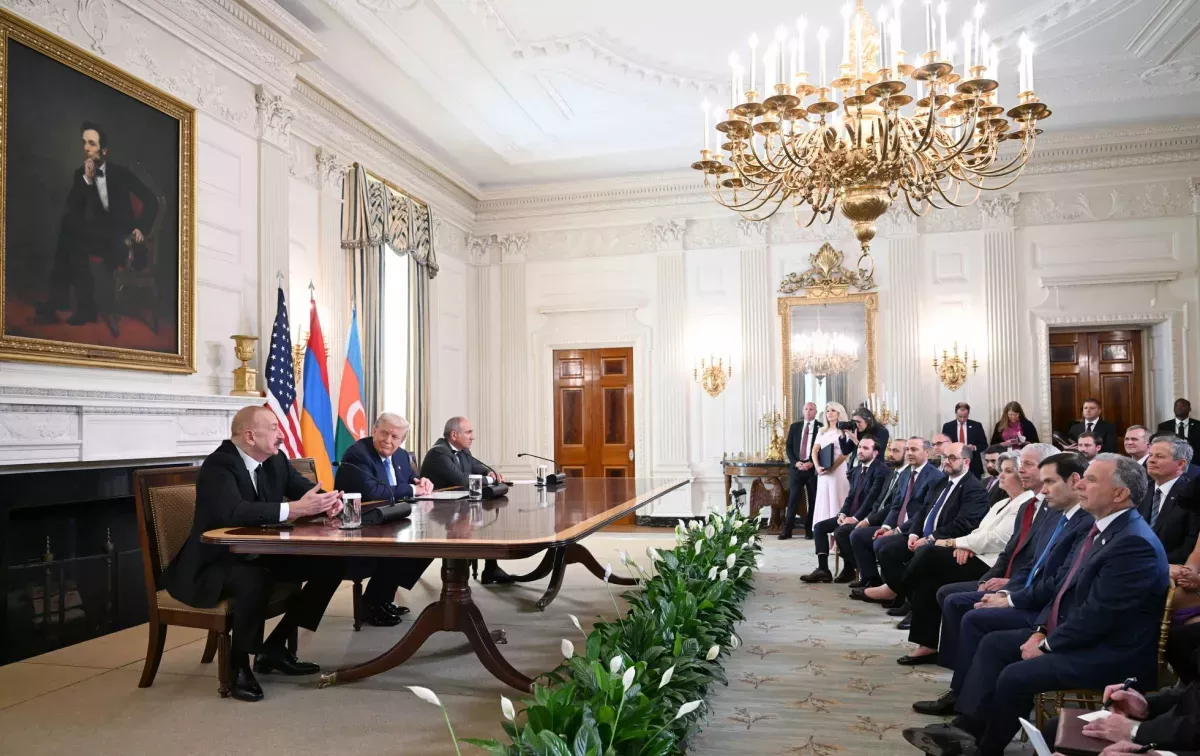
President Donald Trump has recently moved to capitalize on Azerbaijan’s rise. This year, Washington replaced Russia as lead mediator in the Armenia-Azerbaijan peace talks, leading to an August 8 peace summit, one of the largest US foreign policy achievements in the South Caucasus. Referred to as the “Washington Declaration” in political circles, the summit led to concrete pledges to resolve the most sensitive issues preventing normalization. The question now is whether Washington will treat this as a standalone diplomatic win or the foundation of a broader strategy.
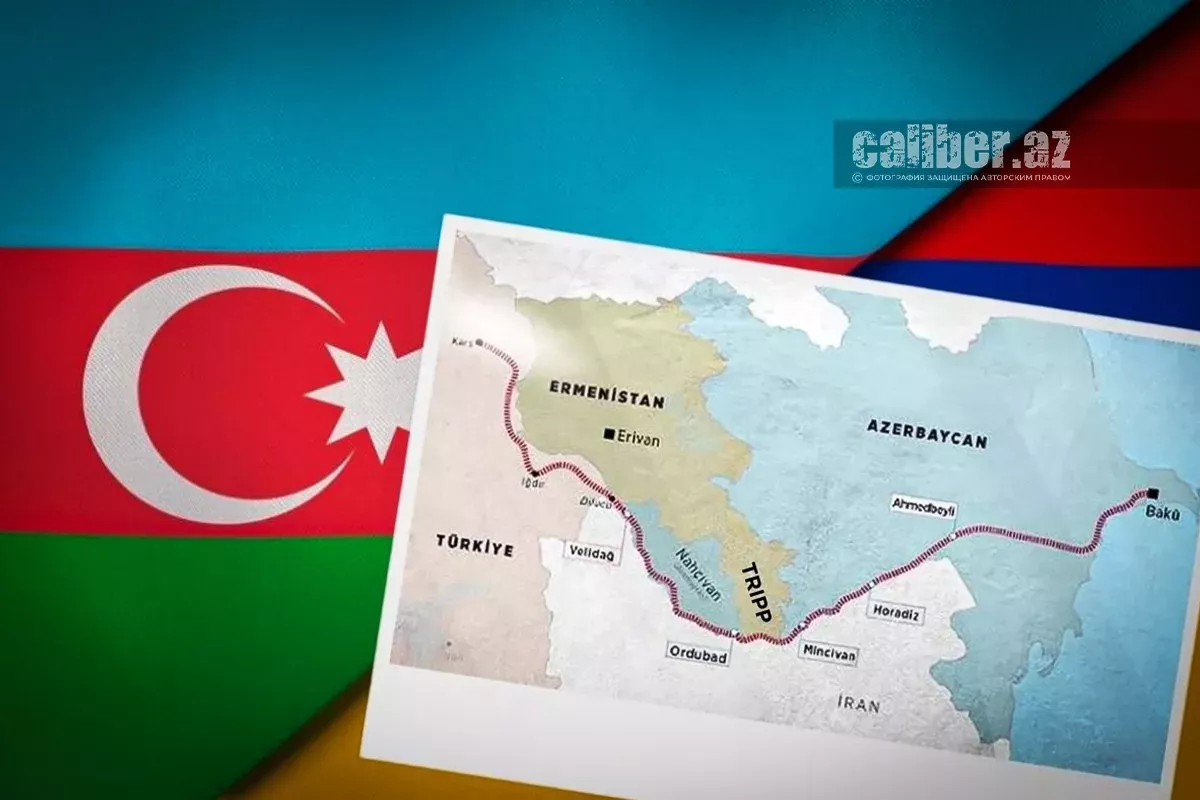
One early test will be the speed of the implementation of a transport, recently rebranded by regional leaders as the “Trump Route for International Peace and Prosperity,” or TRIPP.
One obstacle to TRIPP, however, is Armenia’s fraught political landscape. Washington can reinforce warming relations with Armenia to help overcome this obstacle.
Targeted investment in growth sectors such as Armenia’s emerging AI industry, which recently secured millions of dollars in investment from NVIDIA, would help show voters ahead of the 2026 parliamentary elections that a post-conflict, West-aligned future comes with concrete economic benefits. Peace agreements are more durable when paired with jobs, infrastructure, and a credible path to prosperity.
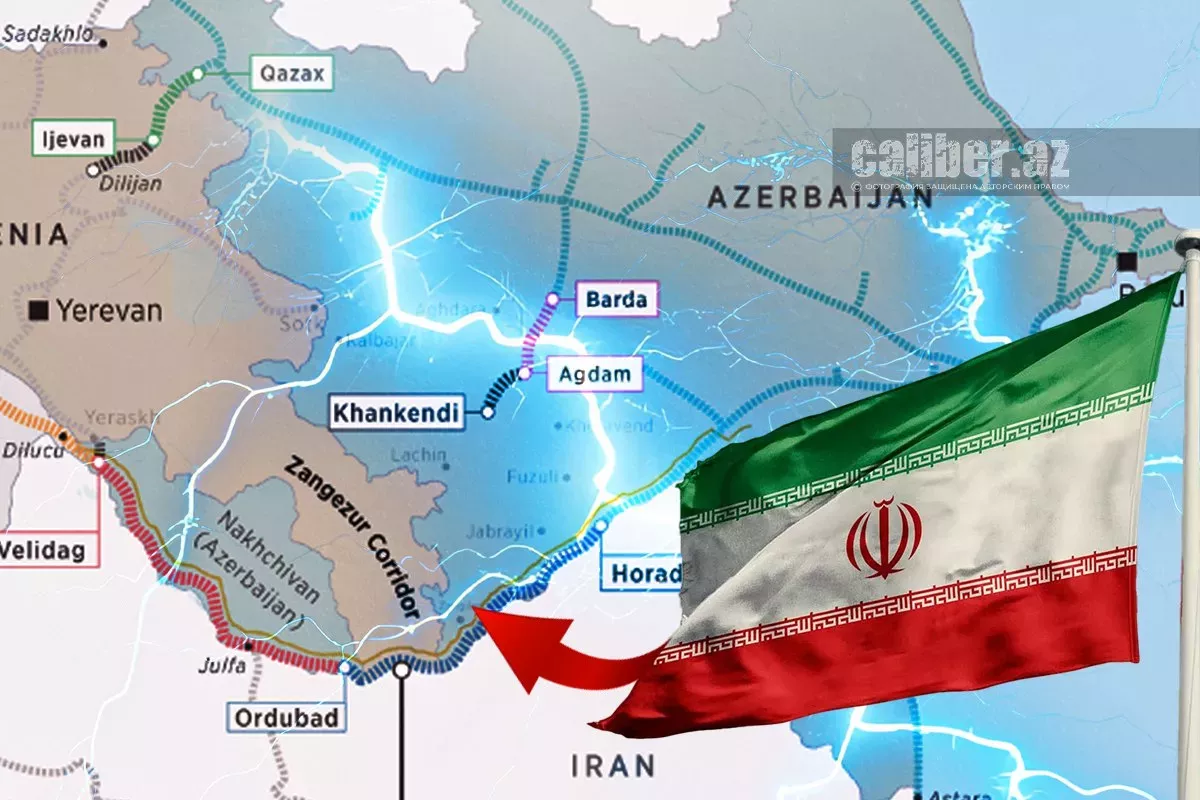
Iran has been the most vocal opponent of TRIPP. A senior advisor to the Supreme Leader, Ali Akbar Velayati, has labeled the project a national security threat
Tehran’s fear is easy to parse: a US-supported corridor would place Iran’s border with Armenia under effective Western oversight.
Azerbaijan has responded by strengthening deterrence. Baku’s recent unveiling of the Israeli Ice Breaker precision-guided missile at a military parade and the high-profile visit of Dr. Daniel Gold, architect of many of Israel’s most advanced systems, signal cooperation at the deepest levels. Military analysts say the Ice Breaker could reshape Caspian naval deterrence.
Iran’s government is struggling, amid the aftereffects of last June’s joint Israeli-US strikes, a looming water crisis, and an economy at a low ebb. This is a moment for Washington to move beyond quiet coordination with Israel and Azerbaijan toward a more explicit strategic dialogue—akin to the working groups that followed the Abraham Accords—that treats the Caspian flank as part of broader planning.
Netanyahu has called for formal trilateral cooperation. For the United States, the logic is straightforward: Deterrence is stronger when it is coordinated and visible.
The upside extends further. Any stable trade route to Central Asia that avoids Russia, China, and Iran must pass through Azerbaijan, making Baku the central access point to Central Asia’s mineral wealth and a hedge against China’s rare-earth dominance. The United States still depends on China for nearly 70 percent of its rare earth supply—a strategic vulnerability Beijing has already exploited twice this year—underscoring the urgency of diversification. That reality should make Baku less a peripheral partner than a central access point for a US-aligned connectivity strategy.
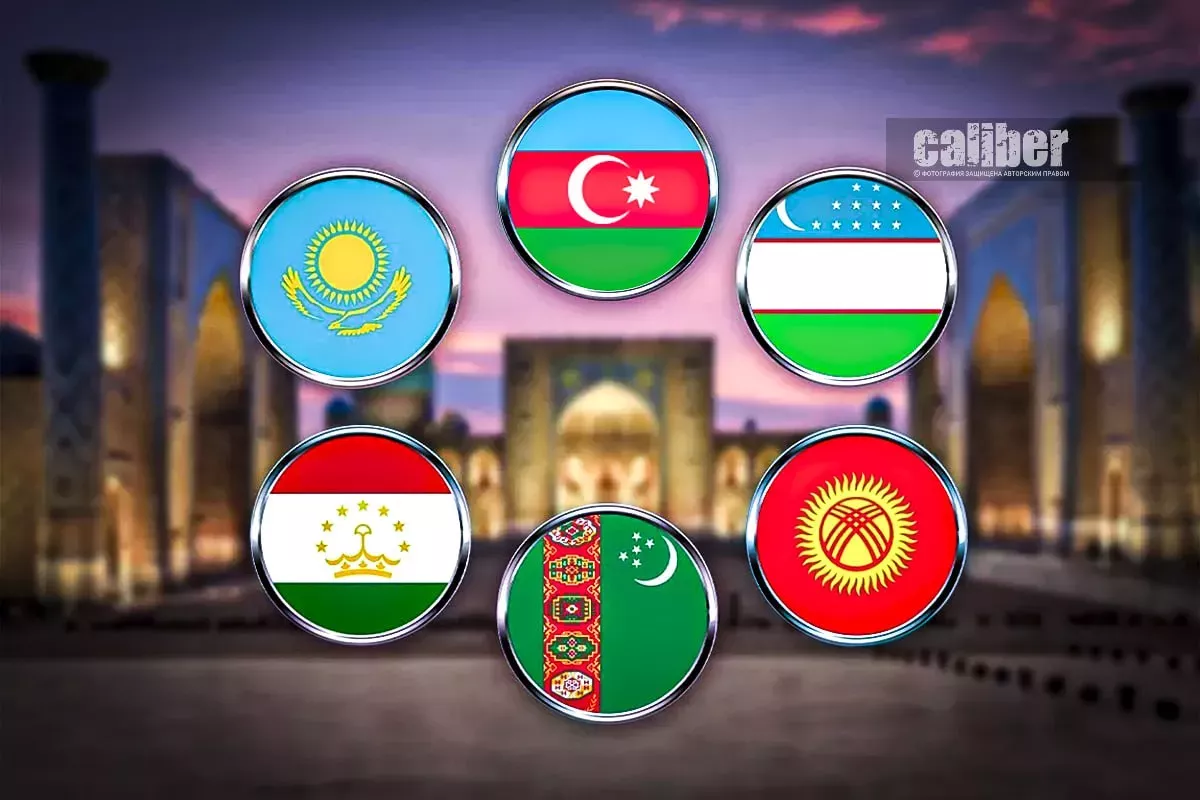
Azerbaijan has embraced this role as a bridge nation. Its leadership in the Organization of Turkic States and its inclusion in Central Asia’s consultative format—expanding the traditional C5 of Kazakhstan, Kyrgyzstan, Tajikistan, Turkmenistan, and Uzbekistan to the C6—reflect an emerging vision of a unified region. Building on that framework, Washington could explore a C6+2 concept that formally includes Israel alongside Azerbaijan and the Central Asian states. This would create a practical platform for coordination on infrastructure, cybersecurity, water management, and corridor security. It could also amplify US influence in a region long dominated by Russia.
Finally, Congress should repeal Section 907 of the Freedom Support Act. In the wake of the current peace momentum, it has outlived its usefulness. Repealing it would remove an outdated barrier to a relationship that is becoming central to US strategy in the region.
A secure east-west corridor, a sustainable Armenia-Azerbaijan settlement, and credible deterrence against Tehran are all within reach—but only if Washington treats Azerbaijan as the pivotal state it has become rather than another peripheral partner. Windows of this kind rarely stay open long," the article writes.
By Aghakazim Guliyev







 editor@caliber.az
 +994 55 444-88-98
 Азербайджан, Баку, ул. Низами, 203, Af Business House, 5-й этаж