










“Black gold” on thin ice Putin’s visit puts India to the test
The upcoming visit of Russian President Vladimir Putin to India is one of the topics widely discussed in the media. According to the Kremlin, Putin will visit New Delhi on December 4–5 at the invitation of Narendra Modi to participate in the Russia–India Forum, and will also hold talks with the country’s Prime Minister and President Droupadi Murmu. This is the first visit by the Russian head of state to India since the beginning of the war in Ukraine.
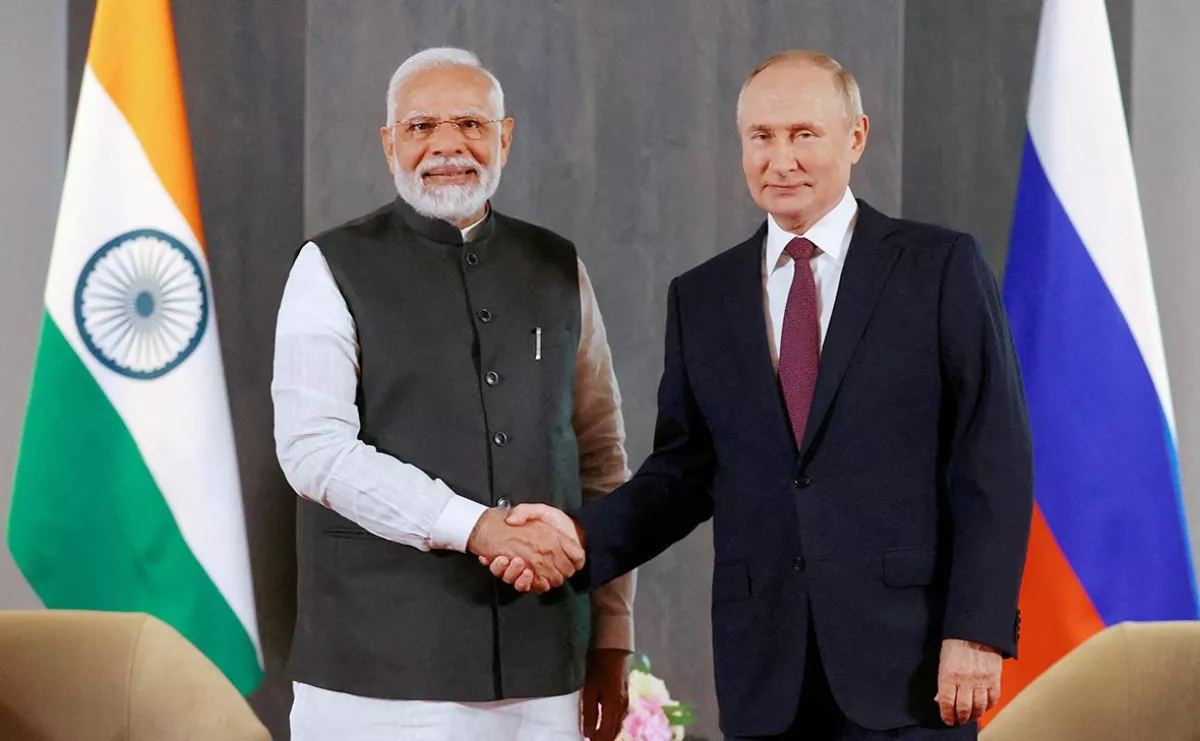
Notably, over the past three years, in light of significant geopolitical developments, relations between the two countries have undergone certain changes. Therefore, we believe the outcomes of this visit will determine how capable the Moscow–New Delhi alliance is of withstanding American sanctions, and—most importantly—whether India will be able to protect its Eurasian interests, particularly in the energy sector, under U.S. economic pressure.
It is worth recalling that in August of this year, the United States imposed additional 25% tariffs on Indian goods in response to India’s purchases of Russian “black gold.” At that time, tariffs on Indian imports to the U.S. jumped to 50%, striking a blow to several sectors of the Indian economy. On October 22, Washington imposed sanctions on LUKOIL, Rosneft, and 34 of their subsidiaries, delivering a real shock to New Delhi. By that point, Russian “black gold” accounted for up to 40% of India’s total crude oil imports.
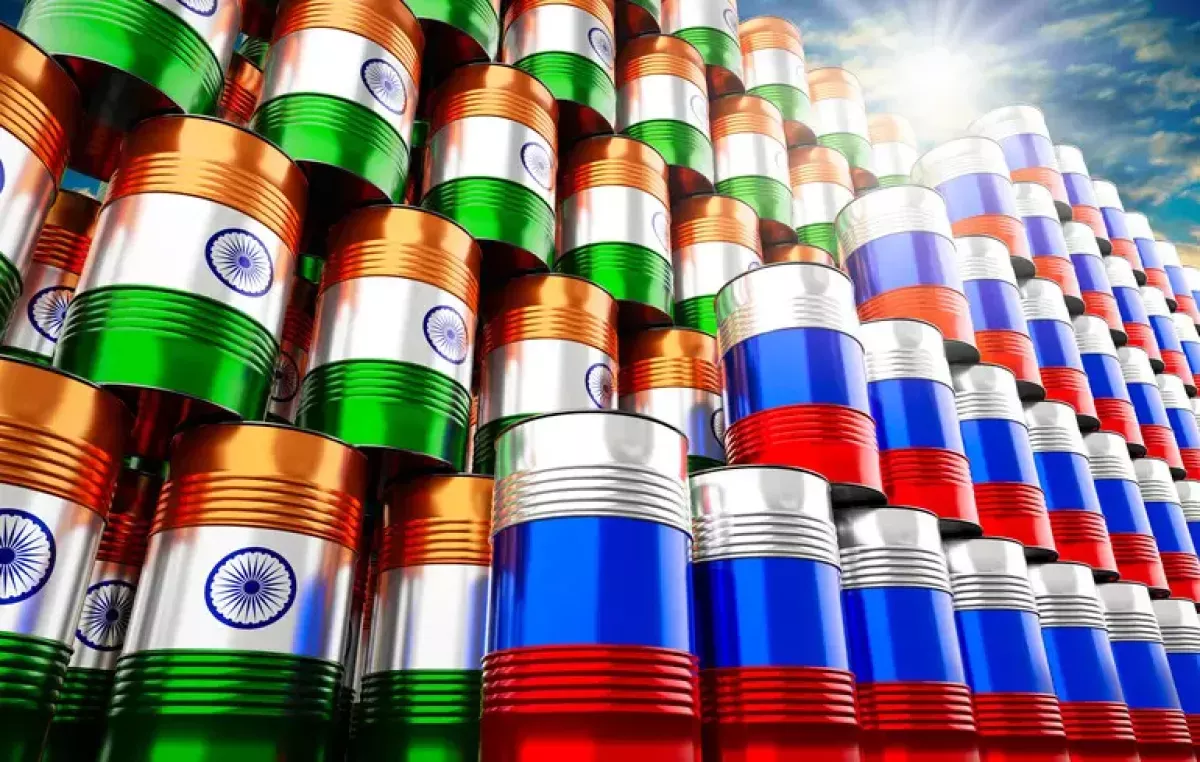
Following this, leading Indian refiners, not willing to risk violating U.S. sanctions, suspended new orders from Russia. At the same time, state-owned Indian refineries such as Hindustan Petroleum Corporation and Mangalore Refinery secured alternative deals to purchase 5 million barrels of crude oil from the U.S. and Middle Eastern countries. However, according to Bloomberg, the situation has shifted somewhat in recent days, with Indian banks now willing to consider financing Russian oil trade, provided the suppliers are not on blacklists and the transactions comply with sanction regulations.
This development can be seen as a continuation of Modi’s policy of indirectly financing the war in Ukraine, a point repeatedly noted in the West. It should be recalled that the Indian government has effectively supported the war in Ukraine almost from its outset, despite publicly assuring the international community of its willingness to help resolve the conflict. For instance, in October 2024, the Indian Prime Minister, during a meeting with the Russian President in Kazan, stated that “We fully support the early restoration of peace and stability. All our efforts give priority to humanity. India is ready to provide all possible support in the times to come.” In practice, however, Modi’s cabinet continued purchasing Russian oil, further fueling the Russian–Ukrainian confrontation.
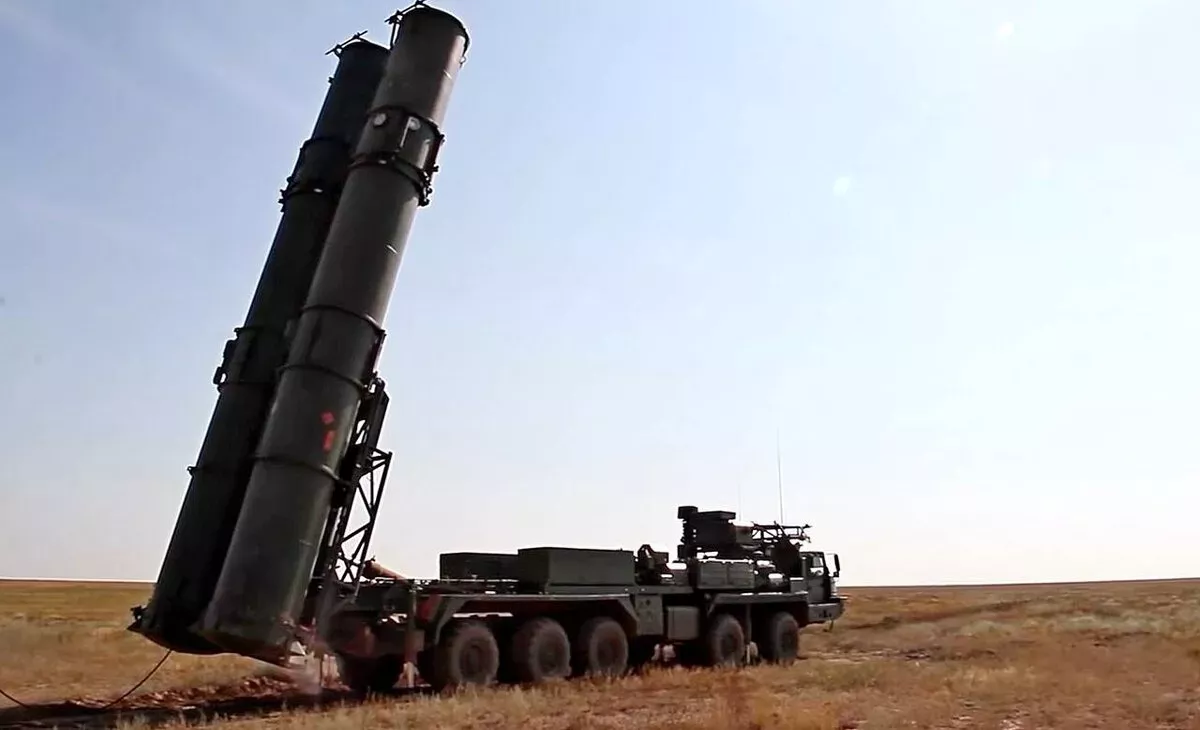
In the context of Vladimir Putin’s visit to India, the factor of growing military cooperation between Moscow and New Delhi also deserves special attention, as this has long been a “pillar” of Russian–Indian relations. In particular, Bloomberg recently reported India’s plans to acquire Russian Su-57 fighter jets and S-500 missile defence systems. These topics will likely be a major point of discussion between the two leaders.
According to a report by the Stockholm International Peace Research Institute (SIPRI), Russia remains India’s largest supplier of military equipment, although Modi’s government seeks to maintain some balance between the U.S. and Russia in this area. For instance, India’s Defence Minister Rajesh Kumar Singh recently stated that the country will continue purchasing defence equipment from both Moscow and Washington.
However, despite this desire for parity, by expanding military cooperation with Russia, India risks another wave of U.S. disapproval, which seems inevitable given the significant disagreements between Moscow and Washington over the Ukrainian crisis. Nevertheless, it appears that New Delhi’s strategic interests may outweigh the impact of American sanctions, primarily due to serious gaps in India’s military capabilities.
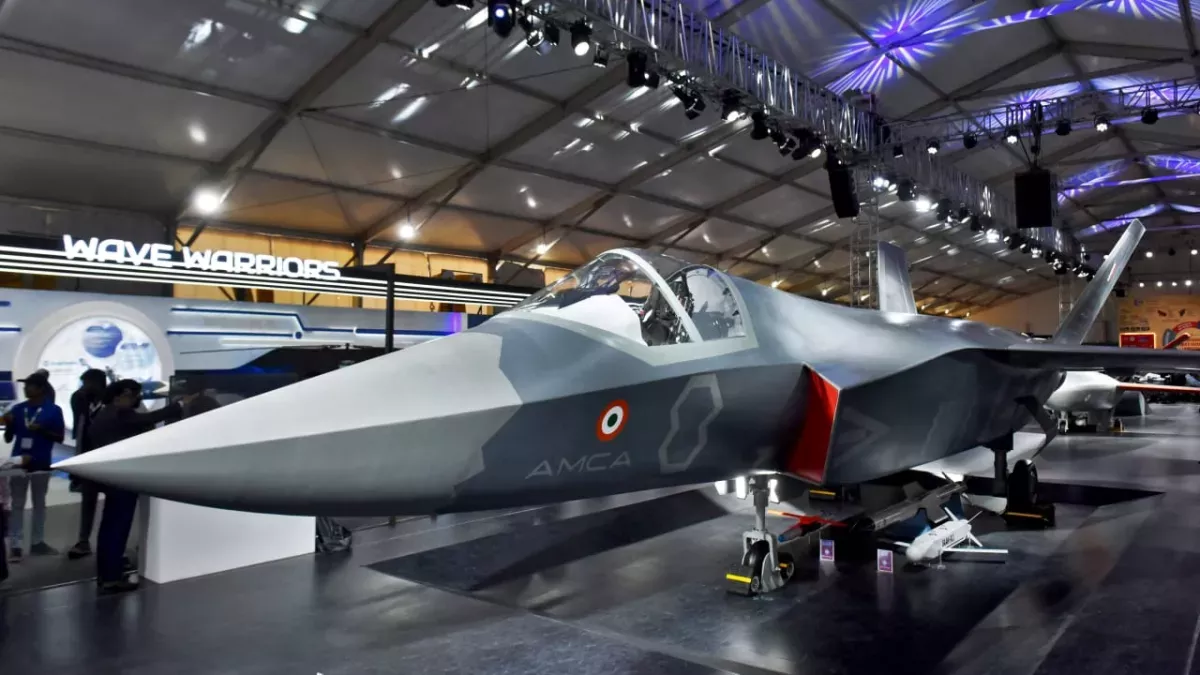
A telling example in this regard came at the end of last month, when Armenia—a significant buyer of Indian arms—suspended negotiations with New Delhi to purchase 12 Tejas fighter jets worth $1.2 billion. This followed the crash of the aircraft, which had been under development since 1982 and was intended to replace India’s ageing MiG-21s, during an airshow in Dubai. The incident highlighted India’s vulnerabilities in the military sector and dealt a blow to its ambitions of becoming one of the world’s major exporters of lethal weapons. As a result, it is crucial for India to expand cooperation with Russia, including in military technology—a field that remains its “Achilles’ heel.”
In summary, considering India’s imperial ambitions and the openly nationalist policies of Modi’s cabinet, the likelihood that the U.S. factor will hinder the strengthening of Moscow–New Delhi cooperation appears very low. It seems likely that the outcomes of the Russian leader’s visit to India will clearly confirm this.







 editor@caliber.az
 +994 55 444-88-98
 Азербайджан, Баку, ул. Низами, 203, Af Business House, 5-й этаж