










IsDB invests in agriculture: $436 million boost for Azerbaijan’s farms Caliber.Az review
In recent years, Azerbaijan’s agricultural sector has struggled with limited productivity. Apart from grains, cotton, certain vegetables, and fruit crops, overall industry growth has remained modest. Small-scale farms face weak agrotechnical capacity, while challenges such as water shortages, insufficient pasturelands, and limited access to bank credit further constrain development.
Domestic farmers continue to seek preferential financing, making international support particularly valuable. In response, the Islamic Development Bank (IsDB) has stepped in: its Board of Executive Directors recently approved a $436.67 million allocation to Azerbaijan to strengthen the productivity and resilience of its agricultural sector.
According to “Azerbaijan 2030: National Priorities for Socio-Economic Development” and the “Law on Food Security,” reforms in the agricultural sector are focused on boosting productivity through the adoption of advanced agrotechnologies. The country is rolling out efficient irrigation systems, implementing a digital management platform for the sector, and initiating the development of new farmland in the Karabakh region. Plans are also in place to reduce costs in the processing and food industries by expanding localised production within agro-parks, aiming to increase the share of export-oriented products.
Exports play a crucial role in supporting agricultural production and processing. Supplies of tomatoes, other seasonal vegetables, fruits, nuts, and cash crops such as cotton and tobacco are key drivers of sector growth. According to the latest “Export Review” by the Centre for Analysis of Economic Reforms and Communications (CAERC), total exports of agricultural and agro-industrial products from Azerbaijan rose by 18.9% in 2025, reaching $1.3 billion.
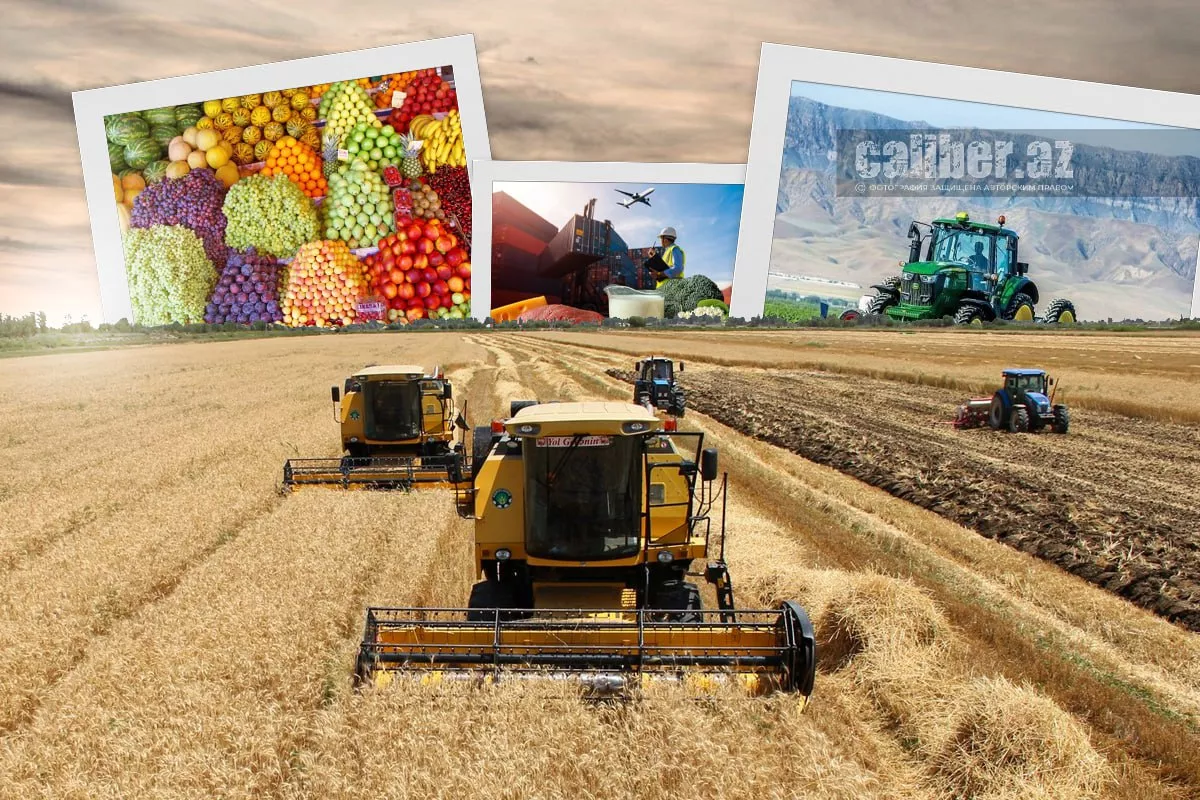
Nevertheless, small-scale farms—estimated at around 200,000—remain poorly equipped and face challenges in accessing preferential financing. As a result, limited adoption of modern agrotechnical methods, low use of chemical inputs, inefficient irrigation, and restricted access to contemporary agricultural machinery prevent these farms from achieving yields comparable to those of the country’s large agro-parks.
Irrigation challenges are particularly pressing in Azerbaijan. The country’s water balance has declined by at least 15% over the past 20 years, and the Food and Agriculture Organization of the United Nations (FAO) ranks Azerbaijan among the 20 countries worldwide facing the most severe freshwater shortages. Environmental experts warn that accelerated desertification could further reduce the country’s water resources by an additional 20% by 2050.
Collectively, these challenges are reflected in the slow growth of Azerbaijan’s agricultural sector. In 2025, agriculture, forestry, and fisheries contributed only 5.9% of the country’s GDP. The sector’s low development is further highlighted by data from the State Statistical Committee: total agricultural production in 2024 reached just over 12.995 billion manats (≈ $7.64 billion), representing a modest 1.5% increase.
Data for January–October 2024 show even slower growth. Total output amounted to approximately 12.529 billion manats (≈ $7.37 billion), a rise of only 1%. Several subsectors experienced declines, including vegetable production (-2.8%), potato production (-1.3%), melons and gourds (-6.3%), wool (-1.3%), and silk (-22.1%).
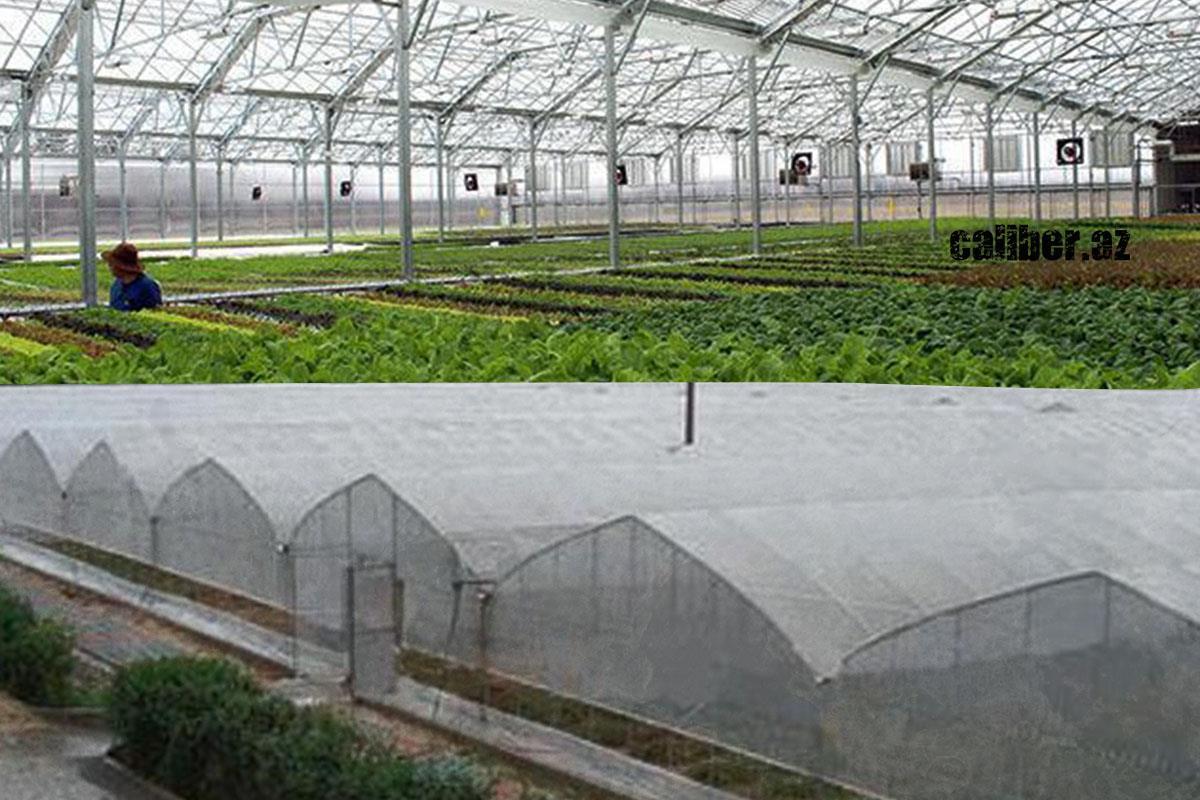
The current year also shows little sign of improvement. According to the State Statistical Committee, in January 2026, Azerbaijan produced agricultural products worth 582.6 million manats (≈ $342.7 million), with growth of just 0.1%, effectively within the margin of error.
Approximately 35% of Azerbaijan’s employed population is directly or indirectly engaged in agriculture, noted Mammad Musayev, President of the National Confederation of Entrepreneurs (Employers’) Organisations of Azerbaijan. Yet, only 1.8% of the total portfolio of the country’s credit institutions—571 million manats (≈ $335.9 million)—was allocated to agriculture, forestry, and fisheries. These figures underscore the urgent need for additional financial instruments to improve access to credit in the agricultural sector.
At the end of the 20th century and during the first decade and a half of the 21st, international financial institutions (IFIs)—primarily the World Bank, Asian Development Bank, and Islamic Development Bank (IsDB)—played a key role in providing concessional loans and grants to domestic farms, rural communities, water-user associations, and credit unions. They also financed the construction of irrigation systems and other agricultural infrastructure.
However, after the energy and banking crisis of 2014–2016, followed by the pandemic and economic recession, the role of IFIs in supporting Azerbaijan’s agro-industry noticeably declined. This makes the recent step by the IsDB particularly significant: the bank approved a $436.67 million allocation to Azerbaijan to boost agricultural productivity. According to the IsDB, the funding aims to reduce irrigation water losses and promote sustainable rural development in line with the “Azerbaijan 2030” national priorities.
According to the Islamic Development Bank (IsDB), the approved projects reflect the bank’s strategic focus on promoting sustainable and inclusive growth in its member countries. By addressing key challenges in infrastructure, energy, water resources, transport, and industrial development, these initiatives are expected to deliver long-term benefits and make a significant contribution toward achieving the United Nations Sustainable Development Goals (SDGs).
Specifically, the project in Azerbaijan is designed to support “green” growth, enhance climate resilience, and ensure long-term food security.
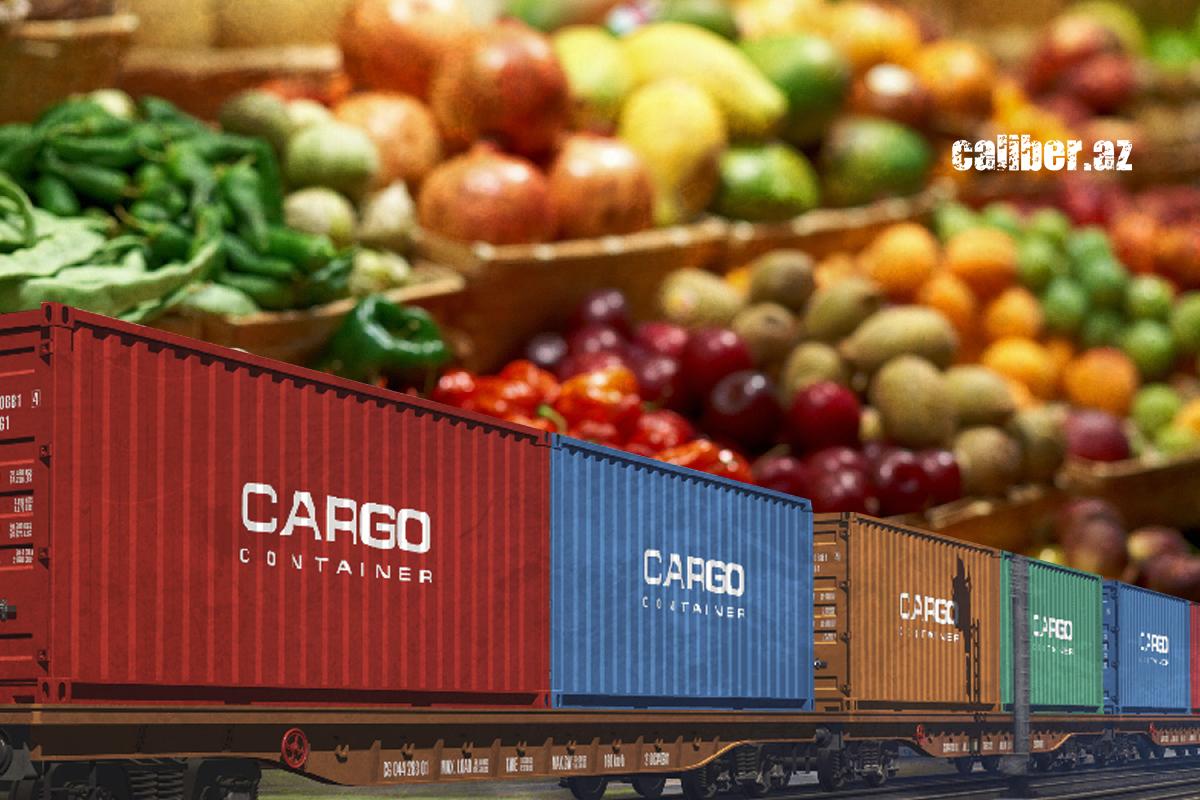
Azerbaijan has been a member of the Islamic Development Bank (IsDB) since 1992, holding a 0.13% share in the bank’s capital. By the end of 2024, the total approved financing for Azerbaijan from the IsDB Group had reached $1.298 billion across 81 projects.
Previously, IsDB loans to Azerbaijan’s water supply and sanitation sector enabled the construction or reconstruction of more than 100 small regional water networks in rural communities, benefiting 75,000 residents. In the agriculture sector, IsDB financing supported irrigation projects covering 85,000 hectares of land and facilitated the purchase of modern agricultural equipment for farmers.
Notably, in January 2024, the Azerbaijani government and the IsDB signed a memorandum on the preparation of a framework cooperation programme. Among the priorities are financing “green” energy, transport, and ICT, participation in Karabakh reconstruction projects, as well as support for the agricultural sector and irrigation infrastructure, among others.
These agreements are being actively implemented: during the UN Climate Conference (COP29), an arrangement with the IsDB was reached to finance the construction of a main irrigation canal from the Giz Galasi reservoir. Azerbaijan has received technical assistance and access to a $96.73 million credit line to build a 52-kilometre main irrigation channel in East Zangezur, which will provide water to approximately 1.6 million users.
Furthermore, under the memorandum of understanding signed between the IsDB and the Ministry of Economy of Azerbaijan, the bank committed to supporting projects that enhance competitiveness and diversification of the non-oil sector, including agricultural exports, the introduction of innovations in farming, and the creation of a “halal” ecosystem in agricultural production and the food industry.







 editor@caliber.az
 +994 55 444-88-98
 Азербайджан, Баку, ул. Низами, 203, Af Business House, 5-й этаж