










Pashinyan’s double-edged diplomacy Article by Vladimir Tskhvediani
Georgia, in its complex relations with a united Europe, has unexpectedly gained an “advocate.” On March 11, 2026, Armenian Prime Minister Nikol Pashinyan, speaking at the European Parliament, expressed interest in developing a “constructive process” between the EU and Georgia, while also emphasising Georgia’s importance to his country as a “pathway to the European Union.”
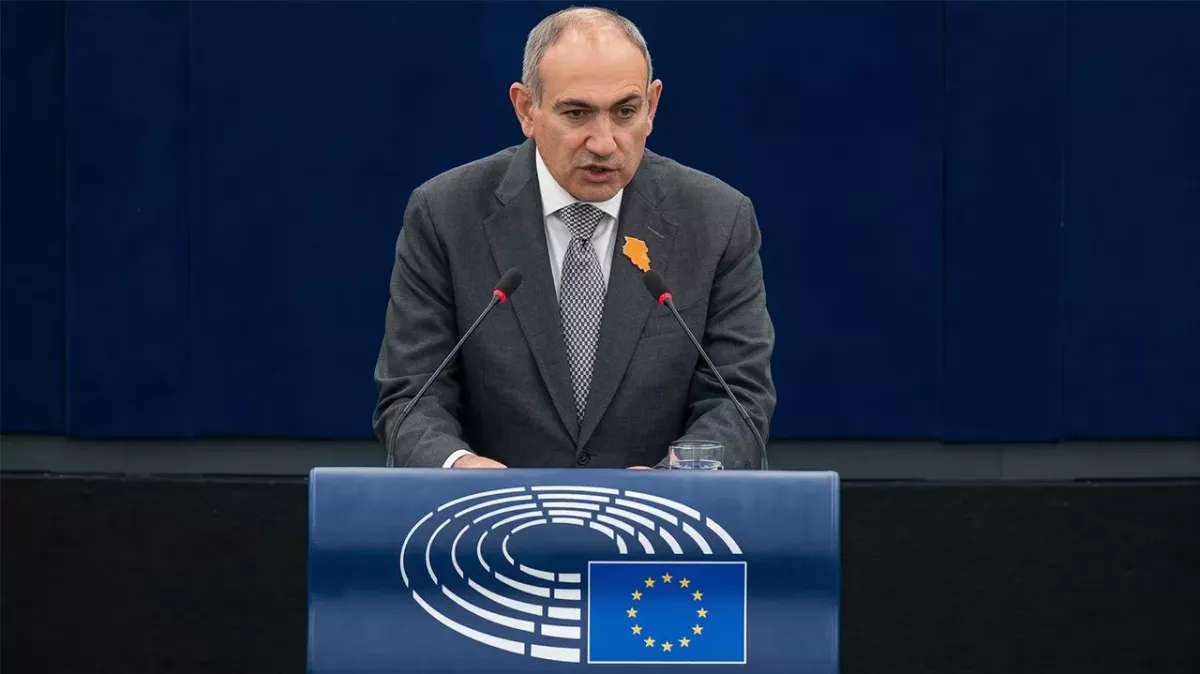
“I must honestly say that the biggest problem on Armenia’s path to EU integration at the moment is the frozen state of political dialogue between the European Union and Georgia. For us, Georgia is the path to the European Union, and we passed a law to begin Armenia’s EU accession process after Georgia received candidate status. This made the prospect of Armenia’s EU membership tangible, and our expectation and request is that a constructive process develops between the European Union and Georgia. This is important for Armenia, just as it is important for Georgia,” Pashinyan said in his speech.
There are strong grounds to believe that Pashinyan’s actual call to “unfreeze” the EU-Georgia dialogue was not made at the request of the ruling Georgian Dream party (as some representatives of Georgia’s “pro-European” opposition immediately assumed), but by the EU leadership itself. In the current complex geopolitical situation, when the Middle Corridor passing through Georgia has become perhaps the only reliable route between Asia and Europe due to the war in Ukraine and tensions around Iran, the European Union no longer has the time or resources to “bypass” Georgia or wait for a change of government there. Therefore, Brussels is interested in the rapid normalisation of relations with Tbilisi.
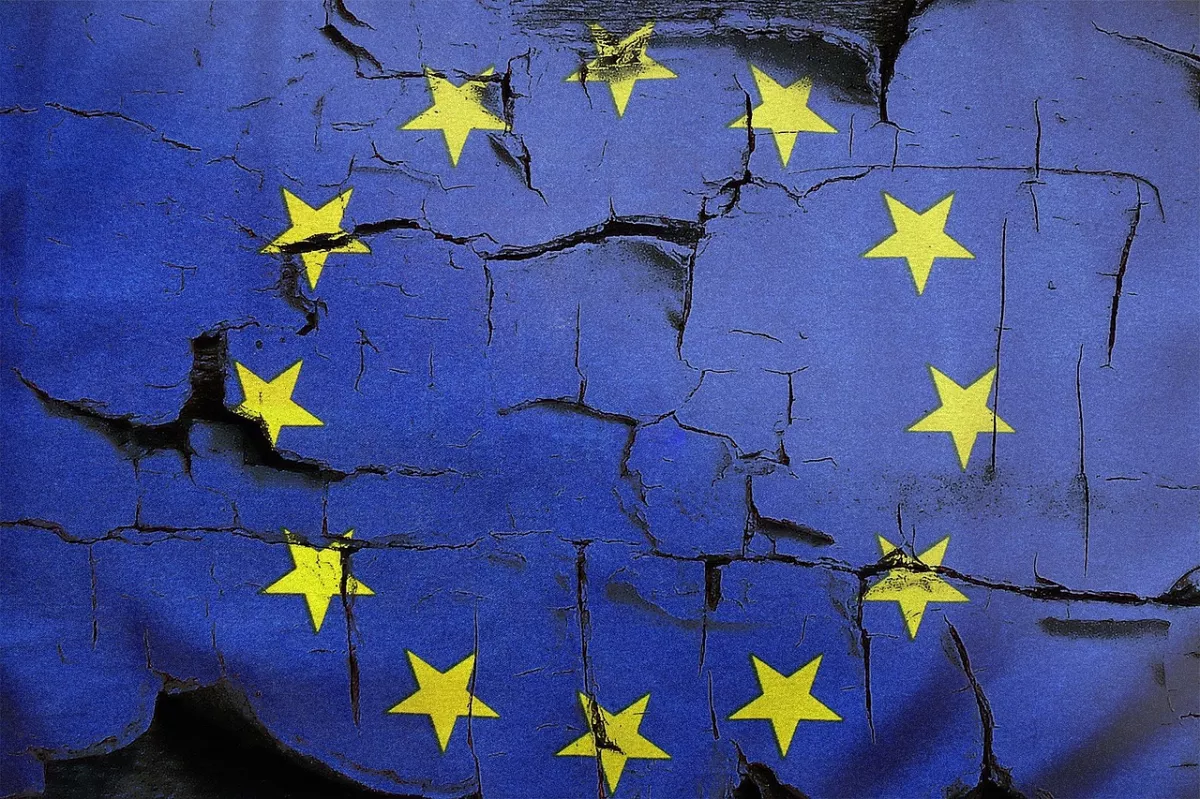
However, the EU is clearly keen to develop relations with Georgia without “losing face.” After all, in its policy of promoting “Maidans” and “revolutions” in Georgia, it has, in essence, suffered a fiasco. All attempts to overthrow the current Georgian authorities have failed, and the “pro-European” opposition has become completely marginalised. In such a situation, if Brussels were to resume dialogue with Tbilisi on its own initiative, it would appear as an admission of defeat and a sign of failure in Europe’s policy of fomenting “Maidans.”
Ultimately, a “third interested party” was found — Armenia, which effectively initiates Europe’s recognition of Georgia’s current government and the resumption of relations at a new level, where Brussels would be forced to respect Georgia’s state sovereignty and its right to defend its national interests. As a result, thanks to Pashinyan, the EU gains the opportunity to accommodate Georgia “at Armenia’s request.” And even the most radical “pro-European” opposition in Georgia (which, as is known, includes many individuals of Armenian descent) would not object.
This conclusion is also supported by the statement of Levan Makhashvili, chairman of the parliamentary committee on European integration, in an interview with Georgia’s First Channel. In his view, Nikol Pashinyan’s March 11 statement in the European Parliament is a valuable opportunity for Europeans who want to break the deadlock and use this chance to reset relations with Georgia.
“If anyone has interests in the region, pursuing them bypassing Georgia would be less effective than doing so together with Georgia. Nikol Pashinyan’s statement represents a good opportunity for the Europeans themselves, if they want to break out of this deadlock, including for a reset of relations. We fully welcome this. The Armenian Prime Minister has repeatedly expressed a similar stance and appeal to the Georgian side in closed meetings, and we welcome Armenia’s position towards Georgia,” said Levan Makhashvili, commenting on the Armenian Prime Minister’s speech.
According to Makhashvili, no matter what state Brussels brings Georgia–EU relations to, it remains detached from a pragmatic position.
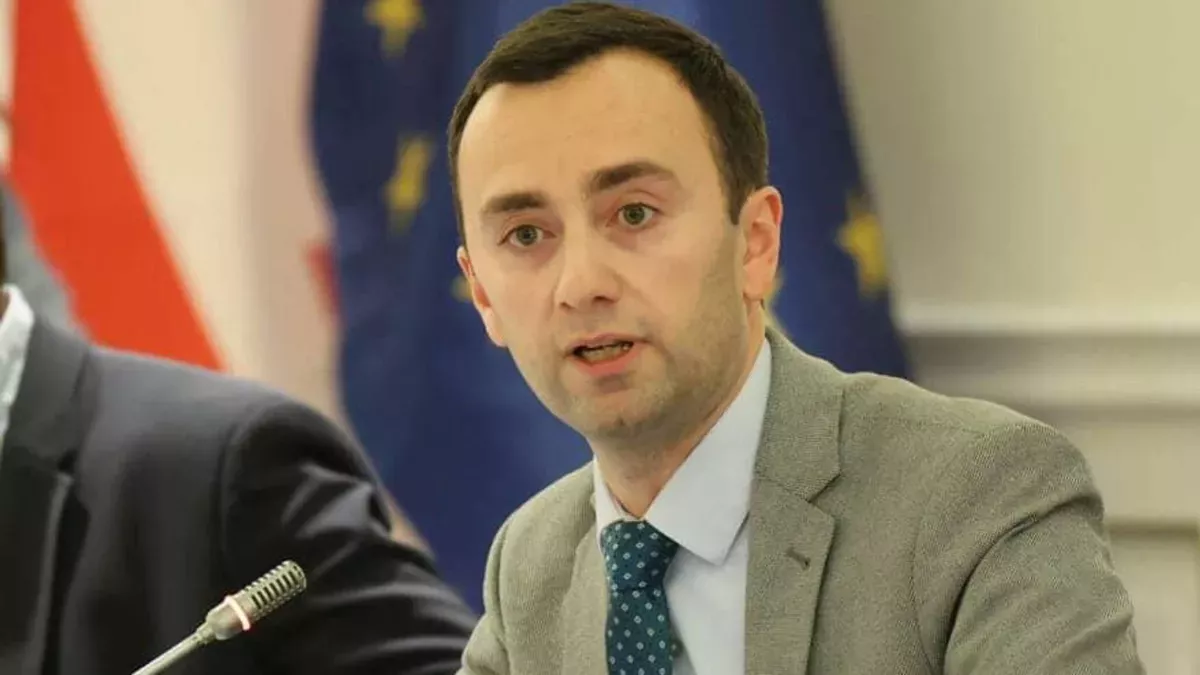
“This process has been artificially created and does not stem from the interests of the region, the states, Georgia, or—most importantly—the European Union. We must, as much as possible, take into account the interests of the region and the EU, and not act based on narrow political interests. The Armenian Prime Minister confirmed that the current situation is dictated by Brussels’ narrow political interests, not pragmatic considerations,” said Levan Makhashvili.
According to him, all processes that contribute to the development not only of Georgia–EU but also Armenia–EU relations are welcomed.
“If Georgia can do something to promote peace and regional support, we are ready to contribute in this area. Whether someone likes it politically or not, Georgia, due to its geographical position and political significance, is not only an integral but a key part of developing relations in the region. If anyone has interests in the region, pursuing them bypassing Georgia will be less effective than working together with Georgia. Nikol Pashinyan’s statement represents a good opportunity for the Europeans themselves, if they want to break out of this deadlock, including using it to reset relations. We can only welcome this,” said Levan Makhashvili.
Ultimately, Armenia once again provides a “service” to Europe. Formally, under the guise of “saving” and bringing Armenians closer to “European values,” the EU is prepared to tolerate the supposedly “pro-Russian regime” of the ruling Georgian Dream party. At the same time, both in Europe and among Georgia’s pro-Western opposition (which never criticises Pashinyan), people seem to forget that in bypassing sanctions, Yerevan helped Russia far more than the Georgian Dream could have done, even hypothetically. It is enough to recall that immediately after the start of the war in Ukraine, Armenia became the main channel for exporting gold and diamonds from Russia, bypassing sanctions. Additionally, through Armenian intermediary structures, Russia for a long time imported large quantities of Western high-tech military components—yet this was somehow “overlooked” in Brussels, Paris, and other European capitals.
Meanwhile, the EU regularly accused the Georgian authorities of unwillingness to impose sanctions on Russia, and Georgia’s pro-Western opposition consistently labelled their own government as “pro-Russian.”
Recently, European bureaucrats deliberately escalated a media scandal around rumours and suspicions that tankers of Russia’s “shadow fleet” were entering the Georgian port of Kulevi, even threatening to include the port in the EU’s 20th sanctions package against Russia. In the end, however, the accusations were not substantiated, and the port of Kulevi was excluded from the sanctions package.
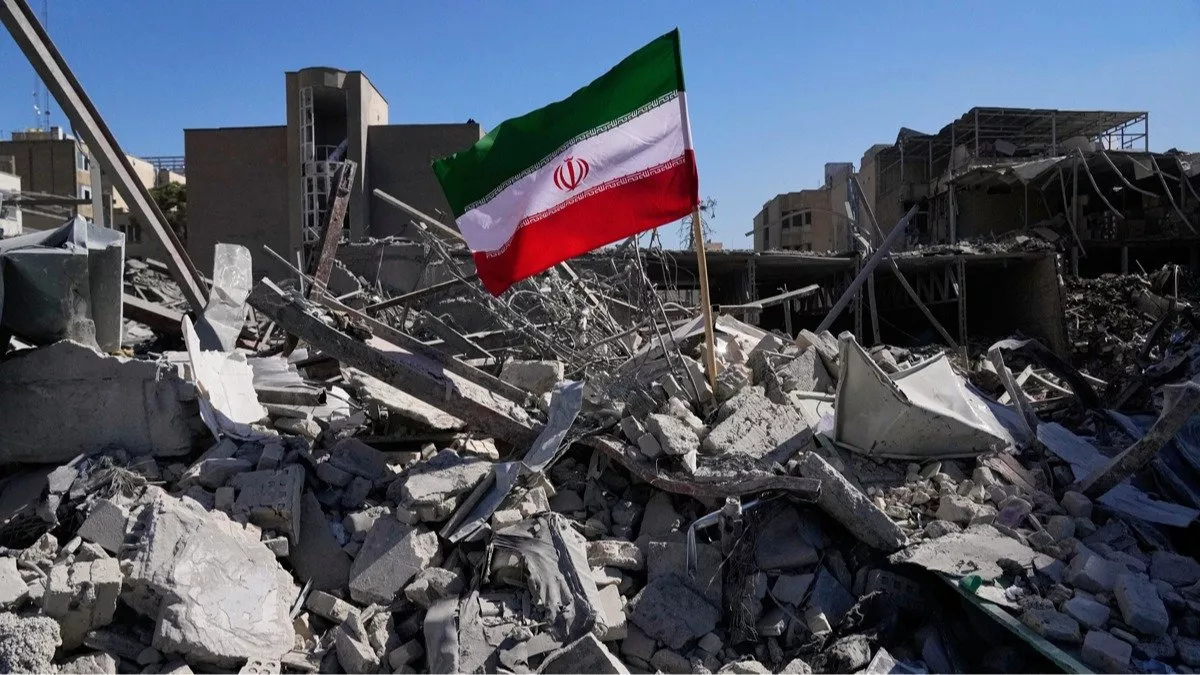
Meanwhile, against the backdrop of the war in Iran, the EU and pro-Western NGOs in Georgia are attempting to speculate on alleged “Iranian influence” in the country, while conveniently “overlooking” the increased cargo flows through the Armenia–Iran border and the close cooperation between Yerevan and Tehran in many sectors that has grown since the start of the war.
Nikol Pashinyan taking on the role of “European advocate” for Georgia is, at this stage, a mostly positive factor for the ruling Georgian Dream party—provided, of course, that the Armenian authorities do not intend to sabotage the development of other regional communications or drag Georgia into new risky ventures that could destabilise the South Caucasus.
However, the risk becomes apparent when examining Pashinyan’s statements the day after his “pro-Georgian” address in the European Parliament. On March 12, Nikol Pashinyan suggested that the implementation of the “Trump Route for International Peace and Prosperity” (TRIPP) could be delayed due to the ongoing US–Israeli war against Iran. According to the Armenian Prime Minister, the “Trump Route” is currently not a priority for the United States.
“You see what is happening and what they are occupied with. Unfortunately, it is quite likely that this will affect the timeline for implementing TRIPP, since the [US] government is focused on [other] matters. But if it turns out that it does not affect it, then that is good,” Pashinyan said.
The US–Israeli war with Iran could undoubtedly affect transit projects near Iranian borders. What remains unclear, however, is why the implementation of the “Trump Route” should be delayed because of this. Perhaps, on the contrary, it is the right time to accelerate the project, so that neither Azerbaijan, Armenia, nor Türkiye would depend on transit routes through Iran, which are militarily unpredictable. It may also be the moment for Armenia itself to show persistence on this issue—a stance that would undoubtedly receive support from Baku, Ankara, and Washington.
Could Pashinyan’s “concerns” about Georgia’s EU integration and Armenia’s “path to the EU through Georgia” be another convenient pretext for effectively sabotaging the opening of the equally important Zangezur Corridor, which is vital for Armenia’s future? It is worth recalling that not long ago there were scandals surrounding the transit of armoured vehicles from “European” France to Armenia via Georgia, which hardly contributed to peace processes in the South Caucasus.
It would be extremely dangerous for Armenia if the war around Iran and the current government’s efforts to “return Georgia to the European path” were again used to restart an arms race and block the unfreezing of regional communications.
By Vladimir Tskhvediani, Georgia, specially for Caliber.Az







 editor@caliber.az
 +994 55 444-88-98
 Азербайджан, Баку, ул. Низами, 203, Af Business House, 5-й этаж