










Belarus’s Africa policy Eyeing a foothold on the Indian Ocean
Following the recent meeting between the President of Belarus and the head of the Senate of Zimbabwe, a new ambitious programme for economic cooperation in the African region has been outlined. Why does a landlocked European republic need a port in Mozambique?
An African foothold
On February 19, in Minsk, Alexander Lukashenko met with the Chairperson of the Senate of Zimbabwe, Mabel Memory Chinomona. During the talks, the Belarusian leader proposed to his African partners the implementation of a new breakthrough project. The plan involves creating a logistics hub on the coast of the Indian Ocean. Neither Belarus nor Zimbabwe has direct access to the sea, but building a port in Mozambique could be beneficial for both countries.
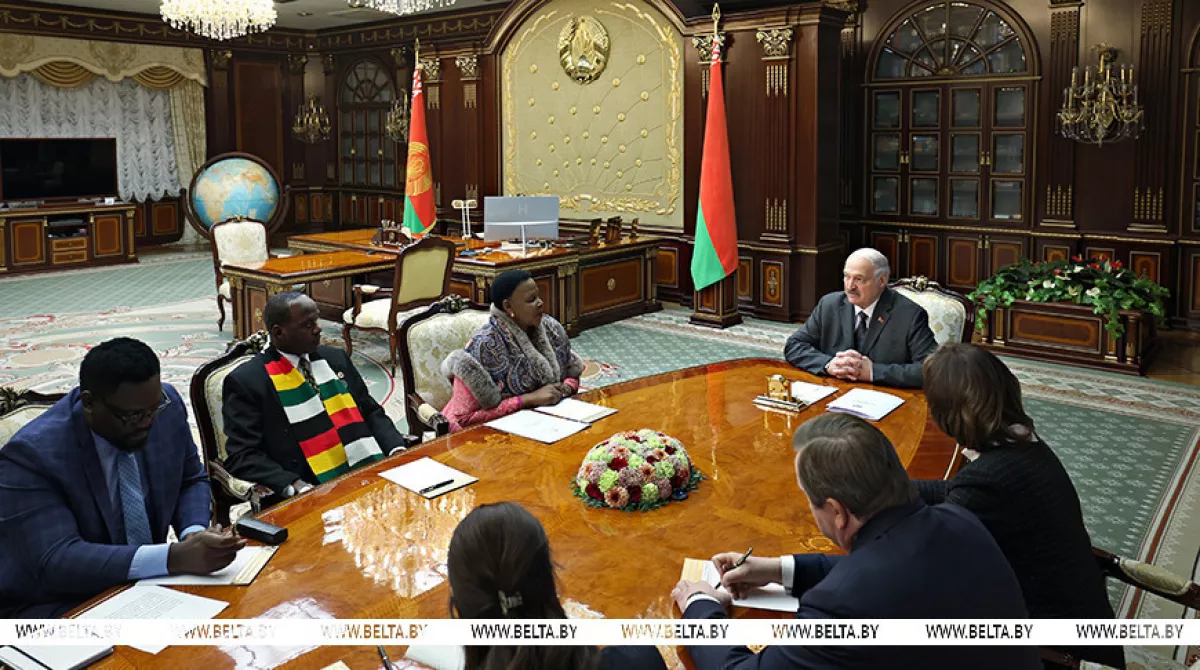
"Contemplating the prospects of Belarus’ work in Africa, I returned to an old idea we discussed with your president. We really need a foothold on the coast of the African continent – in the southeast. This means that we must work together with Zimbabwe on building a port in your neighboring state, Mozambique. If we could realize this idea together with Mozambique and Zimbabwe, and in this case we can do it and restore the railway connection through your neighbor (the distance is short) to Zimbabwe, then your country would become a good hub for goods not only from Belarus, but also for goods from other states. I think, primarily Russia," said Alexander Lukashenko.
Lukashenko proposed that the project be implemented under the supervision of parliamentarians from both countries. Efficiency and transparency in decision-making are hallmarks of Belarusian cooperation with African nations.
Members of the Zimbabwean delegation also expressed interest in Belarusian developments in environmental monitoring and wildlife migration tracking in national parks. Representatives from the Belarus Hi-Tech Park proposed solutions in the areas of “smart cities” and digital government, as well as in biotechnology and healthcare, including women’s health. Infectious diseases remain a serious challenge for African countries, so modern epidemiological solutions were also included among the proposals.
The Speaker of the Zimbabwean Senate, who previously chaired the Committee on Women’s Affairs of the African Parliamentary Union, specifically thanked Belarus for supplying tractors that have eased the work of African women farmers.
Recently, cooperation between Minsk and Harare has significantly intensified.
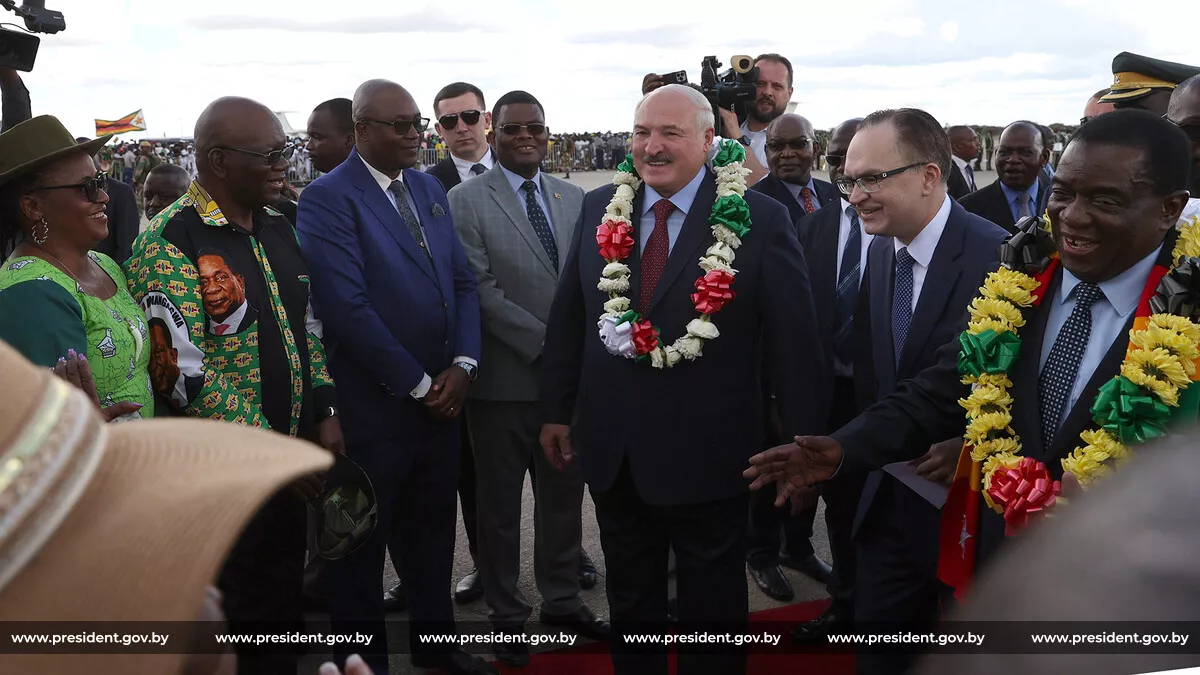
On January 30–31, 2023, the President of Belarus made a state visit to Zimbabwe. By that time, two phases of the joint program for mechanizing the African country’s agriculture had been completed. The program began in 2020, and during this period Belarus supplied 1,800 tractors and 80 grain harvesters. As part of the third phase, deliveries of an additional 3,700 tractors worth $66 million were planned.
In Zimbabwe, BELAZ mining equipment is being successfully operated, along with Belarusian-made fire trucks.
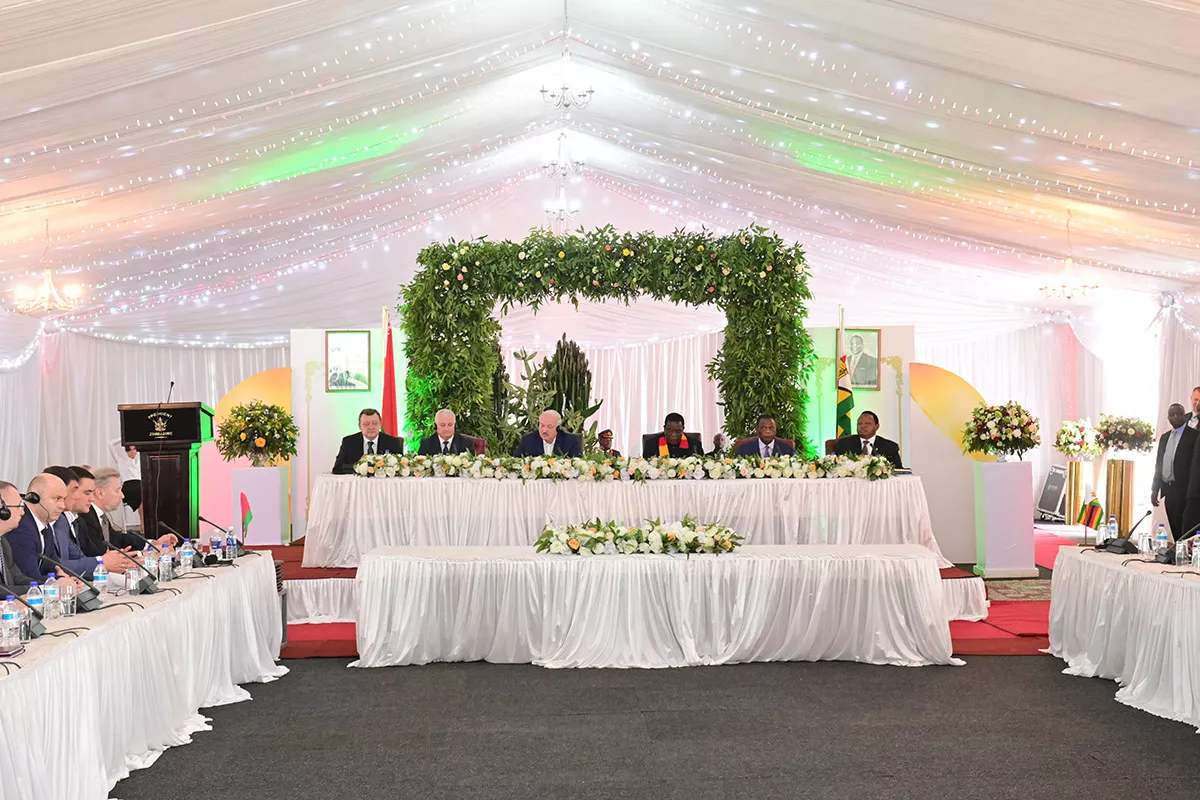
During the 2023 state visit, Alexander Lukashenko and Zimbabwean President Emmerson Mnangagwa—who was previously an active participant in the guerrilla war for independence against the colonial regime of Southern Rhodesia—signed agreements on the promotion and mutual protection of investments, the establishment of a permanent cooperation commission, the mutual recognition of educational diplomas, and several other documents.
Agreements were reached on implementing joint projects in industry, trade, agriculture, energy, transportation, and mineral extraction. Among other initiatives, a bilateral group of defense specialists was established. Discussions also covered the creation of joint ventures utilizing Zimbabwean raw materials, both in Africa and in Belarus.
Belarusian support for the peoples of Africa
"You have to know that in the center of Europe there is a country called Belarus, which is always ready to give you a hand in any situation," the Belarusian leader said during his visit to Zimbabwe. He also noted that the African nation is rich in natural resources, and therefore will not be left in peace.
"Americans introduced sanctions against you not because you are not democratic," said the Belarusian leader, who knows firsthand what sanction pressure feels like. "But because you’ve decided to take your country and mineral resources under control. You do not let various vagabonds and frauds use your mineral resources. It is the reason behind the sanctions. Like in the past centuries they are once again trying to bring you to your knees."
Alexander Lukashenko also emphasised that global development is impossible without Africa: "Therefore, all the powers-that-be are here: the United States, China, Russia, the UK, the entire European Union and so on. The future belongs to Africa."
The results of cooperation were reviewed during the latest visit of the President of Zimbabwe to Belarus in May 2025. Hunger remains a serious problem for many African countries. However, thanks to the Belarusian agricultural mechanisation program, grain harvesting in Zimbabwe has tripled. In 2022, the country became self-sufficient in wheat and began exporting grain to Mozambique and Botswana.
The next phase focused on the mechanisation and modernisation of the dairy sector. Plans are underway in Zimbabwe to assemble Belarusian buses. Agreements are being implemented on the mutual supply of food products, including powdered milk, juices, and fruits, as well as on cooperation in medical and pharmaceutical fields, science, and technology.
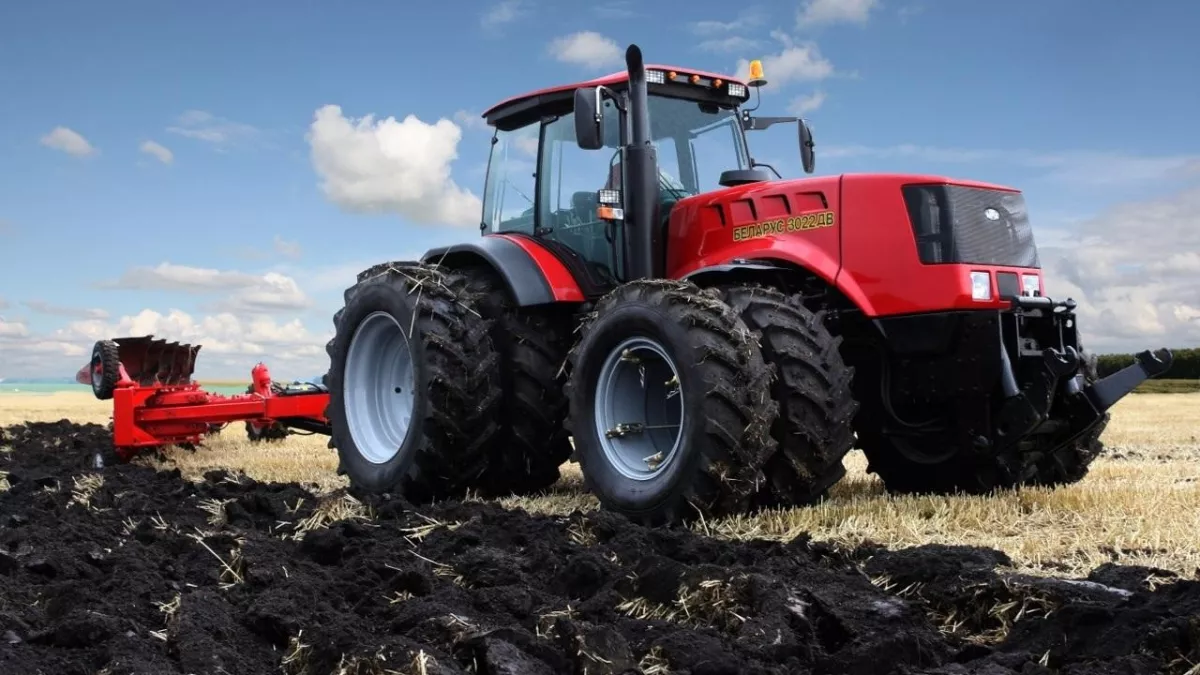
Today, the Republic of Belarus exports to Zimbabwe machinery and equipment for harvesting and threshing crops—tractors, semi-trucks, cargo vehicles, trailers, and semi-trailers.
By the end of 2025, trade between the two countries exceeded $25 million. By 2030, it is planned to increase bilateral trade to $100 million.
Speaking about how Belarus–Zimbabwe cooperation contributes to strengthening food security across southern Africa, Alexander Lukashenko emphasised: “Using this example of our joint work, other countries of the African continent see that there is a real alternative to the exploitation and dictate on the part of the West and multinational corporations.”
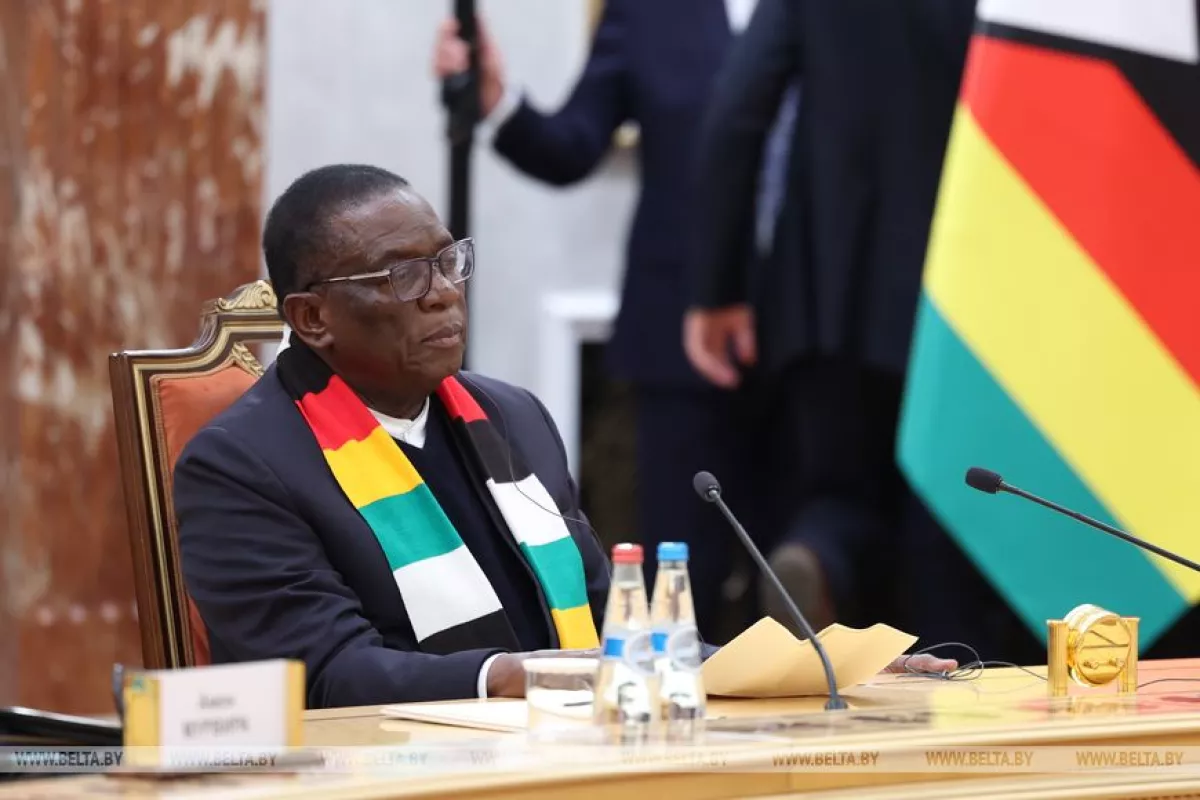
During his visit to Minsk, Emmerson Mnangagwa called Alexander Lukashenko a brother and referred to Belarus as his second home. Looking ahead, Belarus–Zimbabwe economic cooperation envisions leveraging the potential of the Eurasian Economic Union (EAEU) on one hand and the Southern African Development Community (SADC) on the other.
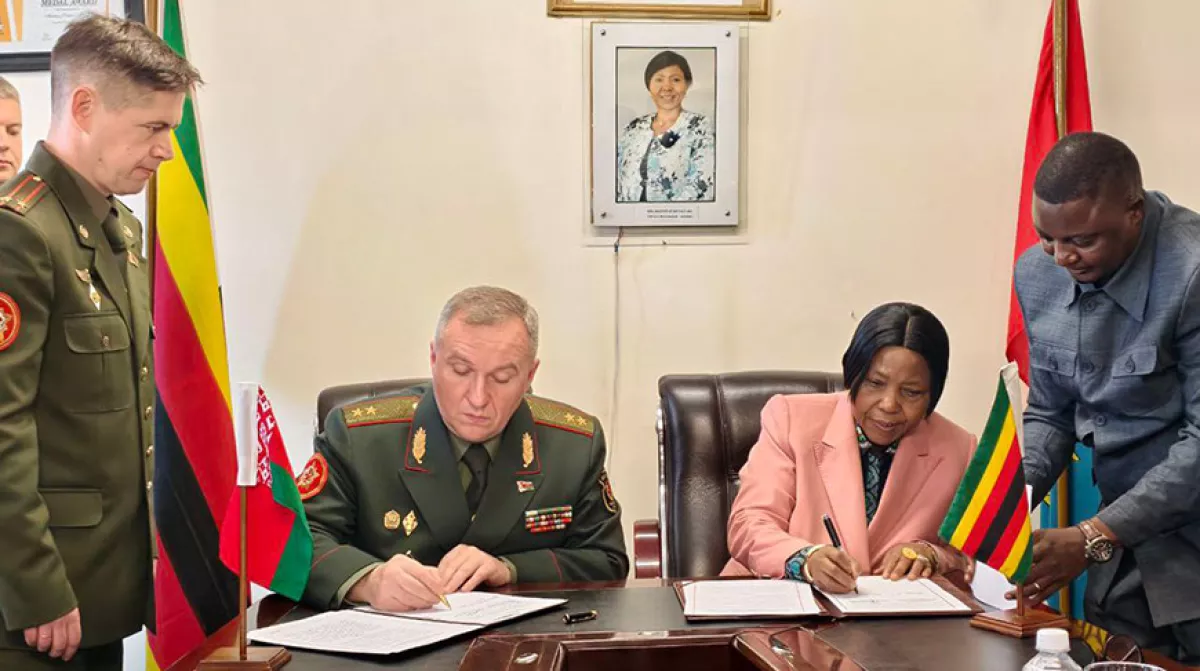
In December 2025, the Minister of Defence of the Republic of Belarus, Viktor Khrenin, visited Zimbabwe, resulting in the signing of a corresponding agreement. The cooperation covers the training of specialists in radiological, chemical, and biological protection, military pilots, the supply of navigation and topographic equipment, as well as the joint production of small arms, ammunition, and optical devices.
Of the five African countries where Belarus has diplomatic missions, two—Zimbabwe and South Africa—are located in southern Africa. At first glance, this seems like the opposite end of the world with complex logistics. However, it is also a highly promising economic region.
Southern Africa possesses significant natural resources, including today’s highly sought-after rare earth and strategic metals. Zimbabwe ranks third in the world for platinum (Pt) and rhodium (Rh) reserves, and fifth for chromium (Cr) and palladium (Pd). Mozambique ranks third in titanium (Ti) and beryllium (Be) reserves, fourth in zirconium (Zr), and sixth in graphite (C) and tantalum (Ta).
Belarusian access to the Indian Ocean
Cooperation between Minsk and Harare is now moving into the realm of major logistics projects. Through the planned Belarusian port in Mozambique, goods from various countries—primarily Russia and China—could be supplied to southeastern Africa. Trade between Zimbabwe and the Russian Federation grew several times over 2025.
Partnership with China is also actively developing. In 2024, Emmerson Mnangagwa visited Beijing on a state visit and met with Xi Jinping. China and Zimbabwe cooperate in agriculture, mining, and new energy sources. In return, Zimbabwe exports avocados to China.
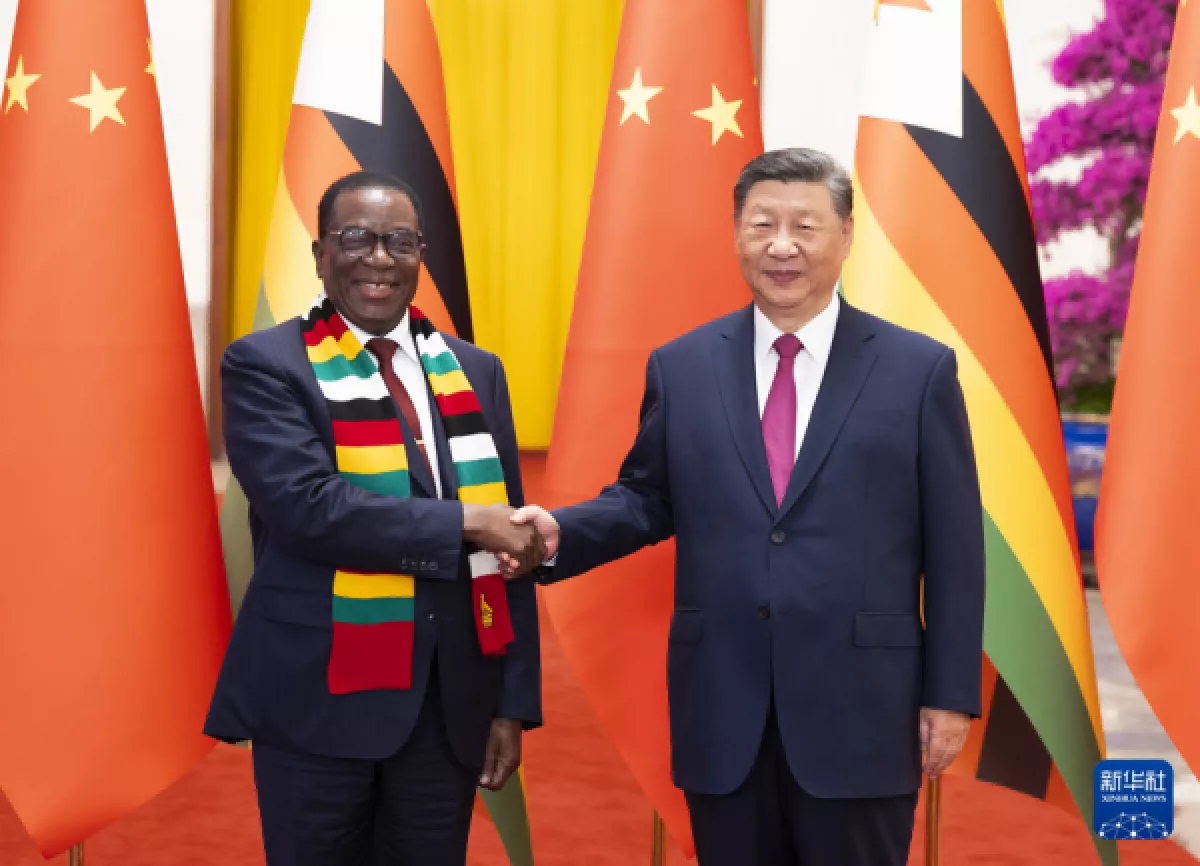
Mozambique and Zimbabwe are key links in China’s “Belt and Road” initiative. The new port on Africa’s Indian Ocean coast could become a significant element of this logistical network.
At the same time, such a port could play a key role in exporting Belarusian goods to southeastern Africa. Following the recent lifting of U.S. sanctions on Belaruskali, Belarusian potash fertilisers could take a leading position. Zimbabwe’s agriculture is in urgent need of mineral fertilisers; until recently, a significant portion was supplied by Russia’s Uralchem.
The Belarusian port in Mozambique could also become especially relevant in the context of the new automotive corridor: Belarus – Russia – Kazakhstan – Uzbekistan – Afghanistan – Pakistan.
A corresponding agreement between Belarus and Pakistan was signed in October 2025.
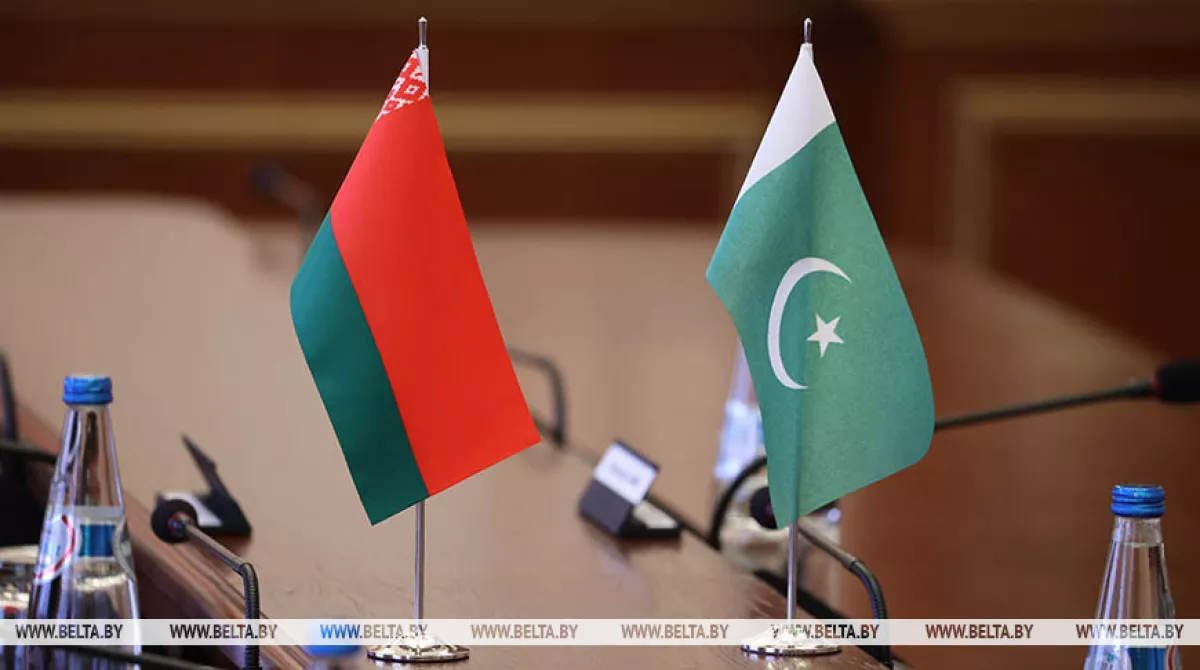
The fact is that due to sanctions and the unfriendly policies of the governments of Lithuania and Latvia, the transit of Belarusian goods through the Baltic ports is becoming increasingly problematic. In this context, the Islamic Republic of Pakistan is ready to provide its port terminals on the coast of the Indian Ocean. From there, the route could go directly to countries in southern and southeastern Africa.
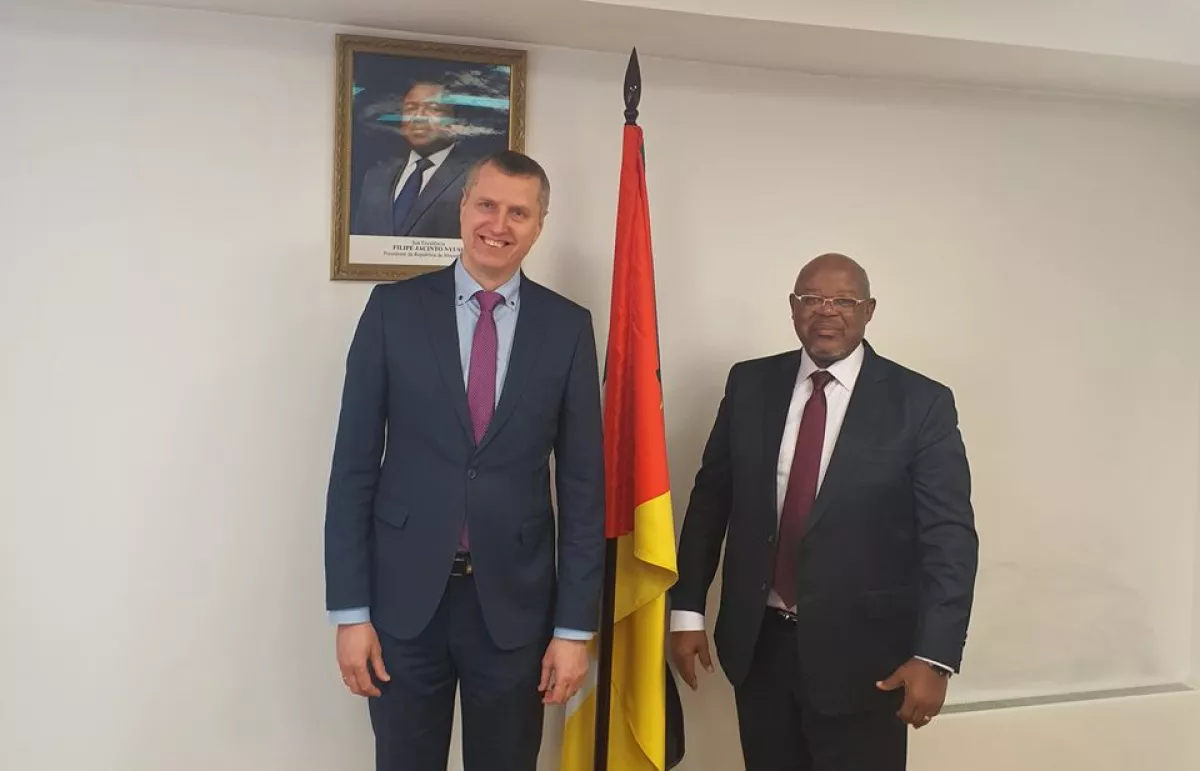
According to negotiations held in 2023 between Belarusian diplomats and the Embassy of Mozambique in the Russian Federation, the port of Beira was considered as a potential site.
In 2021, the combined GDP of African countries amounted to $2.7 trillion. According to the Institute for Security Studies (ISS Africa), this figure could reach $8.5 trillion by 2050—more than tripling. Renaissance Capital forecasts a potential African economy of $29 trillion, implying more than a tenfold increase over the next 25 years.
Today, African countries are interested not only in agreements on raw material extraction. Increasingly, priority is being given to full-cycle production contracts and life-cycle contracts, in which the general contractor not only constructs a facility but also ensures its subsequent operation. The Republic of Belarus, declaring its commitment to the principles of equal partnership, emphasises a mutually beneficial model of cooperation with its African partners.







 editor@caliber.az
 +994 55 444-88-98
 Азербайджан, Баку, ул. Низами, 203, Af Business House, 5-й этаж