










Verkhovna Rada against the president Zelenskyy loses support in parliament
Today, one of the most discussed topics in Ukraine is the potential disruption of IMF funding. This situation is not just another episode of budgetary risks—it is a symptom of a much deeper problem: the country is effectively experiencing a full-fledged parliamentary crisis.
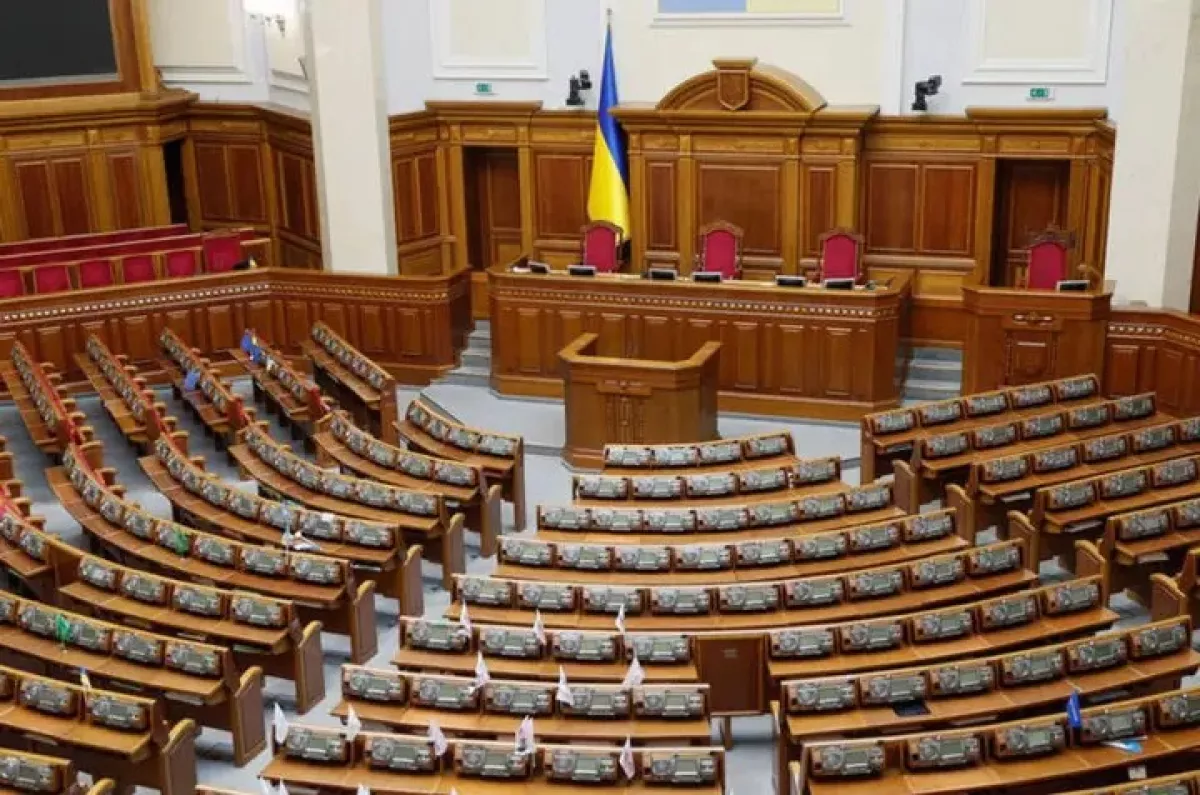
And this is by no means about tactical disagreements or temporary lapses in discipline. The Verkhovna Rada is showing signs of the collapse of the political structure that was until recently considered a key instrument of the incumbent president’s power—a single-party majority that, from the very beginning of Zelenskyy’s term, allowed the administration to pass any necessary decisions quickly, centrally, and with almost no resistance. This was the foundation of the Ukrainian leader’s political model: a vertical power structure relying on a disciplined parliamentary faction.
Today, this structure effectively no longer exists. Statements from deputies about sabotage, fear of anti-corruption bodies, fatigue, readiness to resign their mandates, and refusal to vote on key decisions—including IMF requirements—are not merely emotional signals. They are evidence of the loss of control over the faction, i.e., an institutional crisis. Ukraine is now entering a situation in which the president can no longer guarantee the passage of necessary laws through parliament, marking the beginning of the dismantling of the entire governance model established after 2019.
The story of the potential blocking of the $8.1 billion IMF programme is just one example. Ukraine may not receive these funds if the Verkhovna Rada fails to pass the necessary laws by the end of March. To unlock the financing, parliament must approve a series of tax changes, including higher taxes for businesses and individuals, the introduction of VAT for the simplified taxation system, and lowering the threshold for taxing international parcels to €150. Some of these initiatives have not even been brought up for discussion yet, despite the fact that this funding is critically important for Ukraine.
And while, as the head of the National Bank of Ukraine, Andriy Pyshnyi, has said, the NBU could again directly finance the budget, as it did in the first year of the full-scale war, the problem clearly runs much deeper.
In simple terms, this is no longer a question of economic policy, but of political capacity. When a country at war cannot pass decisions that directly affect macro-financial stability, it sends a signal to all external partners: the internal system is beginning to falter.
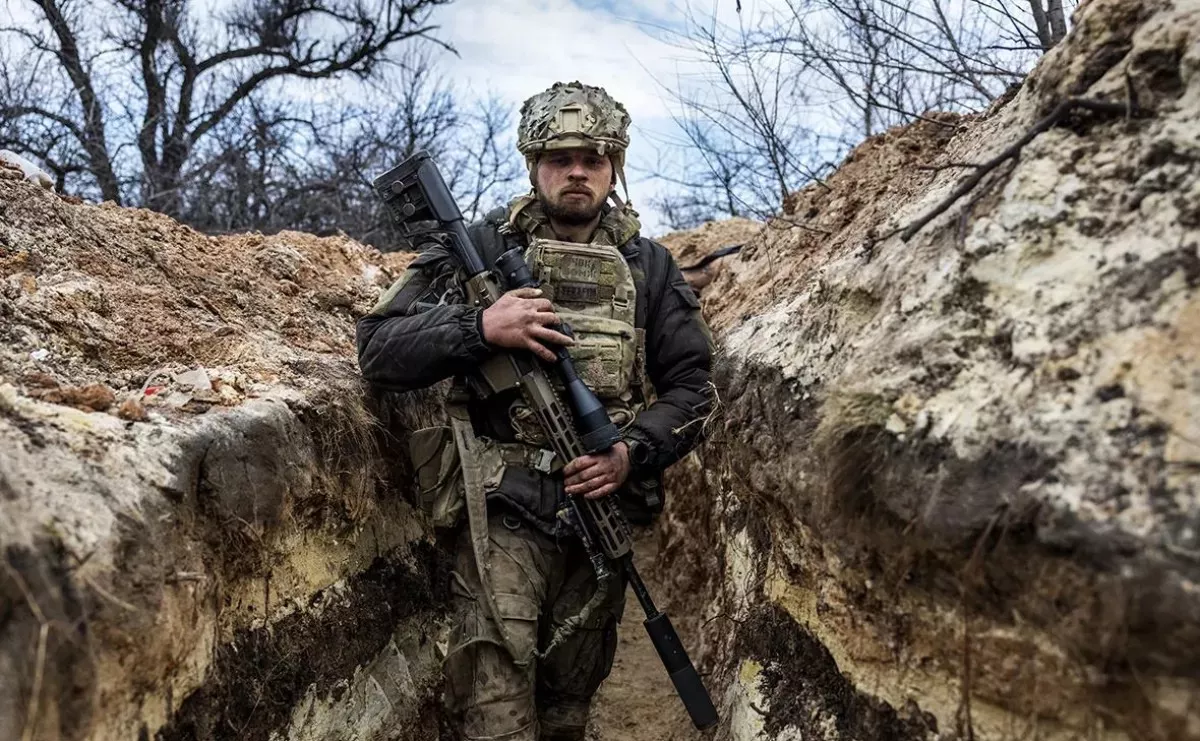
Particular attention should be paid to parliamentarians’ complaints about insufficient salaries, which are especially jarring against the backdrop of war, mobilisation, and immense societal pressure. Here, we see a clear divide between society and the elites, and it is not just that deputies’ monthly earnings exceed those of frontline soldiers. The problem is broader: on one side are hundreds of thousands of people involved in the war and millions of citizens living under constant threat; on the other is a significant portion of the political class showing fatigue and a desire to distance themselves from responsibility.
This divide becomes fertile ground for draft evasion, rising instances of desertion, and falling mobilisation motivation. Society acutely senses the injustice: when privileged groups—politicians, businessmen, media figures—remain on the sidelines, calls for ordinary citizens to make sacrifices are perceived very differently.
Against this backdrop, Zelenskyy’s statement that deputies should either work in parliament or go to the front appears as a form of pressure. In this context, it is telling that even Fedir Venislavskyi, a member of the Servant of the People party and the National Security Committee, believes that such a statement is unlikely to strengthen parliamentarians’ motivation.
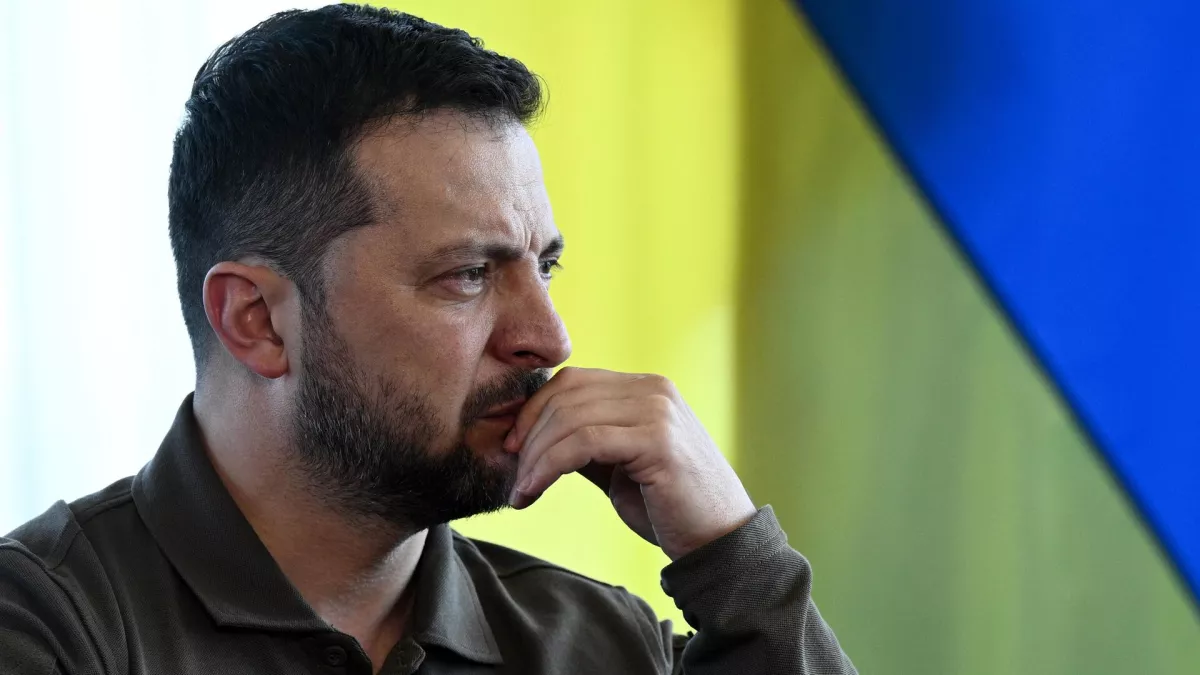
However, looking deeper, this increasingly resembles an attempt by Volodymyr Zelenskyy to compel parliament to loyalty through public pressure and coercion. Beyond that, such statements touch on a sensitive aspect of the constitutional order: under martial law and with expanded executive powers, any hint at the possibility of “redistributing” deputies’ roles outside of legal procedures raises serious questions. It creates the impression that power is shifting from political governance to direct, hands-on pressure.
In this context, it is important to note that Zelenskyy’s key resource until recently was his high personal approval rating—but that support is gradually eroding. The protracted war, lack of significant successes, economic difficulties, numerous corruption scandals involving people in the president’s close circle, and now an open conflict with parliament—all of these are taking a toll on his rating.
Equally significant is the fact that even deputies who entered the Verkhovna Rada solely thanks to the Servant of the People brand are no longer willing to automatically back the administration’s decisions. This marks a fundamental turning point: whereas political loyalty once rested on dependence on the president’s popularity, it is now weakening, and with it disappears the main mechanism of control.
Thus, Ukraine is entering a stage in which its political system is becoming more fragmented, less manageable, and increasingly conflict-ridden. The absence of a single-party majority, pressure on parliament from the head of state, elite fatigue, and growing public distrust are creating an extremely unstable configuration. In the short term, this could lead to the failure of key decisions—from cooperation with the IMF to budgetary policy—and, in the medium term, to a profound political transformation in which the current model of power will no longer be dominant.
This is why what is happening today in the Verkhovna Rada can be seen as the beginning of a process that may determine what Ukrainian governance will look like after the war. The question is no longer whether Zelenskyy will retain control over parliament, but whether he will be able to preserve the very architecture of power on which his administration has relied.







 editor@caliber.az
 +994 55 444-88-98
 Азербайджан, Баку, ул. Низами, 203, Af Business House, 5-й этаж